
Bilecik Museum
Europe, Turkey
 1 / 10
Museum Information
Opening Hours
09:00 – 17:00
Open Days
About Bilecik Museum
Bilecik Museum – A Journey Through the Region’s Cultural Heritage
Located in the city center, directly across from the
Bilecik Governor’s Office, the museum building was originally constructed in 1794
for military purposes. The two-storey structure later saw its ground floor
converted into a prison. During the Greek occupation of 1921–1922, the
building was completely burned down and reduced to rubble. Following the
Turkish War of Independence, it was rebuilt on its original foundations; the
upper floor functioned as a courthouse, while the lower floor continued to
serve as a prison.
The building—consisting of six wards, four rooms,
three workshops, three storage areas, three solitary confinement cells, and a
bathhouse—also featured two separate courtyards, one for convicts and one
for detainees. Used as a prison until 1995, the structure was transferred to
the Ministry of Culture and Tourism in 1996 after both the courthouse and the
prison were relocated.
Restoration work began in 1997 and was completed in 2006.
The museum opened its doors to visitors on 20 April 2007.
Exhibitions and
Collections
The museum uses a chronological display technique
across its three exhibition halls. While Roman Period artifacts form the core
of the exhibition, pieces from the following periods are also showcased:
- Paleolithic
- Neolithic
- Bronze Age
- Hellenistic
- Roman
- Byzantine
- Ottoman
The Bilecik Museum collection includes:
- 1,102 archaeological artifacts
- 731 coins
- 317 ethnographic objects
Ethnographic Exhibits
In the ethnographic halls, visitors can explore:
- Visual depictions related to the foundation of the Ottoman Empire
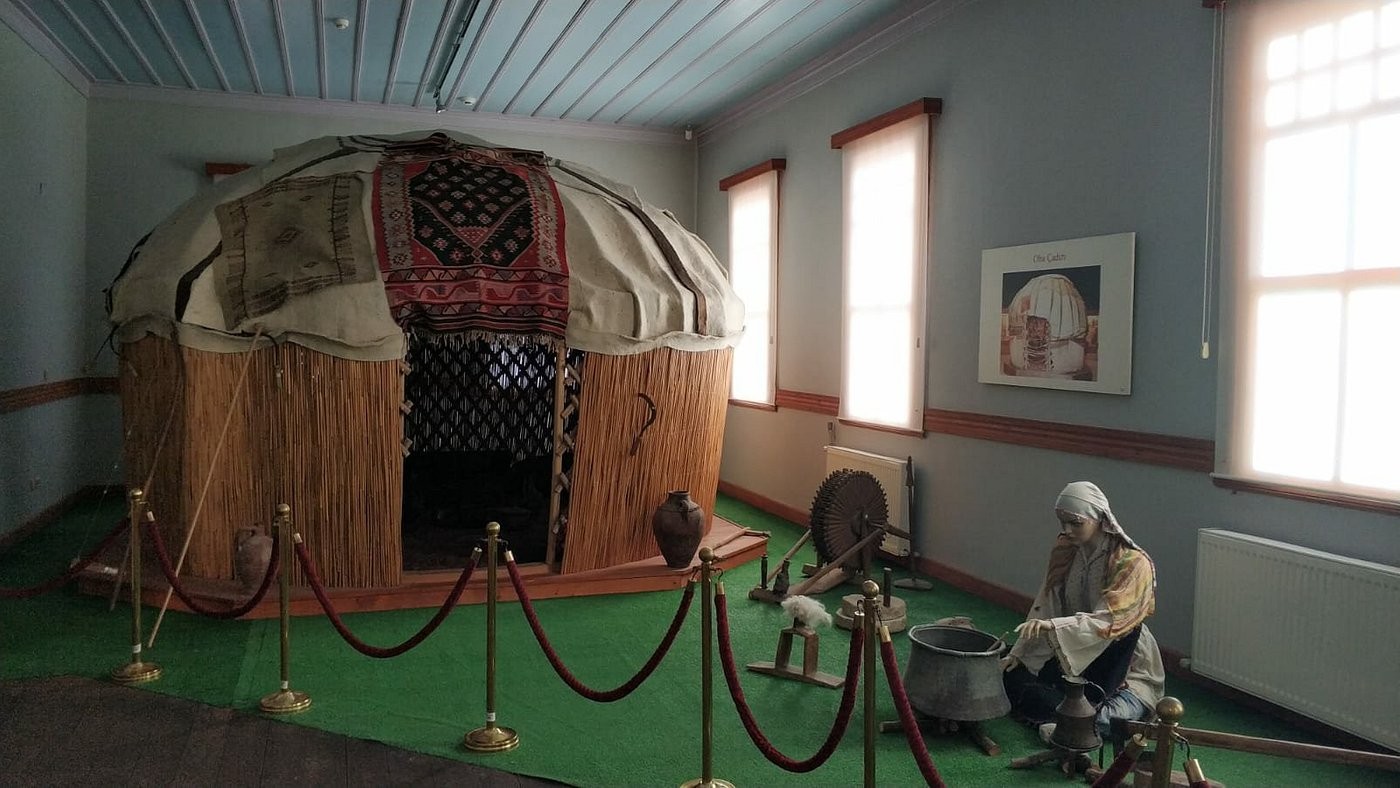
- Scenes from nomadic and domestic life
- Traditional weaponry
- Ceramic and metal kitchenware used in daily life
- Local clothing, textiles, and jewelry from the Bilecik region
Panels in the corridors display examples of traditional
civil architecture found in Bilecik.
Museum Courtyard
In the museum’s courtyard and garden, stone artifacts
from the Roman and Byzantine periods—including tomb steles, column
capitals, sarcophagi, and baptismal fonts—are exhibited in an open-air
arrangement.