
Dikyamaç Village (Kamparna) Lifestyle Museum – Arhavi / Artvin
Europe, Turkey
 1 / 5
1 / 5Museum Information
Opening Hours
10:00 – 17:00
Open Days
About Dikyamaç Village (Kamparna) Lifestyle Museum – Arhavi / Artvin
Dikyamaç Village
(Kamparna) Lifestyle Museum – Arhavi / Artvin
The Dikyamaç Village (Kamparna) Lifestyle Museum,
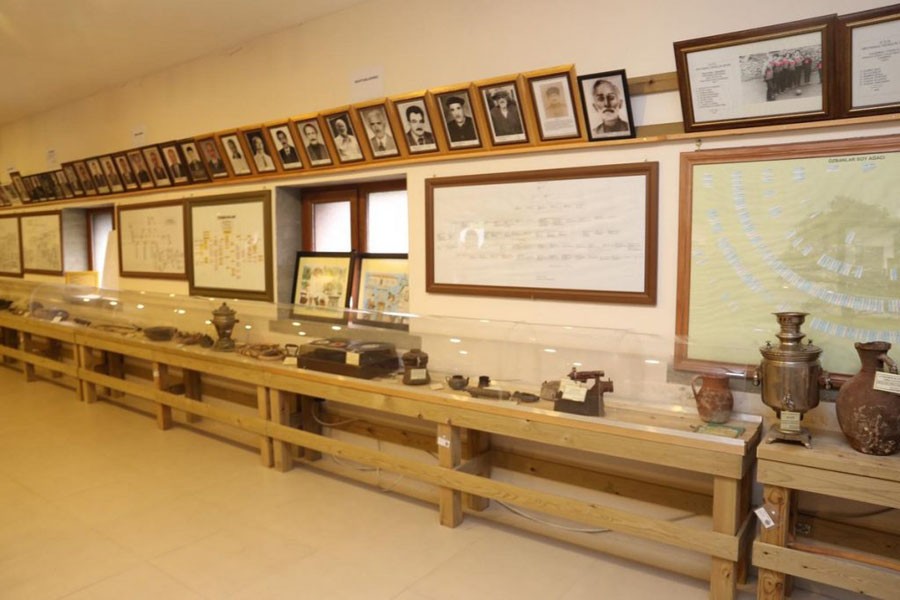
the first and only lifestyle museum in the region, showcases artifacts that
shed light on the past of Dikyamaç Village and the surrounding settlements. The
museum highlights traditional life through local handicrafts as well as the
household tools and everyday objects once used by the people of the region.
The museum preserves every element of the region’s
cultural heritage—from past to present. Featuring handicrafts produced in old
village homes, unique objects used in daily life, and traditional clothing,
this museum has become an important cultural stop for both local and
international visitors, contributing significantly to tourism in the area.
As the first museum of Artvin, this ethnographic
museum has received great interest from the residents of Dikyamaç and
neighboring villages. Within a short period, hundreds of ethnographic items of
historical value were donated to the museum.
How Was the Lifestyle
Museum Established?
The museum building originally served as a small
two-classroom village primary school. After a complete restoration, it was
transformed into a fully functioning museum. When it became clear that the
initial building was insufficient following the opening of the first section in
2012, a second structure—comprising the Museum and Social Facilities
(Village Guesthouse) was constructed.
All funding for the construction and restoration of both
buildings was provided by Naim Özkazanç, a mechanical engineer born in
Dikyamaç Village and the founder of the museum.
Selected Ethnographic
Items Displayed in the Museum
Among the many traditional objects exhibited at the
museum are:
- Cradle (Onçeli)
- Stone-baked pan / Pileki (Gresta)
- Hedik (boiled wheat snack tools)
- Charcoal iron
- Wooden troughs (Sarğa)
- Wooden measuring cups (Orsai)
- Handcraft tools
- Keremuli (traditional food preparation tool)
- Gudeli (grain separator)
- Arşın (traditional measuring stick)
- Ladles (Kopa)
- Pufrengi (traditional wooden rack)
- Animal traps
- Copperware
- Stonecutter’s saddle
- Blacksmith’s bellows
- Various sieves
- Copper trays
- Kerosene lamps
- Baskets (Tikina)
- Chairs (Orzo)
- Small baskets (Ğençkeli)
- Hand-operated grain mill
These items collectively reflect the daily life, craftsmanship, and cultural richness of the Eastern Black Sea region.