
Edirne Archaeology and Ethnography Museum
Europe, Turkey
 1 / 10
Museum Information
Opening Hours
09:00 – 17:00
Open Days
About Edirne Archaeology and Ethnography Museum
Edirne Archaeology and
Ethnography Museum
Located just 50 meters east of the Selimiye Mosque,
Edirne Archaeology and Ethnography Museum offers a compelling journey through
the region’s rich cultural layers, from prehistoric times to the Ottoman era.
Opened to visitors on 13 June 1971, the museum consists of Archaeology
and Ethnography sections, complemented by an extensive open-air garden
display.
The Legacy of the
Thracians
Among the most significant regional artifacts displayed
in the museum are marble statues and funerary stelae depicting the Thracian
Horseman, a semi-deified figure revered by the Thracians, the indigenous
people of the region. The ancient historian Herodotus famously described
the Thracians as the most populous people after the Indians, noting that their
lack of unity prevented them from becoming an invincible power—an observation
that adds historical depth to the artifacts on display.
Archaeology Section
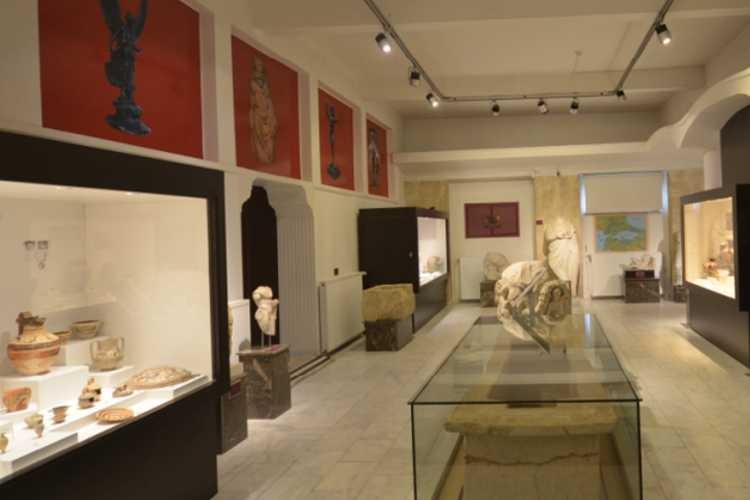
The archaeological exhibition begins with fossil
remains, including jawbones, teeth, vertebrae, and defensive bones of
rhinoceros and horse species discovered in and around Edirne. These finds
illustrate the region’s prehistoric environment.
The collection continues with marble sculptures,
stelae, coins, jewelry, terracotta, and glass artifacts, displayed
chronologically. A particularly important group of objects comes from the ancient
port city of Enez, a strategic crossroads connecting the Balkans, Anatolia,
and the Aegean via land, sea, and river routes. Ongoing excavations since
1971–72 have revealed the city’s continuous development from prehistoric times
to the present.
Highlights include figured amphorae, terracotta figurines, ceramics, marble
sculpture fragments, stelae, and decorative ornaments.
Artifacts recovered from border crossings such as
Kapıkule and İpsala, along with examples representing various Anatolian
civilizations, further enrich the collection.
Ethnography Section
The Ethnography galleries illuminate Edirne’s cultural
identity, shaped by centuries as an Ottoman capital city, especially
during the 17th century. Exhibits include:
- Traditional Balkan regional costumes
- Fine examples of Islamic calligraphy (Hat art)
- Carpets and kilims
- Wooden chests
- The Edirne Bridal Room and a traditional sitting room interior
- Personal belongings used by Mustafa Kemal Atatürk during his
visits to Edirne
Distinctive examples of Edirnekâri decoration, a
refined local ornamental art, are also displayed.
Museum Garden – An
Open-Air Exhibition
The museum garden functions as an open-air gallery. At
the entrance, visitors encounter Roman-period column capitals, sarcophagi,
dolmens, and menhirs. Nearby, Ottoman gravestones are displayed,
followed by Hellenistic, Roman, and Eastern Roman column capitals and
sculptures.
A special section of the garden is dedicated to Ottoman
water culture, featuring Edirne’s historic fish ponds and bird pavilions,
reflecting the city’s harmonious relationship with nature.
A Long Museum Tradition
Edirne’s first museum was established in 1924 by order
of Atatürk, housed in the Dar’ül Hadis Medrese of the Selimiye Mosque
complex. As collections expanded, the need for a new building arose, leading to
the opening of the current Edirne Archaeology and Ethnography Museum in
1971.
A visit to Edirne Archaeology and Ethnography Museum
offers an essential cultural experience, perfectly
complementing a visit to the Selimiye Mosque and the historic city
center—revealing the deep historical roots of Thrace and Edirne through
archaeology, art, and living traditions.