
Erimtan Archaeology and Arts Museum
Europe, Turkey
 1 / 5
1 / 5Museum Information
Opening Hours
10:00 – 17:00
Open Days
About Erimtan Archaeology and Arts Museum
Erimtan Archaeology and Arts Museum is a cultural institution in
which many valuable works from the Roman, Urartian, Hittite, and Byzantine ages
within Yüksel Erimtan’s collection are displayed using innovative techniques,
and which hosts many interdisciplinary and artistic events curated with a
contemporary museology approach.
As of the first quarter of 2015, three old Ankara houses located
in the Castle Square, one of Ankara’s oldest settlements, were transformed,
while preserving their historical and architectural values, into the museum
building to host this special archaeological collection. The museum, which
contains a collection ranging from 3000 B.C. up until the Byzantine Period,
features a narrative told through contemporary display techniques. With the aim
of carrying the livelihood in the museum displays over to areas outside
exhibition spaces, the museum boasts an additional exhibition space for
temporary exhibitions, a multi-purpose hall to host events on arts, culture,
and the sciences, a workshop that hosts educational programs for museum
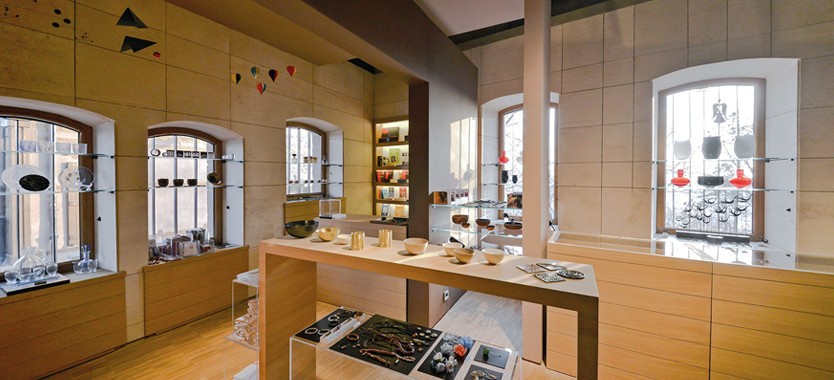
visitors of all ages, a museum shop that features original designs, a cafe
where visitors can rest, and a library that will be accessible to researchers
upon completion.
The Erimtan Archaeology and Arts Museum collection is a special
archaeology collection featuring two thousand movable works, most of which have
their origins in Anatolia. The collection was born when Yüksel Erimtan
purchased his first Roman ring stones in 1960, and expanded over time with
advice from expert archeologists. The collection, which covers the period of
time from 3000 B.C. up until the Byzantine Empire, includes works that belong
to civilizations such as the Hittites, Urartu, Assyrians, Achaemenids, and
Byzantines.
The majority of the works in the collection are comprised of
finds from the Late Hellenistic and Roman Ages. These finds include bowls,
jugs, cups, measuring cups, rings, glass cups, perfume bottles, ring stones
engraved with seals, tweezers, golden crowns, jewellery, mirrors, glass mixing
sticks, and many gold, silver, and bronze coins.
The works in the museum collection not only emphasize the
cultural legacy of the Anatolian landscape, but have also been brought together
in a way that presents the viewer with unconventional exhibition methods that
highlight the visual value of the works, while allowing viewers to draw
parallels between the works and elements from their contemporary daily lives.
Ceramic Works
Ceramics entered daily life in the Near
East starting in 7000 B.C. for storage, cooking, and transportation purposes,
and spread rapidly thanks to its ease of production and resistance
to heat. The sturdiness of ceramic has allowed many works to be preserved until
today. Among works that inform us about the economic, political, social and
cultural advancements of the society in which they were used are beak-mouthed
ceramic pitchers that are characteristic of the Anatolian Bronze Age, pots and
pans from East Anatolia Van-Urmia and Urartu, and Proto-Geometric embellished
ceramics from Cyprus and Western Europ
Works in Glass
The Erimtan Archaeology and Arts Museum
collection contains 273 works made of glass. The pieces in the collection were
produced using free-blowing and mold-blowing techniques between the 1st and 3rd
centuries B.C., when Anatolia was under Roman rule. The biggest part of the
collection is comprised of small scent containers or perfume bottles that were
placed as gifts inside Roman graves, as part of a widespread tradition
Works in Bronze
Among the 364 bronze works in the
collection that range from the Old Bronze Age until the Byzantine Period are
war tools like spears, arrowheads, and axes; jewellery such as bracelets,
rings, armbands, neck pieces, belts, pins and fibula; quotidian tools such as
oil lamps, crosses, mirrors, tweezers, strigils, swings, and bowls, as well as
pieces like rhytons and devotional placards used during religious ceremonies
Ring Stones
The Erimtan Archaeology and Arts Museum
collection features 176 seal stones and 92 rings. The seal rings, which include
detailed embellishments carved with expert craftsmanship onto small,
semi-precious stones, were used as personal seals. The seal rings, which make
up a special group within the larger collection, represent the finest samples
of the art of glyptics.
Coins
The Erimtan Archaeology and Arts Museum
collection holds 563 coins. Coins are created by minting metals like gold,
silver, and copper and carry the official stamp of the ruling political power.
80 of the coins in the collection are gold, while the rest are silver, bronze,
and gold-silver alloys. Majority of the coins belong to the Hellenistic, Roman
and Byzantine Periods.
Jewellery
The jewellery within the Erimtan collection are grouped into grave goods, necklaces, pendants, bracelets, rings, earrings, armbands, and pins. Majority of the jewellery in the collection belong the Roman Age.