
Kuva-yi Milliye Museum
Europe, Turkey
Museum Information
Opening Hours
08:30 – 17:30
Open Days
About Kuva-yi Milliye Museum
Before becoming the Kuva-yi Milliye Museum, the building
served as the Balıkesir Municipality. Originally constructed in 1840 as the
residence of Mehmet Pasha, the treasurer of the Karesi Sanjak, the mansion
burned down in the late 1800s. It was later rebuilt by his grandson, Halit
Pasha, and played a significant role during the Turkish War of Independence.
Following the occupation of İzmir on 15 May 1919,
Balıkesir residents gathered here on 16 May 1919 and made the historic decision
to begin armed resistance—marking the birthplace of the Kuva-yi Milliye
movement. For many years, the building served as the headquarters of the 2nd
Army Corps and Commander Ali Hikmet Pasha. It was also the working center of
the Northern İzmir Front Committee.
Within the mansion complex stands another historic
structure, first opened as the “Reading Hall” in 1913 and later repurposed as
the “Library of National Struggle History” on 18 May 1998. During his first
visit to Balıkesir on 6 February 1923, Mustafa Kemal Atatürk also stayed in
this building.
Kuva-yi Milliye Museum
The process of transforming the former municipality
building into a museum began in 1985–1986 through municipal initiatives. The
lifelong usage rights of the building were transferred to the Ministry of
Culture and Tourism, General Directorate of Antiquities and Museums, through a
protocol signed between the Governorship of Balıkesir and the Municipality.
After the establishment of the Museum Directorate in
1987, restoration efforts accelerated, and once the collection was completed,
the museum officially opened to visitors on 6 September 1996.
The Kuva-yi Milliye Museum consists of two sections.
- On the 120 m² ground floor, visitors can view
written decisions made by the 41 prominent figures who led the Kuva-yi
Milliye movement in Balıkesir, congress resolutions, personal belongings
of these heroes, their photographs, as well as photographs of Atatürk’s
visits to Balıkesir.
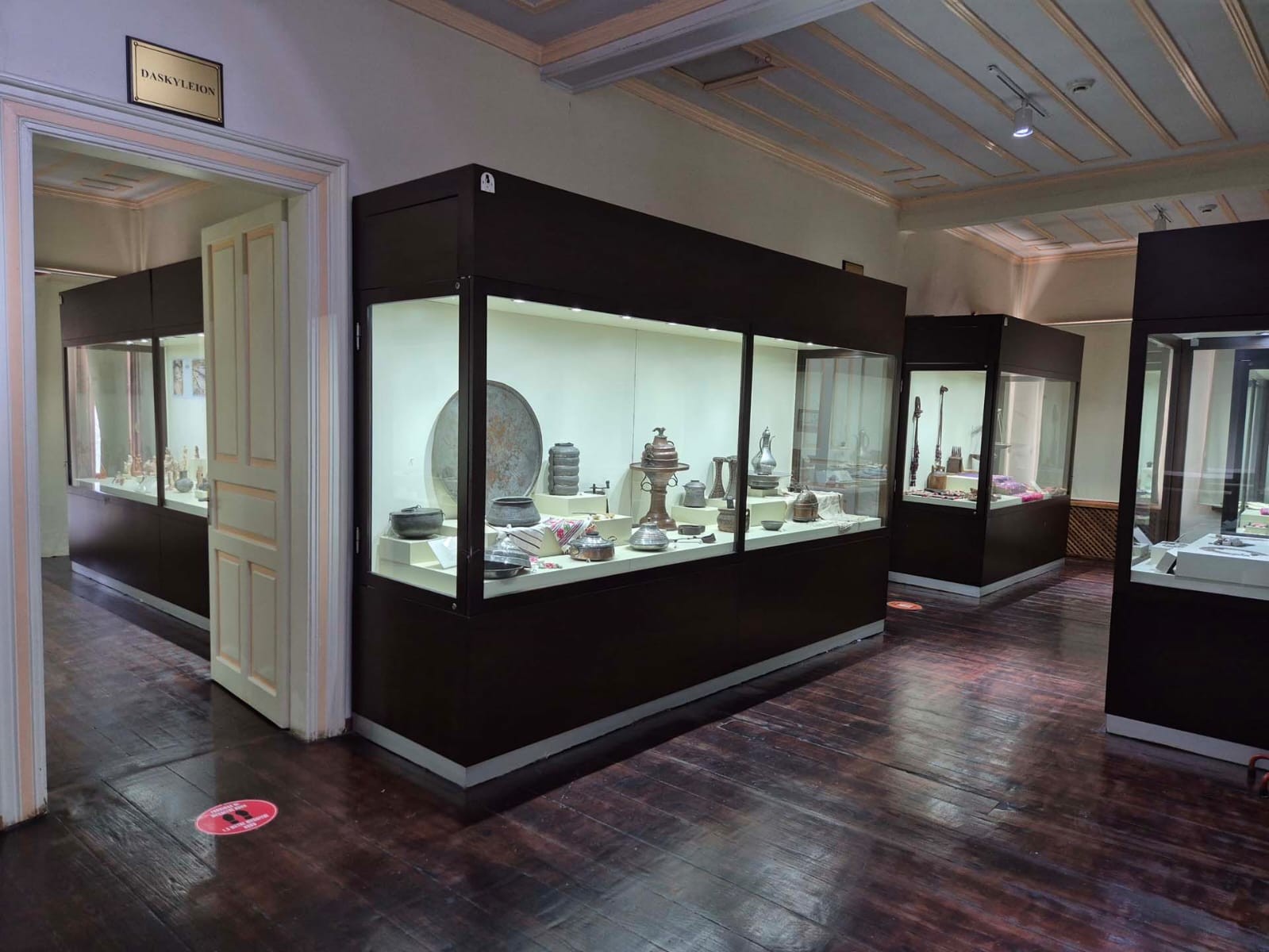
- On the 120 m² upper floor, archaeological and
ethnographic artifacts unearthed in the Balıkesir region are displayed.
The museum stands today as one of Balıkesir’s most
significant cultural landmarks, preserving the memory of the National Struggle
and the spirit of independence that shaped the region.