
Rákóczi Museum
Europe, Turkey
 1 / 10
Museum Information
Open Days
About Rákóczi Museum
Rakoczi
Museum – Tekirdağ
Rakoczi’s
War of Independence (1703–1711)
The
Hungarian
Prince II. Francis (Ferenc) Rakoczi lived in a house at No.
32 Barbaros Street, Ertuğrul Quarter, Tekirdağ for 15
years (1720–1735). This residence was later purchased by the Hungarian
Government in 1932 and converted into a museum.
The
Rakoczi
family was among the wealthiest landowners in Hungary at the
beginning of the 17th century, and three family members ascended the throne of Transylvania
under Ottoman protection. Born in 1676, Ferenc Rakoczi led the
Hungarian uprising against Austrian rule, becoming Prince of
Transylvania in 1704 and later declared sovereign in 1705.
However, his struggle for independence ended in failure against the Austrian
occupation.
After
spending time in Poland and France, Rakoczi sought refuge
in the Ottoman
Empire in 1717. Sultan Ahmed III provided him
with a house in Tekirdağ, where he lived in safety until his death in 1735.
Rakoczi’s
Residence in Tekirdağ
Rakoczi and his followers originally lived in 24
houses close to each other in Tekirdağ. Over time, these homes
were joined together to form a large mansion complex.
Today, the only
surviving section is the dining hall.
After his death, there were plans to build a Rakoczi
Museum in Hungary, and for that purpose, the decorations,
interior furnishings, and even Rakoczi’s ashes were taken back to Hungary.
However, due to the First and Second World Wars,
the museum project in Hungary could not be realized.
As a result, in 1931–1932, the Hungarian
Government restored the Tekirdağ residence through the work of
a Hungarian architect and converted it into a museum. Later, during the 1981–1982
restoration, replicas of the dining hall reliefs—previously
removed—were prepared and placed back in their original positions.
At the entrance of the museum, inscriptions in Turkish
and Hungarian explain the purpose of the restoration.
Exhibits
and Collections
Inside the Rakoczi Museum, visitors can explore:
·
A
large
oil painting of Prince Rakoczi in the entrance hall
·
Objects and
belongings
used during his lifetime
·
Documents relating to
his exile and leadership
·
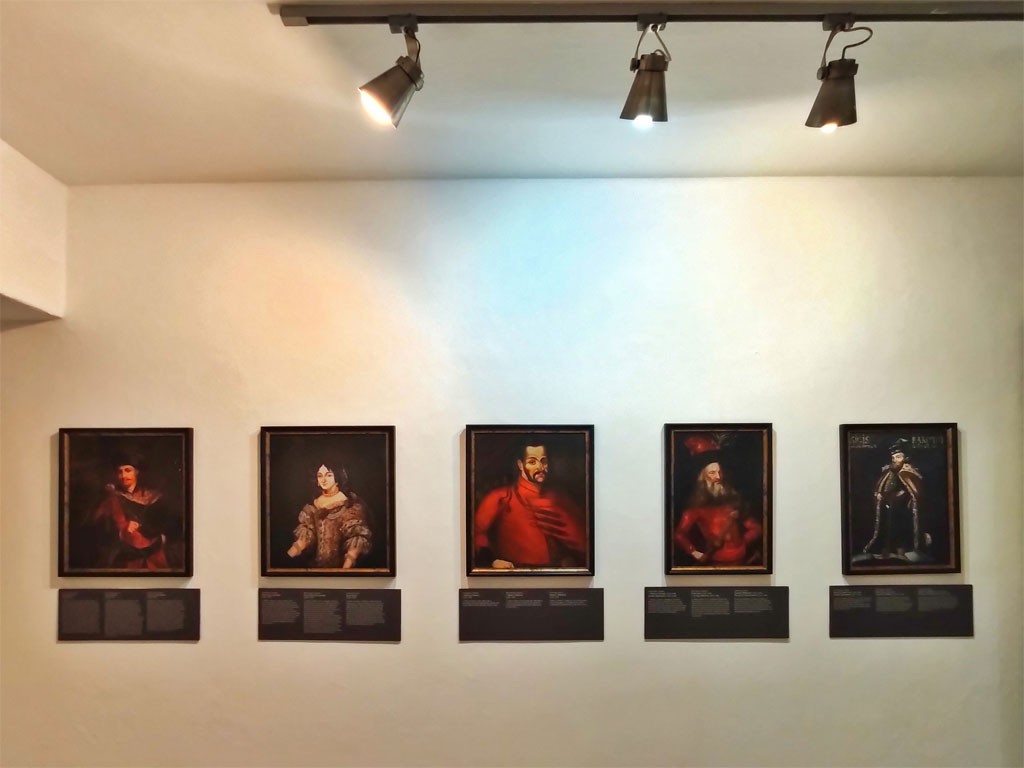
On
the upper floor, oil paintings of Rakoczi’s comrades who
fought with him in Hungary’s War of Independence
Cultural
Importance
The Rakoczi Museum is
considered both a symbol of Turkish-Hungarian friendship
and a rare surviving example of a traditional Ottoman-era Tekirdağ house.
Notable Quote
"My aim is to
bring my country back to full happiness in the shortest possible time." – Ferenc
Rakoczi
✨ Visiting the Rakoczi Museum in
Tekirdağ offers both a journey into 18th-century Hungarian history and an
architectural glimpse into Ottoman-era domestic life.