
-high.jpg&w=1920&q=75 "4 Days Belgrade City Tour")
Free Cancellation
-high.jpg&w=1920&q=75 "8 Days Belgrade City Tour")
-high.jpg&w=1920&q=75 "6 Days Belgrade City Tour")
-high.jpg&w=1920&q=75 "3 Days Belgrade City Tour")
-high.jpg&w=1920&q=75 "13 Days Yugoslavia Long Tour")
-high.jpg&w=1920&q=75 "7 Days Belgrade Zlatibor Montenegro Tour")
---272-ft-length-%26-30-ft-wide-high.jpg&w=1920&q=75 "Balkan Experience – 7 countries in 14 days")
-high.jpg&w=1920&q=75 "Balkan Big Tour: seven countries in three weeks")
-high.jpg&w=1920&q=75 "Castles & Capitals: Serbia, Hungary, Romania and Bulgaria in two weeks")
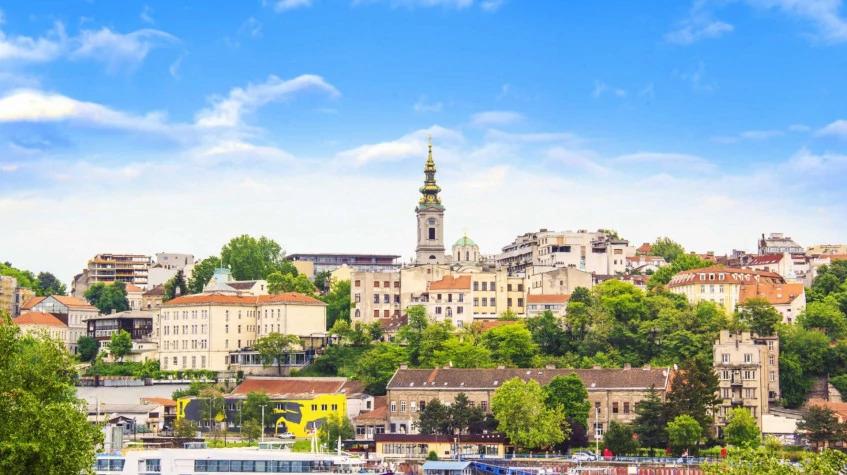
Belgrade sits where the Sava River meets the Danube, a position that has made it a target for armies for more than two thousand years and shaped the mixed architecture visible across the city today. Archaeological finds trace settlement here back to Celtic and Roman times, when the Romans called the site Singidunum, and by some counts the city has been destroyed and rebuilt more than forty times since. Serbia's capital still carries traces of Roman, Ottoman, Austro-Hungarian and socialist rule side by side.
This layered history is easiest to see on foot, and most Serbia tours built around Belgrade combine walking routes through the old town with a boat trip on the rivers that define the city's shape. Belgrade Tours range from half-day orientation walks to multi-day itineraries that pair the capital with other Serbian destinations, and longer circuits frequently continue to Serbia's monasteries, national parks or the Danube's Iron Gates gorge further east.
Kalemegdan Fortress overlooks the point where the Sava empties into the Danube, and its grounds hold the remains of Roman, Ottoman and Austro-Hungarian fortifications built up over centuries. The complex now doubles as Belgrade's largest park, with walking paths, an open-air military museum and views across the water to Novi Beograd on the opposite bank. Artillery pieces, tanks and other hardware line the fortress paths as part of the museum display, spanning different eras of Serbian and Yugoslav history. Sunset draws many visitors to the fortress walls for the view alone.
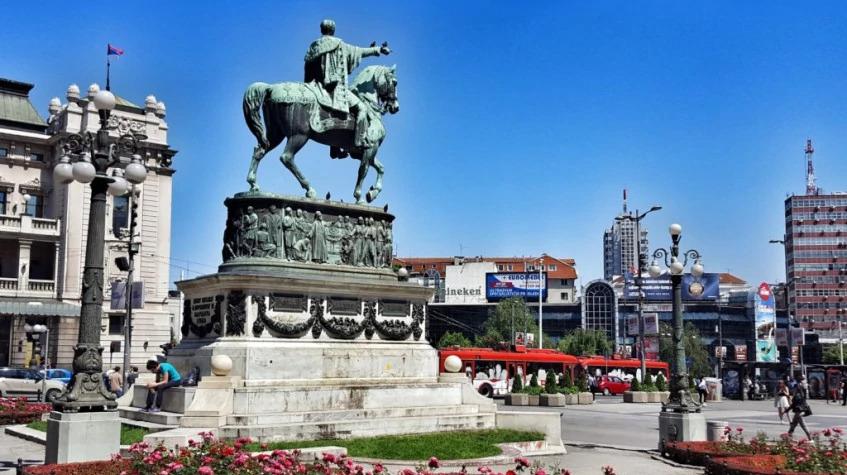
Skadarlija, the city's former bohemian quarter, keeps its 19th-century cobblestones and gas lamps largely intact. Traditional kafanas along the street serve Serbian food with live accordion and violin music most evenings, a format that has drawn writers, actors and musicians here since the neighborhood's early days; some of these taverns have operated continuously for more than a century. Republic Square anchors the wider old town nearby, framed by the National Museum, the National Theatre and a statue of Prince Mihailo on horseback that has served as a meeting point for generations of residents. Knez Mihailova, the pedestrian street connecting the square to the fortress, holds most of the city's shopping and outdoor cafes.
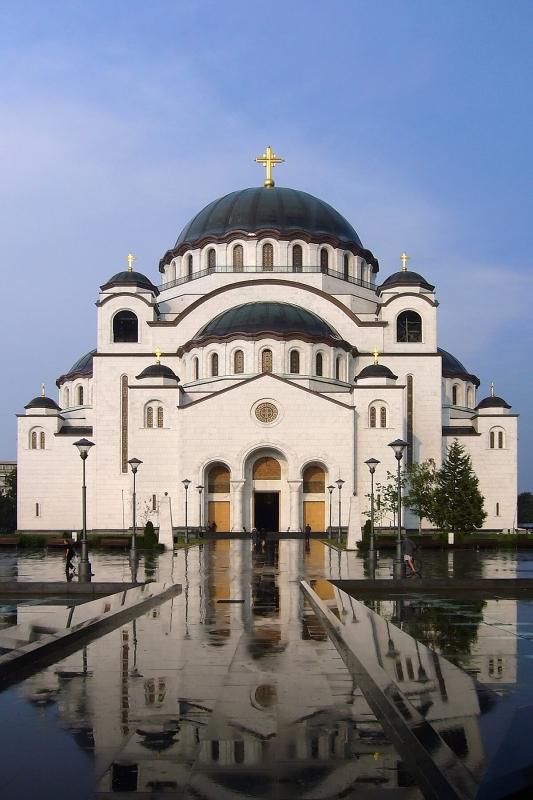
The Nikola Tesla Museum holds the inventor's personal items and papers, along with his ashes, and remains one of the most visited sites in the city. Not far away, the Temple of Saint Sava ranks among the largest Orthodox churches anywhere in the world; construction began in 1935 but was interrupted for decades under socialist rule, resuming in earnest only after 2000, which explains why the interior mosaics are still being completed today. Southwest of the center, the Museum of Yugoslavia houses the mausoleum of Josip Broz Tito, the country's longtime leader, inside a garden pavilion known as the House of Flowers, with a collection of gifts presented to him by foreign leaders during the Cold War.
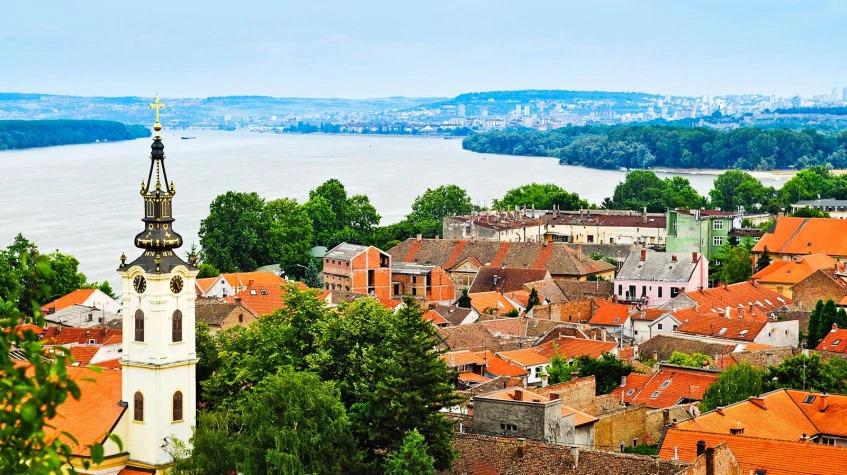
Along the Sava and Danube waterfronts, floating clubs known as splavovi turn the riverbanks into one of Belgrade's main nightlife districts, with menus ranging from casual grill food to full restaurant service before venues switch to dance floors later in the night. Upriver, the former Habsburg town of Zemun keeps a slower pace, its Danube-front promenade lined with fish restaurants and its hilltop Gardoš Tower offering wide views over the water. Zemun remained an independent town until the mid-20th century and still feels distinct from central Belgrade.
Further along the Sava, Ada Ciganlija, a former island connected to the riverbank by an artificial lake in the mid-20th century, functions as Belgrade's main recreational escape during the warmer months. Its lake beach draws large crowds on summer weekends, and the paths circling the water stay busy with runners and cyclists well into the evening, with sports facilities around the lake hosting everything from bungee jumping to organized football. Across the Sava from the old town, the socialist-era district of Novi Beograd contrasts sharply with the older architecture on the opposite bank, its wide boulevards and large residential blocks offering a practical look at the city's more recent history for visitors who venture beyond the fortress.
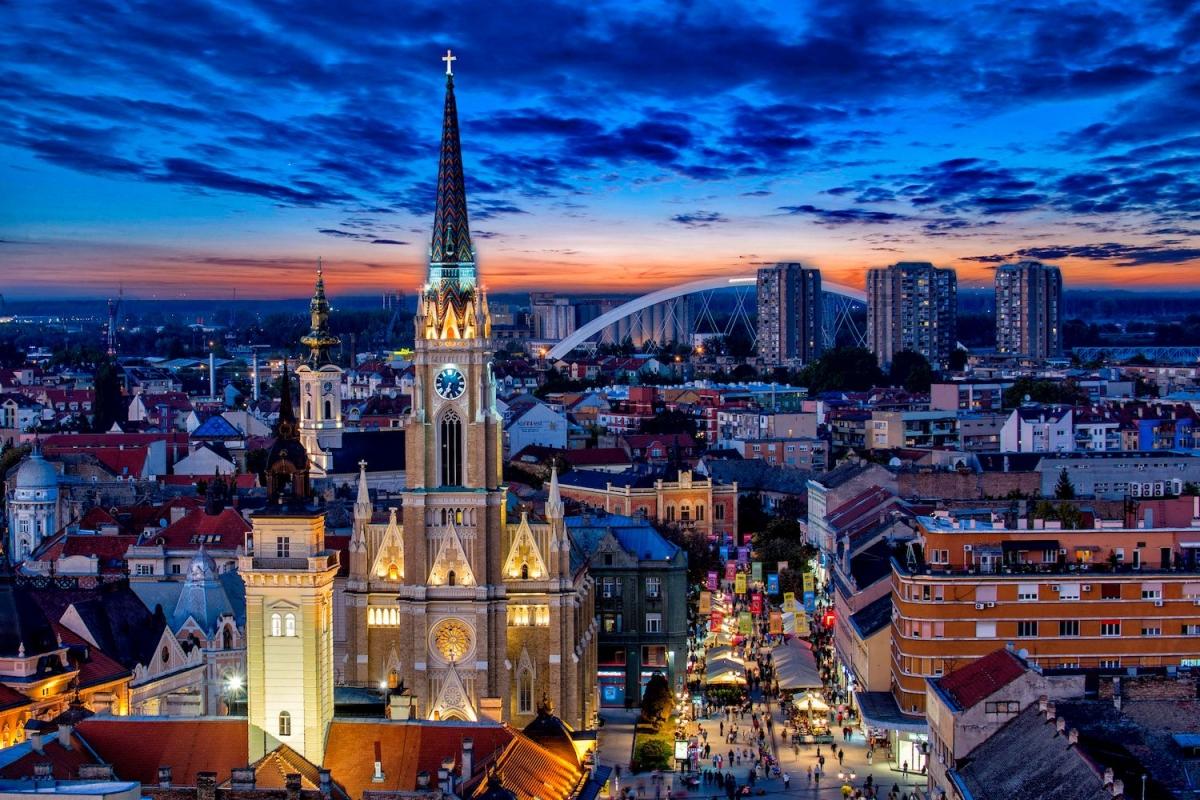
A short trip such as the 4 Days Belgrade City Tour covers the fortress, the old town and the city's main museums within a compact schedule, which suits travelers arriving on a limited timeframe. Longer circuits often extend north to Novi Sad or south into central Serbia, pairing Belgrade's urban sights with the country's wine regions and monasteries. Serbian cuisine plays a large role in a Belgrade visit as well, from grilled cevapi and burek pastries sold at bakeries throughout the day to rakija, the fruit brandy typically offered as a welcome drink in restaurants and homes alike.
Public transport in Belgrade covers most of the city center, though many visitors prefer a guide for the fortress and old town given how much history is packed into a small area. Taxis and ride-hailing apps are inexpensive and widely used for reaching sites outside the walkable center, including the Museum of Yugoslavia, Ada Ciganlija and the airport. English is widely understood in hotels, restaurants and tourist sites, though street signage and menus outside the main visitor areas are still often Serbian only. Winters can be cold and summers hot, so spring and early autumn tend to offer the most comfortable conditions for walking tours.