

Free Cancellation
-high.jpg&w=1920&q=75 "4 Days Seoul City Package Tour from South Korea")
-high.jpg&w=1920&q=75 "11 Days South Korea Tour")
-high.jpg&w=1920&q=75 "Seoul + Busan Package (4 Nights / 5 Days)")
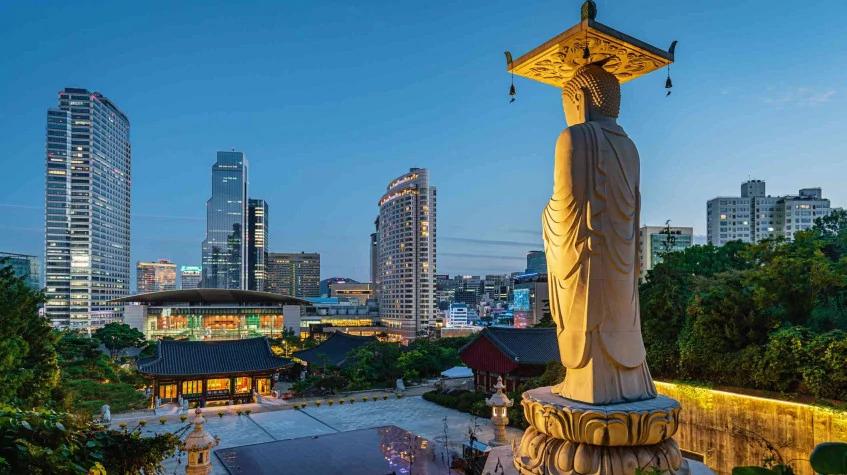
Seoul is South Korea's capital and the anchor of most itineraries in the country, a city of over nine million people where five hundred year old palace gates sit a few blocks from glass office towers and neon shopping streets. Travelers exploring South Korea tours almost always build in several days here, since Seoul connects easily by train to the rest of the peninsula while still offering enough within the city itself to fill a full week. Landmarks from the Joseon dynasty, founded in 1392, still anchor the map even as skyscrapers and subway lines have filled in around them over the decades since.
The city sits on the Han River in the country's northwest, close enough to the border with North Korea that a DMZ day trip is a common addition to a Seoul stay. Winters run cold and dry, summers turn hot and humid, and spring brings mild air and cherry blossoms that make it one of the more crowded seasons for visitors.
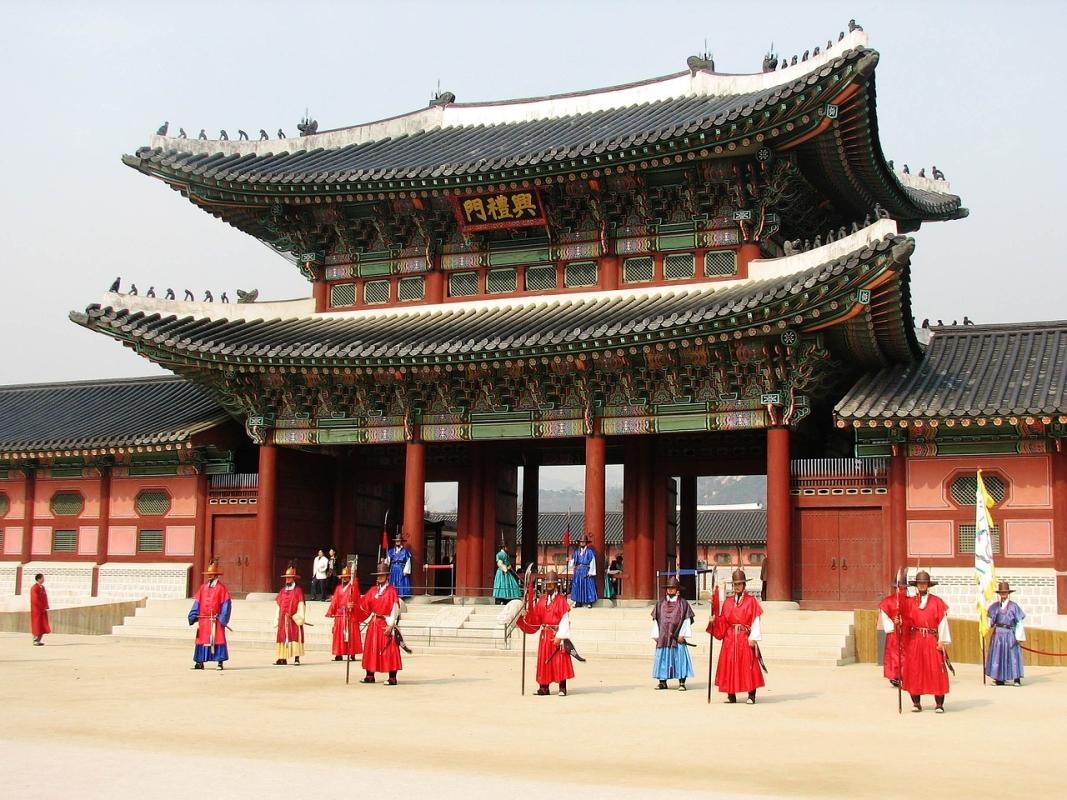
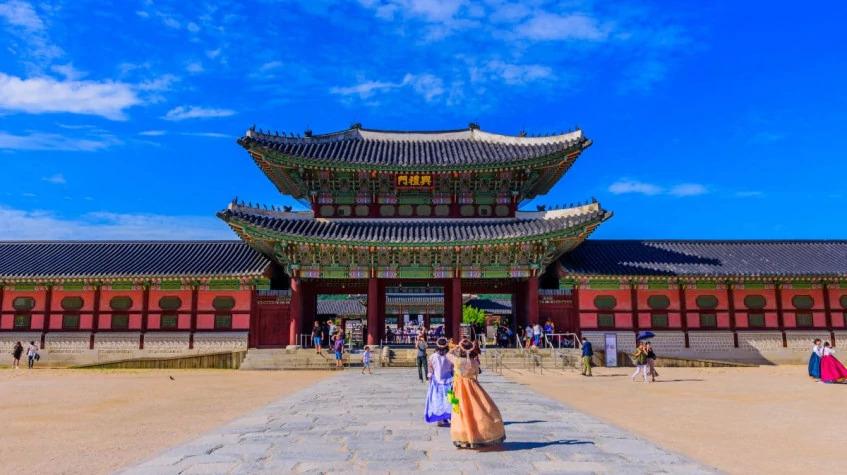
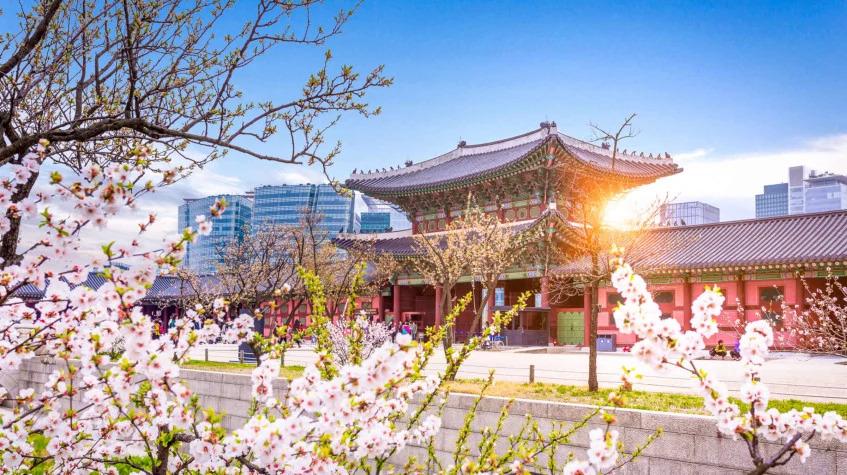
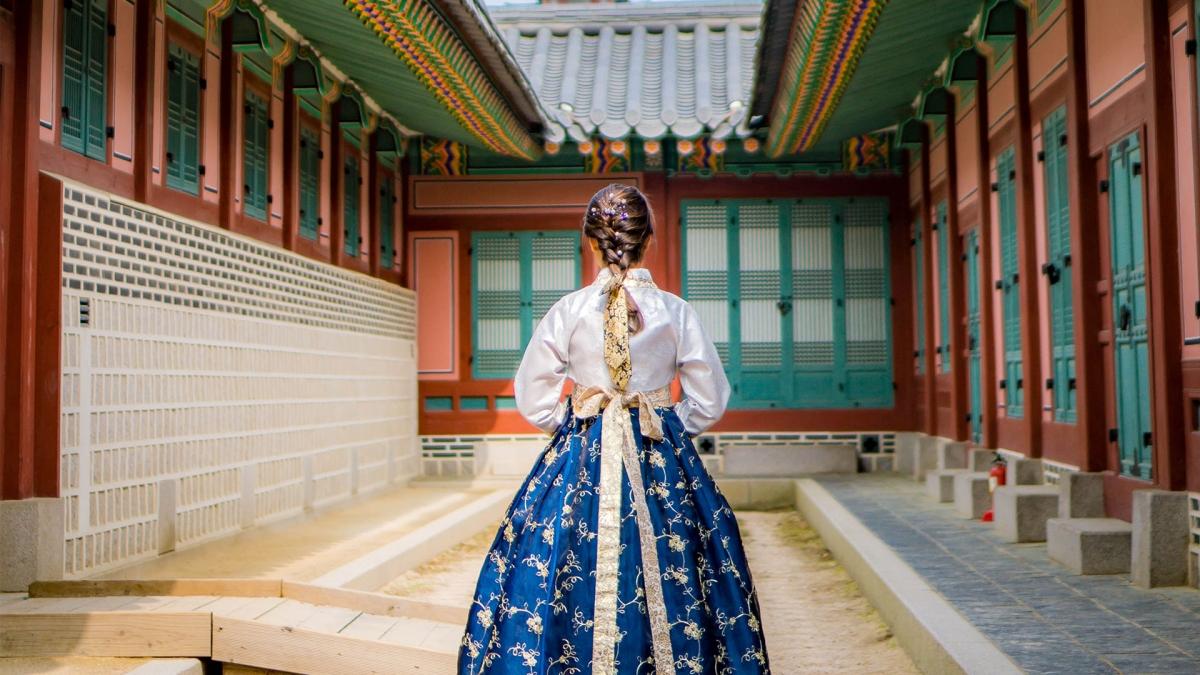
Gyeongbokgung, the largest of Seoul's five Joseon dynasty palaces, anchors the historic core with its throne hall, a changing of the guard ceremony at the main gate, and the National Folk Museum on its grounds. Changdeokgung, recognized as a UNESCO World Heritage Site, is known for the Huwon rear garden, a landscaped retreat once reserved for the royal family and still limited to guided entry. Deoksugung, smaller and less visited than the other two, mixes traditional Korean halls with a stone Western style building from the early twentieth century.
Bukchon Hanok Village, set on a hillside between Gyeongbokgung and Changdeokgung, preserves narrow lanes of traditional wooden hanok houses, many still lived in, within walking distance of downtown traffic. Insadong, just to the south, specializes in antiques, tea houses and traditional crafts, offering a quieter counterpoint to the digital billboards of Gangnam across the river. Jongmyo Shrine, where memorial rites for the Joseon royal family are still performed each spring, sits nearby and adds a working religious site to the palace circuit. The National Museum of Korea, one of the larger museums in Asia by collection size, and the nearby War Memorial of Korea add further historical depth beyond the palace grounds, covering both the country's ancient past and its twentieth century conflicts.
Myeongdong and Hongdae draw crowds for shopping, street food and nightlife, while Dongdaemun stays open into the early hours for wholesale and retail fashion. Gangnam, south of the river, is built around a different scale entirely, with department stores, entertainment offices and the kind of streets that shaped Seoul's reputation as a center of Korean pop culture. Itaewon, historically the city's most international neighborhood, adds a mix of foreign restaurants and bars not found in the same concentration elsewhere in Seoul. Yeouido, the island district built around the National Assembly, adds a business district and a cherry blossom park scene distinct from the neighborhoods further east.
Gwangjang Market combines generations old textile stalls with some of the city's most established street food vendors, serving dishes like bindaetteok and mayak gimbap to standing crowds. Coffee culture runs deep here too, with independent cafes packed into nearly every commercial block and entire neighborhoods, like Seongsu, rebuilt around converted warehouses and design studios. Late at night, gukbap houses and pojangmacha street tents keep parts of the city fed well past midnight. K-pop's global rise has added its own layer of tourism, from shops near entertainment agency offices in Apgujeong to fan gatherings around Hongdae's street performances, and Lotte World Tower gives a further vantage point over the Han River from its observation deck.
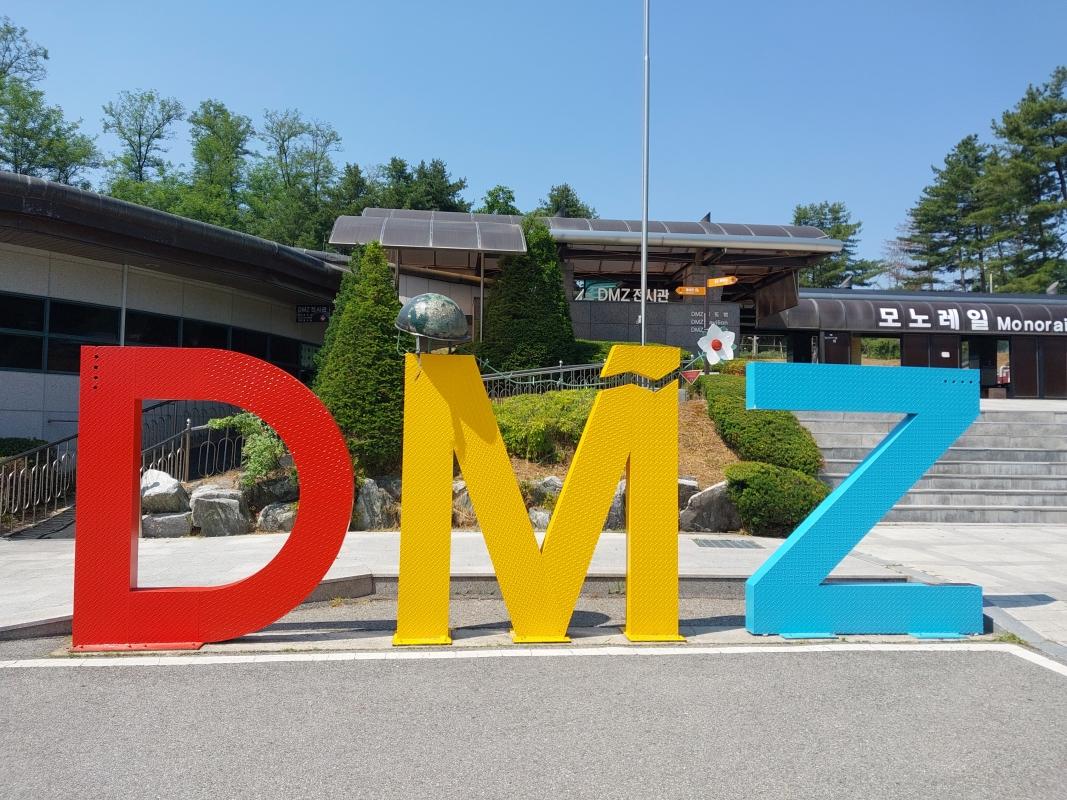
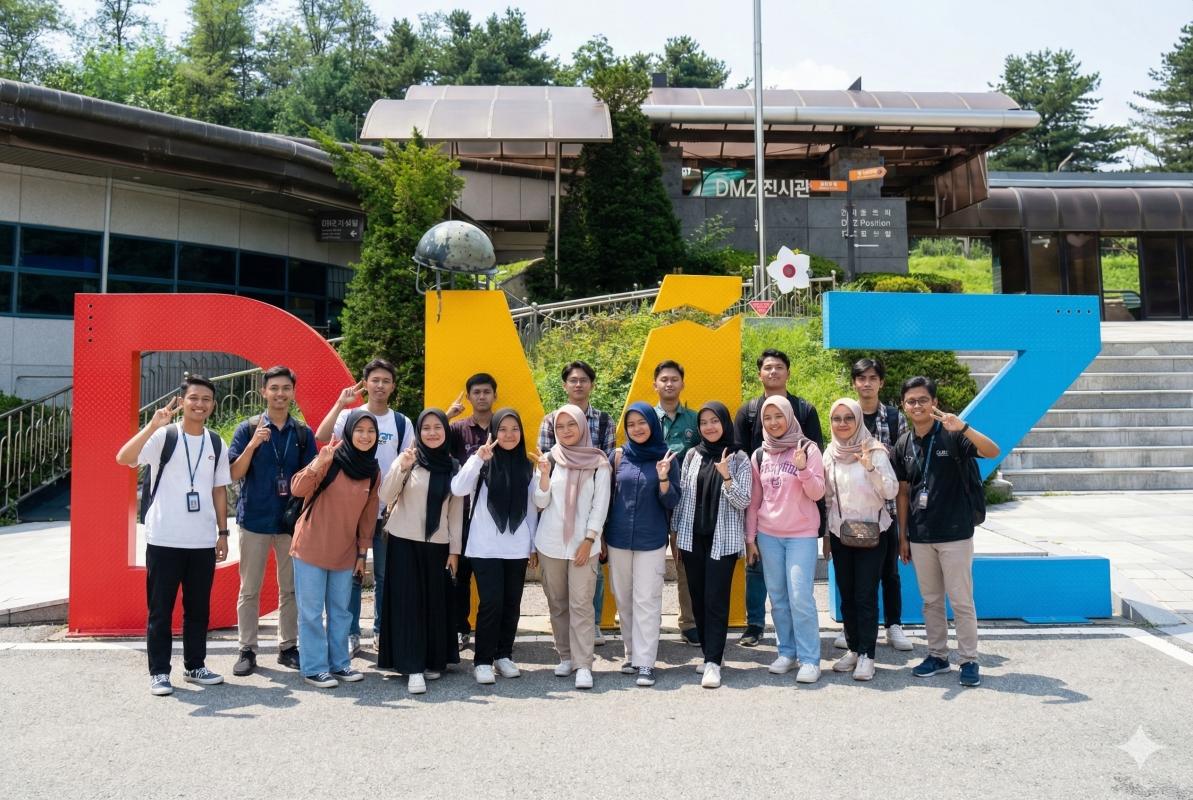
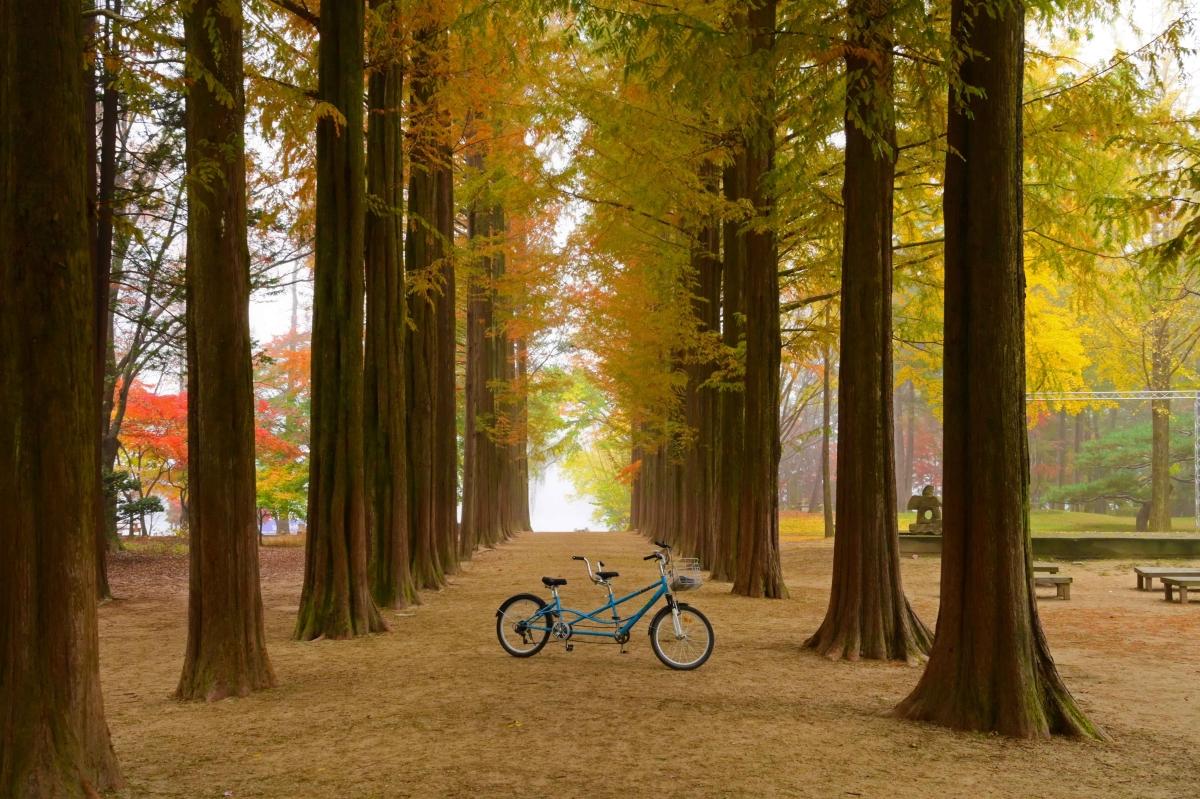
The Demilitarized Zone, roughly an hour from central Seoul, is one of the most requested half or full day excursions from the city, taking visitors to observation points and infiltration tunnels along the world's most heavily fortified border. Nearby alternatives for a lighter day out include the Korean Folk Village, a living museum of traditional rural life south of the city, and the river island of Nami. Suwon, home to the walled Hwaseong Fortress, is also within easy reach by train for those adding a second historic city to a Seoul base. Ganghwa Island, with its dolmens and fortress remains, is a quieter option for travelers who have already covered the DMZ and want a different kind of history stop.
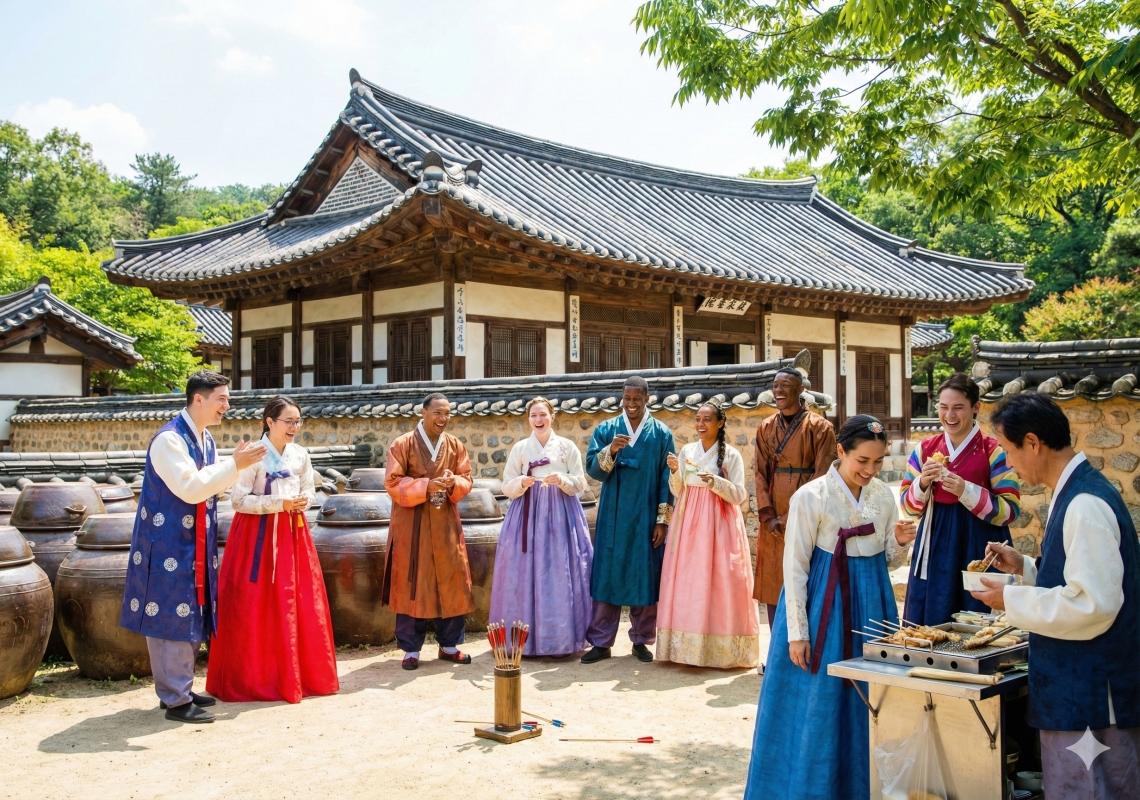
Travelers who want the palaces, markets and river views covered without planning each stop separately can book a structured itinerary such as the 4 Days Seoul City Package Tour from South Korea, which groups the city's main sights into a fixed schedule for those who prefer a set plan over independent sightseeing. Package tours like this suit first time visitors especially well, since Seoul's public transit is easy to use but the distances between palaces, markets and viewpoints can still eat up a lot of unplanned time.
Spring, from April to May, and fall, from September to November, bring the mildest temperatures and the clearest skies for walking between palaces and neighborhoods. Summer turns hot and humid with a monsoon season through July, while winter grows cold enough for occasional snow, though palace grounds and markets stay open through the season regardless of temperature. Layered clothing works well for the shoulder seasons, since mornings and evenings can run noticeably cooler than midday even when the daytime forecast looks mild.