
-high.jpg&w=1920&q=75 "7 Day Family-Friendly Ashgabat Tour – Culture, Nissa, Kow-Ata & Akhal-Teke Horses")
Turkmenistan Ashgabat Tours
100+ tours & activities
Free Cancellation
14 Day Turkmenistan Uzbekistan combined tour
-high.jpg&w=1920&q=75 "6 Day Navrouz Festival Tour")
Free Cancellation
6 Day Navrouz Festival Tour
Free Cancellation
6 Days 5 nights New Year's Voyage in Karakum Caravan Turkmenistan
-high.jpg&w=1920&q=75 "4-Day Tour through the Untamed Beauty of Ashgabat and Darvaza")
Free Cancellation
4-Day Tour through the Untamed Beauty of Ashgabat and Darvaza
Free Cancellation
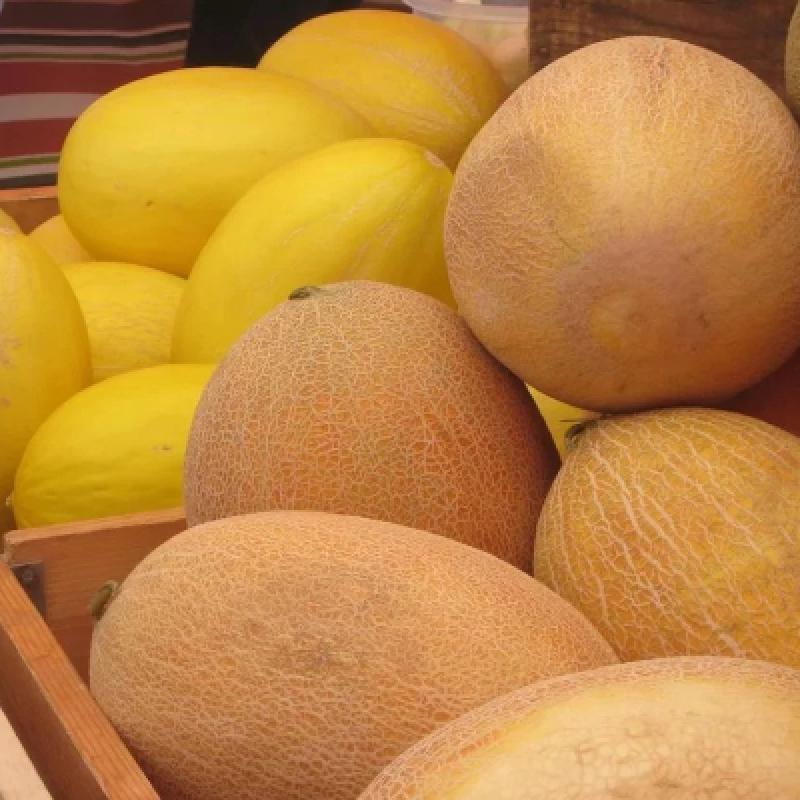
”Melon Day” Festival tour 4 days 3 nights
Free Cancellation
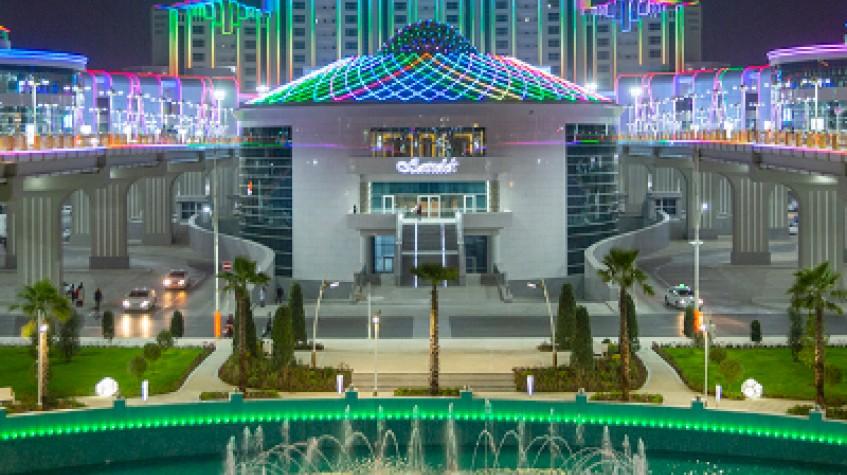
3 Day Turkmenistan Tour Ashgabat and Darvaza Gas Crater Experience
Free Cancellation
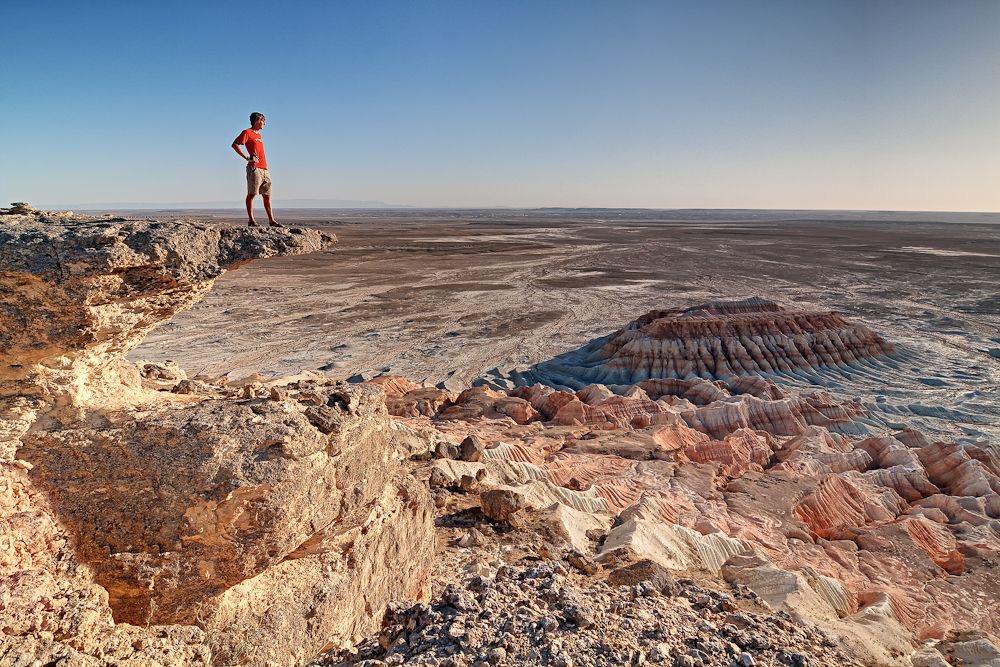
Black Friday Adventure to Turkmenistan
Free Cancellation
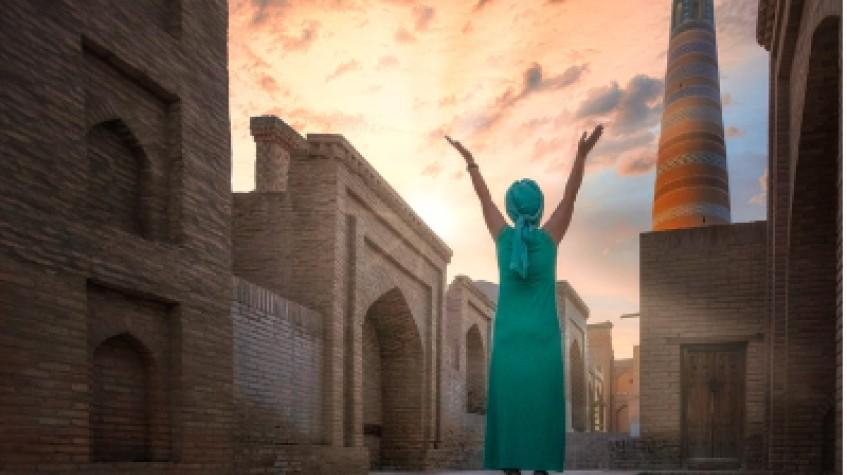
Uzbekistan Turkmenistan Tajikistan (3Stan Tour) 15 Day
Free Cancellation
5 Stans Tour – Central Asia
Free Cancellation
From Farap: Amazing 4-Day Trip in Turkmenistan
Free Cancellation
Turkmenistan Group Trip: Farap - Shavat
Free Cancellation
From Shavat: Amazing 4 Day Trip in Turkmenistan
-high.jpg&w=1920&q=75 "21 Day Central Asia Grand Discovery Tour: Kazakhstan, Kyrgyzstan, Tajikistan, Uzbekistan & Turkmenistan")
-high.jpg&w=1920&q=75 "3 days 2 nights tour Turkmenistan Kunya Urgench – Darvaza – Ashgabat – Mary – Farap Border")
Explore Turkmenistan Ashgabat Tours
About Turkmenistan Ashgabat Tours
Ashgabat is the capital of Turkmenistan, rebuilt almost entirely after a catastrophic earthquake leveled the city in 1948 and transformed again since the 1990s into a showcase of white marble architecture. Visitors touring Turkmenistan typically begin here, since it is the country's main international gateway and the starting point for trips into the Karakum Desert and beyond.
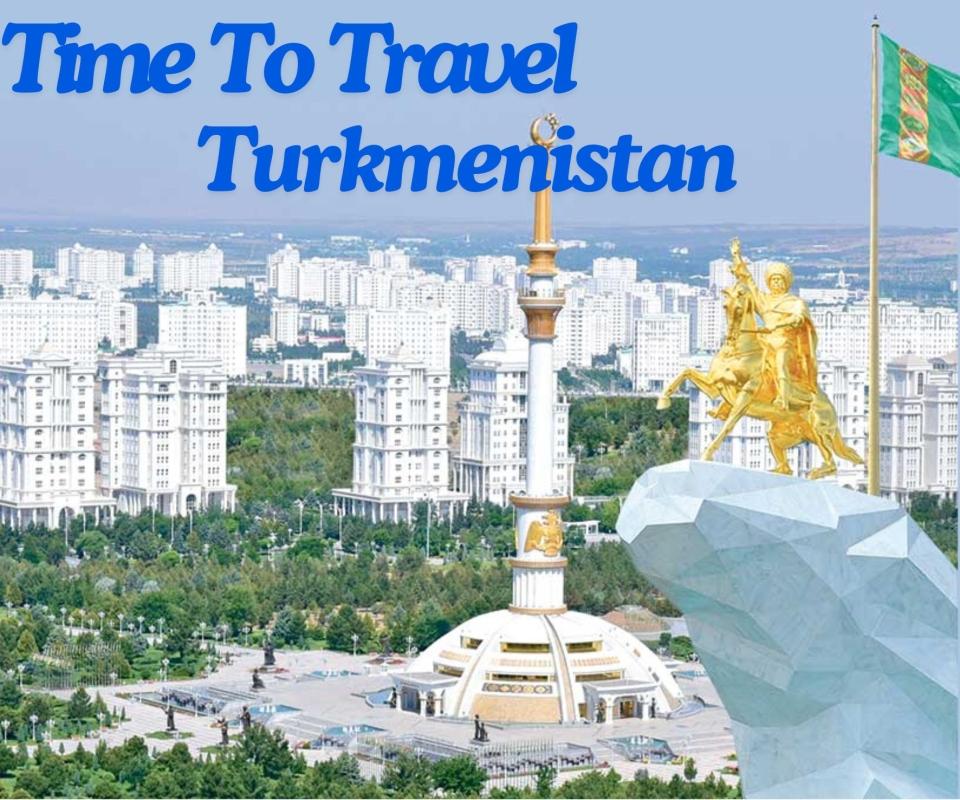
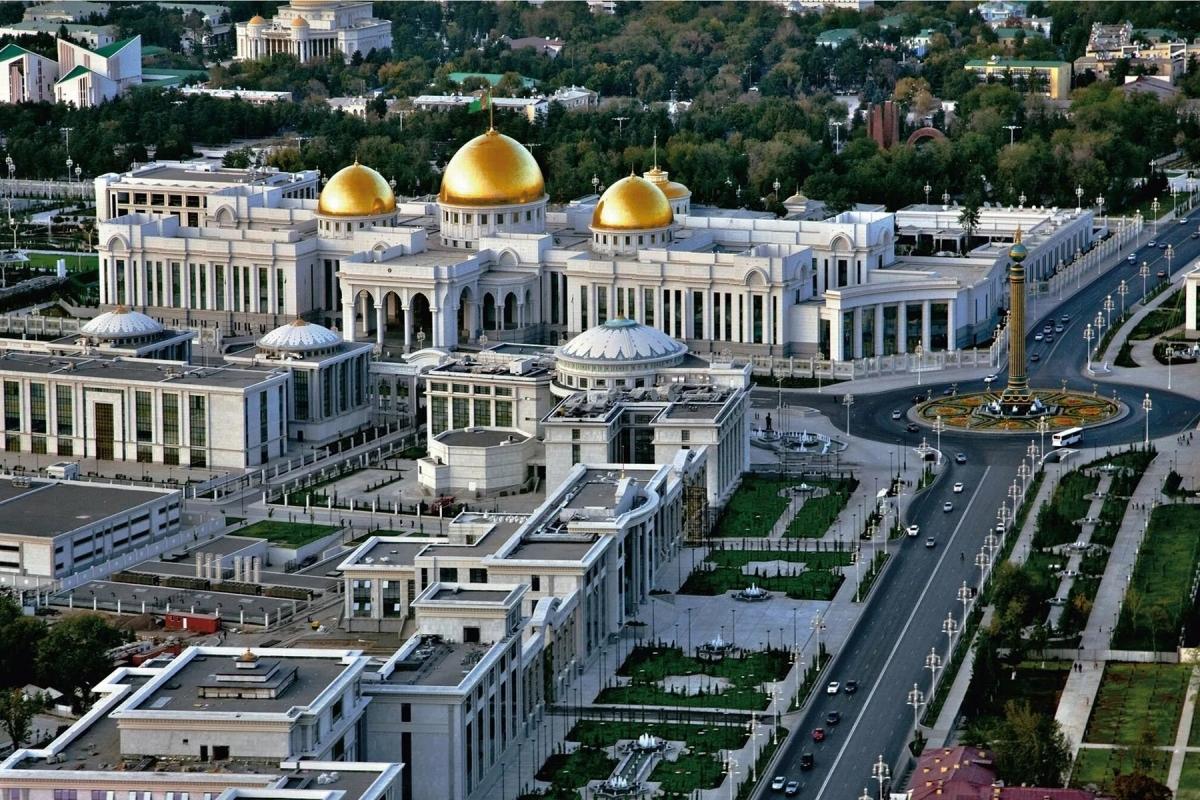
The city holds a Guinness World Record for the highest concentration of white marble-clad buildings anywhere in the world, and the scale of its government buildings, monuments, and boulevards can make Ashgabat feel unlike anywhere else on a Central Asia itinerary. Wide, mostly empty avenues, extensive fountain systems, and gold-topped domes give the capital a distinct, planned character that stands apart from the older cities of Uzbekistan or Turkmenistan's own desert towns.
An Oasis City Rebuilt
Ashgabat began as a Silk Road oasis settlement before Russian forces annexed the area in 1881 and developed it into a garrison and administrative town, later becoming the capital of the Turkmen Soviet Socialist Republic. On the night of October 5, 1948, an earthquake measuring roughly 7.3 destroyed most of the city and killed a large share of its population, a disaster the Soviet government kept largely unreported at the time. Little of the pre-1948 city survived, which is part of why so much of what visitors see today dates from the rebuilding programs of the late twentieth and early twenty-first centuries rather than from any earlier period.
Marble Monuments and Landmark Architecture
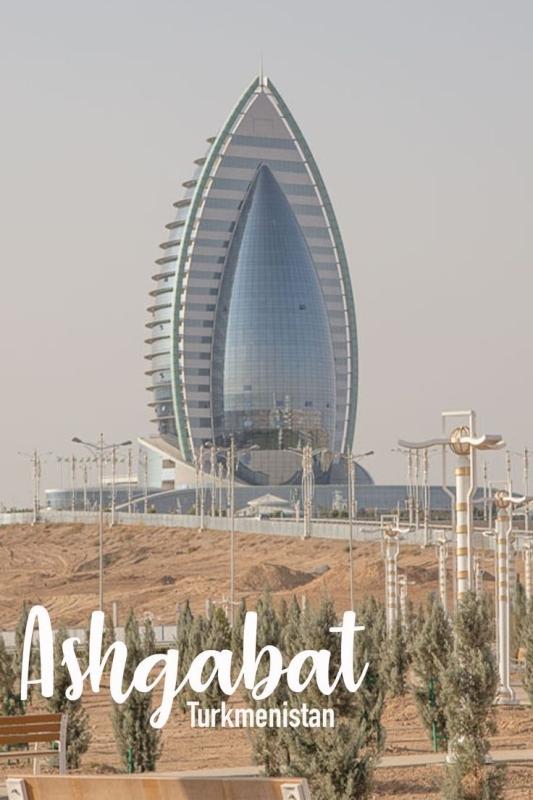
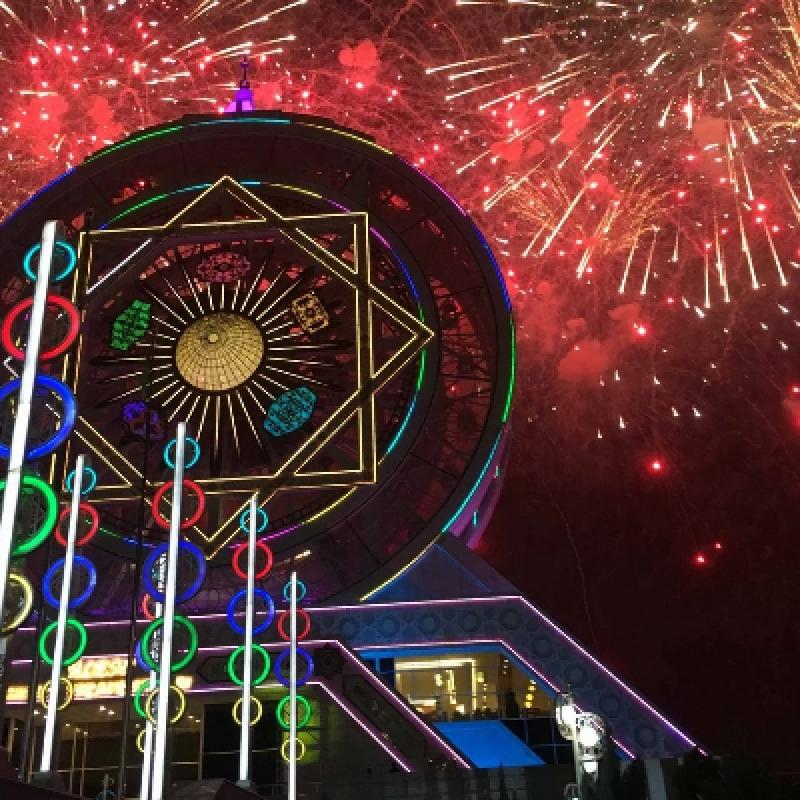
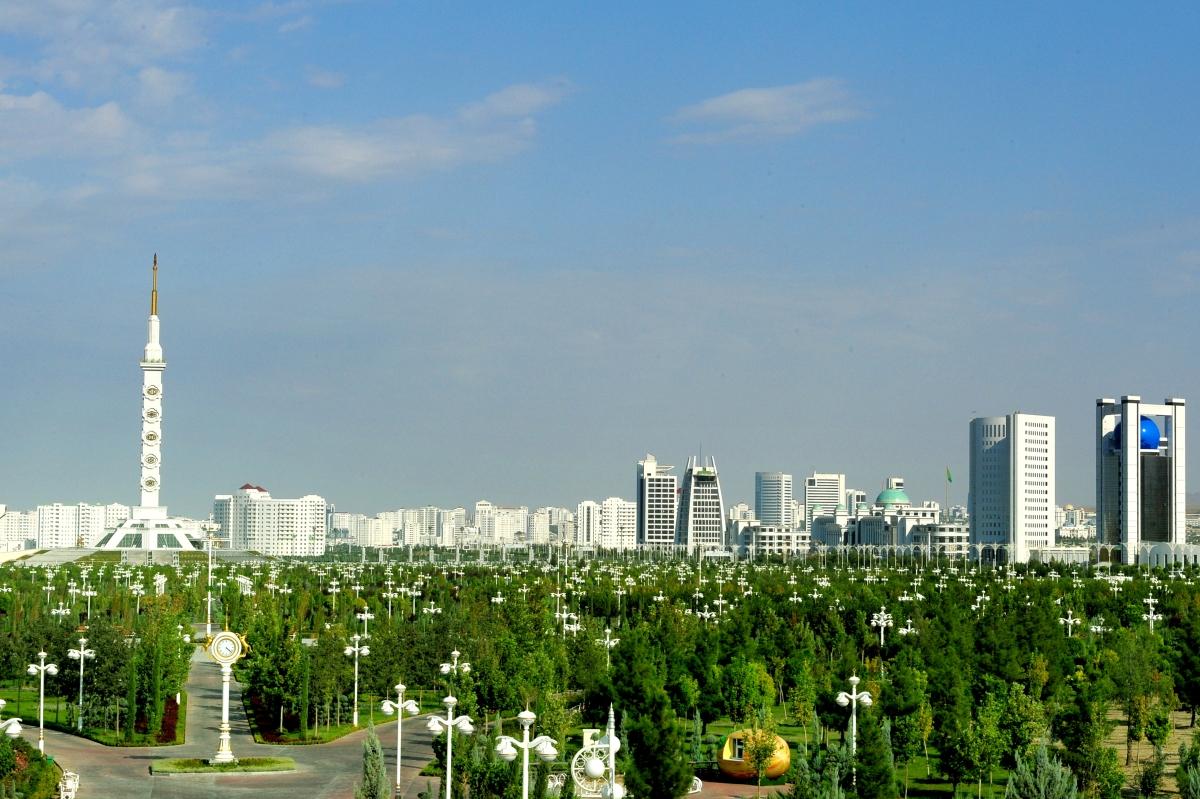
The Independence Monument, a tapering white column topped with a gold crescent and stars, anchors a large park at the southern edge of the city center and marks Turkmenistan's 1991 independence from the Soviet Union. Nearby, the Arch of Neutrality, relocated from its original downtown site, carries a rotating gold statue of the country's first president above the city. The Wedding Palace, a multi-story building shaped like a traditional Turkmen jewelry ornament, is one of the more unusual structures on the skyline and lights up after dark. The Alem Cultural and Entertainment Center, an enormous glass sphere housing a Ferris wheel, is another Guinness-recognized structure, listed as the largest enclosed Ferris wheel in the world.
Markets and Museums
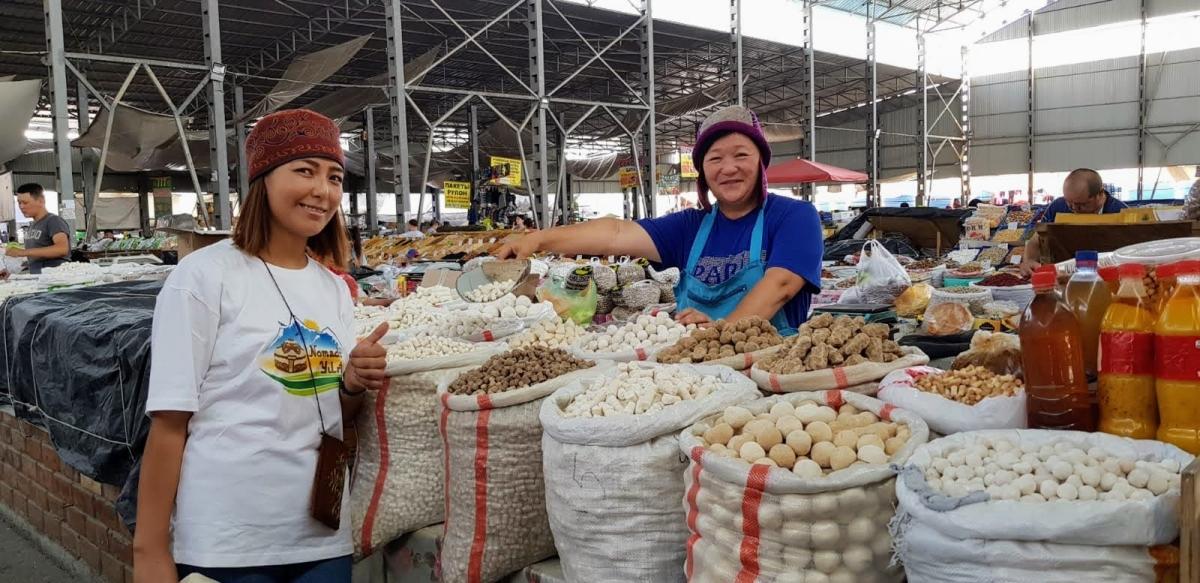
The Tolkuchka Bazaar, now generally known as the Altyn Asyr Bazaar, sits on the outskirts of the city and ranks among the largest markets in Central Asia, selling carpets, livestock, textiles, and household goods across a sprawling open site. Turkmen carpets in particular are a major draw, woven in patterns tied to specific tribal regions and sold alongside sheepskin hats, jewelry, and dried fruit. In the city center, the Ashgabat National Museum holds archaeological finds from across Turkmenistan, including material from the Parthian and Silk Road periods, giving context to the ruins found elsewhere in the country.
Nisa and the Karakum Desert
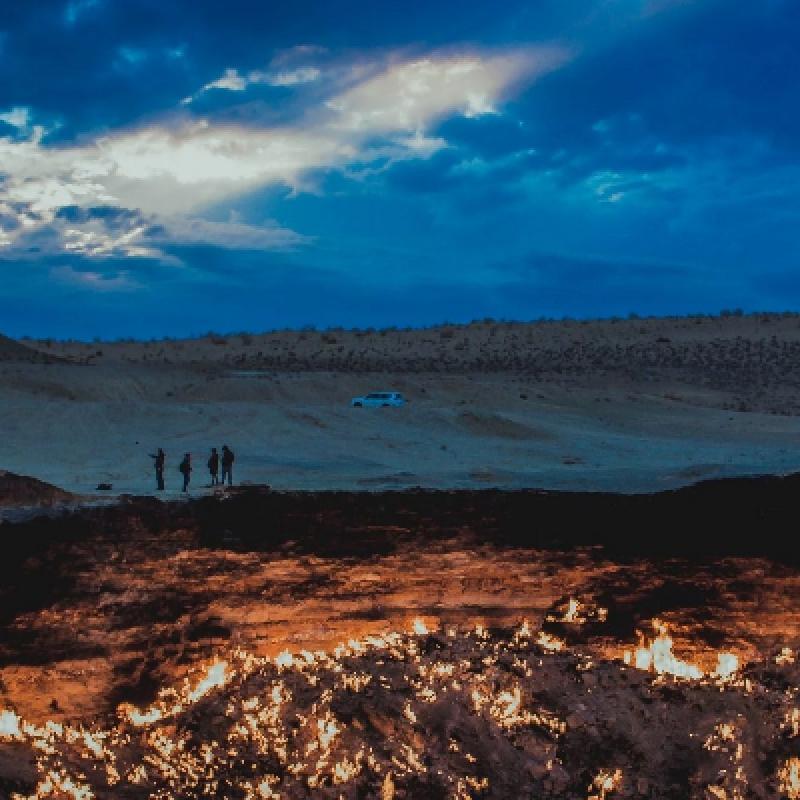
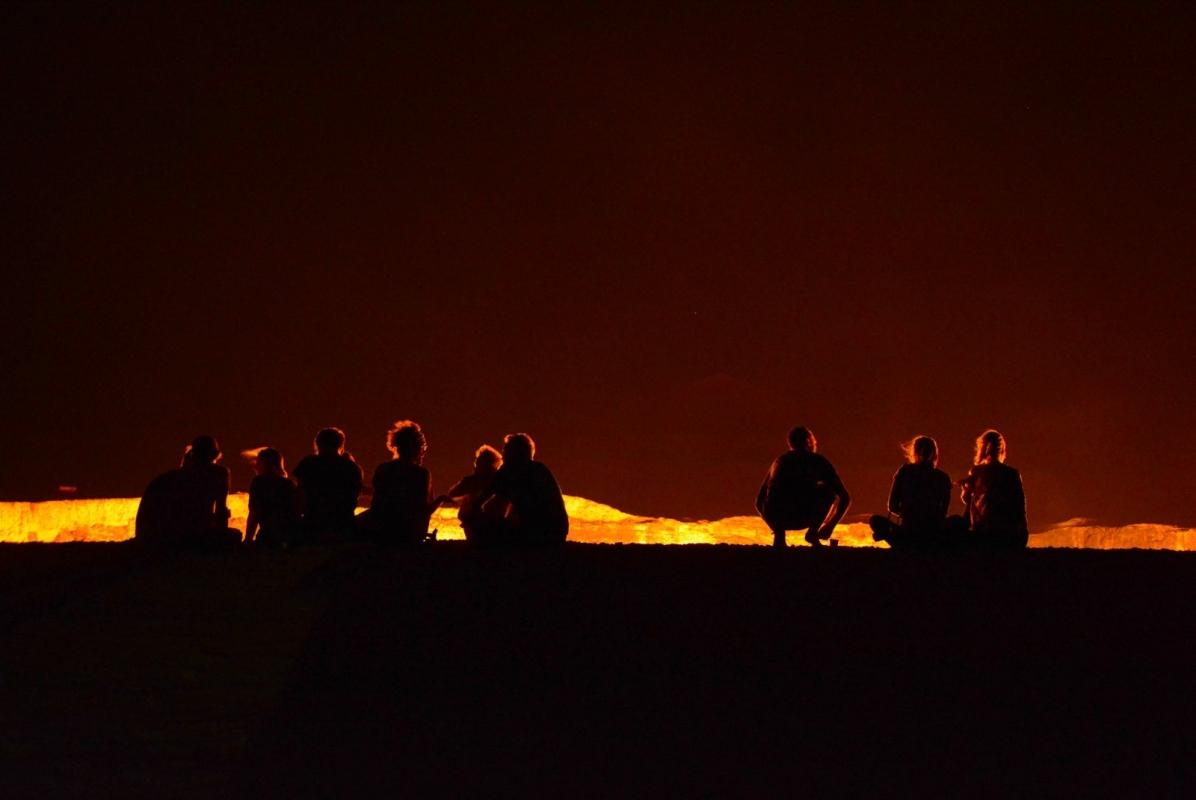
The ruins of Nisa, a UNESCO World Heritage Site and once the capital of the Parthian Empire, lie a short drive from central Ashgabat and offer a striking contrast to the marble city below, with earthen fortress walls dating back over two thousand years. Excavations at Nisa have uncovered wine storage rooms, temple foundations, and administrative buildings that once served a kingdom stretching from the Euphrates to the edge of India. Ashgabat also serves as the usual starting point for trips into the Karakum Desert, including the Darvaza gas crater further north, since it has the country's main airport and most of its hotel capacity.
Parks and Public Spaces
Independence Park, laid out around the Independence Monument, is one of several large green spaces built into the city's planning, with fountains, statues, and rows of trees that soften the marble and stone of the surrounding buildings. The Walk of Health, a paved path that climbs into the foothills south of the city, draws local residents for exercise and offers views back over Ashgabat's skyline from higher ground. Public fountain complexes elsewhere in the city run in the evenings, adding movement and sound to streets that otherwise stay quiet after dark. Many of these fountains and monuments are illuminated at night, and a late walk through the central districts shows a different side of the capital than a daytime visit alone.
Getting Around the Capital
Ashgabat's airport sits a short distance from the city center and serves as the main entry point for visitors, with taxis and organized transport covering the route into town. Within the capital, distances between major sights are manageable by taxi, and several of the marble districts, including the government quarter and the area around the Wedding Palace, are laid out for driving past rather than close-up walking, since sidewalks and public access can be limited near official buildings. Photography around government sites is restricted in places, so travelers on an organized tour typically get guidance on where cameras are welcome.
Visiting Ashgabat
Travelers exploring Turkmenistan around the winter holidays have specific options built around the season. The Celebrate New Year and Christmas in the Magical Land of Turkmenistan tour combines Ashgabat's sights with other stops in the country during the holiday period, one way to see the capital as part of a broader trip rather than a single-city visit. Since Turkmenistan requires a visa and, for most nationalities, a registered itinerary or guide, booking a tour that includes Ashgabat is usually simpler than arranging visits independently. Most of the capital's landmarks sit within a compact central area, so walking and short taxi rides cover the main sights without much difficulty.