
Free Cancellation
-high.jpg&w=1920&q=75 "Azerbaijan 10-Day Luxury Cultural & Nature Discovery Tour")
_1717680783169-high.jpg&w=1920&q=75 "9 Day Great Azerbaijan Tour Package")
-high.jpg&w=1920&q=75 "Azerbaijan Adventure: 7 Nights, 8 Days Cultural & Heritage Tour")
-high.jpg&w=1920&q=75 "6 Days Azerbaijan Tour Package: Baku, Absheron, Gobustan, Shahdag & Gabala")
 Travel TipsTravel to Azerbaijan: Best Places to Visit in Azerbaijan (2026)
 All aboutBest Time to Visit Azerbaijan
 Ultimate GuideTop 10 Places to Visit in Azerbaijan | TravelShopBooking Tours
 Travel Tips5 Reasons to Visit Azerbaijan
 Travel TipsBest Places to Visit in Azerbaijan
 All aboutWorld Down Syndrome Awareness Day
Azerbaijan Culture & Historical Tours introduce travelers to a country shaped by ancient settlements, Silk Road trade, Persian and Turkic influences, Islamic architecture, fire-worship traditions and centuries of cultural exchange between the Caucasus, Central Asia and the Middle East.
From the medieval walls of Baku Old City to the prehistoric rock carvings of Gobustan, Azerbaijan offers historical experiences covering very different periods. Travelers can explore palaces, caravanserais, mosques, archaeological landscapes and traditional towns while also experiencing the country's modern culture.
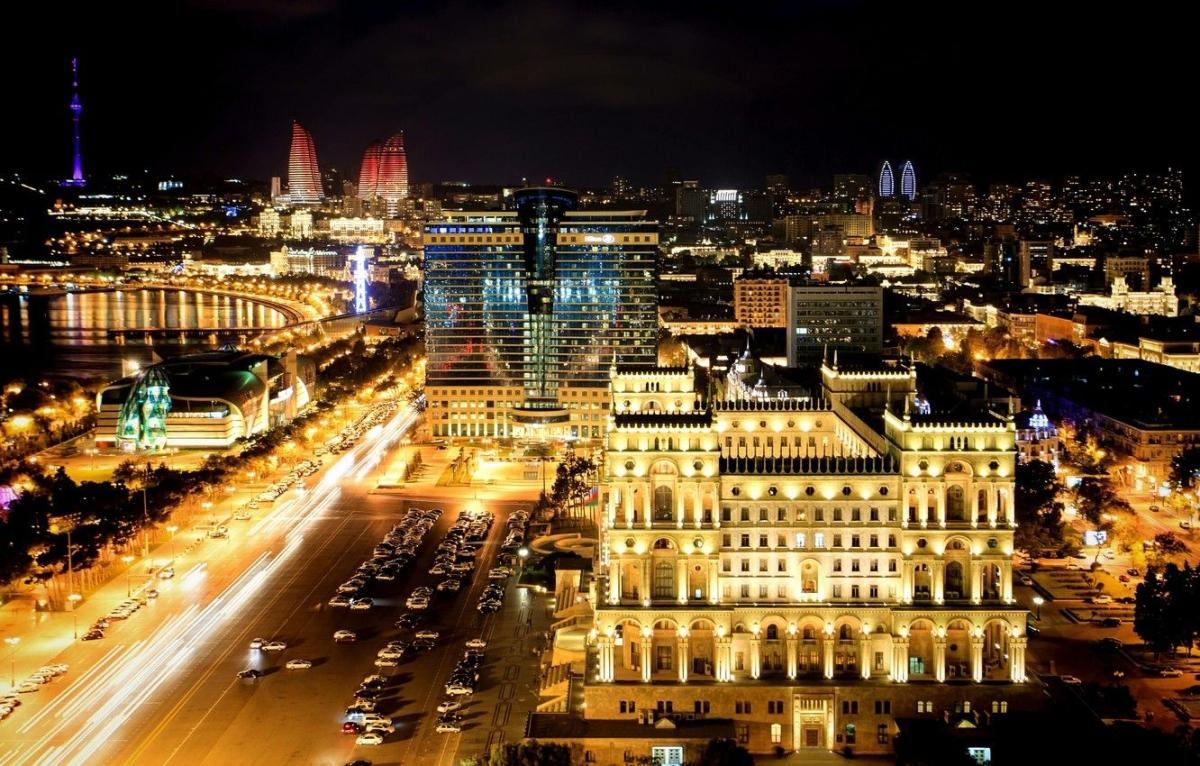
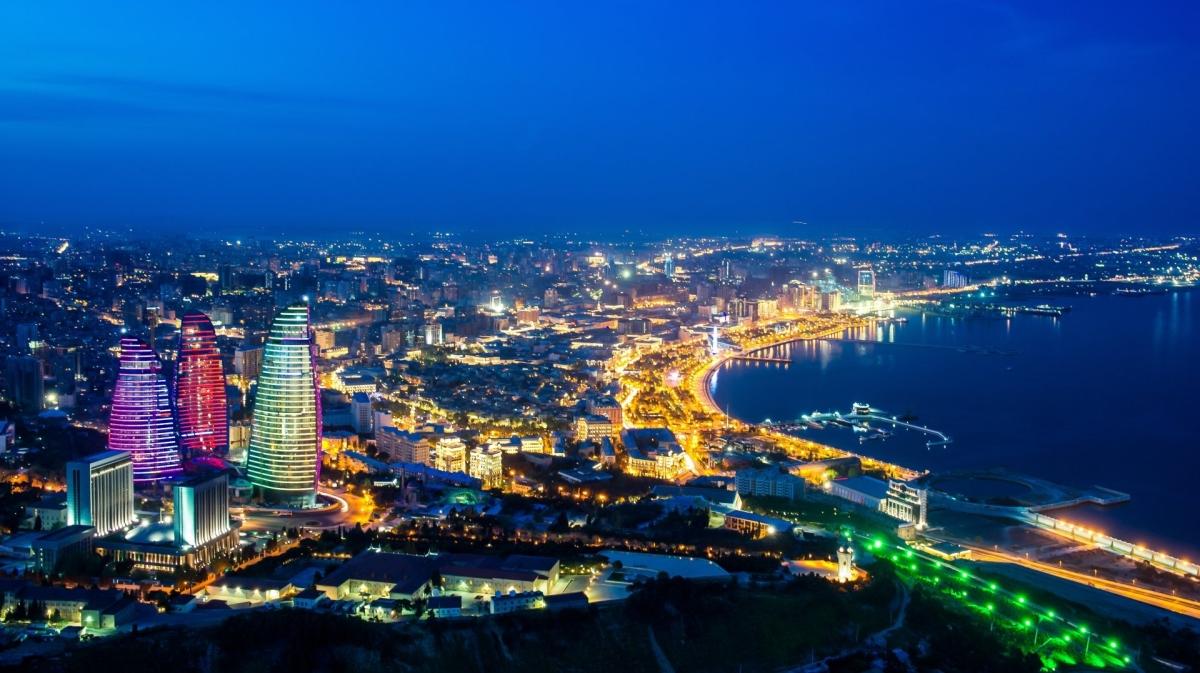
Baku is usually the starting point for cultural journeys. Its UNESCO-listed historic center contains the Palace of the Shirvanshahs, Maiden Tower and Icherisheher, while destinations outside the capital reveal other chapters of Azerbaijani history.
The Absheron Peninsula is associated with Azerbaijan's natural fire phenomena and historical religious traditions. Further west, Shamakhi and Sheki introduce travelers to historic trade routes, traditional architecture and the legacy of regional khanates.
Cultural and historical itineraries can range from short Baku-based excursions to multi-day journeys connecting different regions of Azerbaijan. This makes it possible to experience both internationally known monuments and smaller towns where local traditions remain an important part of everyday life.
Azerbaijan Cultural Tours go beyond monuments and archaeological sites to explore the traditions that have shaped Azerbaijani identity.
The country's location between different regions and historical trade routes created a distinctive cultural landscape. Persian, Turkic, Caucasian, Russian and Islamic influences can be seen in architecture, language, cuisine, music and traditional crafts.
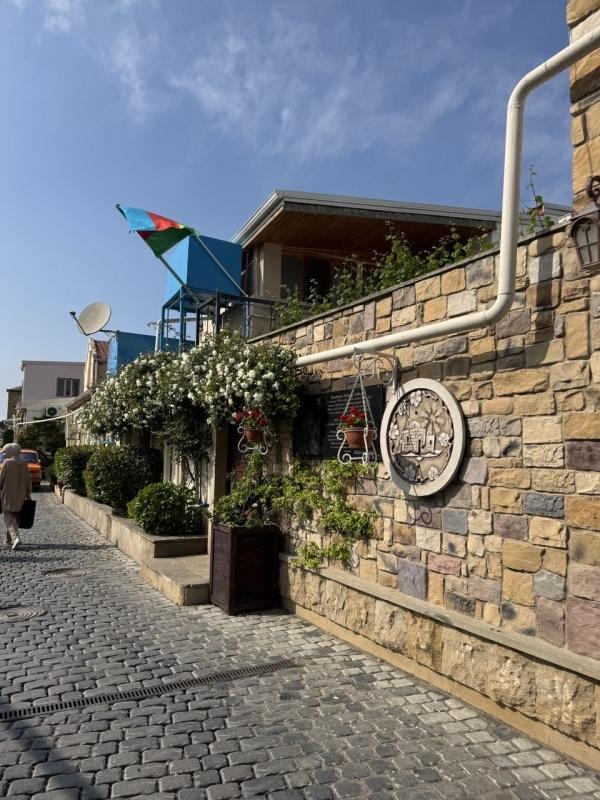
Baku provides an excellent introduction. Walking through Icherisheher reveals narrow streets, historic buildings and traditional architectural details surrounded by the rapidly developing modern capital.
Traveling outside Baku provides an opportunity to experience Azerbaijan's regional diversity.
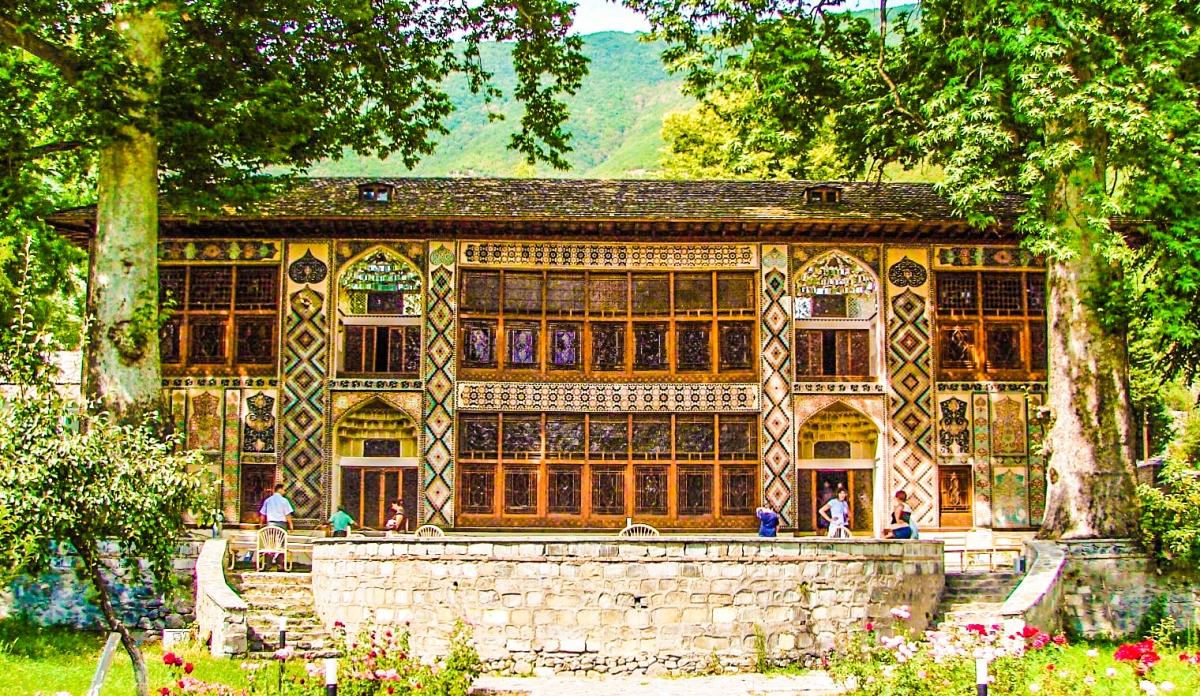
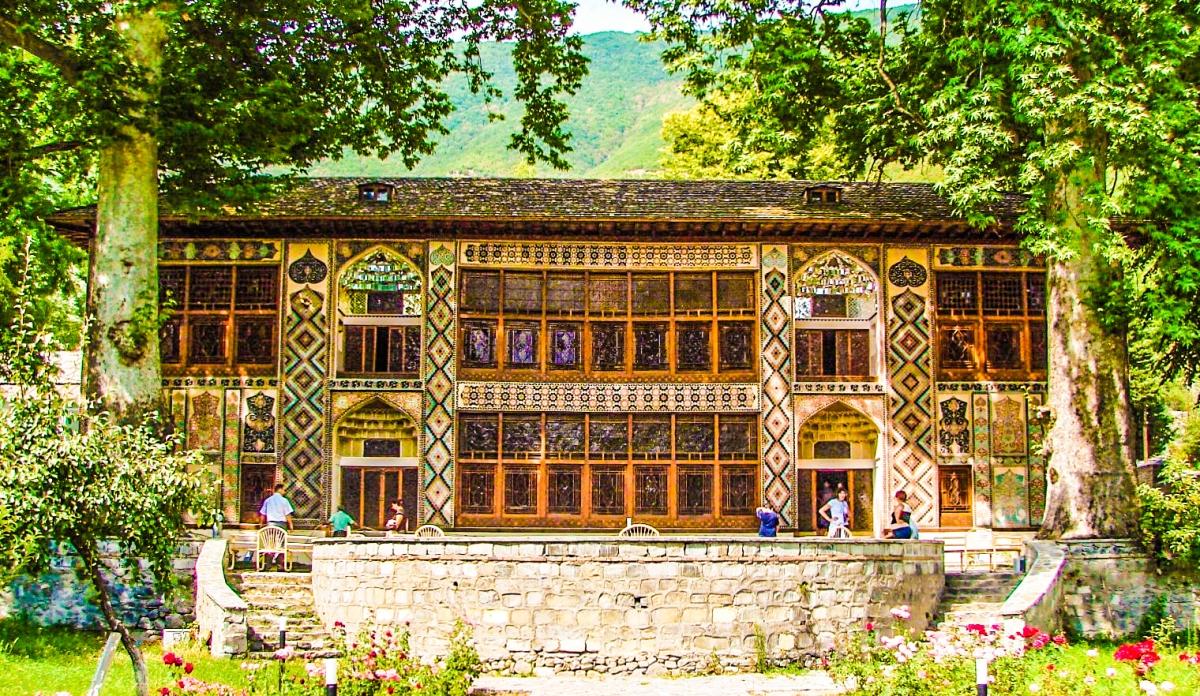
Sheki is particularly important for cultural travelers. Its historic center preserves traditional houses, craftsmanship and architecture connected with the city's history as a trading center. The Palace of the Sheki Khans is one of the highlights.
Traditional Azerbaijani cuisine can also become part of the cultural journey. Regional dishes, tea traditions, local sweets and markets allow visitors to experience heritage beyond museums and monuments.
Carpet weaving is another important element of Azerbaijani culture. Patterns and techniques vary between regions, reflecting local traditions that developed over generations.
Azerbaijan Cultural Tours can therefore combine architecture, food, craftsmanship, music and local life with visits to the country's major historical attractions.
Azerbaijan Historical Tours take travelers through a long timeline stretching from prehistoric settlements to medieval kingdoms, Silk Road trade and the development of modern Baku.
One of the earliest chapters can be explored at Gobustan, where thousands of rock engravings provide evidence of human activity over an exceptionally long period.
Medieval history is particularly visible in Baku. The fortified city of Icherisheher contains some of Azerbaijan's most recognizable historical monuments, including the Maiden Tower and Palace of the Shirvanshahs.
The Shirvanshah dynasty played an important role in the history of the region, and its architectural legacy can be explored in both Baku and Shamakhi, which was historically an important center of Shirvan.
Azerbaijan's position on trade routes also connected its towns with merchants traveling between different parts of Asia and Europe. Caravanserais and historic commercial buildings found in places such as Baku and Sheki provide evidence of these connections.
The Absheron Peninsula adds another dimension through sites associated with the region's naturally occurring fires and religious traditions.
Travelers can explore several of these historical periods within one itinerary, making Azerbaijan particularly suitable for multi-day cultural and heritage tours.
Azerbaijan's major cultural attractions are spread between Baku, the Absheron Peninsula and historic regions farther from the capital. Combining several destinations provides a broader understanding of the country's history.
Baku Old City, known locally as Icherisheher, is the historic heart of the Azerbaijani capital.
Surrounded by defensive walls, the Old City contains narrow streets, historic residences, religious buildings, caravanserais and some of Baku's most important monuments.
The Walled City of Baku with the Shirvanshah's Palace and Maiden Tower is recognized as a UNESCO World Heritage Site.
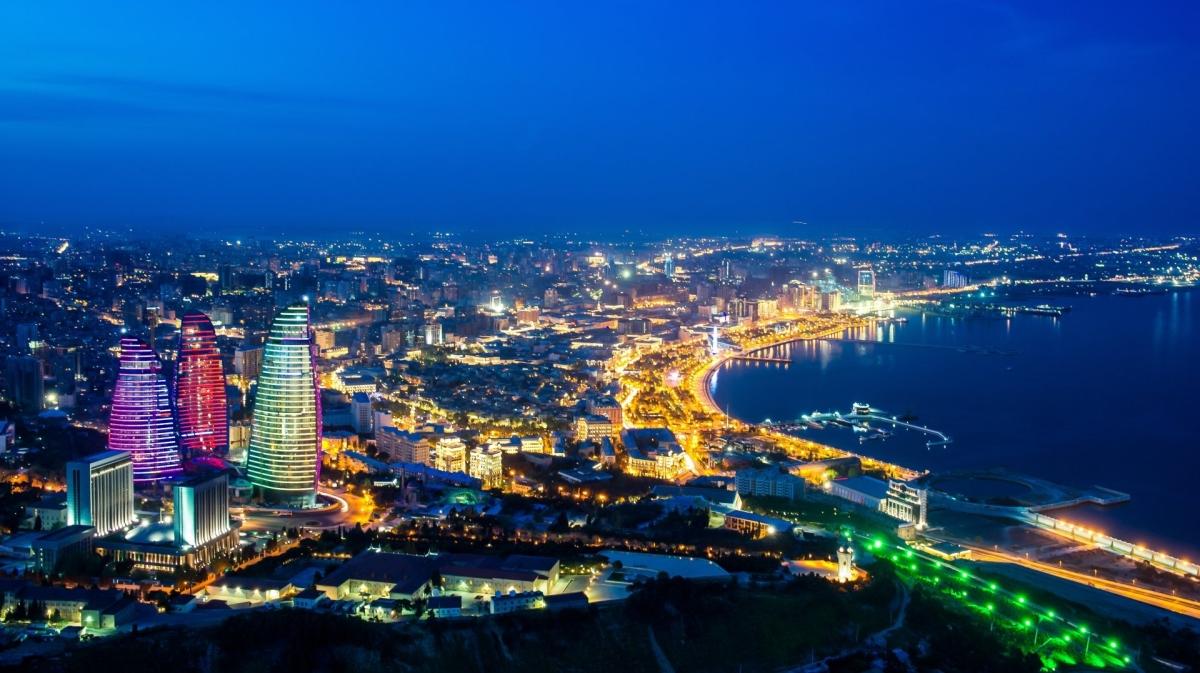
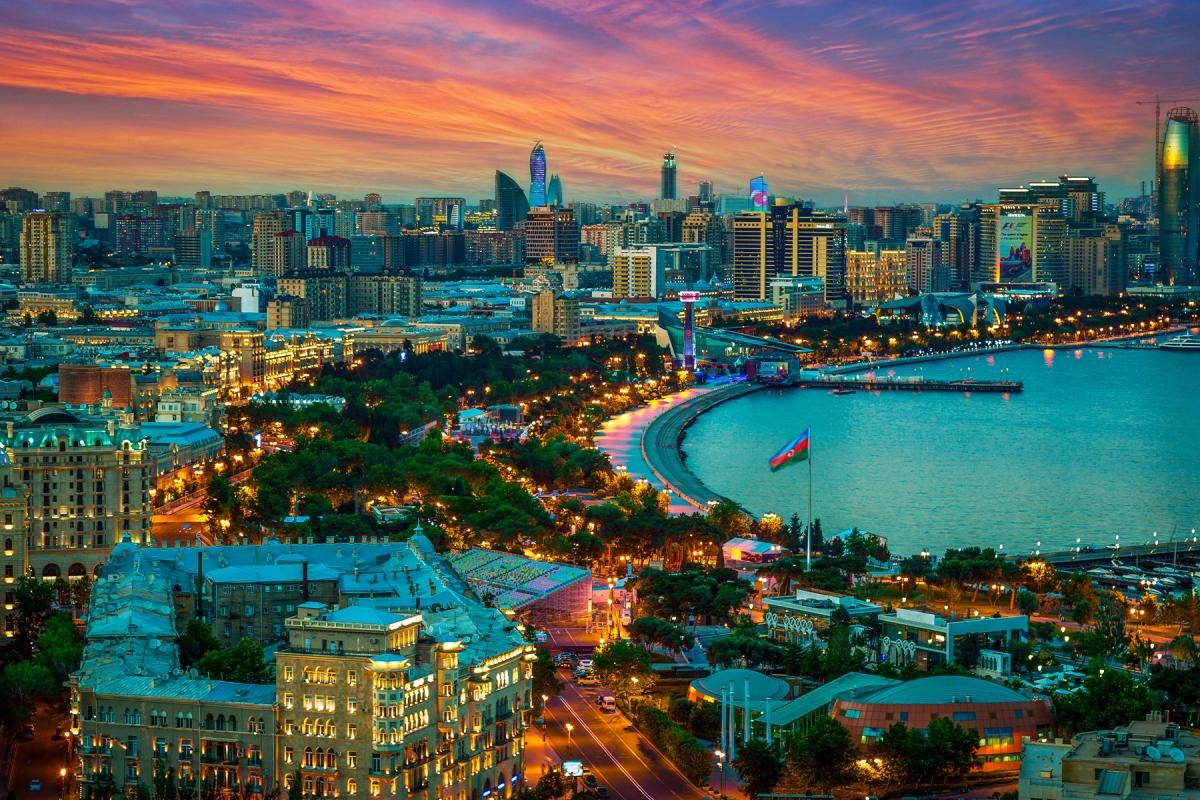
Walking through Icherisheher creates a strong contrast with Baku's modern skyline and provides an introduction to the different historical periods that shaped the city.
The Old City is also conveniently located near many of Baku's other major attractions, making it an essential stop for first-time visitors.
The Palace of the Shirvanshahs is one of Azerbaijan's most important examples of medieval architecture.
Located within Icherisheher, the palace complex is associated with the rulers of Shirvan and dates mainly from the 15th century.
The complex includes several structures connected with royal, religious and ceremonial life. Its stone architecture provides valuable insight into the political and cultural importance of medieval Baku.
Because the palace is located within the Old City, it can easily be combined with the Maiden Tower and other historic attractions during a Baku cultural tour.
Gobustan Rock Art Cultural Landscape is one of Azerbaijan's most significant archaeological destinations.
Located southwest of Baku, the protected landscape contains thousands of prehistoric rock engravings representing people, animals, hunting scenes, boats and other aspects of human activity.
The site provides evidence of changing lifestyles over a very long period and is recognized as a UNESCO World Heritage Site.
A visit commonly combines the archaeological landscape with the Gobustan museum, where travelers can learn more about the history and interpretation of the petroglyphs.
Some excursions also include Azerbaijan's famous mud volcano landscapes, although accessibility can depend on weather and road conditions.
The Ateshgah Fire Temple is located on the Absheron Peninsula and represents an important part of Azerbaijan's historical relationship with natural fire phenomena.
The complex is associated particularly with religious practices involving fire and was used historically by worshippers and travelers connected with different religious traditions.
Its location reflects the presence of natural gas deposits that contributed to the appearance of flames in parts of the Absheron Peninsula.
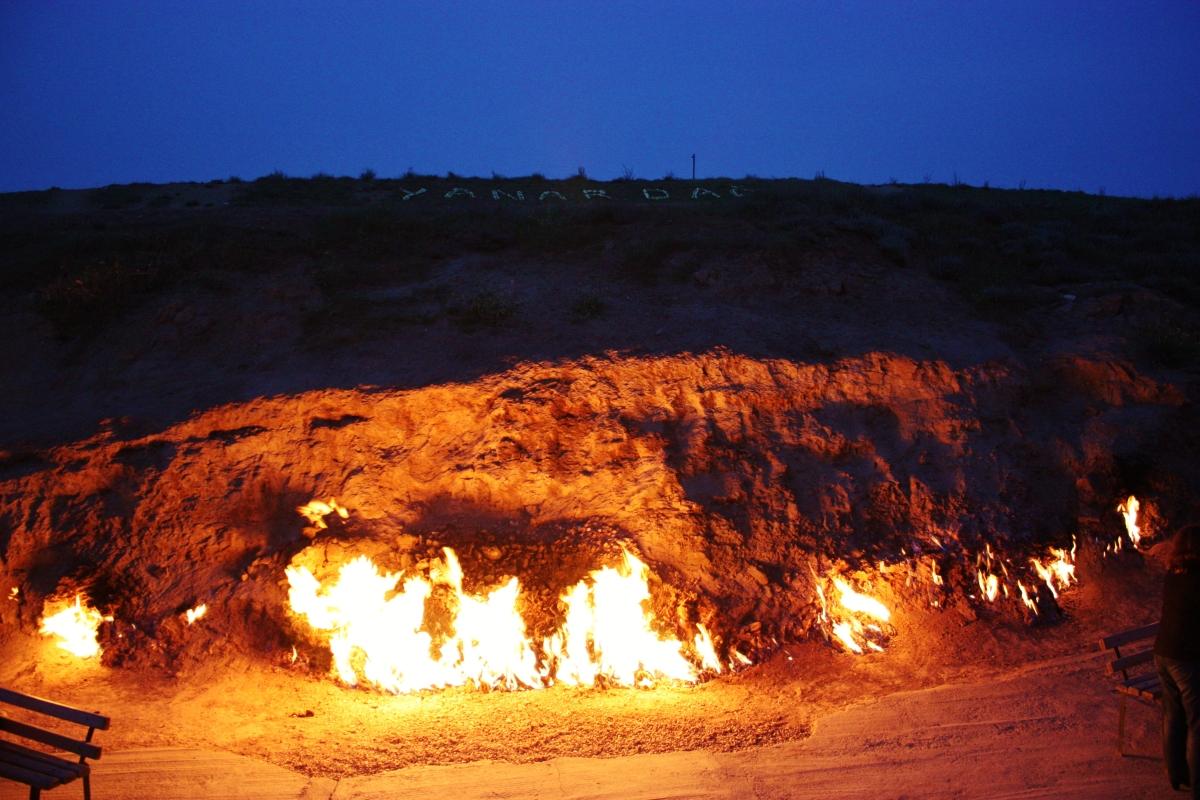
Ateshgah is frequently combined with Yanar Dag, where natural gas continues to fuel visible flames on a hillside.
Together, these attractions help explain why Azerbaijan has long been associated with the idea of the “Land of Fire.”
Sheki is one of Azerbaijan's most important cultural destinations and an excellent addition to a multi-day historical itinerary.
Located near the Greater Caucasus Mountains, Sheki developed as an important regional center connected with trade and craftsmanship.
The Historic Centre of Sheki with the Khan's Palace is recognized as a UNESCO World Heritage Site.
The Palace of the Sheki Khans is particularly known for its decorative interiors and shebeke, a traditional technique using colored glass set within intricate wooden frameworks.
Beyond the palace, visitors can explore historic streets, traditional architecture, craft workshops and caravanserai heritage.
Sheki is especially suitable for travelers who want to experience Azerbaijani history beyond Baku.
Shamakhi is one of Azerbaijan's historic cities and was an important political and commercial center of the Shirvan region.
Its position along historical trade routes contributed to the development of the city over many centuries.
One of its best-known landmarks is Juma Mosque, whose history stretches back to the early Islamic period, although the building has undergone destruction, reconstruction and restoration over the centuries.
Shamakhi and its surrounding region also contain mausoleums and other monuments associated with Azerbaijan's medieval history.
The city can be incorporated into an overland cultural route connecting Baku, Shamakhi and Sheki, allowing travelers to experience the changing landscapes and historical centers of Azerbaijan.