
Best Places to Visit in South Korea
South Korea offers an exciting mix of modern cities, ancient palaces, scenic mountains, coastal villages, and volcanic islands. Whether you're interested in Korean history, K-pop culture, traditional markets, hiking, or relaxing on beautiful beaches, the country has destinations to suit every type of traveler.
Seoul
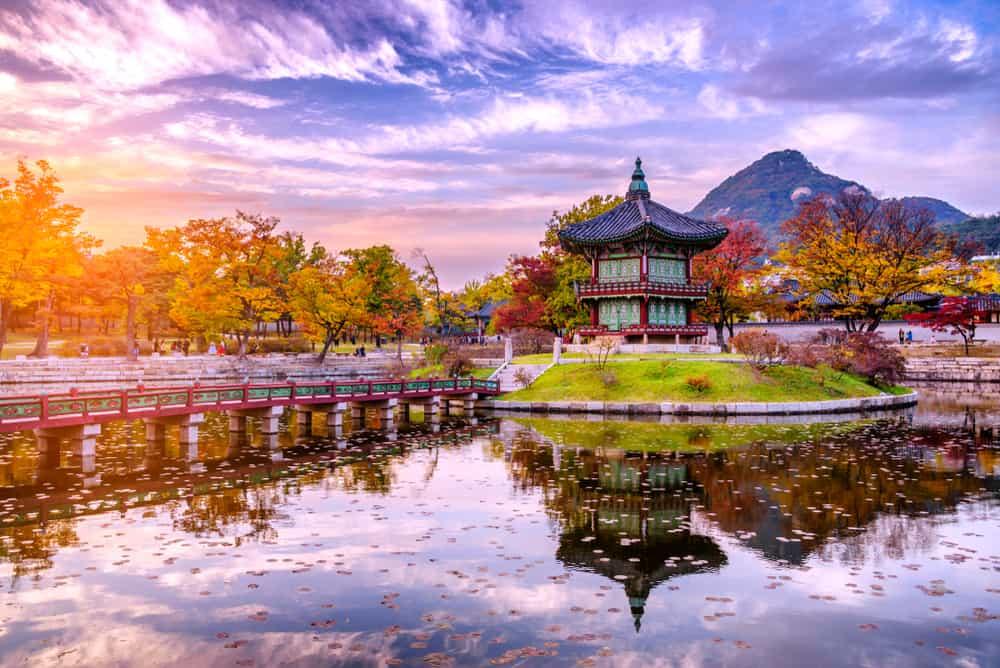
South Korea's capital is the country's cultural, political, and entertainment hub. Visitors can explore Gyeongbokgung Palace, Bukchon Hanok Village, Insadong, Myeongdong, and N Seoul Tower. Modern attractions such as Gangnam, COEX Mall, and Dongdaemun Design Plaza sit alongside centuries-old temples and traditional neighborhoods.
Busan
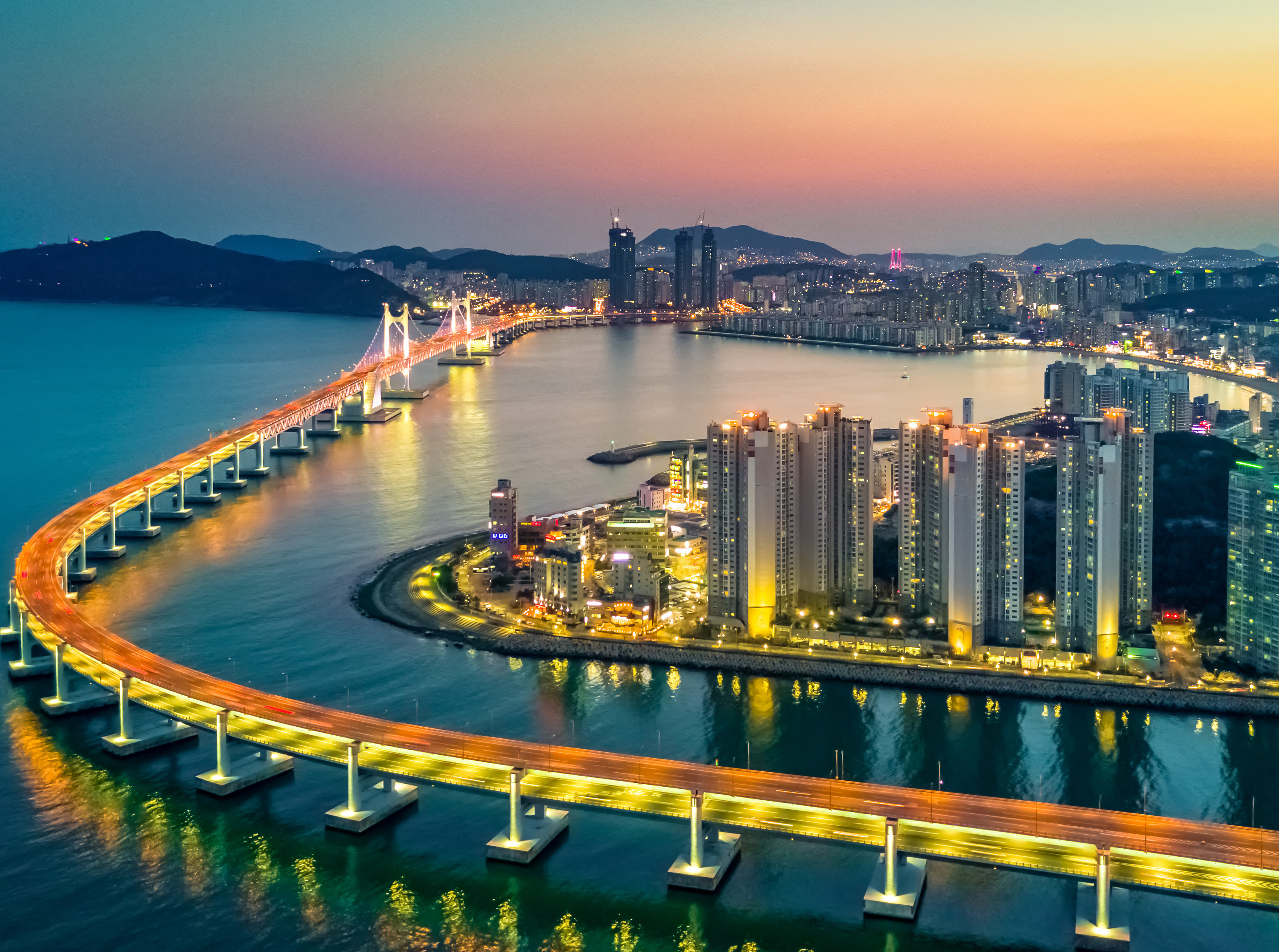
Busan is South Korea's second-largest city and its leading coastal destination. The city is famous for Haeundae Beach, Gwangalli Beach, Gamcheon Culture Village, Jagalchi Fish Market, and Haedong Yonggungsa Temple, one of the country's few seaside temples. Busan is also known for its seafood and vibrant festivals.
Jeju Island
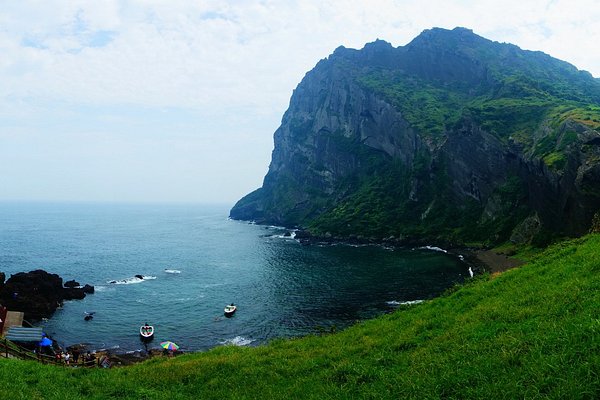
Jeju Island is South Korea's most popular holiday destination. This volcanic island features waterfalls, lava tubes, black-sand beaches, and Hallasan, South Korea's highest mountain. Visitors can hike scenic trails, explore Manjanggul Lava Tube, and admire the dramatic cliffs of Seongsan Ilchulbong, a UNESCO World Heritage Site.
Gyeongju
Often called "the museum without walls," Gyeongju was the capital of the ancient Silla Kingdom for nearly 1,000 years. The city is home to Bulguksa Temple, Seokguram Grotto, Cheomseongdae Observatory, and Daereungwon Tomb Complex, making it one of South Korea's most historically significant destinations.
Incheon
Located west of Seoul, Incheon is much more than the country's main international gateway. Visitors can stroll through Songdo Central Park, explore Chinatown, visit Wolmido Island, and enjoy waterfront attractions. The city's modern architecture and convenient transport links make it a worthwhile stop.
Seoraksan National Park
One of South Korea's most beautiful national parks, Seoraksan is renowned for its granite peaks, waterfalls, forests, and hiking trails. The park is especially popular during autumn, when colorful foliage transforms the mountains into one of the country's most spectacular landscapes.
Andong
Andong is the best place to experience Korea's traditional Confucian heritage. The UNESCO-listed Hahoe Folk Village preserves centuries-old houses, cultural traditions, and mask dance performances. Visitors can also sample Andong's famous local cuisine, including braised chicken and salted mackerel.
Suwon
Located just south of Seoul, Suwon is famous for Hwaseong Fortress, a UNESCO World Heritage Site built in the late 18th century. Visitors can walk along the fortress walls, explore traditional markets, and experience a blend of historic architecture and modern city life.
Jeonju
Jeonju is regarded as the birthplace of bibimbap, one of Korea's most famous dishes. The city's Hanok Village contains hundreds of beautifully preserved traditional Korean houses, offering visitors opportunities to stay in hanok guesthouses, wear traditional hanbok clothing, and experience Korean culture.
Gangneung
Situated on South Korea's east coast, Gangneung is known for its sandy beaches, coffee culture, and scenic coastline. It is a popular summer destination and also served as one of the host cities during the 2018 Winter Olympics.
Boseong
Boseong is famous for its rolling green tea plantations, which create one of South Korea's most picturesque rural landscapes. Visitors can tour tea farms, sample locally produced green tea, and enjoy scenic walking trails through the plantations.
Sokcho
Sokcho is a charming coastal city that serves as the main gateway to Seoraksan National Park. In addition to hiking, visitors can explore Sokcho Beach, Abai Village, local seafood markets, and scenic harbors.
DMZ (Demilitarized Zone)
The Korean Demilitarized Zone is one of the country's most unique attractions. Guided tours allow visitors to learn about the history of the Korean Peninsula, visit observation points overlooking North Korea, and explore the Third Infiltration Tunnel and Dora Observatory.
Tongyeong
Often called the "Naples of Korea," Tongyeong is a picturesque coastal city known for its islands, cable car, waterfront promenades, and fresh seafood. It is an excellent destination for island-hopping, sailing, and enjoying panoramic ocean views.
Jirisan National Park
As South Korea's first national park, Jirisan is one of the country's premier hiking destinations. The park features mountain temples, dense forests, waterfalls, and challenging trekking routes leading to some of Korea's highest peaks.
Frequently Asked Questions
Which city should I visit first in South Korea?
Seoul is the ideal starting point thanks to its international airports, extensive transportation network, and wide variety of cultural, historical, and modern attractions.
What is the most famous tourist destination in South Korea?
Jeju Island and Seoul are South Korea's most visited destinations, while Gyeongbokgung Palace and Seongsan Ilchulbong are among the country's most iconic landmarks.
Is Jeju Island worth visiting?
Yes. Jeju Island offers volcanic landscapes, waterfalls, beaches, hiking trails, and UNESCO World Heritage Sites, making it one of South Korea's top destinations.
How many days are enough to explore South Korea?
A 10–14 day itinerary allows visitors to experience Seoul, Busan, Gyeongju, Jeju Island, Seoraksan National Park, and several additional destinations at a comfortable pace.
What is the best destination for nature lovers?
Jeju Island, Seoraksan National Park, Jirisan National Park, Boseong, and Gangneung offer some of South Korea's finest natural scenery and outdoor activities.
Which destination is best for traditional Korean culture?
Gyeongju, Andong, Jeonju, and Bukchon Hanok Village in Seoul provide the best opportunities to experience Korea's historical architecture, cultural traditions, and heritage.
Loading comments…