
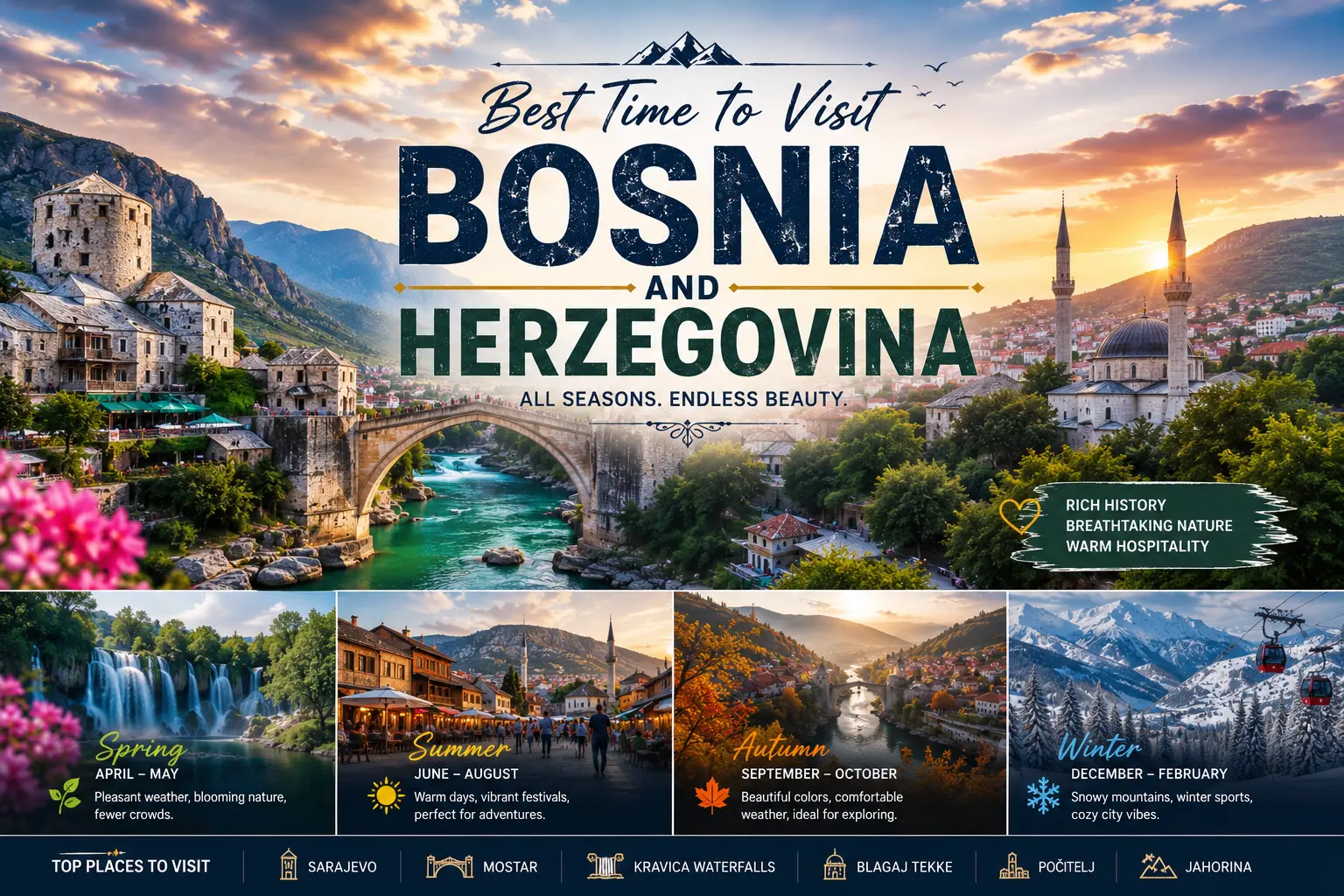
Bosnia and Herzegovina is one of the Balkans’ most rewarding travel destinations, offering Ottoman-era towns, Austro-Hungarian architecture, mountain landscapes, rivers, waterfalls, traditional villages, and a short Adriatic coastline. From walking through Sarajevo’s historic streets to visiting Mostar’s famous bridge or rafting on the Neretva River, the country offers different experiences throughout the year.
The best time to visit Bosnia and Herzegovina depends on the type of trip you are planning. Spring and autumn are ideal for sightseeing and cultural tours, summer is better for rafting, hiking, and road trips, while winter attracts travelers to the ski resorts surrounding Sarajevo.
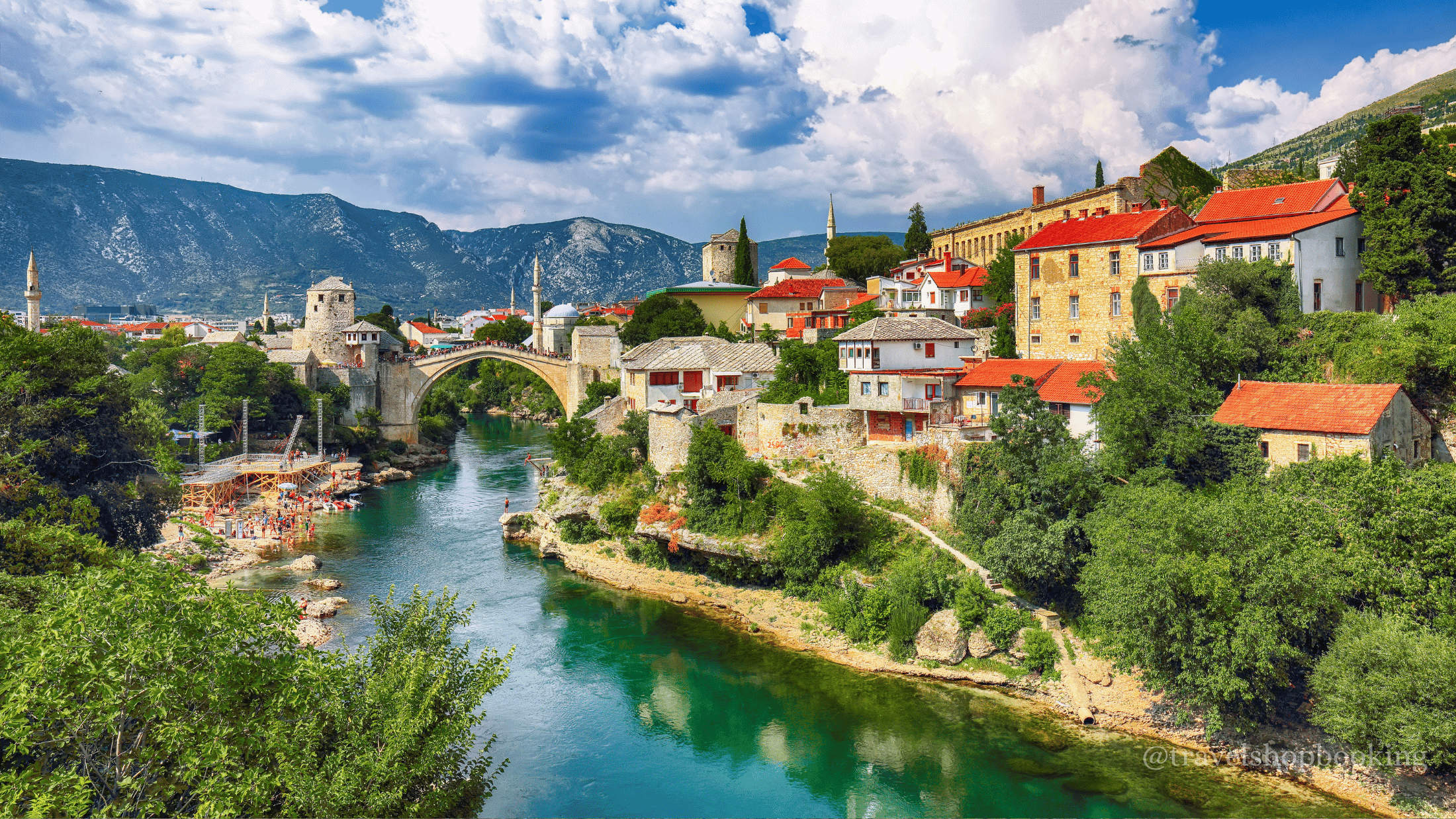
When Is the Best Time to Visit Bosnia and Herzegovina?
For most travelers, the best time to visit Bosnia and Herzegovina is between May and October. During these months, the weather is generally suitable for city tours, outdoor activities, scenic drives, and visits to natural attractions.
May, June, September, and early October provide the best balance of comfortable temperatures and manageable visitor numbers. July and August are warmer and busier, particularly in Mostar, but they are excellent months for rafting, hiking, and exploring the country’s lakes and rivers.
Travel Style Best Months
Sightseeing April – June, September – October
Hiking and Nature May – October
Rafting May – September
Road Trips May – October
Ski Holidays December – March
Budget Travel March – April, October – November
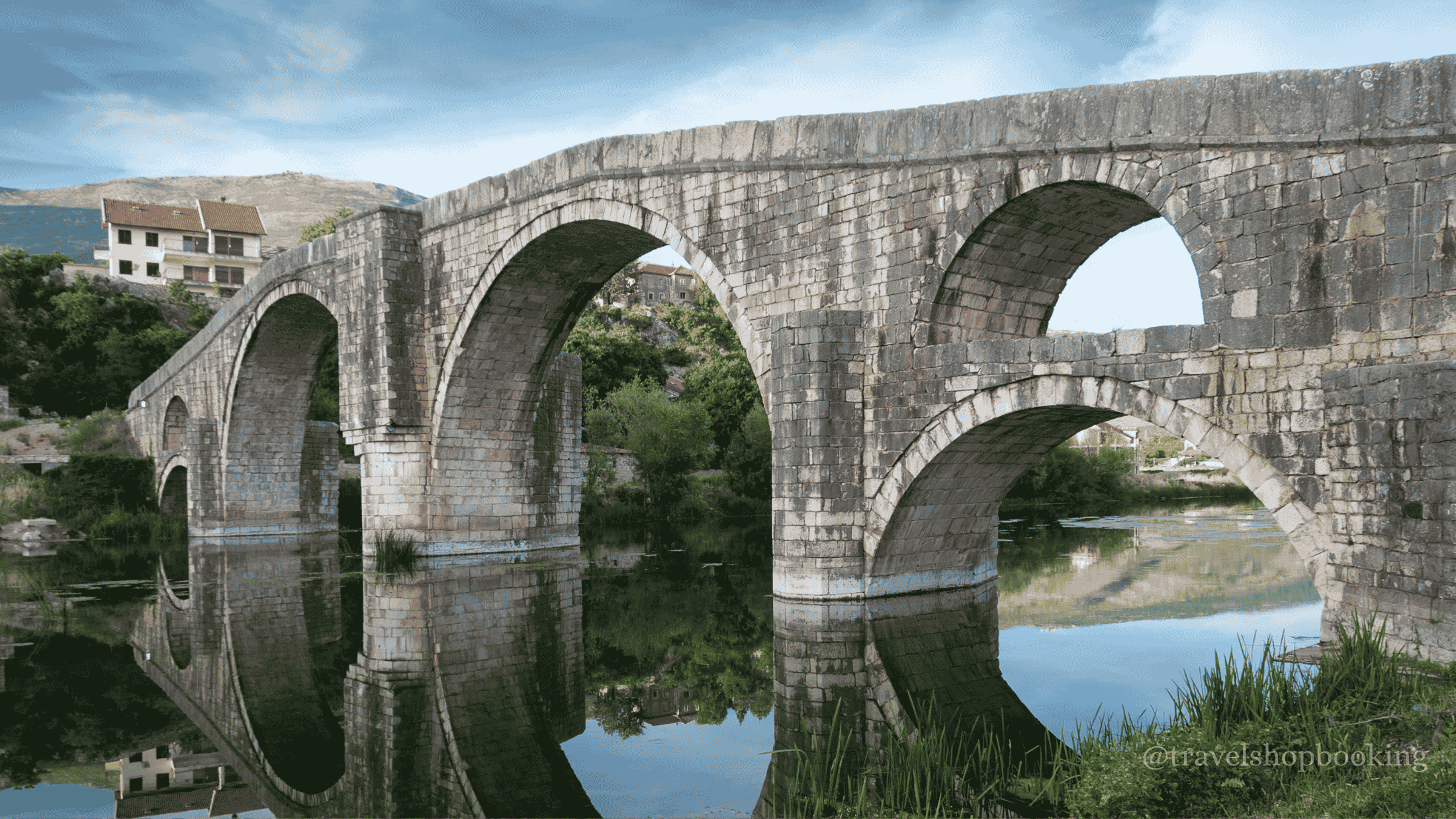
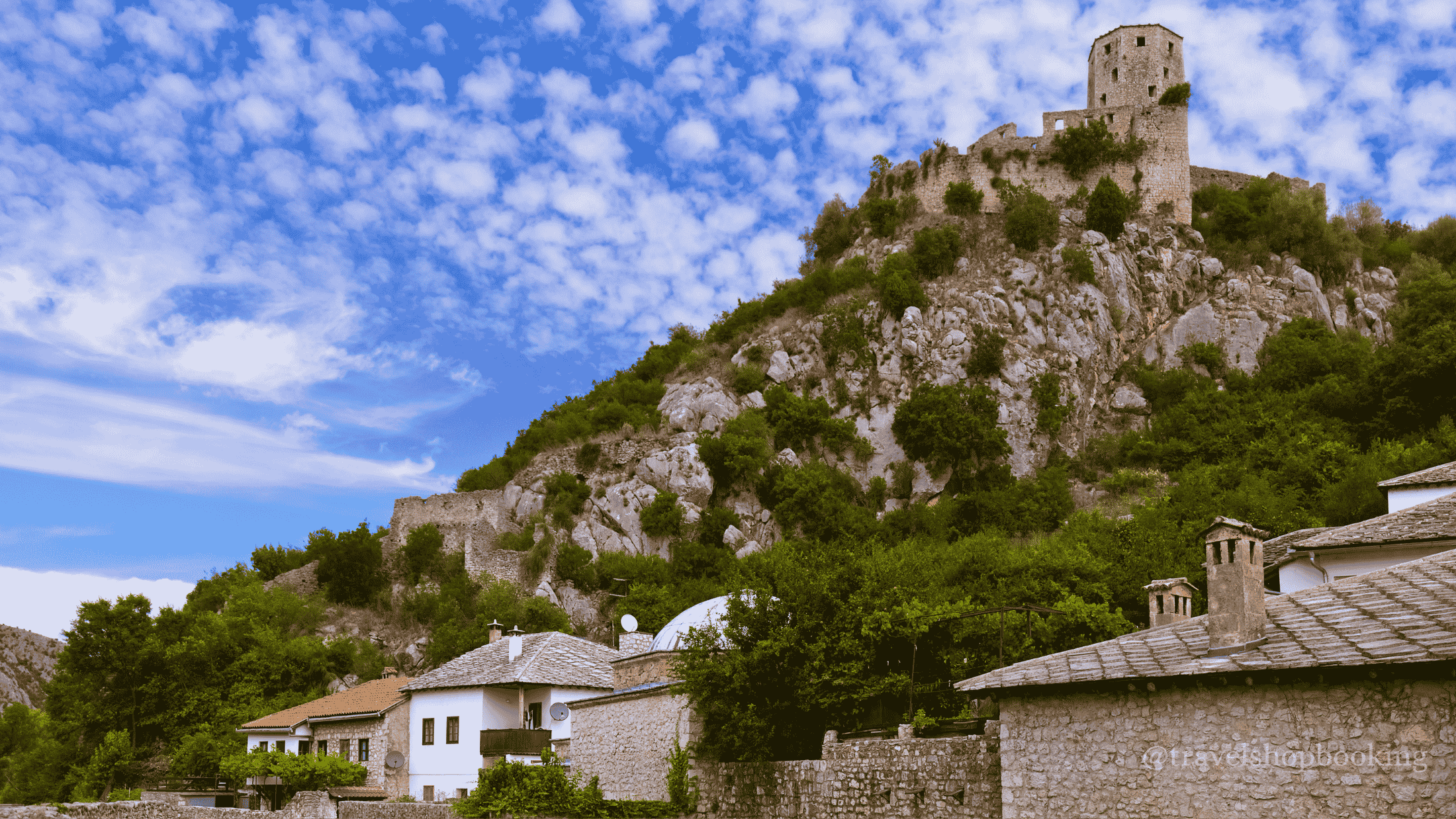
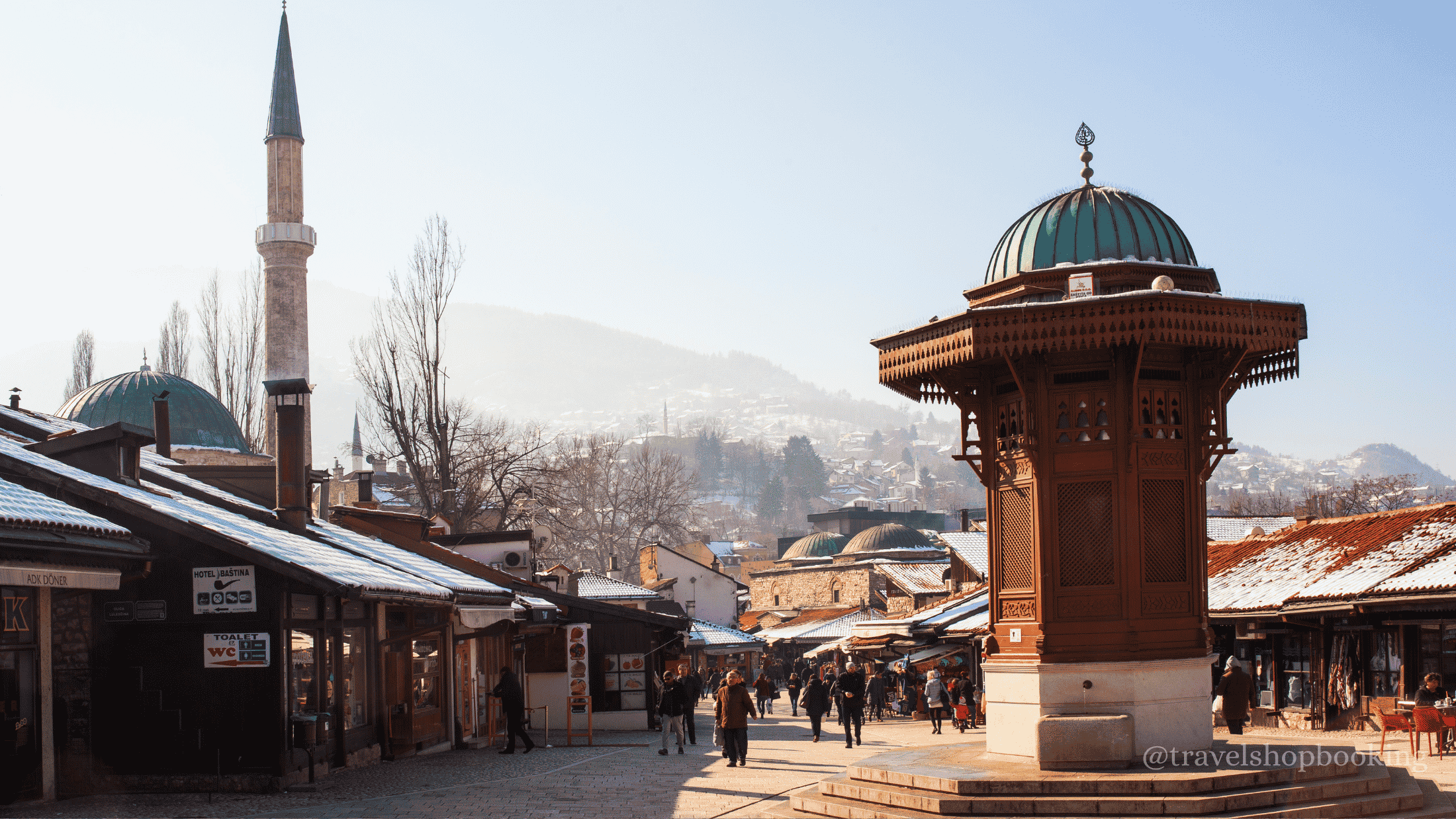
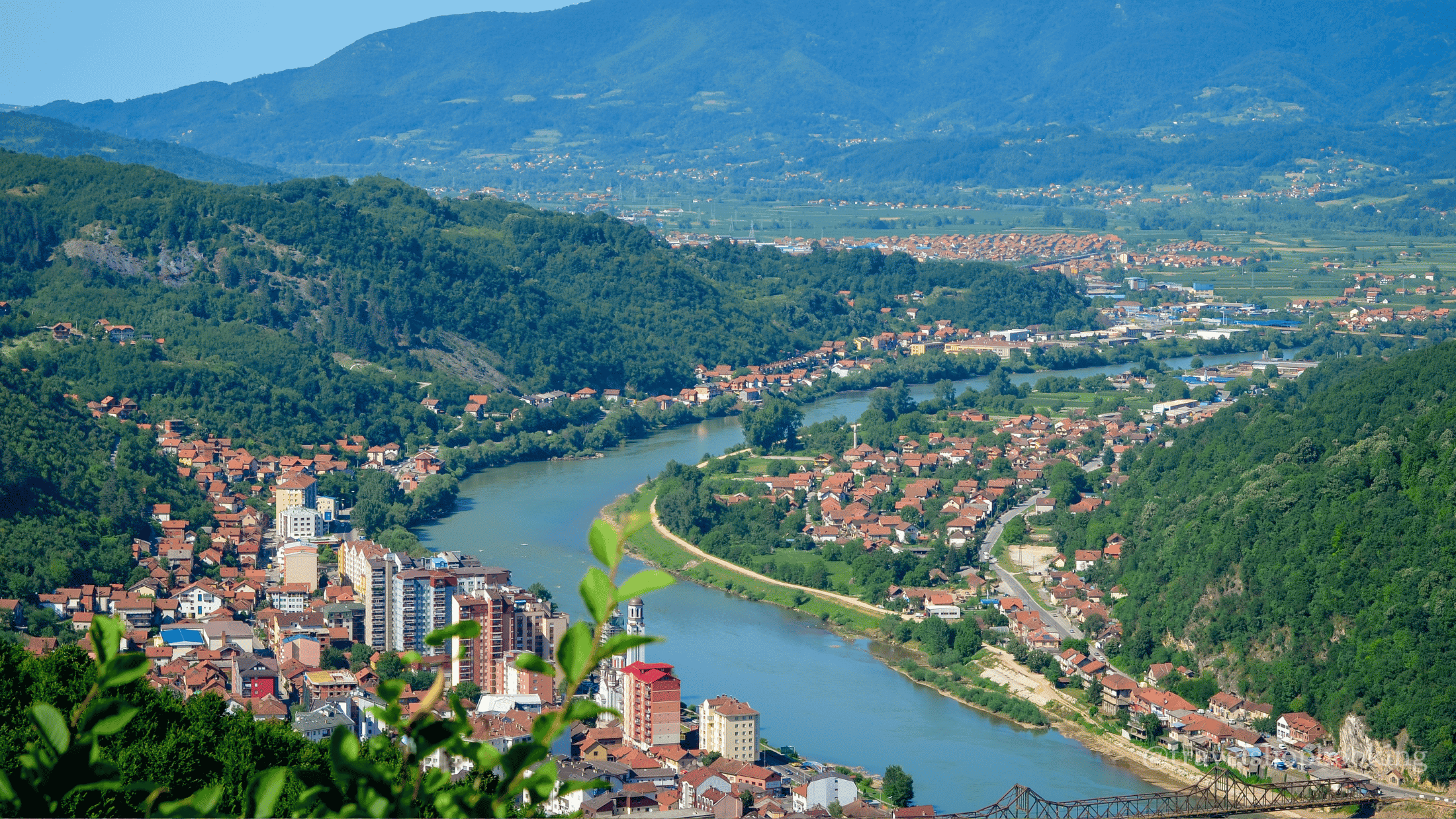
Bosnia and Herzegovina Weather Throughout the Year
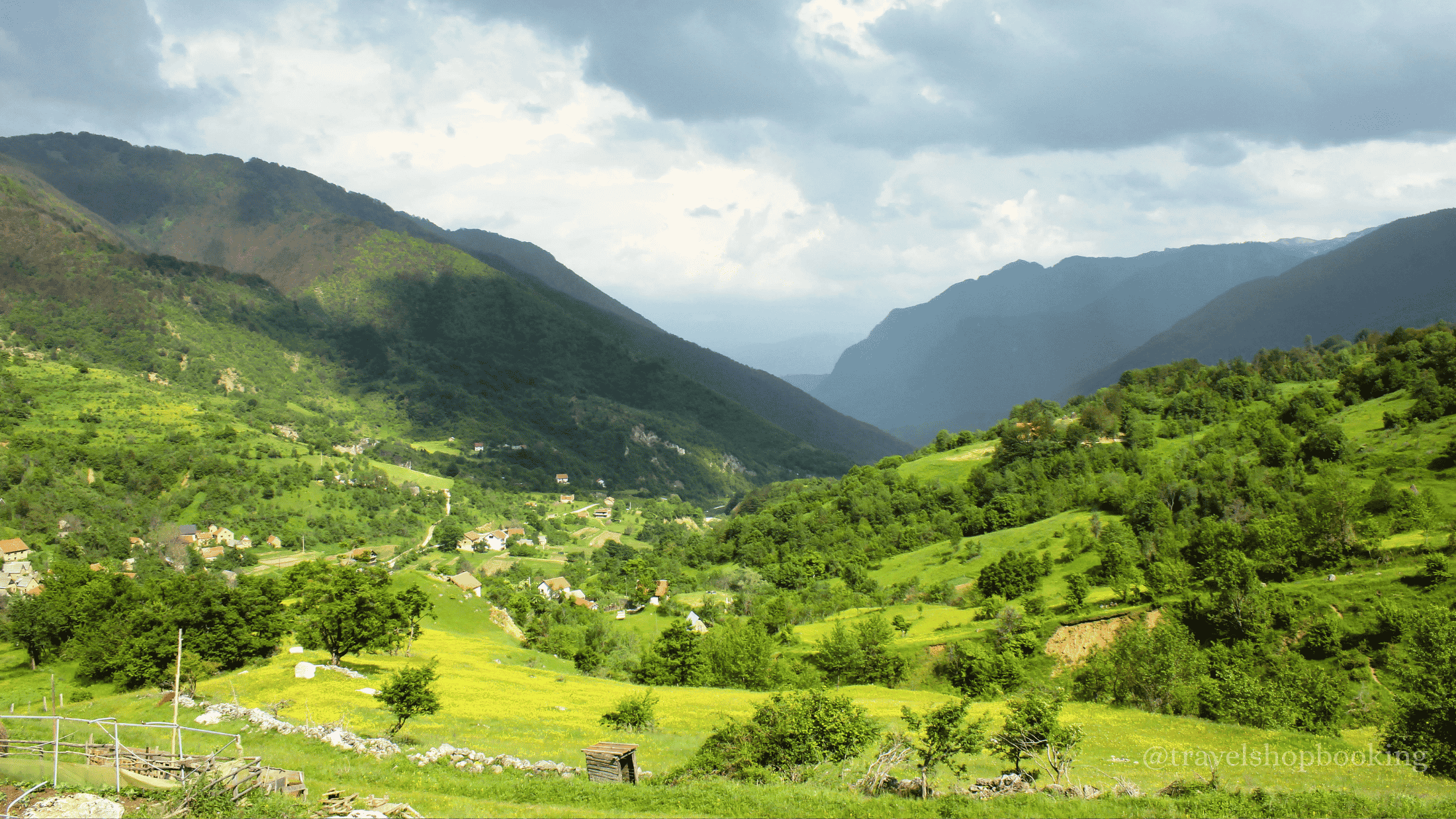
Bosnia and Herzegovina has a varied climate because of its mountains, valleys, and southern Mediterranean influence. Sarajevo and the central regions have warm summers and cold, snowy winters. Mostar and Herzegovina are generally hotter and drier in summer, while the higher mountain areas remain cooler.
Visiting Bosnia and Herzegovina in Spring (March to May)
Spring is one of the best times to explore Bosnia and Herzegovina. Temperatures gradually become warmer, rivers and waterfalls carry more water, and the countryside becomes green after winter.
April and May are particularly suitable for sightseeing in Sarajevo, Mostar, Travnik, and Jajce. The weather is usually comfortable enough for walking tours, day trips, and visits to historical sites without the strong summer heat.
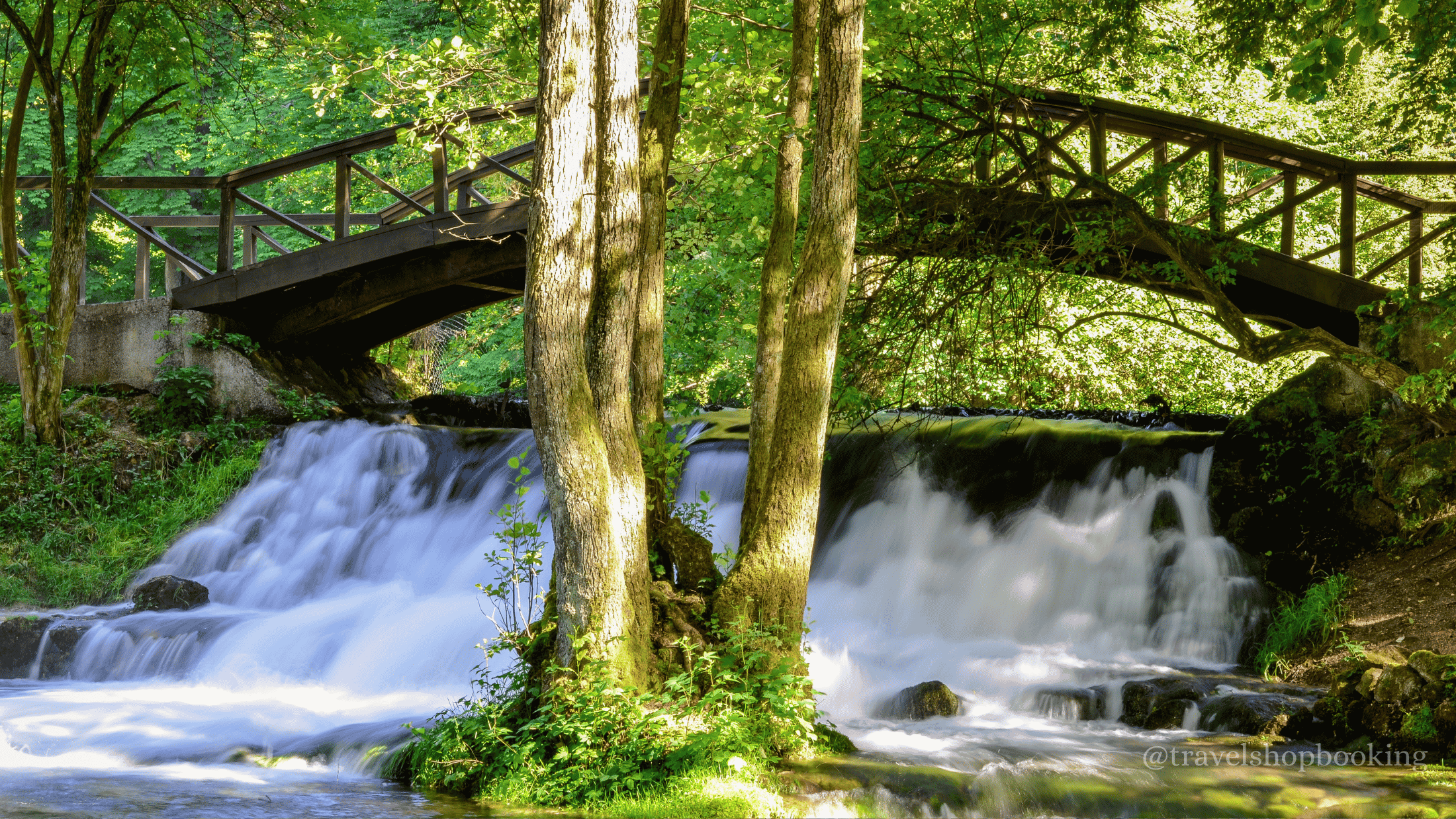
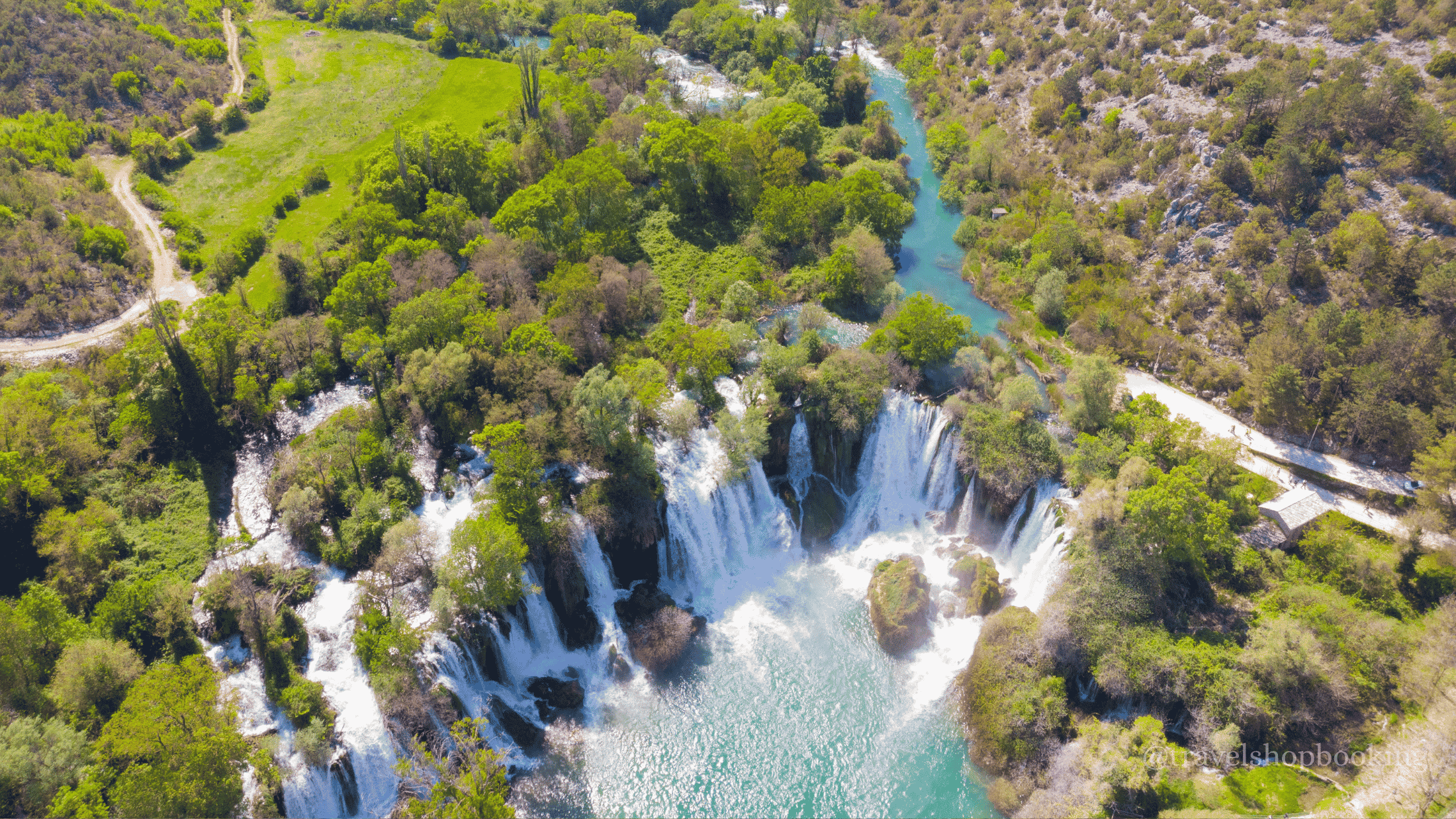
Spring is also a good season for visiting Kravica Waterfalls and Una National Park. Rain is possible, especially during March and April, so carrying a light waterproof jacket is useful.

Visiting Bosnia and Herzegovina in Summer (June to August)
Summer is the busiest travel season in Bosnia and Herzegovina. Days are long and sunny, outdoor attractions are fully accessible, and adventure activities operate across the country.
Temperatures in Sarajevo are generally warm, while Mostar can become very hot during July and August. Travelers planning to explore Mostar’s Old Town should visit early in the morning or later in the afternoon.
Summer is an excellent time for rafting on the Neretva, Una, Tara, and Vrbas rivers. It is also suitable for hiking in Sutjeska National Park, visiting mountain villages, and swimming near waterfalls and lakes.
Visiting Bosnia and Herzegovina in Autumn (September to November)
Autumn is one of the most pleasant seasons to visit the country. September remains warm enough for outdoor activities, while October brings cooler temperatures and colorful mountain landscapes.
This season is ideal for road trips, photography, cultural tours, and nature walks. Sarajevo, Mostar, Jajce, Blagaj, and Travnik are usually quieter than during the summer months.
By November, temperatures begin to fall and rainfall becomes more frequent. However, accommodation prices are often lower, making late autumn suitable for travelers focused on city breaks and cultural attractions.
Visiting Bosnia and Herzegovina in Winter (December to February)
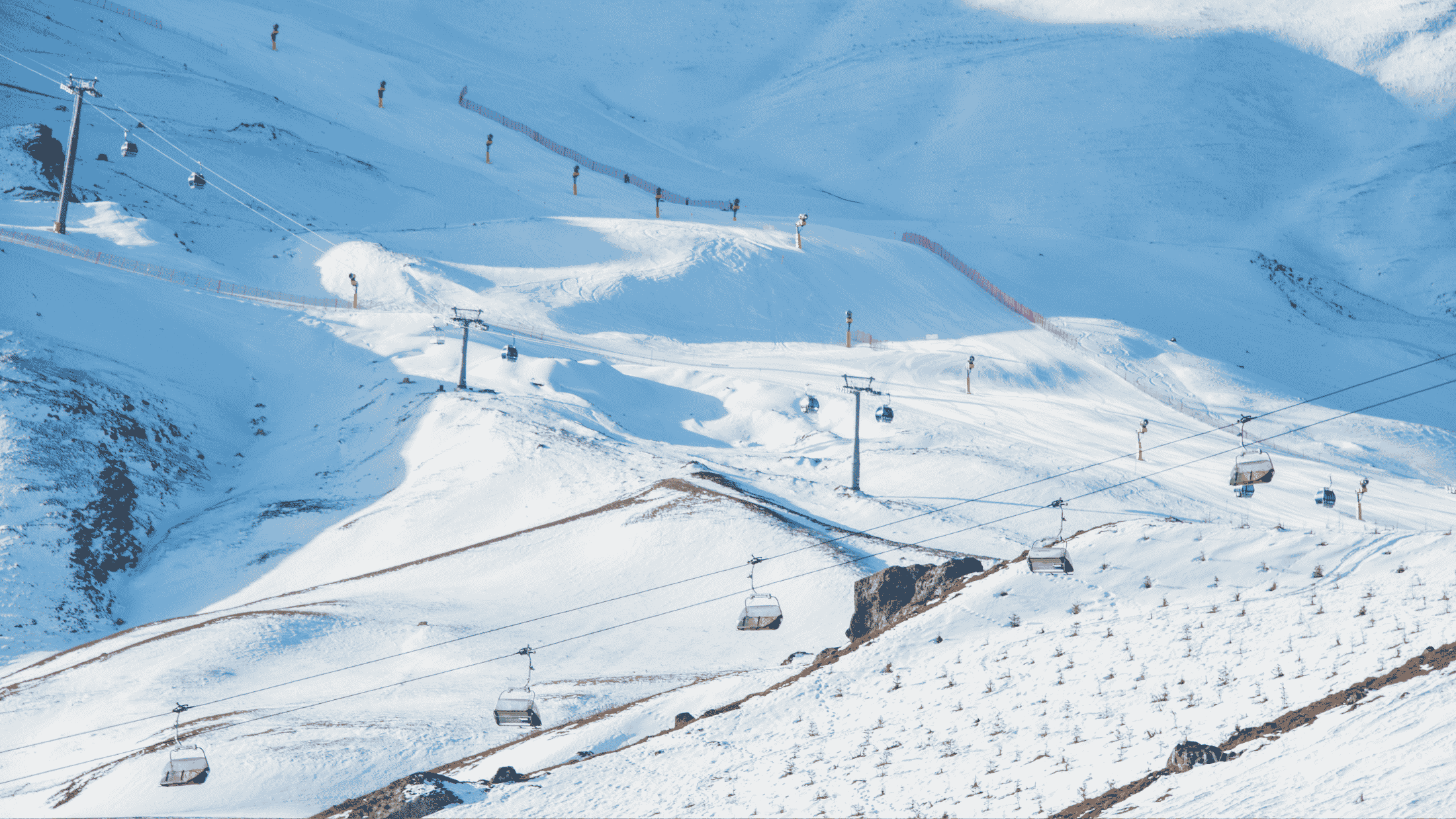
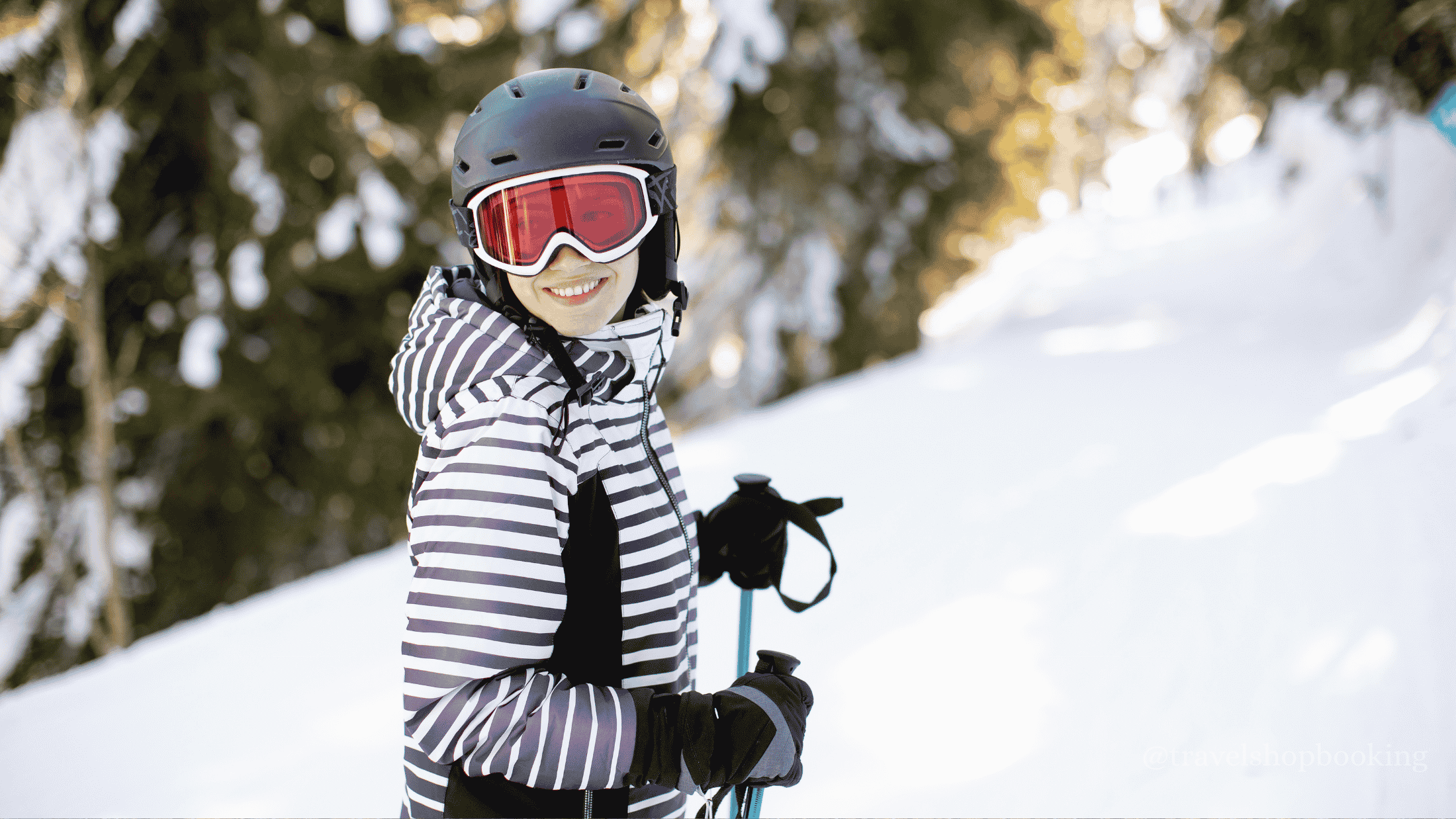
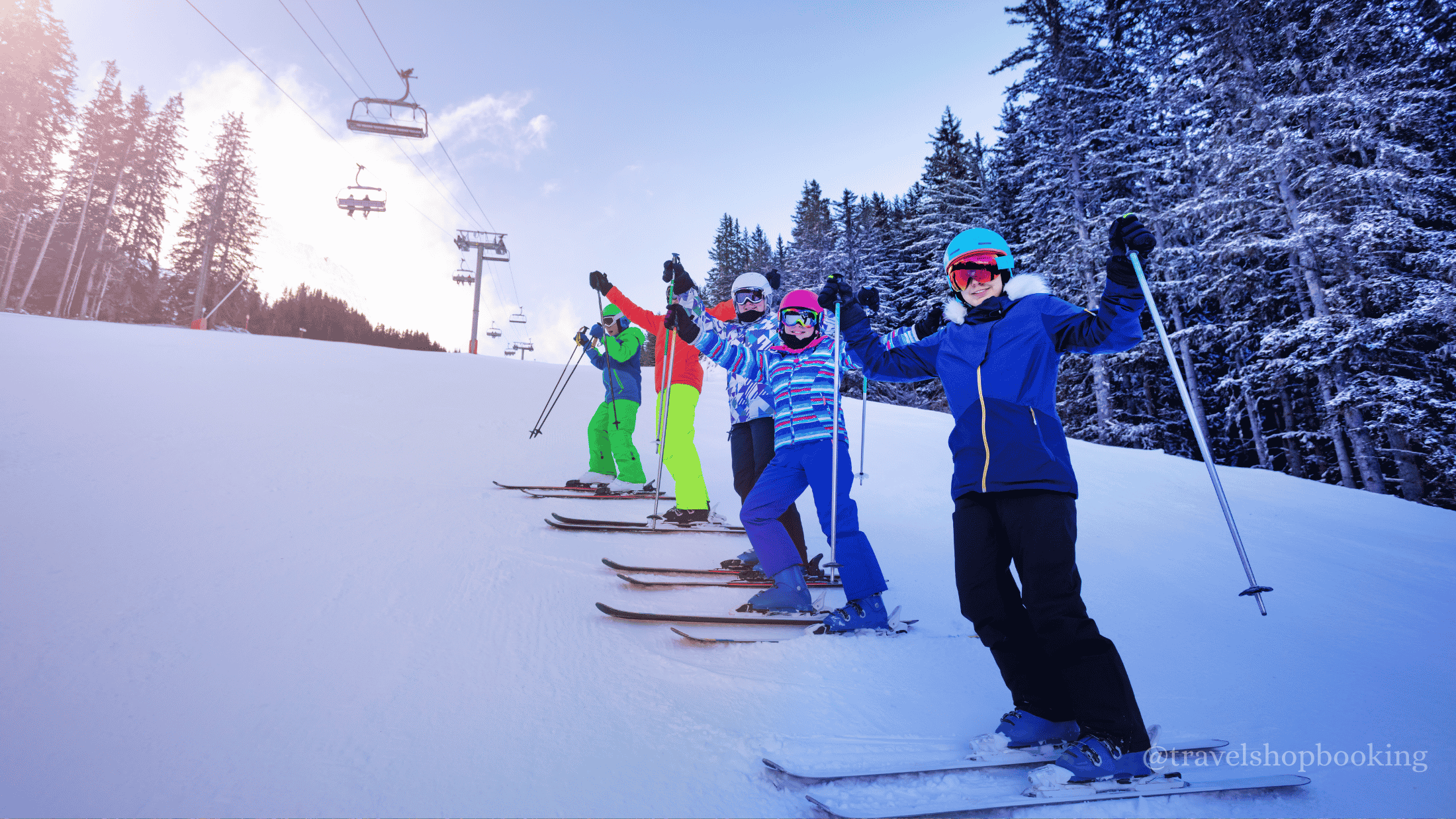
Winter transforms Bosnia and Herzegovina into a mountain destination. Sarajevo often experiences snowfall, while nearby resorts attract visitors for skiing, snowboarding, and other winter activities.
Jahorina, Bjelašnica, and Vlašić are among the country’s main ski areas. These resorts offer slopes for different experience levels and are generally more affordable than many major Alpine destinations.
Winter is also a good time to experience Sarajevo’s cafés, traditional restaurants, museums, and historic neighborhoods. Road conditions in mountainous areas can be difficult after heavy snowfall, so travelers should check local conditions before driving.
Visiting Bosnia and Herzegovina in Autumn (September to November)
Autumn is one of the most pleasant seasons to visit the country. September remains warm enough for outdoor activities, while October brings cooler temperatures and colorful mountain landscapes.
This season is ideal for road trips, photography, cultural tours, and nature walks. Sarajevo, Mostar, Jajce, Blagaj, and Travnik are usually quieter than during the summer months.
By November, temperatures begin to fall and rainfall becomes more frequent. However, accommodation prices are often lower, making late autumn suitable for travelers focused on city breaks and cultural attractions.
Visiting Bosnia and Herzegovina in Winter (December to February)
Winter transforms Bosnia and Herzegovina into a mountain destination. Sarajevo often experiences snowfall, while nearby resorts attract visitors for skiing, snowboarding, and other winter activities.
Jahorina, Bjelašnica, and Vlašić are among the country’s main ski areas. These resorts offer slopes for different experience levels and are generally more affordable than many major Alpine destinations.
Winter is also a good time to experience Sarajevo’s cafés, traditional restaurants, museums, and historic neighborhoods. Road conditions in mountainous areas can be difficult after heavy snowfall, so travelers should check local conditions before driving.
Best Time to Visit Bosnia and Herzegovina for Sightseeing
The best time for sightseeing is April to June and September to October. Temperatures during these months are suitable for walking through old towns, visiting mosques, churches, bridges, museums, and archaeological sites.
This period is ideal for visiting:
Sarajevo
Mostar
Travnik
Jajce
Blagaj
Late spring is especially attractive because the landscapes are green and waterfalls are powerful. Early autumn offers warm days, fewer visitors, and more comfortable conditions in southern destinations such as Mostar.
Best Time to Visit Bosnia and Herzegovina for Hiking and Nature
The best time for hiking and nature activities is generally May to October. Mountain trails become more accessible after the winter snow melts, while national parks and river valleys offer excellent conditions for outdoor exploration.
Popular nature destinations include:
Una National Park
Sutjeska National Park
Kozara National Park
Prokoško Lake
Blidinje Nature Park
Kravica Waterfalls
June and September are particularly good months for hiking because temperatures are usually more comfortable than in July and August. Weather can change quickly in mountain areas, so suitable footwear and layered clothing are recommended.
Best Time to Visit Bosnia and Herzegovina for Rafting
The rafting season generally runs from May to September. River conditions vary depending on rainfall and snowmelt, but late spring and early summer often provide stronger currents.
The Neretva River near Konjic is one of the country’s most popular rafting destinations. The Una River near Bihać is also known for its clear water, waterfalls, and beautiful natural surroundings.
Travelers looking for a more relaxed experience may prefer July or August, while those seeking faster water conditions often choose May or June.
Best Places to Visit in Bosnia and Herzegovina by Season
Different parts of Bosnia and Herzegovina are better suited to different seasons. A seasonal itinerary can combine historic cities, mountain scenery, river activities, and traditional villages.
Spring Destinations
Spring is ideal for waterfalls, cultural cities, and countryside trips.
Recommended places include:
Sarajevo
Mostar
Jajce
Kravica Waterfalls
Blagaj
Travnik
Summer Destinations
Summer is best for rafting, hiking, national parks, and scenic road trips.
Top destinations include:
Una National Park
Sutjeska National Park
Konjic
Neum
Prokoško Lake
Neretva River
Autumn Destinations
Autumn is perfect for city tours, photography, and mountain landscapes.
Recommended destinations include:
Sarajevo
Mostar
Travnik
Jajce
Blidinje Nature Park
Počitelj
Winter Destinations
Winter is ideal for skiing, snowy mountain scenery, and cultural city breaks.
Popular winter destinations include:
Sarajevo
Jahorina
Bjelašnica
Vlašić
Olympic Mountains
Frequently Asked Questions
What is the best month to visit Bosnia and Herzegovina?
September is one of the best months to visit Bosnia and Herzegovina. The weather is generally warm and comfortable, summer crowds begin to decrease, and outdoor attractions remain accessible.
Is Bosnia and Herzegovina worth visiting in summer?
Yes. Summer is ideal for rafting, hiking, road trips, waterfalls, and national parks. However, Mostar can become very hot during July and August.
When is the best time to visit Sarajevo?
The best time to visit Sarajevo is usually May to June and September to October. These periods provide comfortable weather for exploring the city’s historic neighborhoods and cultural attractions.
When is the best time to visit Mostar?
April to June and September to October are the best periods for Mostar. July and August are popular but can be extremely hot and crowded during the middle of the day.
Does Bosnia and Herzegovina get snow?
Yes. Snow is common during winter, particularly in Sarajevo, the central mountain regions, and ski destinations such as Jahorina, Bjelašnica, and Vlašić.
What is the cheapest time to visit Bosnia and Herzegovina?
March, April, October, and November are generally more affordable than the summer season. Winter city breaks can also be economical outside the main ski and holiday periods.
How many days are enough for Bosnia and Herzegovina?
A 5 to 7-day itinerary is enough to visit Sarajevo, Mostar, Blagaj, Počitelj, and one or two natural attractions. Travelers planning to include national parks, rafting, or northern Bosnia should allow 8 to 10 days.
Loading comments…