
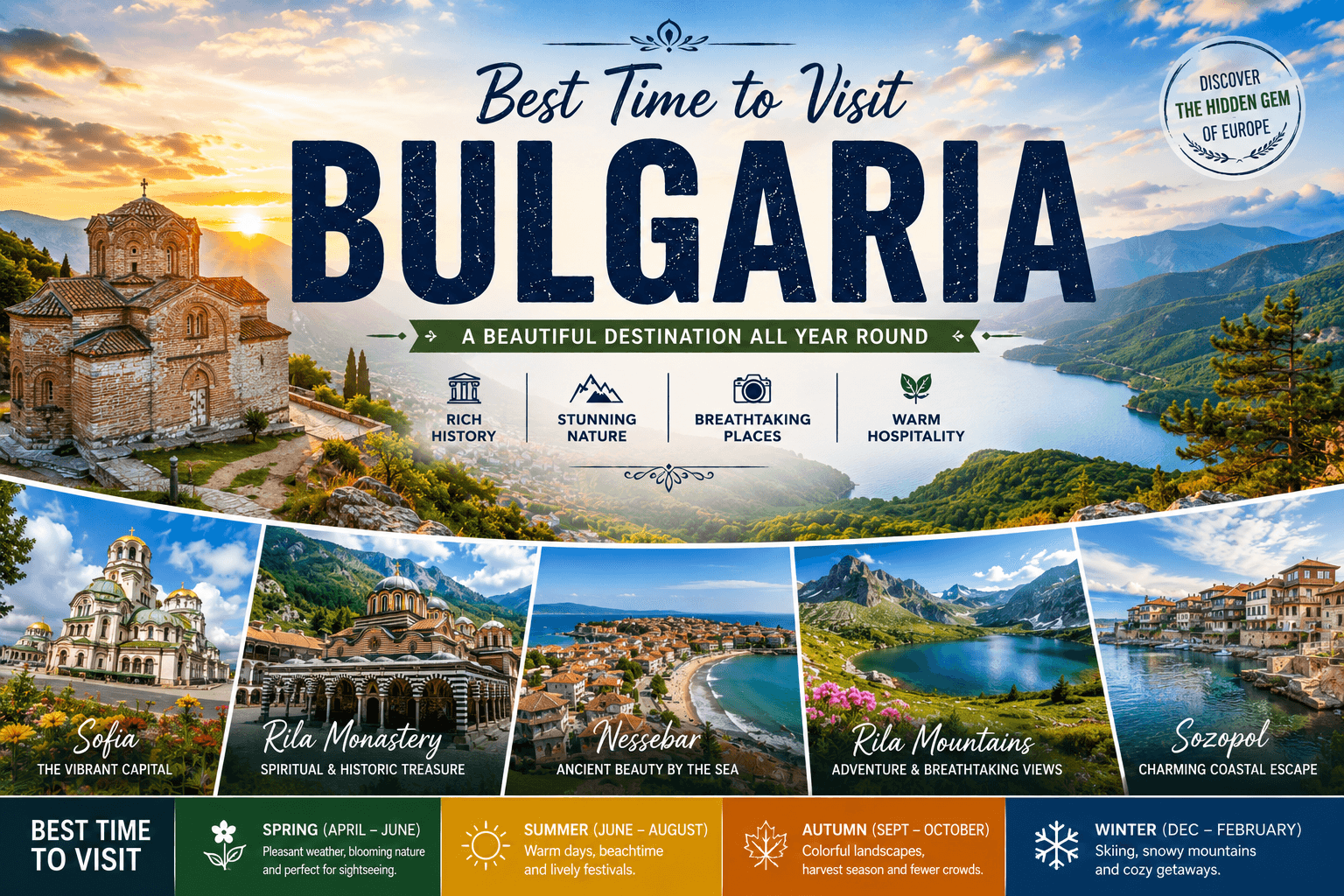
Bulgaria is a diverse Balkan destination offering historic cities, Black Sea beaches, mountain ranges, ski resorts, monasteries, traditional villages, and archaeological sites. Travelers can explore Sofia and Plovdiv, relax in coastal resorts such as Varna and Burgas, hike through the Rila and Pirin mountains, or visit medieval towns and Orthodox monasteries.
The best time to visit Bulgaria depends on the type of trip you are planning. Spring and autumn are suitable for sightseeing and cultural tours, summer is the main season for Black Sea holidays and hiking, while winter attracts visitors to the country’s ski resorts.
When Is the Best Time to Visit Bulgaria?
For most travelers, the best time to visit Bulgaria is between May and October. During this period, temperatures are generally comfortable, mountain trails are accessible, and coastal destinations are active.
May, June, September, and early October provide a good balance of pleasant weather and manageable visitor numbers. July and August are the hottest and busiest months, especially along the Black Sea coast.
Travel Style Best Months
Sightseeing April – June, September – October
Beach Holidays June – September
Hiking and Nature May – October
Ski Holidays December – March
Cultural Tours April – June, September – October
Budget Travel March – April, October – November
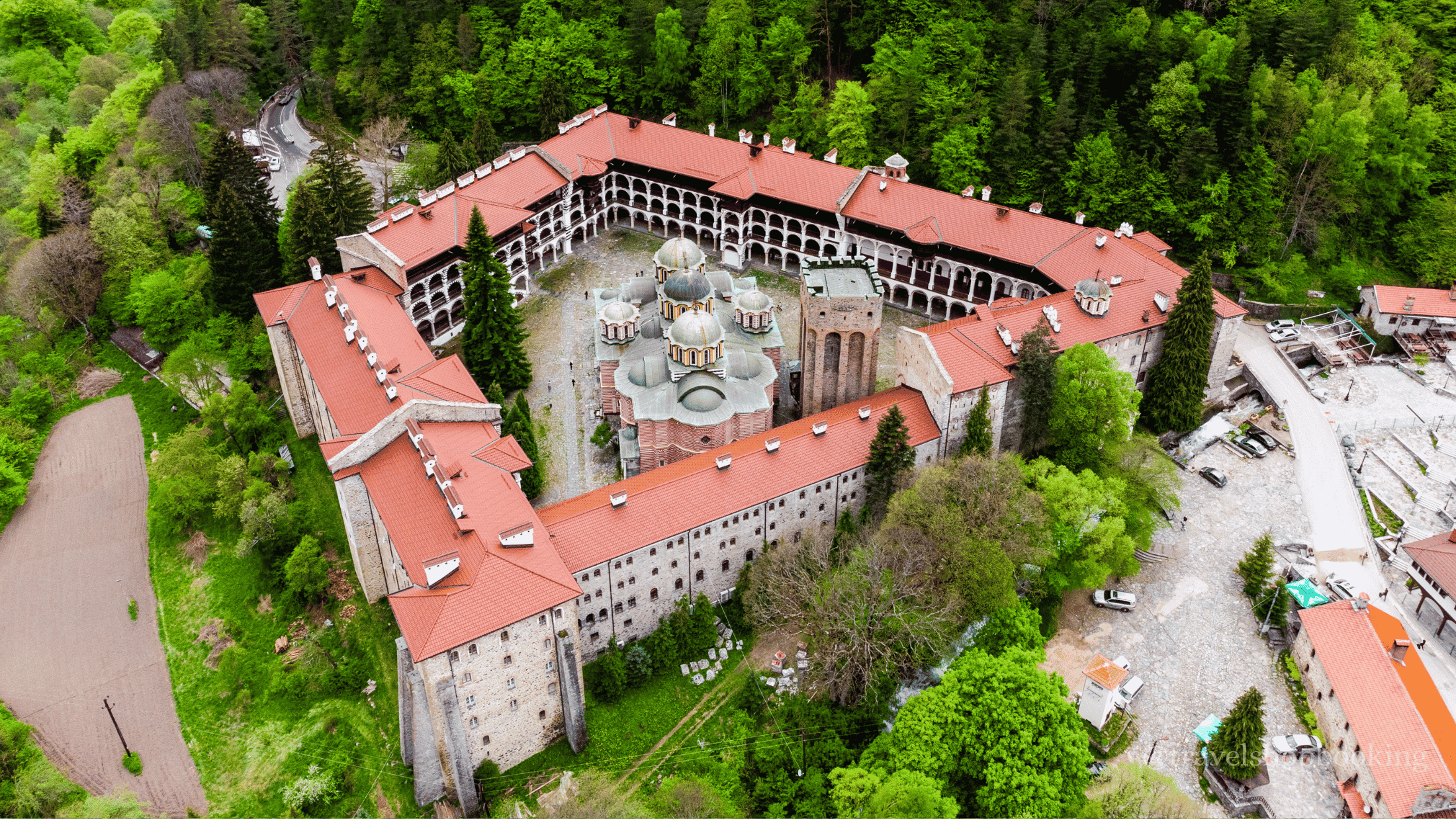
Bulgaria Weather Throughout the Year
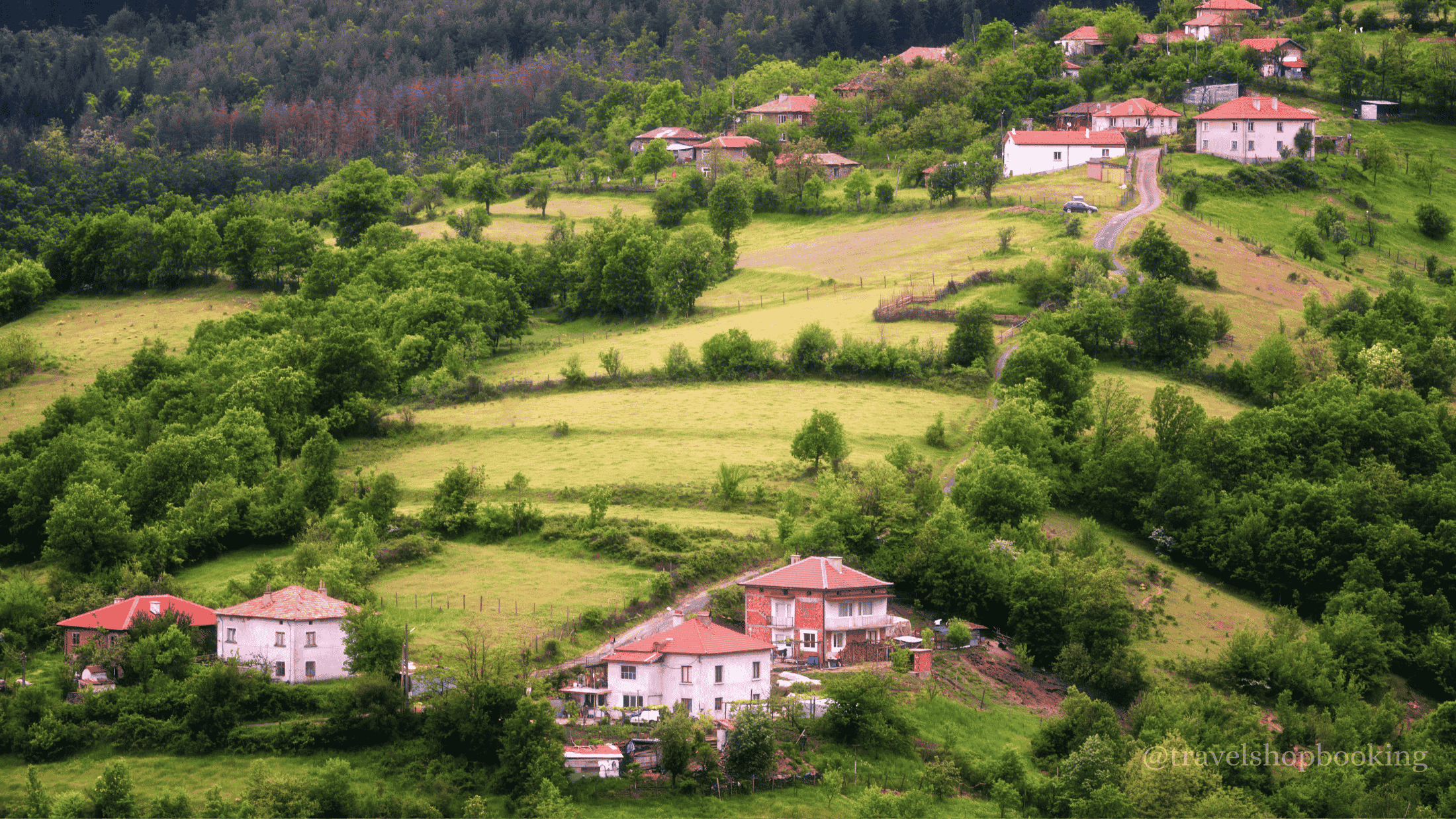
Bulgaria has four distinct seasons. Summers are generally hot and dry, particularly in central and southern regions, while winters can be cold and snowy. The Black Sea coast has milder conditions, and the mountain areas remain cooler throughout the year.
Weather can vary considerably between Sofia, the coast, and the higher mountain regions. Travelers planning a multi-region itinerary should prepare for changing temperatures.
Visiting Bulgaria in Spring (March to May)
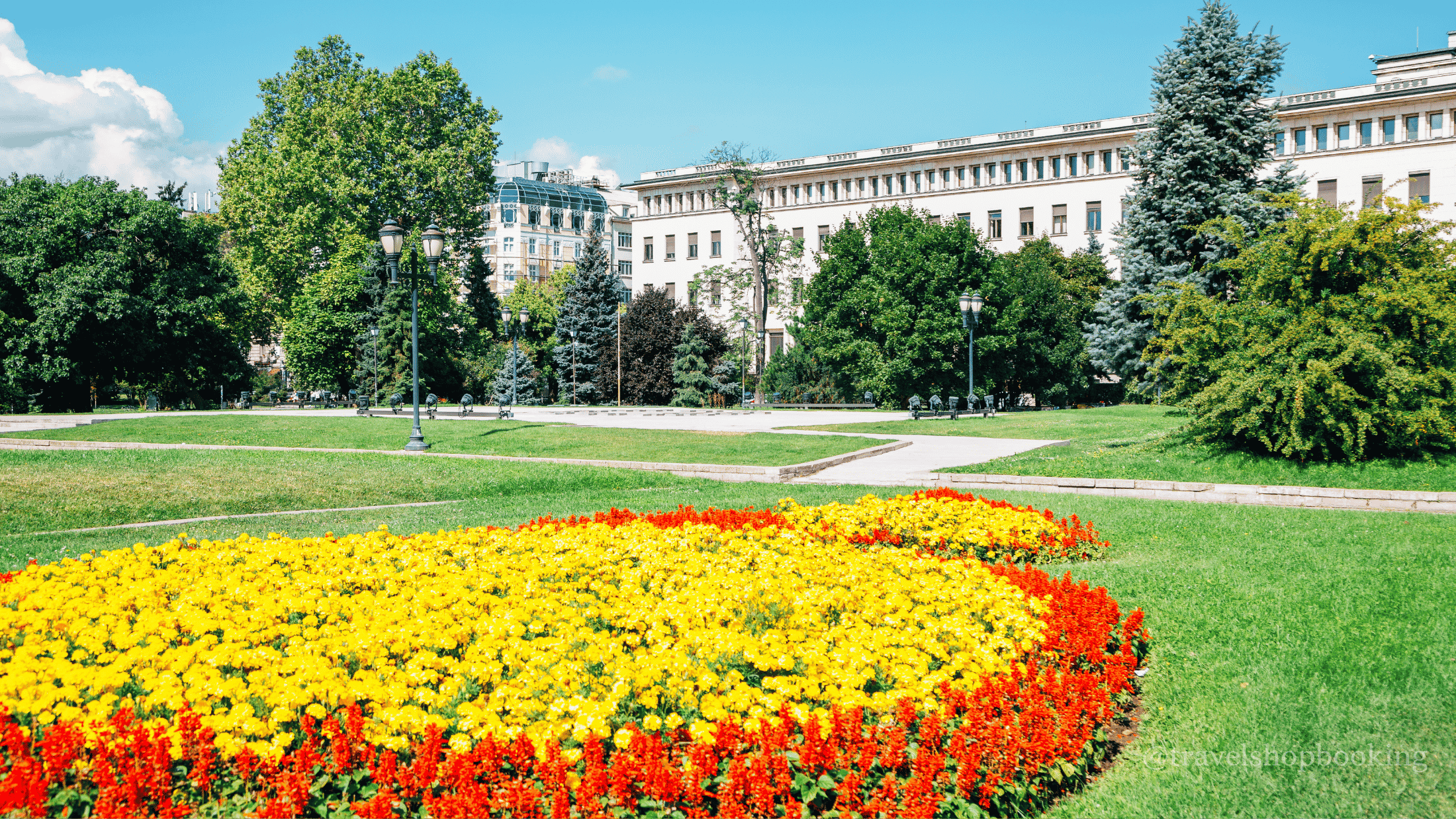
Spring is one of the best periods for sightseeing in Bulgaria. Temperatures gradually become warmer, parks and countryside areas turn green, and major cities are less crowded than during summer.
March can still feel cold, particularly in Sofia and the mountains. April and May offer better conditions for walking tours, monastery visits, archaeological sites, and road trips.
Sofia, Plovdiv, Veliko Tarnovo, Rila Monastery, and the Rose Valley are all suitable spring destinations. Late May is especially attractive in central Bulgaria when roses begin to bloom around Kazanlak.
Visiting Bulgaria in Summer (June to August)
Summer is the busiest travel season in Bulgaria. The Black Sea coast attracts visitors to beaches, seaside towns, resorts, and nightlife areas, while the mountains become popular for hiking and outdoor activities.
Temperatures often rise above 30°C in inland cities such as Plovdiv. Sofia is usually slightly cooler because of its elevation, while mountain destinations offer more comfortable conditions.
Sunny Beach, Golden Sands, Nessebar, Sozopol, Varna, and Burgas are among the main summer destinations. July and August are the busiest months, so accommodation near the coast should be booked in advance.
Visiting Bulgaria in Autumn (September to November)
Autumn is one of the most comfortable seasons for visiting Bulgaria. September remains warm enough for coastal trips, while October offers cooler weather and colorful mountain landscapes.
This season is suitable for cultural tours, wine experiences, hiking, photography, and road trips. Sofia, Plovdiv, Veliko Tarnovo, Melnik, and the Rhodope Mountains are especially attractive.
By November, temperatures fall and rainfall becomes more frequent. However, hotel prices are often lower, and museums, monasteries, and city attractions remain open.
Visiting Bulgaria in Winter (December to February)
Winter is the main season for skiing and snow-related activities in Bulgaria. The mountains receive regular snowfall, and several resorts provide facilities for skiing, snowboarding, and winter holidays.
Bansko, Borovets, and Pamporovo are the country’s leading ski destinations. They are generally more affordable than many large Alpine resorts, making Bulgaria popular with budget-conscious winter travelers.
Sofia, Plovdiv, and Veliko Tarnovo can also be visited in winter, although temperatures may fall below freezing. December offers Christmas markets and seasonal decorations in larger cities.
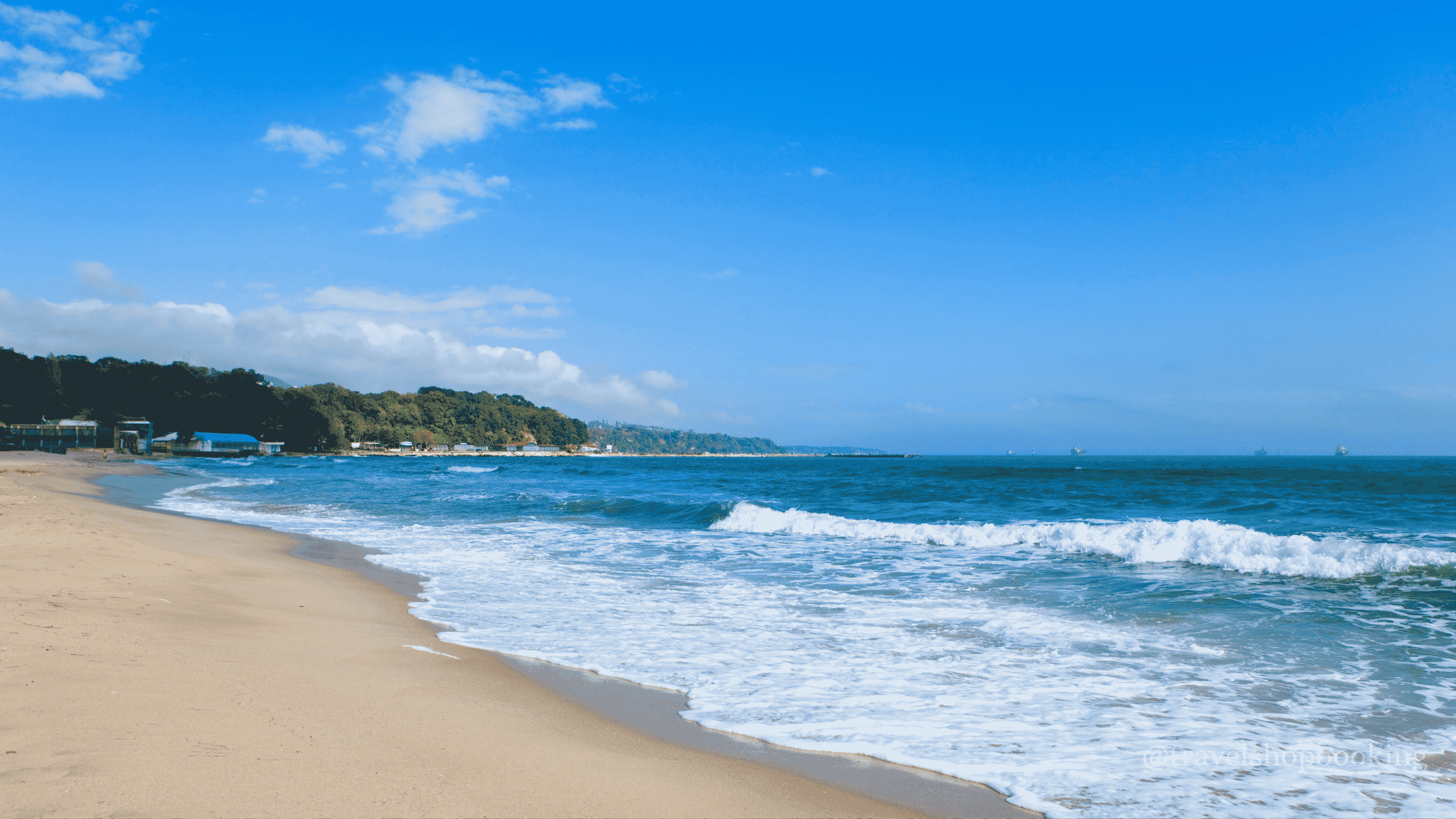
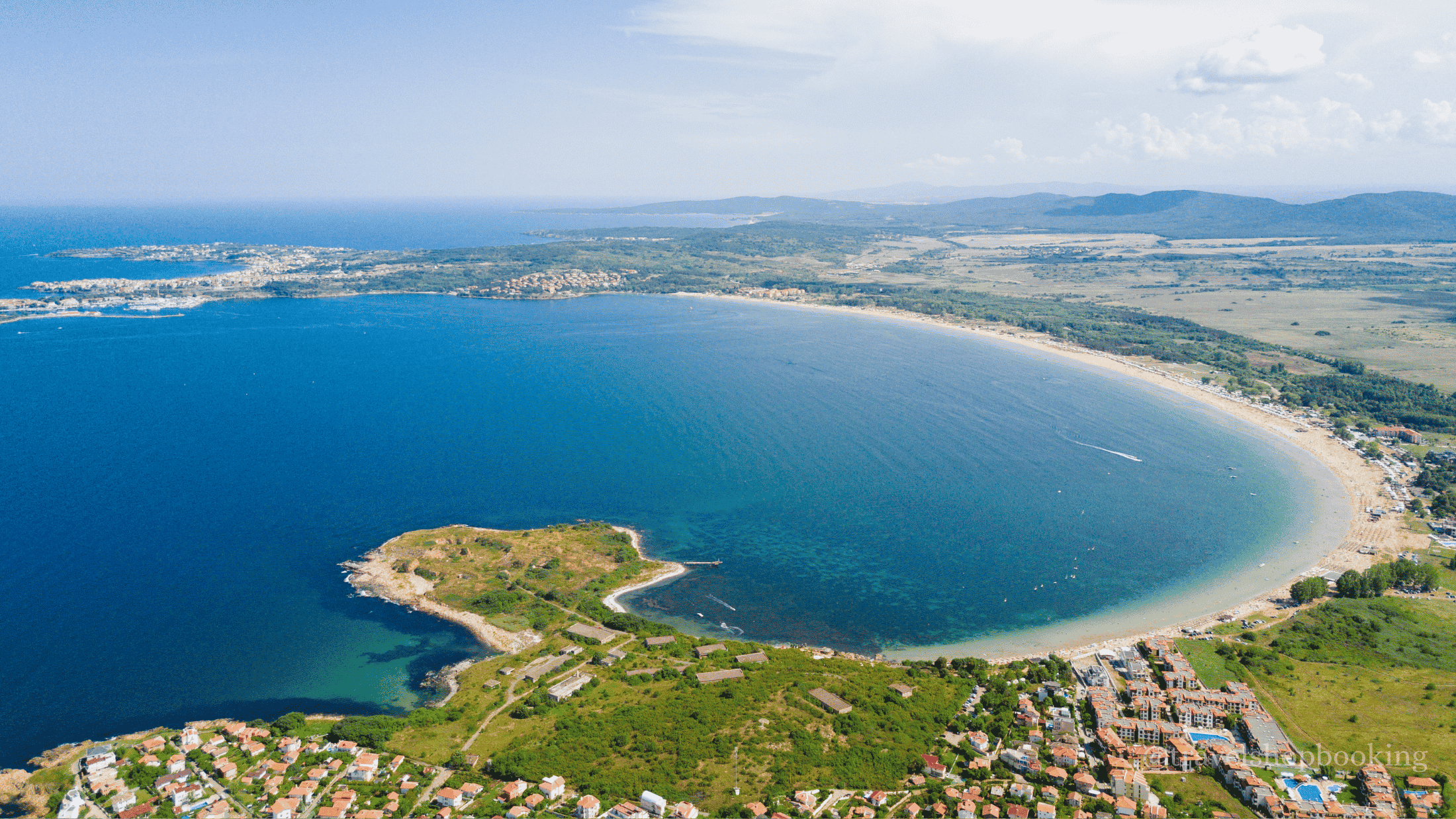
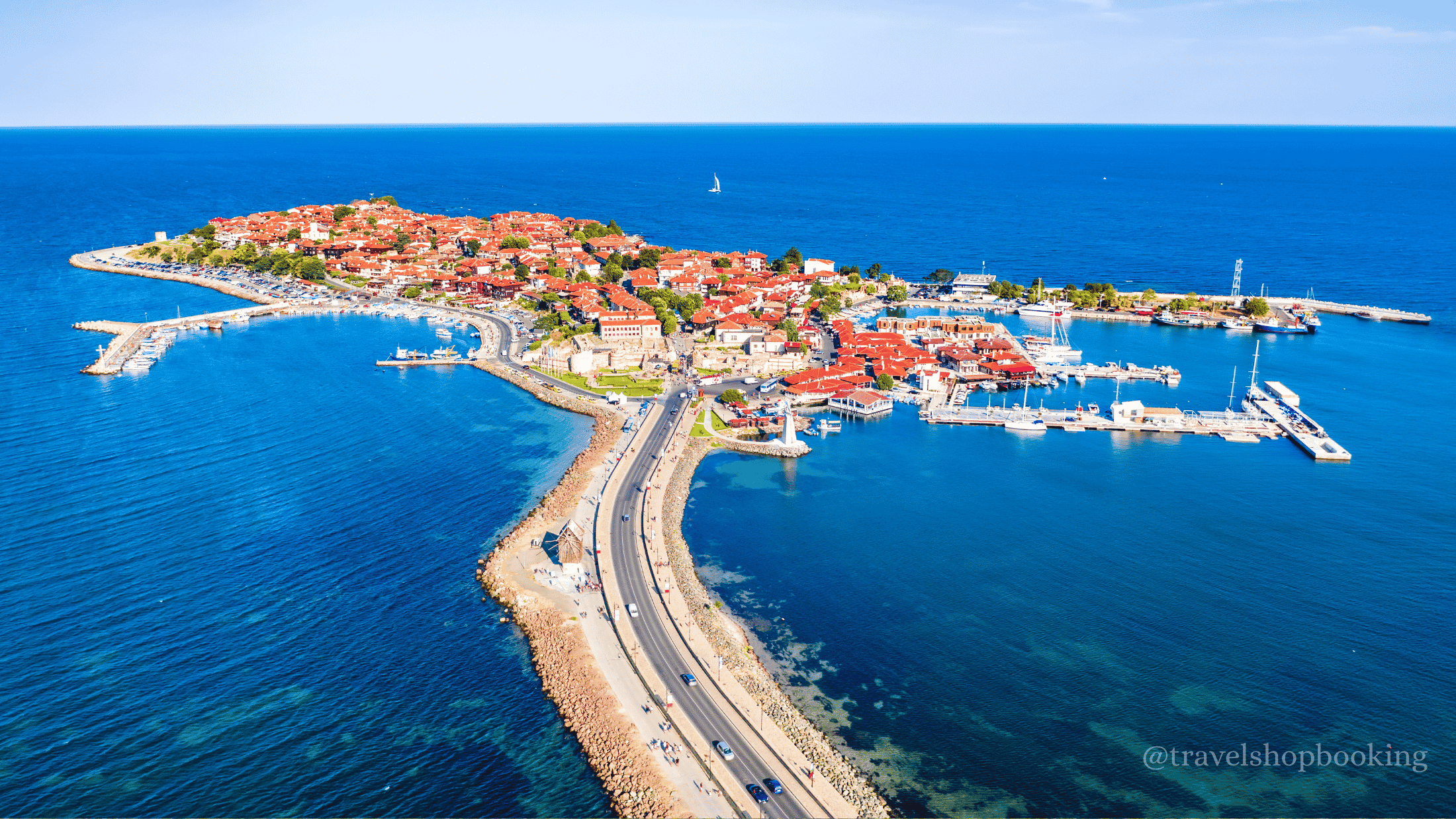
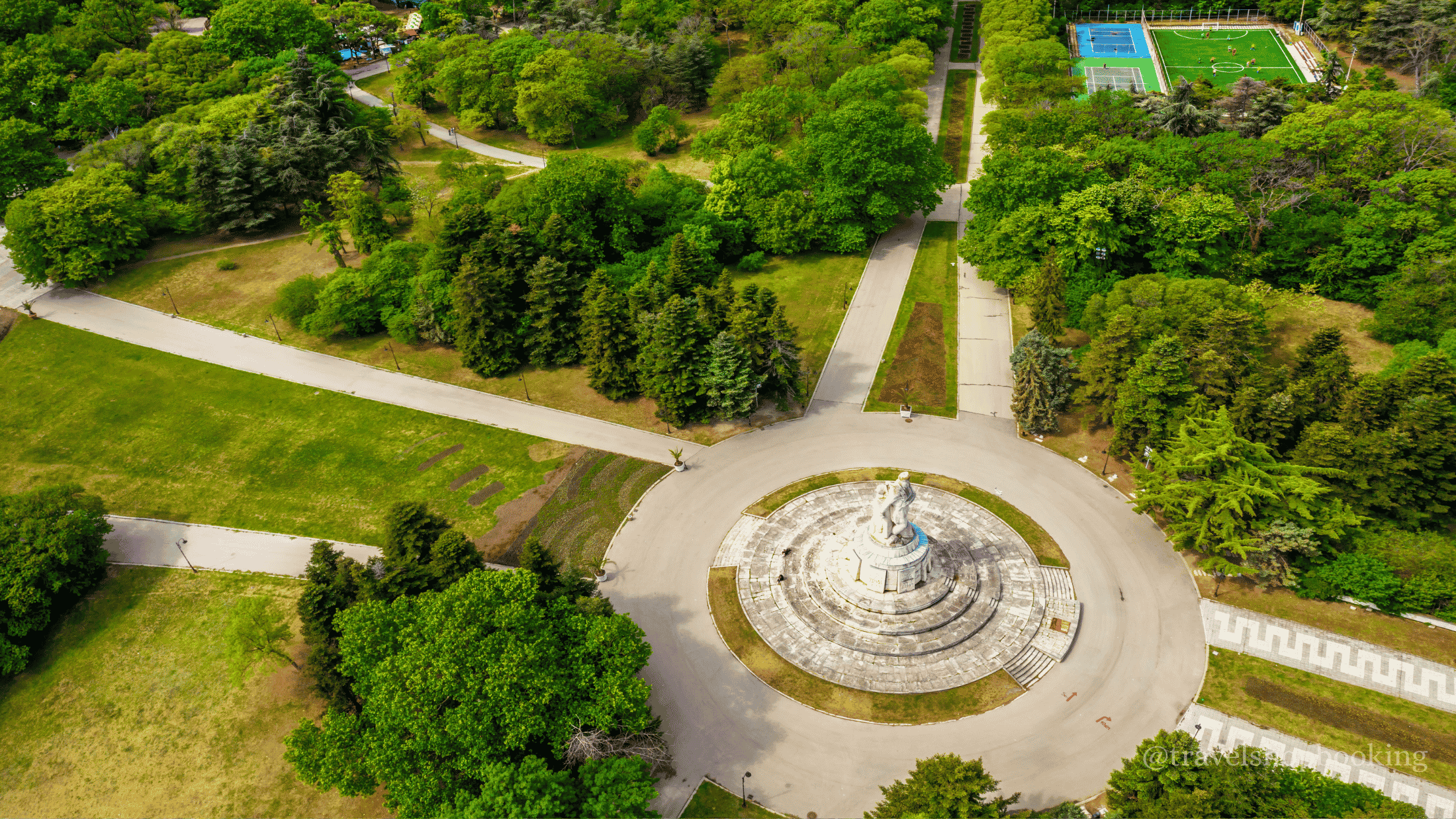
Best Time to Visit Bulgaria for Sightseeing
The best time for sightseeing is April to June and September to October. These months provide comfortable conditions for exploring old towns, monasteries, museums, fortresses, and archaeological sites.
This period is ideal for visiting:
Sofia
Plovdiv
Veliko Tarnovo
Rila Monastery
Nessebar
May and September are especially convenient for multi-city itineraries because temperatures are generally mild and popular attractions are less crowded than during peak summer.
Best Time to Visit Bulgaria for Beaches
The main beach season runs from June to September. July and August offer the warmest weather and sea temperatures, but they also bring the largest crowds.
Travelers looking for a quieter coastal holiday may prefer June or September. Many beach resorts remain active, while accommodation prices can be lower than during the middle of summer.
Popular coastal destinations include:
Sunny Beach
Golden Sands
Nessebar
Sozopol
Varna
Burgas
Albena
Best Time to Visit Bulgaria for Hiking and Nature
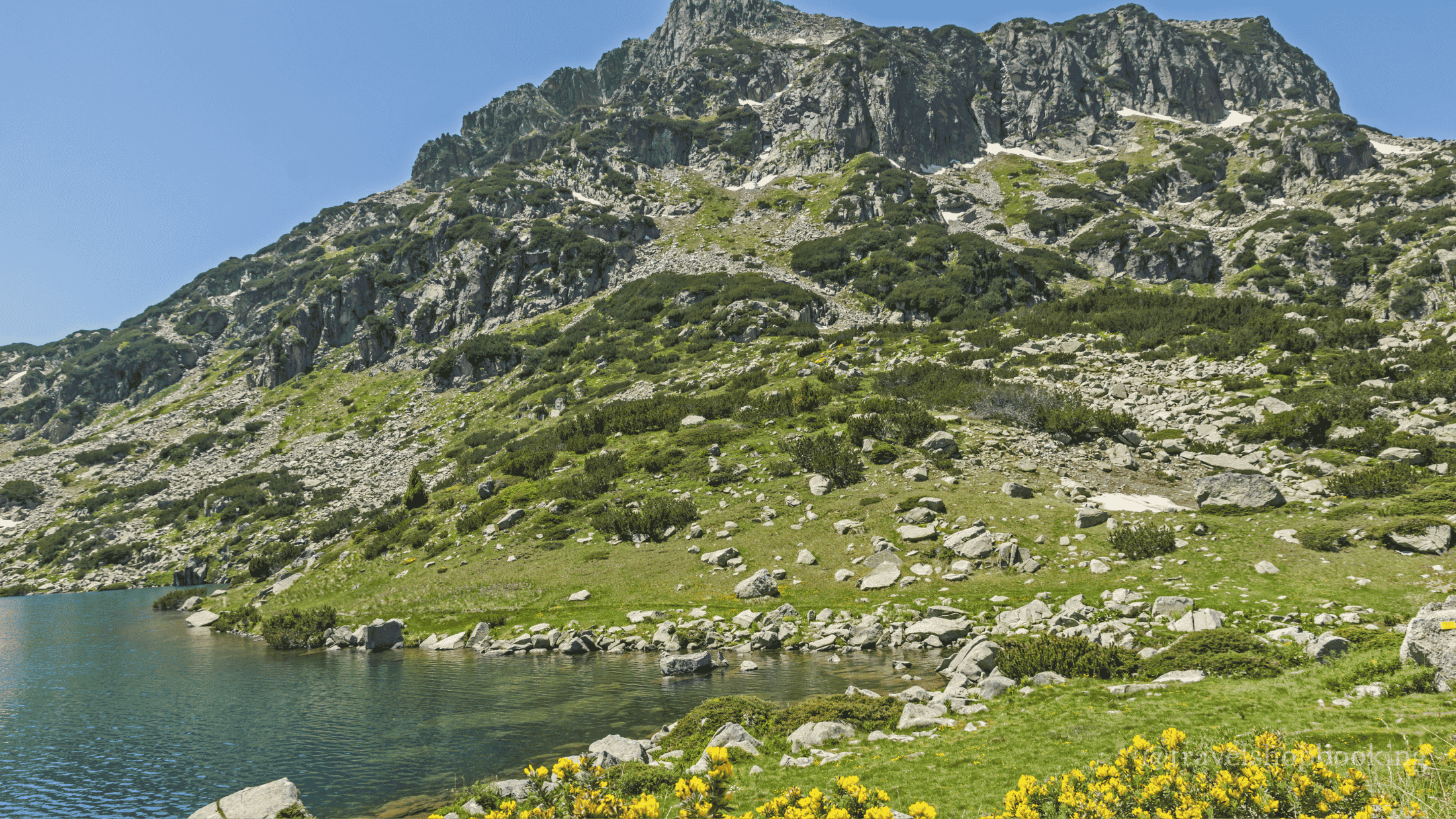
The best period for hiking is generally May to October. Mountain trails become accessible after winter, and conditions are suitable for visiting national parks, lakes, waterfalls, and rural areas.
Popular nature destinations include:
Rila Mountains
Pirin National Park
Seven Rila Lakes
Rhodope Mountains
Central Balkan National Park
Vitosha Mountain
June and September are particularly good months for hiking because they provide long days without the strongest midsummer heat. Weather can change quickly at higher elevations, so proper equipment is important.
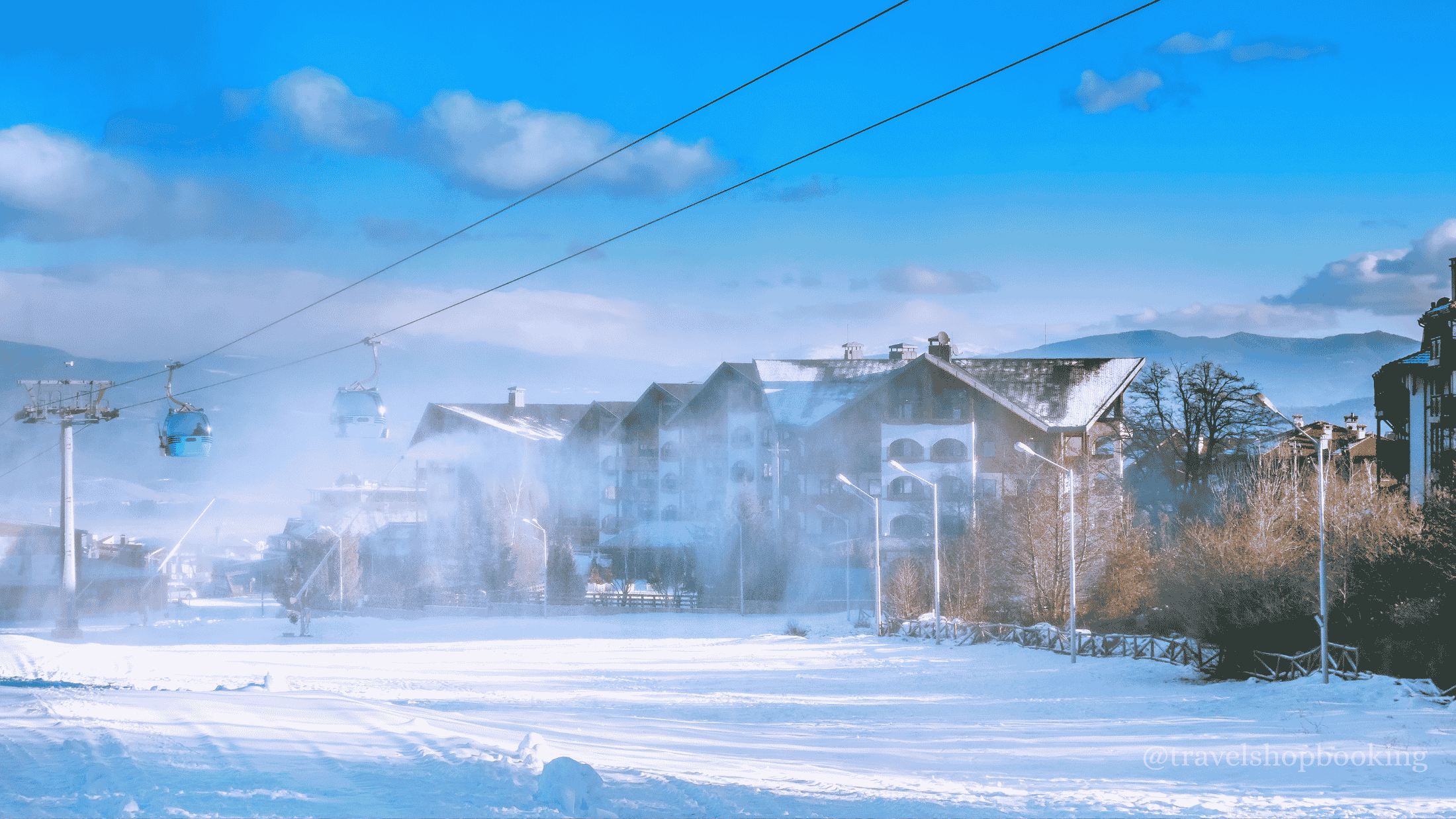
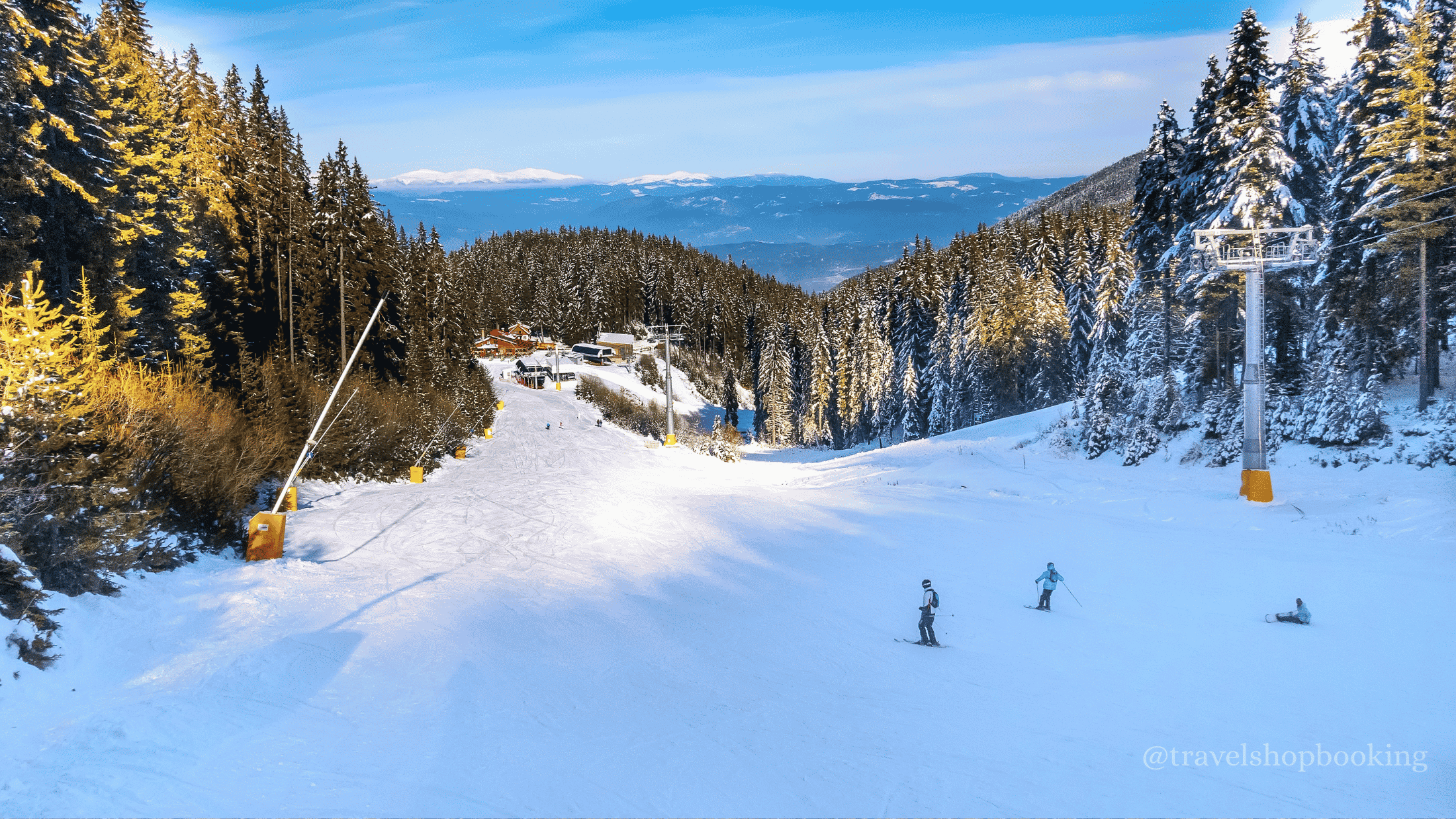
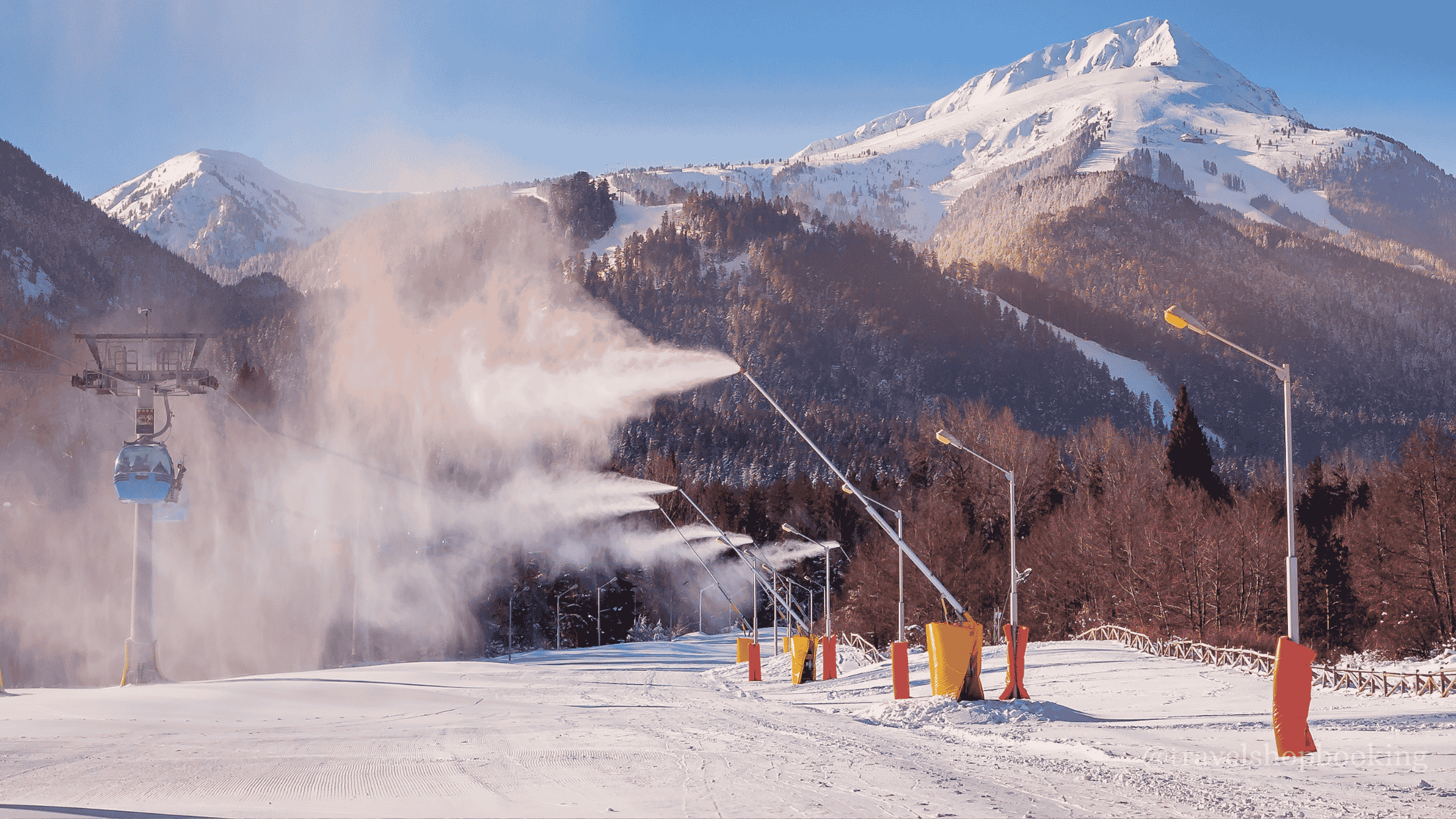
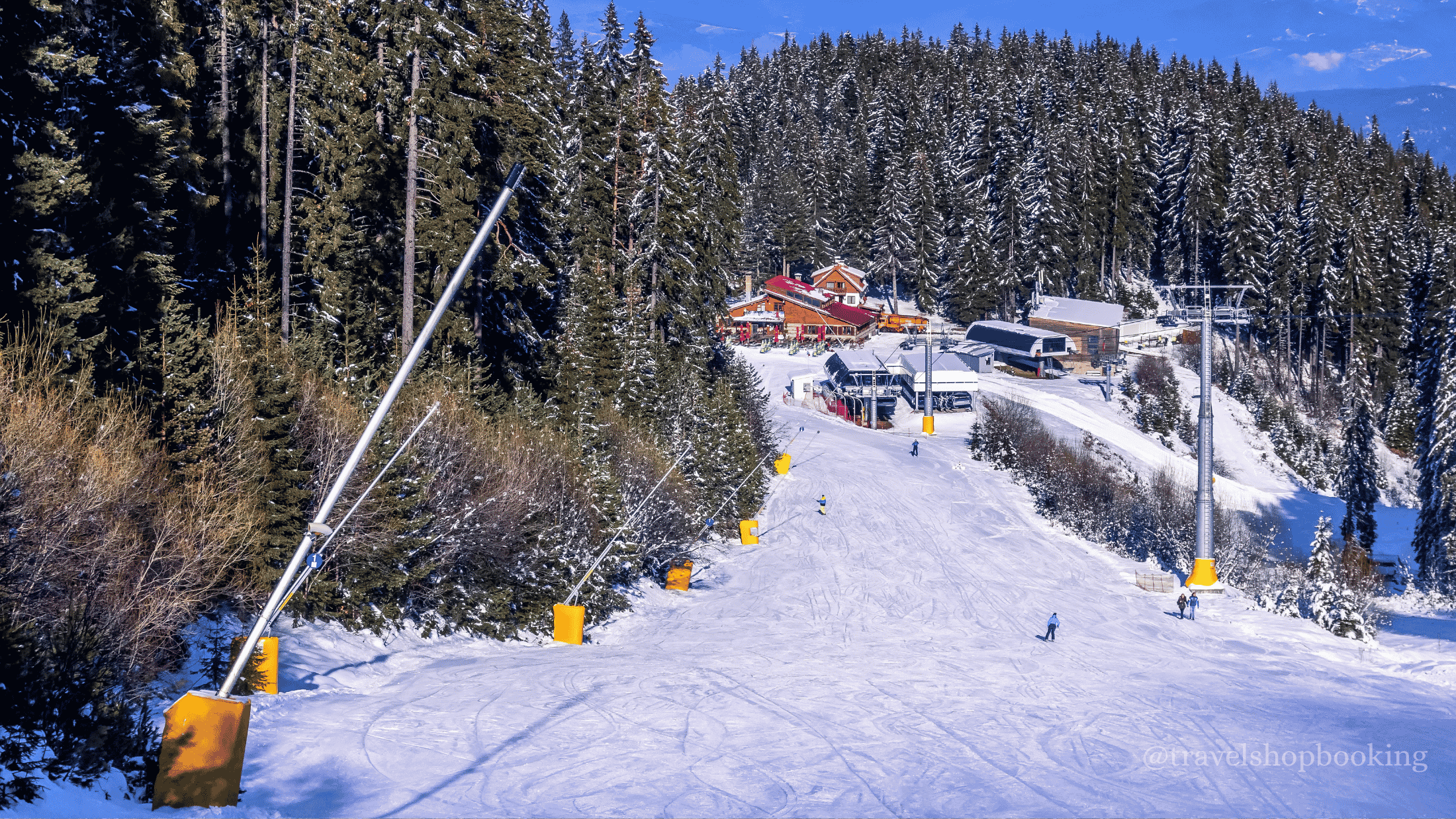
Best Time to Visit Bulgaria for Skiing
The ski season usually runs from December to March, although exact conditions depend on snowfall and altitude.
January and February generally provide the most reliable snow. December is popular for festive winter trips, while March can offer milder weather and fewer visitors.
The main ski resorts are:
Borovets
Pamporovo
Vitosha
Chepelare
Bansko is the largest and busiest option, while Pamporovo is known for its relatively sunny winter climate.
Best Places to Visit in Bulgaria by Season
Different parts of Bulgaria are better suited to different seasons. A well-planned itinerary can combine historic cities, mountain landscapes, beaches, and traditional towns.
Spring Destinations
Spring is ideal for cultural attractions, monasteries, gardens, and countryside trips.
Recommended places include:
Sofia
Plovdiv
Rila Monastery
Veliko Tarnovo
Koprivshtitsa
Summer Destinations
Summer is best for Black Sea beaches, mountain hiking, and outdoor festivals.
Top destinations include:
Nessebar
Sozopol
Varna
Burgas
Sunny Beach
Pirin Mountains
Seven Rila Lakes
Autumn Destinations
Autumn is suitable for cultural tours, colorful landscapes, wine trips, and scenic drives.
Recommended destinations include:
Plovdiv
Melnik
Rhodope Mountains
Veliko Tarnovo
Sofia
Rila Monastery
Winter Destinations
Winter is ideal for skiing, mountain scenery, spa hotels, and seasonal city breaks.
Popular winter destinations include:
Bansko
Borovets
Pamporovo
Sofia
Velingrad
Sapareva Banya
Frequently Asked Questions
What is the best month to visit Bulgaria?
May, June, and September are among the best months to visit Bulgaria. They usually offer pleasant weather, fewer crowds than July and August, and suitable conditions for sightseeing and outdoor activities.
When is the best time to visit Sofia?
The best time to visit Sofia is generally from April to June and September to October. These months provide mild weather for walking tours, parks, museums, and nearby day trips.
When is the best time to visit the Bulgarian coast?
June to September is the main coastal season. July and August are the hottest months, while June and September are better for travelers who prefer fewer crowds.
Is Bulgaria worth visiting in winter?
Yes. Bulgaria is a popular winter destination because of its affordable ski resorts, mountain scenery, spa towns, and seasonal city atmosphere.
Does Bulgaria get snow?
Yes. Snow is common during winter, especially in the Rila, Pirin, Rhodope, and Balkan mountain ranges. Sofia can also receive snowfall.
What is the cheapest time to visit Bulgaria?
March, April, October, and November are generally more affordable than the summer and ski seasons. Prices may also be lower on the coast outside July and August.
Is Bulgaria crowded during summer?
The Black Sea resorts can become crowded during July and August. Inland cities and rural areas are usually less busy, although major attractions still receive more visitors.
How many days are enough for Bulgaria?
Five to seven days are enough for Sofia, Plovdiv, Rila Monastery, and one additional region. Travelers who want to include the Black Sea coast, mountain areas, and several historic towns should plan 10 to 14 days.
Loading comments…