
Free Cancellation
-high.jpg&w=1920&q=75 "14 Days Seven Wonders of Turkey and Bulgaria Tour")
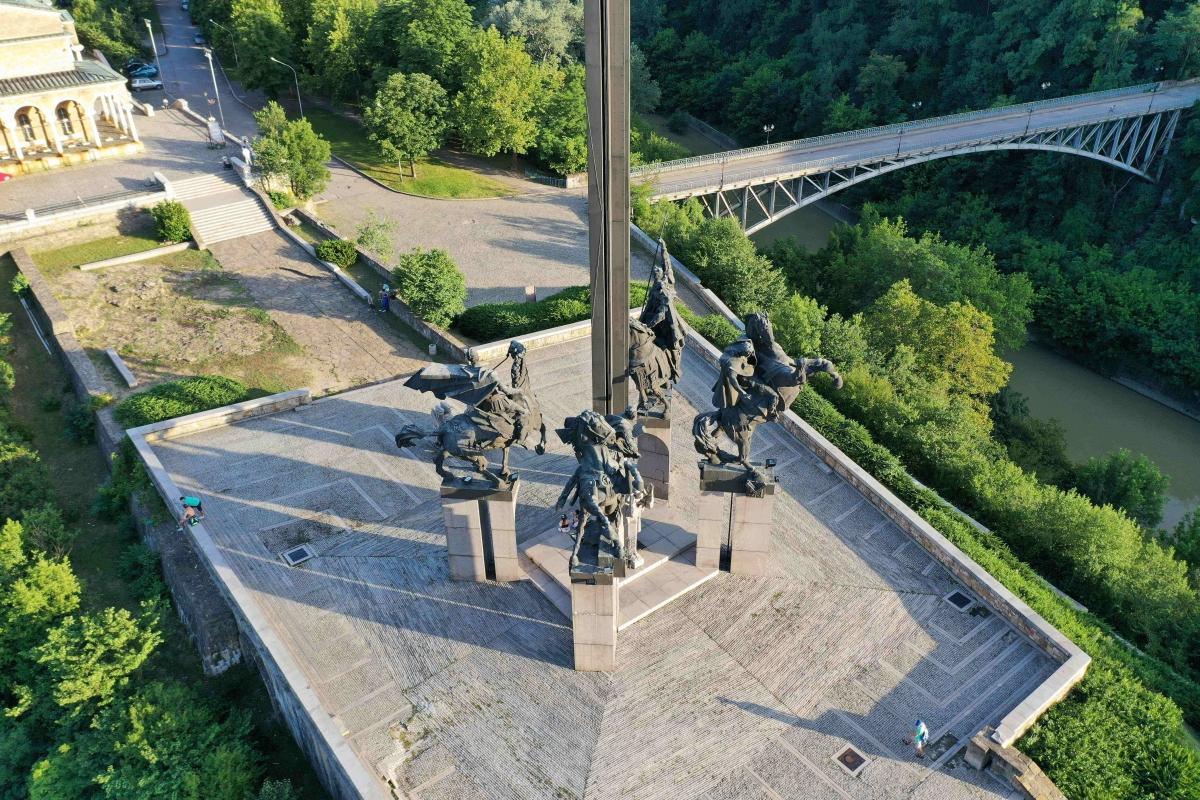
Veliko Tarnovo Tours center on the former capital of the Second Bulgarian Empire, a city built across steep hills where the Yantra River loops through a deep gorge. Between 1185 and 1396, this was the seat of Bulgarian tsars, and the fortress that once housed their palace still dominates the skyline above the river. Houses climb the surrounding cliffs in tiers, a layout that gives the city one of the most dramatic settings among Bulgaria's historic towns.
As part of a wider Bulgaria route or a dedicated stop in the country's north, Veliko Tarnovo Tours combine the medieval fortress with craft streets, museums and nearby villages that preserve the region's 19th-century architecture.
Tsarevets occupies a fortified hill encircled almost entirely by the Yantra River, connected to the rest of the city by a single approach. Within its walls stood the royal palace and the Patriarchal Cathedral, the seat of the Bulgarian Orthodox Church during the medieval empire, later reconstructed with modern murals depicting Bulgarian history. Excavated foundations mark the layout of the former royal complex, and the fortress hosts a sound and light show on the ruins after dark for visitors staying into the evening.
Facing Tsarevets across the Yantra, the Trapesitsa hill held a second fortified district during the medieval period, home to nobility and numerous churches, several of which have been partially excavated. Together, the two fortified hills and the gorge between them give Veliko Tarnovo views that draw comparisons to few other Bulgarian cities, with the old town's tiered houses visible from multiple points along the walking paths.
Below Tsarevets, Gurko Street traces the curve of the Yantra gorge with rows of 19th-century houses built directly into the cliff face, their wooden balconies stacked one above another. The street is one of the most photographed corners of the old town and offers close views of the river far below, particularly from the small bridges that cross narrower points in the gorge.
This street of restored 19th-century workshops preserves the crafts once practiced across the region, including coppersmithing, pottery and woodcarving, with several shops still working in traditional methods on-site. The street connects easily on foot to the rest of the old town and offers a quieter counterpart to the fortress visit.
Veliko Tarnovo is home to St. Cyril and St. Methodius University, one of Bulgaria's larger universities, and the student population gives the old town a livelier, less museum-like feel than many other historic Bulgarian centers, with cafes and bars filling former workshop buildings around Samovodska Charshia.
A short drive from the city center, Arbanasi preserves a cluster of fortified stone houses built by wealthy merchant families between the 16th and 18th centuries, along with several Orthodox churches decorated with frescoes from the same period. The village is a common half-day addition to a Veliko Tarnovo itinerary given its proximity and the contrast it offers to the city's medieval fortress sites.
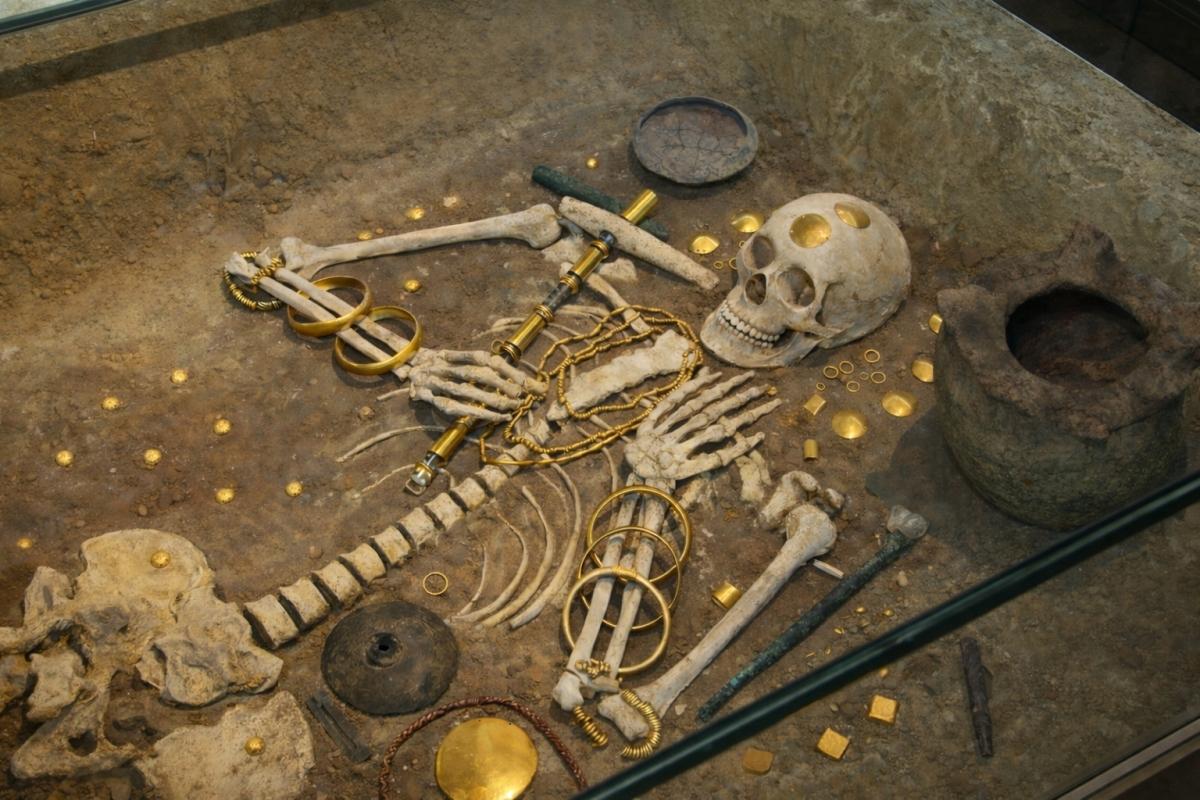
The city's central location in northern Bulgaria makes it a practical base for day trips further afield, including to Varna on the Black Sea coast. The Full-Day Private Tour: Varna & The World's Oldest Gold from Veliko Tarnovo pairs the coastal city with a visit to artifacts from the Varna Necropolis, among the oldest worked gold ever discovered.
Spring and early autumn bring the most comfortable conditions for walking between the fortress hills and the surrounding old town. The sound and light show at Tsarevets runs primarily in the warmer months, and winter visits tend to focus more on the museums and craft street than the outdoor fortress paths.