
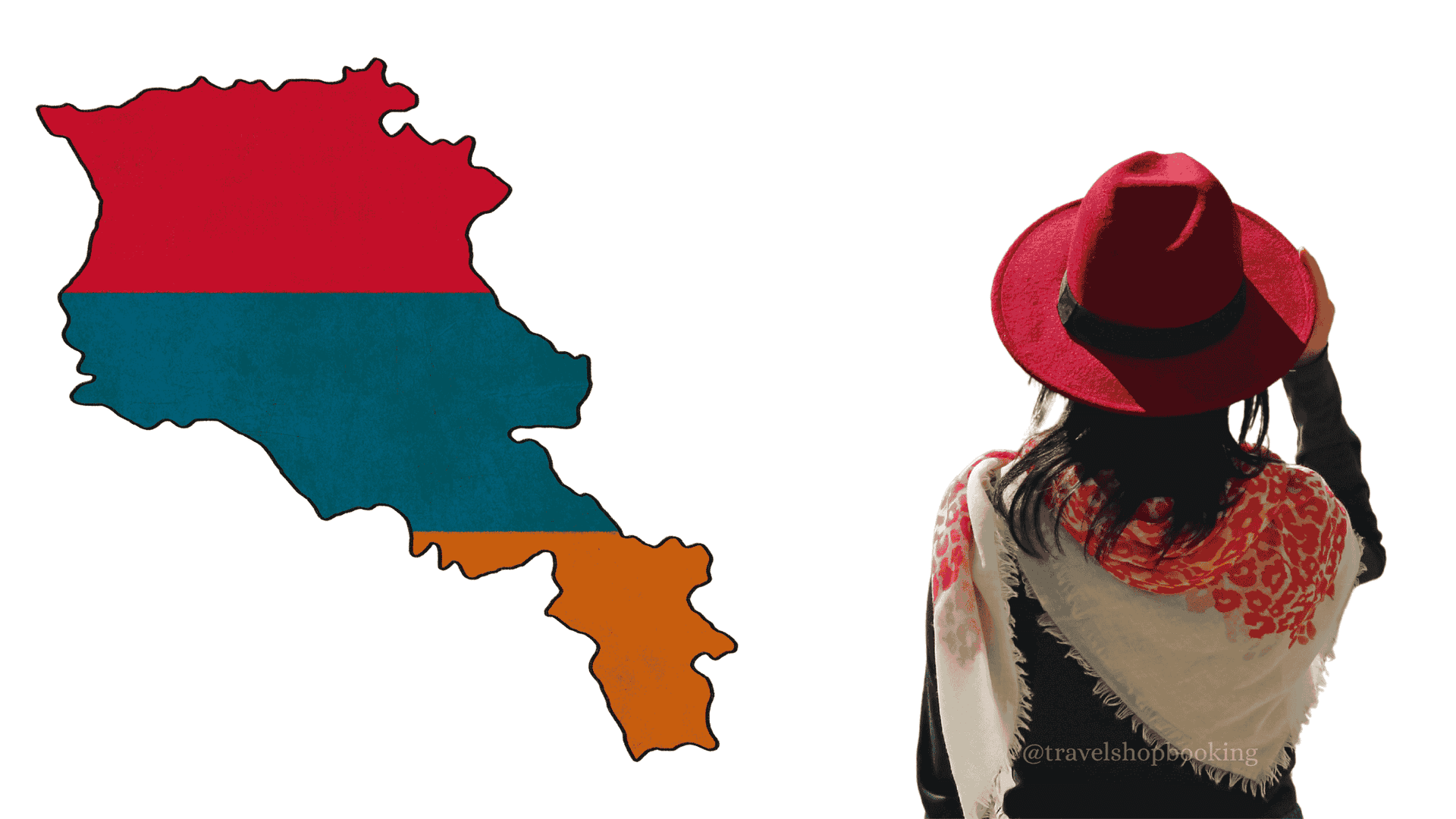
Why Travel to Armenia?
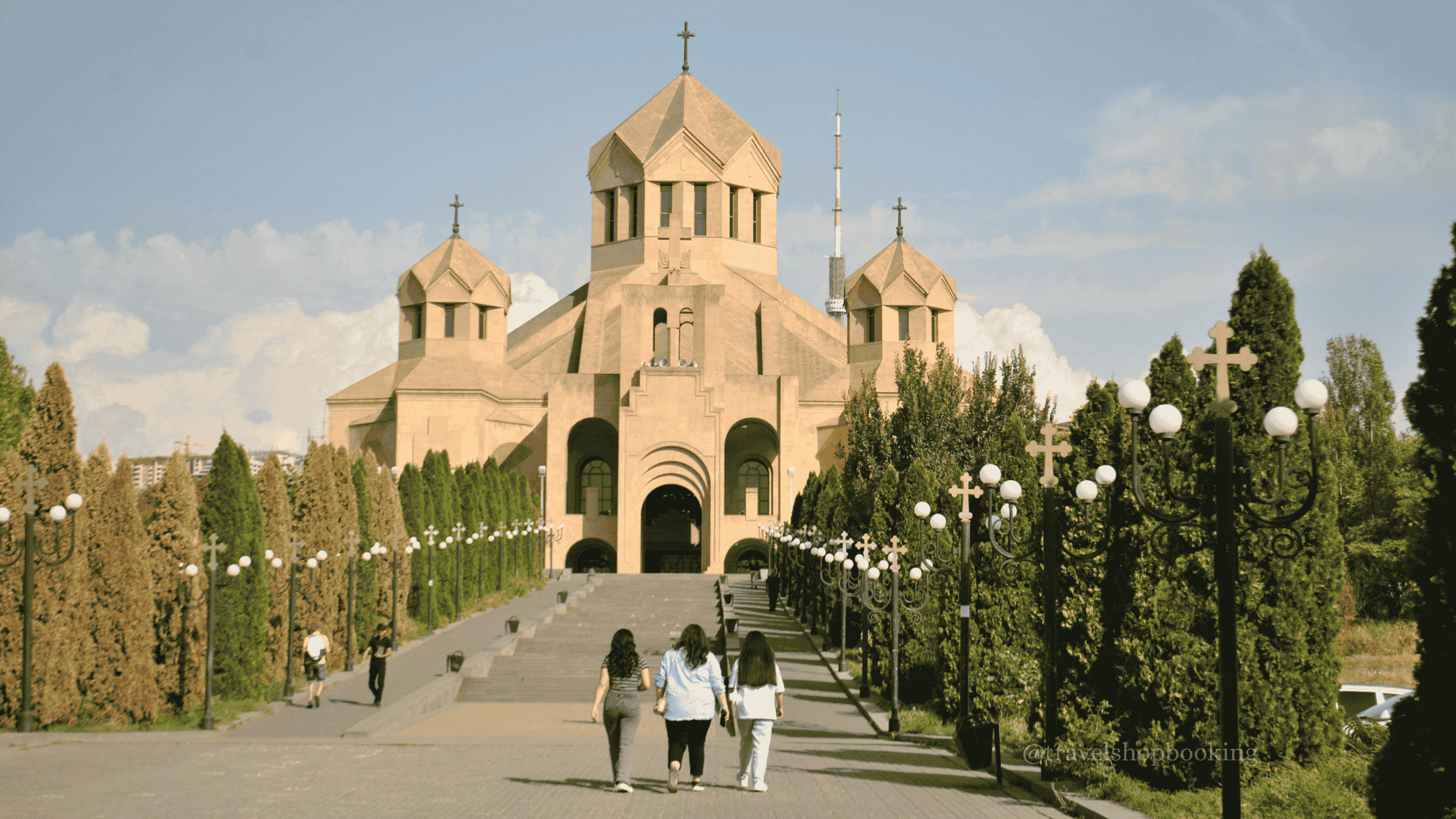
Armenia is one of those rare destinations where history is not just preserved in museums — it is alive in the landscape. This small Caucasus country sits at the crossroads of Europe and Asia, yet it feels culturally distinct from both. With over 3,000 years of recorded history, Armenia is considered one of the world’s oldest civilizations. It was also the first nation to adopt Christianity as a state religion in 301 AD, shaping its architecture, traditions, and national identity in a deeply visible way.
What makes Armenia different from many popular European destinations is its authenticity. Tourism is growing, but it is not over-commercialized. You won’t find overwhelming crowds at most historical sites, and local culture has not been reshaped for mass tourism. Instead, you experience monasteries that still function as places of worship, villages where traditions are preserved naturally, and landscapes that feel vast and untouched.
For travelers who value meaningful experiences, mountain scenery, strong cultural identity, and affordability, Armenia offers exceptional value. Accommodation, food, and transportation remain reasonably priced compared to Western Europe, making it possible to explore deeply without a large budget.
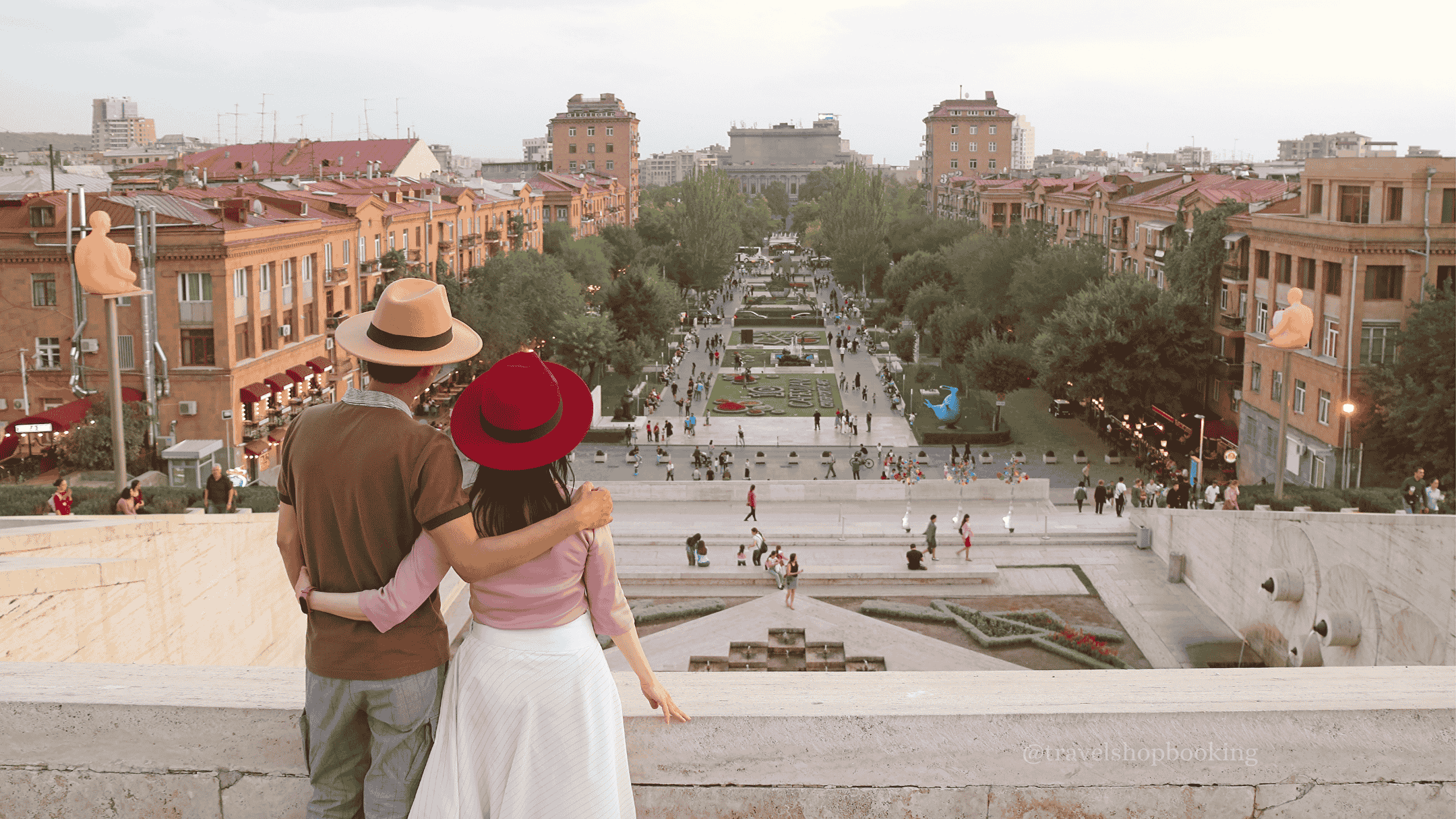
Best Places to Visit in Armenia
1. Yerevan – The Pink City
Yerevan is one of the world’s oldest continuously inhabited cities, older than Rome. Often called “The Pink City,” its buildings are constructed from volcanic tuff stone that gives the city a warm, rosy tone, especially during sunset.
Modern Yerevan balances Soviet-era architecture with vibrant cafés, contemporary art spaces, and a growing culinary scene. The city center is compact and walkable, making it ideal for first-time visitors.
Key experiences include:
-
Republic Square, especially during evening fountain shows
-
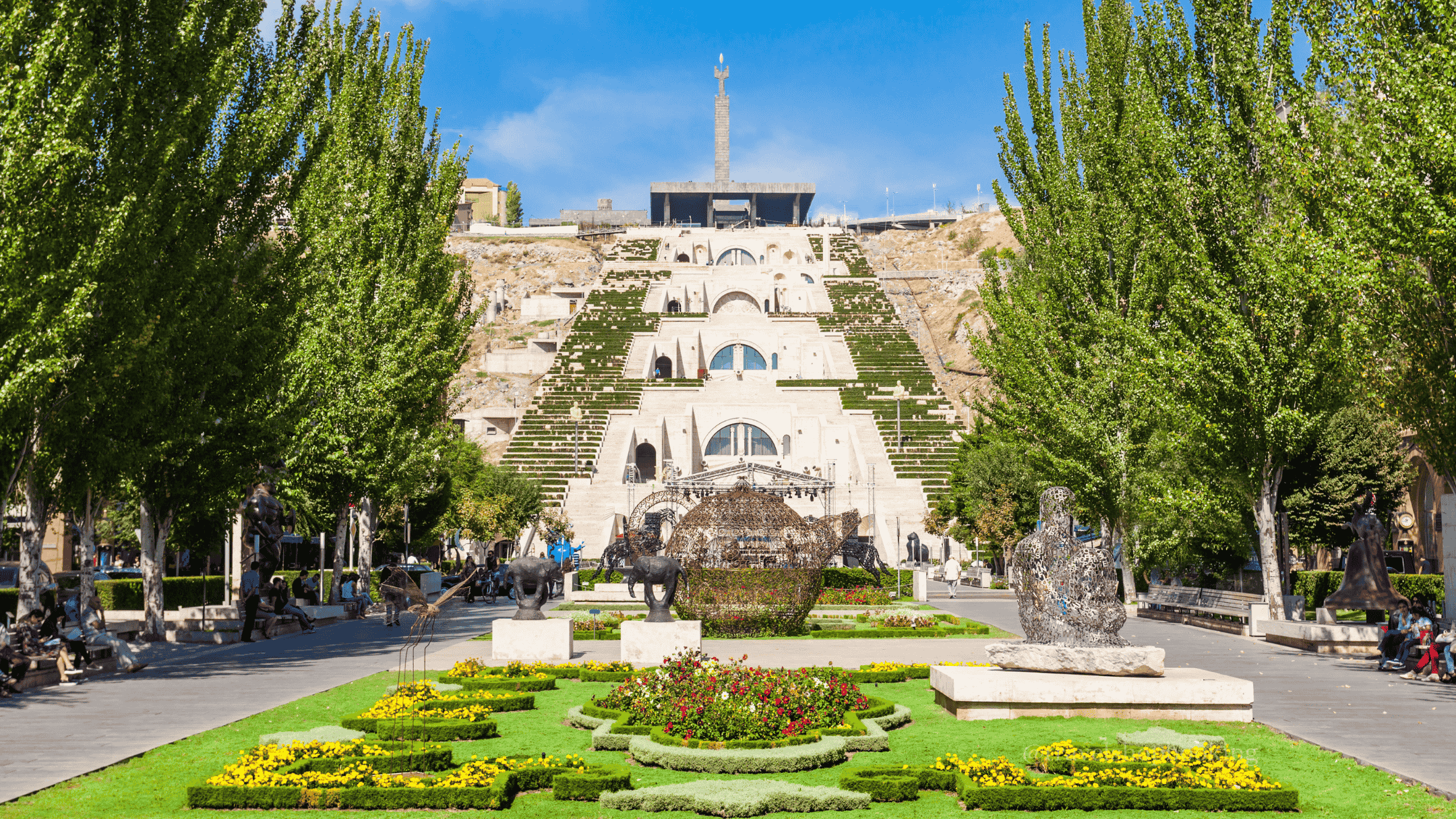
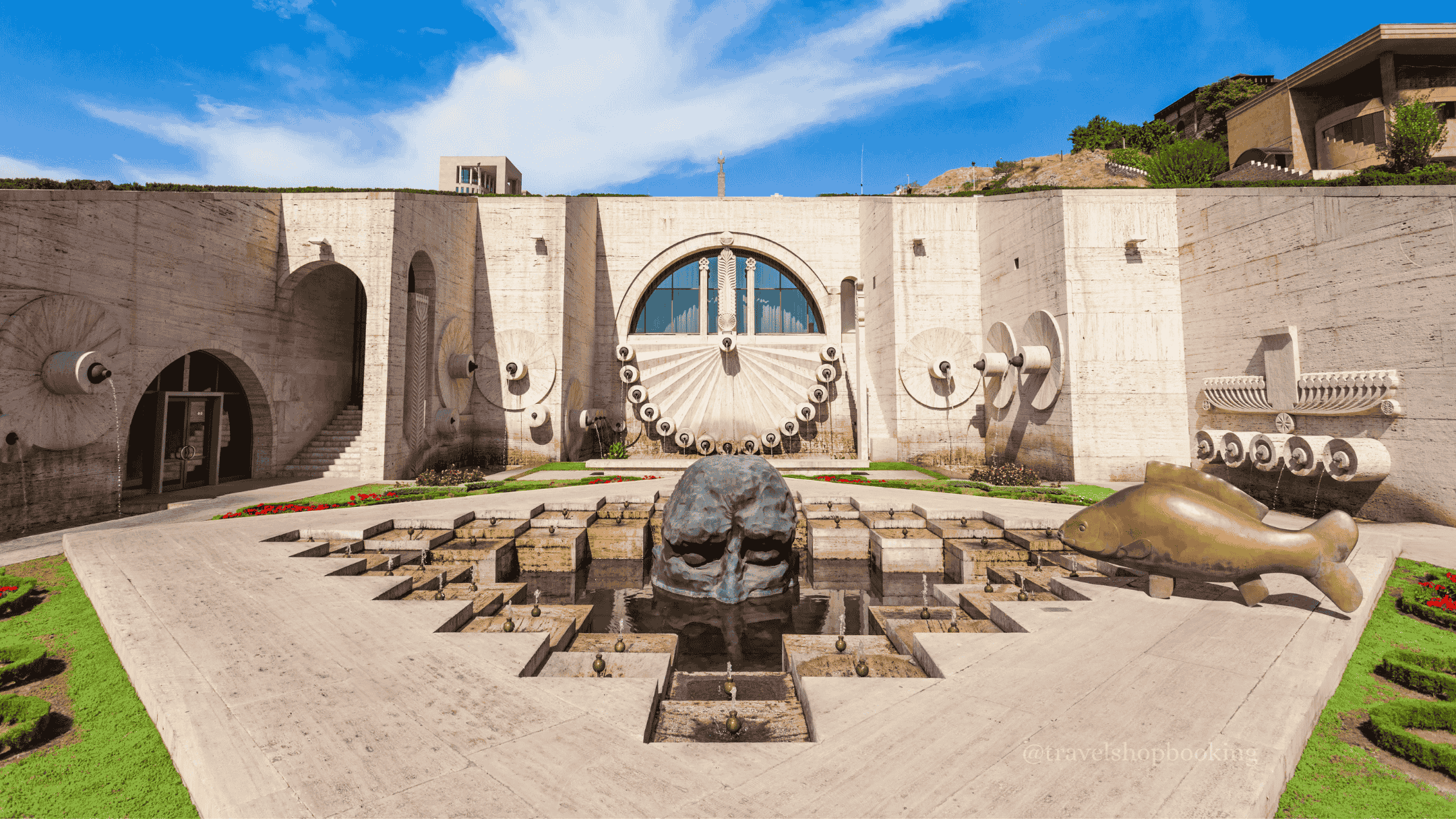
The Cascade Complex, offering panoramic views of Mount Ararat
-
The Armenian Genocide Memorial (Tsitsernakaberd), an important historical site
-
Vernissage Market for handicrafts and local art
-
Brandy tasting at the historic Ararat Brandy Factory
How many days in Yerevan?
Two to three days allow enough time to explore major landmarks, museums, markets, and enjoy the café culture without rushing.
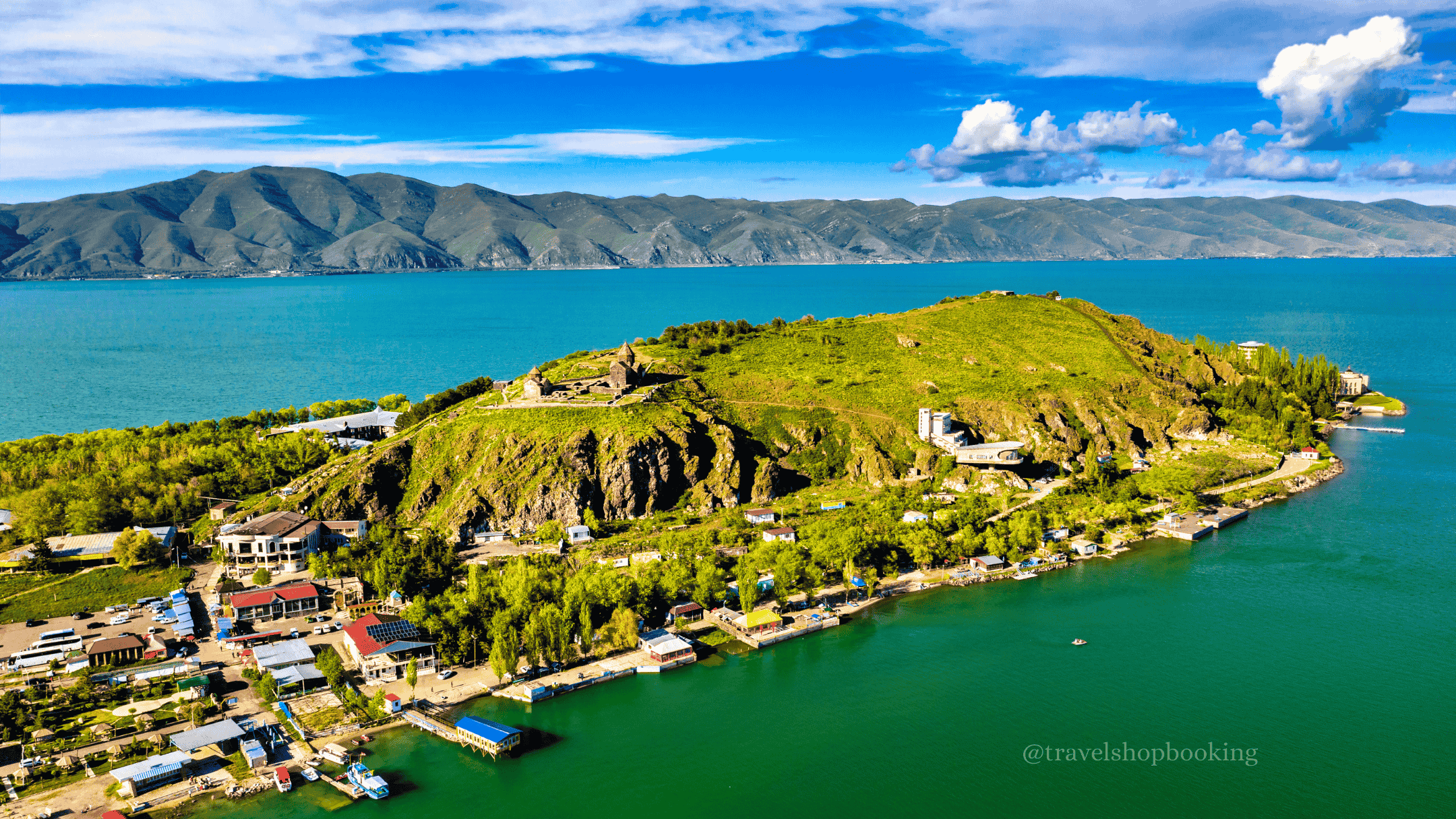
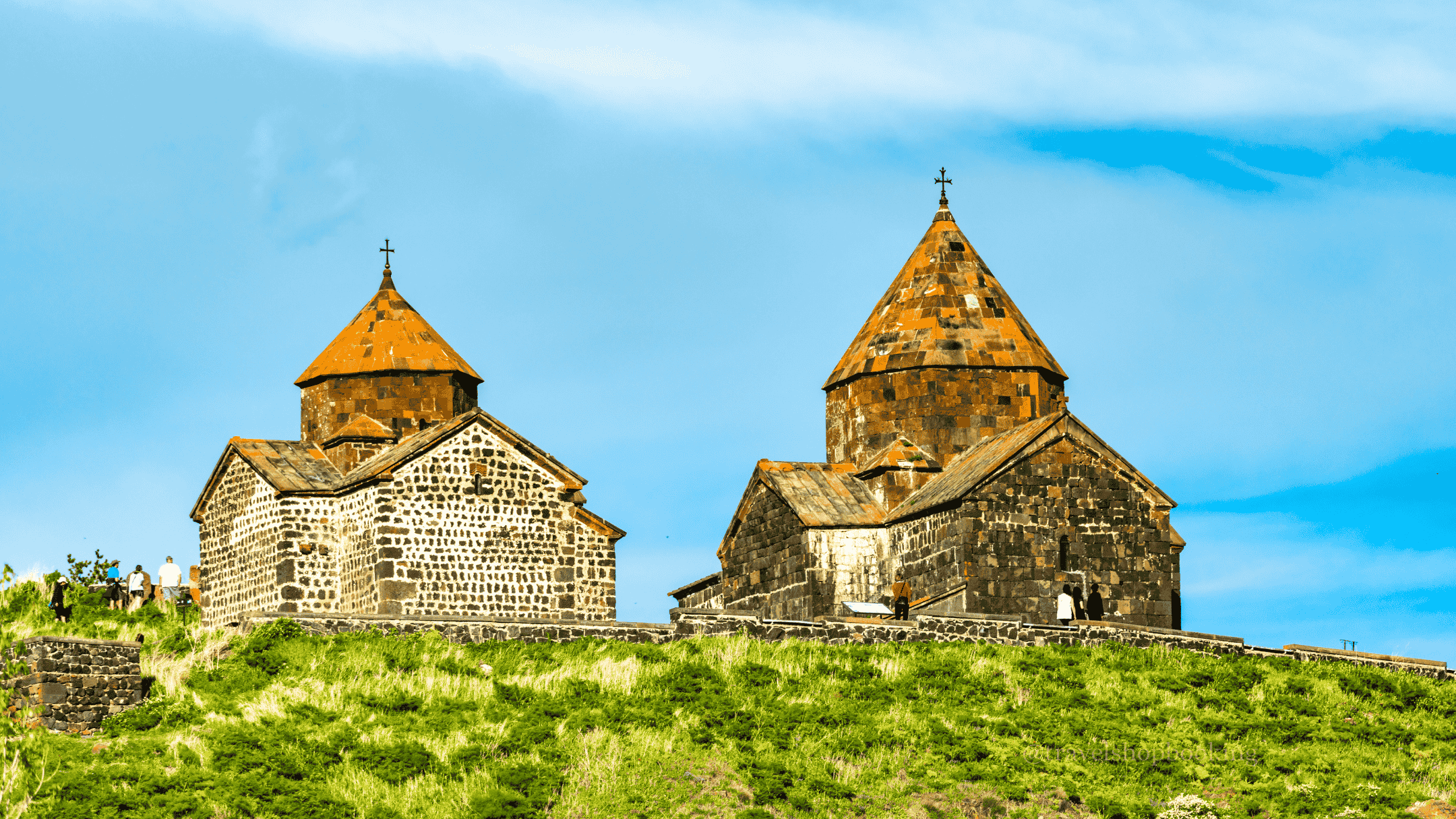
2. Lake Sevan – Armenia’s Blue Pearl
Lake Sevan is one of the largest high-altitude freshwater lakes in the world, located about an hour from Yerevan. Sitting nearly 1,900 meters above sea level, the lake plays a crucial role in Armenia’s ecosystem and economy.
The most iconic landmark here is Sevanavank Monastery, dramatically positioned on a peninsula overlooking the lake. The climb to the monastery rewards visitors with wide, open views of blue waters and surrounding mountains.
During summer, locals visit Sevan for swimming, fresh fish (especially Sevan trout), and lakeside relaxation. The best time to visit is between June and September when temperatures are warm and the water is suitable for swimming.
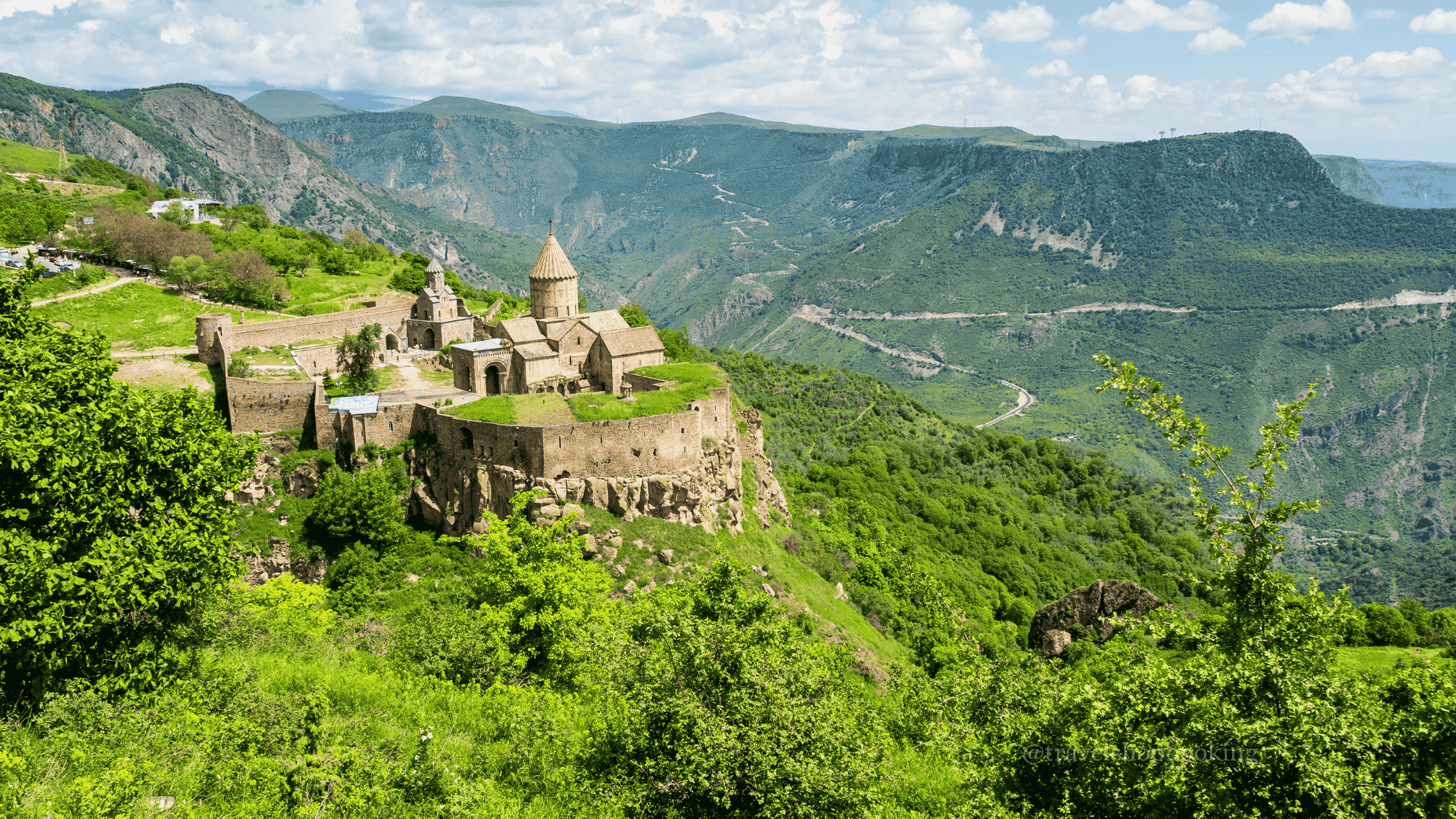
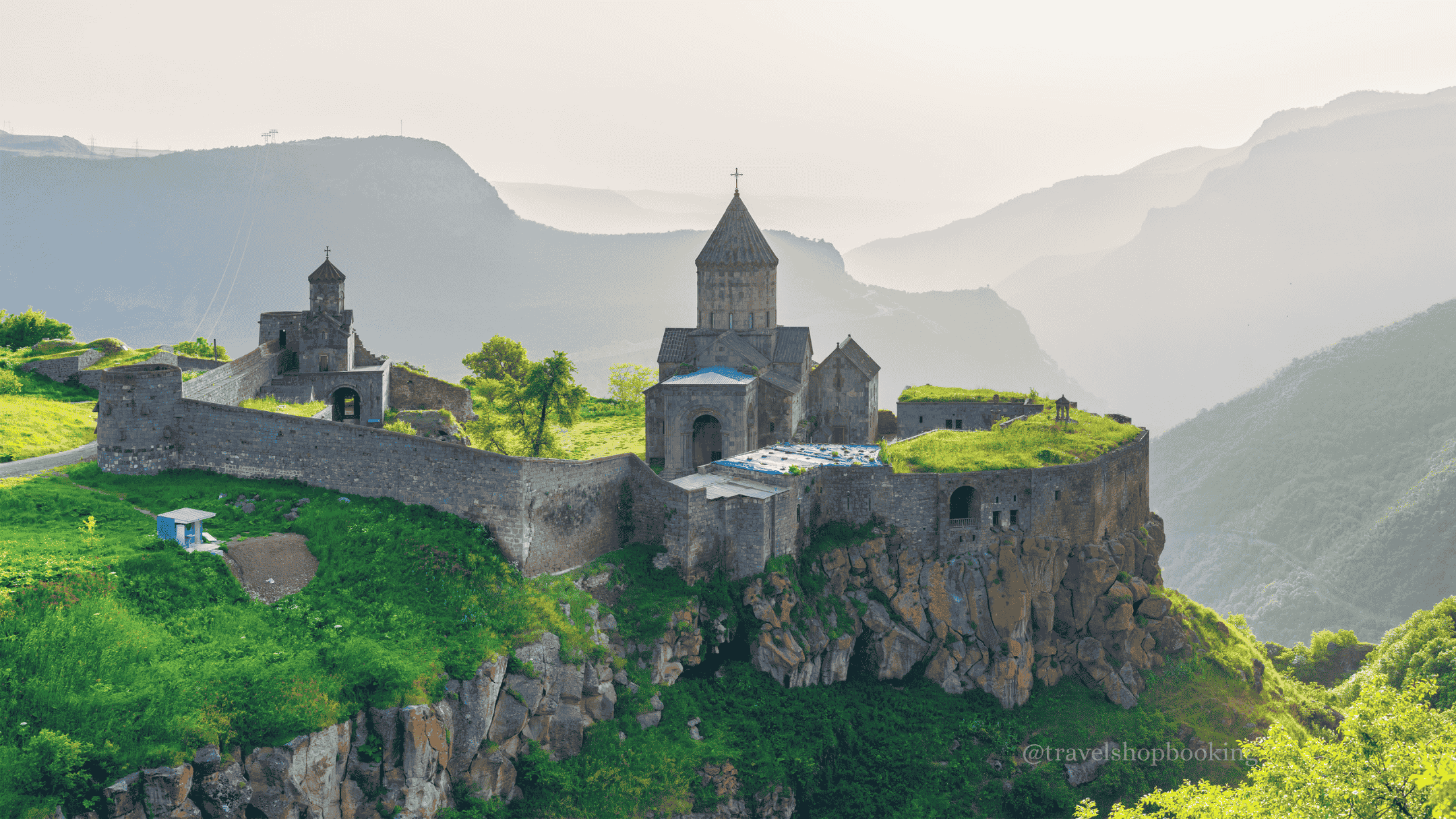
3. Tatev Monastery – Armenia’s Hidden Wonder
Tatev Monastery is one of Armenia’s most breathtaking landmarks. Located in the southern Syunik region, the monastery sits dramatically on the edge of a deep gorge.
Visitors reach it via the Wings of Tatev, officially the longest reversible cable car in the world. The ride itself is an experience, floating above the Vorotan Gorge with sweeping mountain views.
Historically, Tatev was an important medieval university and spiritual center. Today, it remains a functioning monastery, offering both architectural beauty and historical depth. Spending a night in southern Armenia allows visitors to experience the region beyond a rushed day trip.
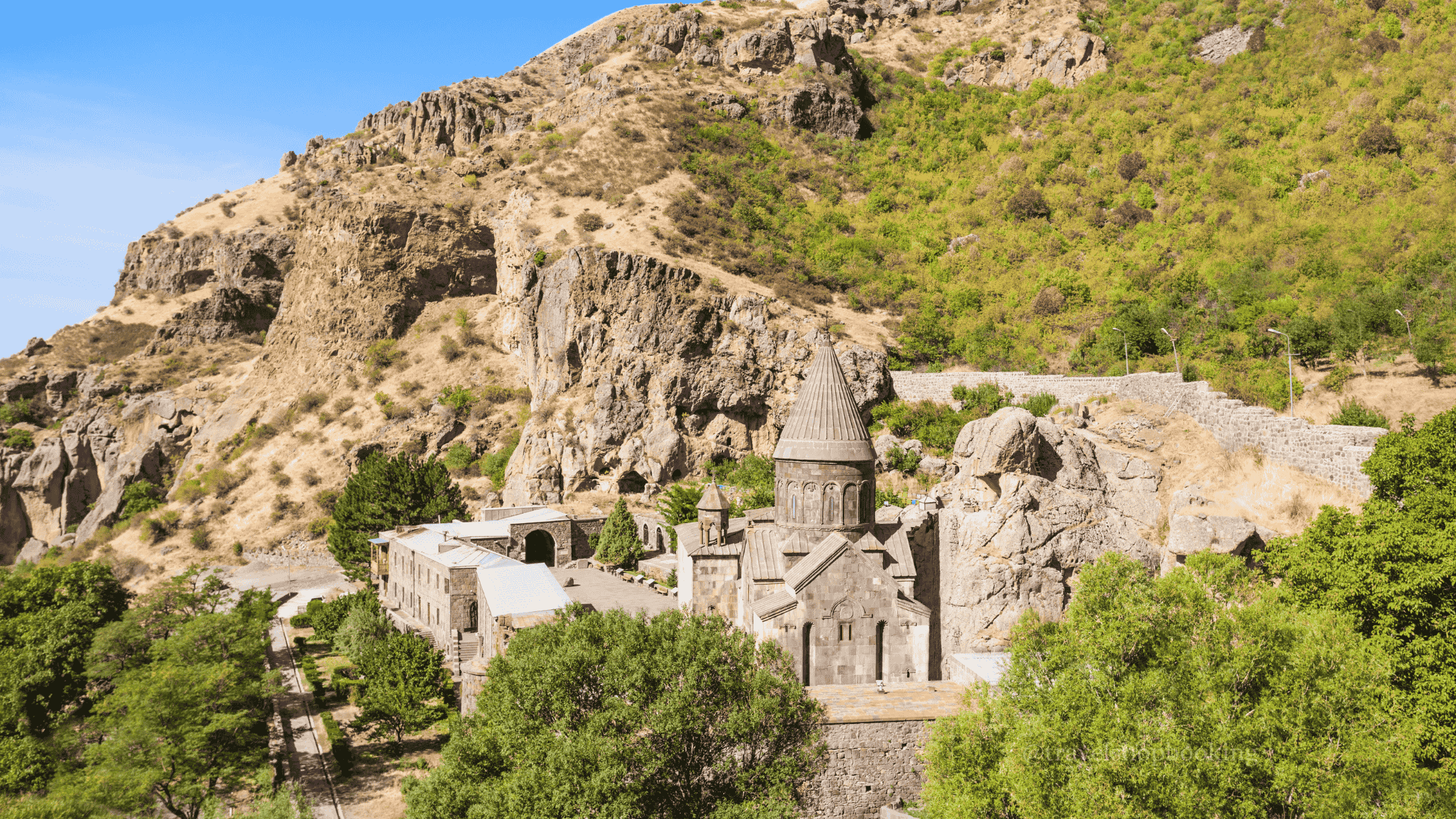
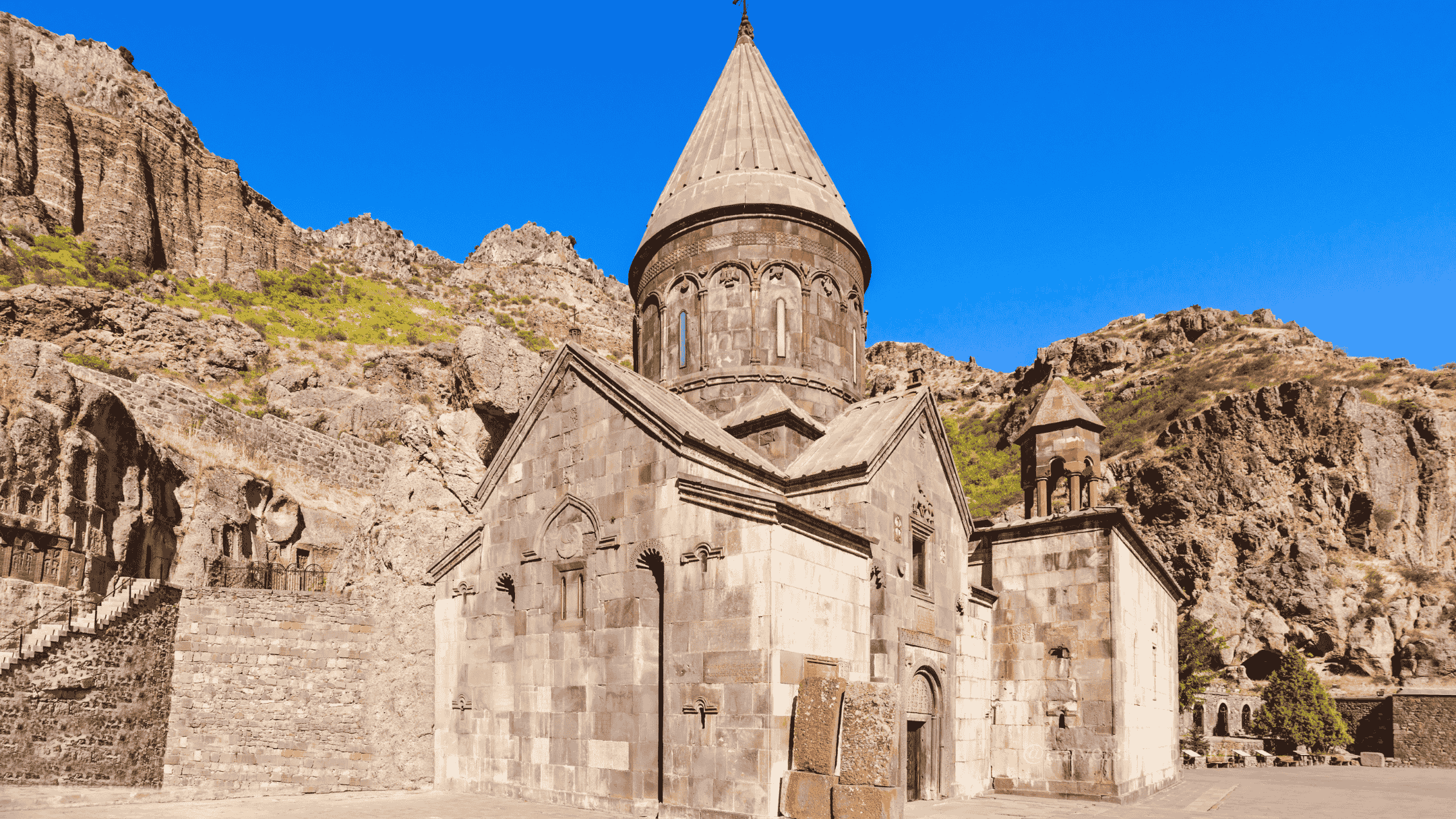
4. Garni & Geghard – Ancient Armenia
Located near Yerevan, Garni Temple and Geghard Monastery represent two different eras of Armenian history.
Garni Temple is the only surviving Greco-Roman colonnaded temple in the region, dating back to the 1st century. It reflects Armenia’s pre-Christian past and stands above the dramatic Garni Gorge.
Geghard Monastery, a UNESCO-listed site, is partially carved into rock cliffs. Its acoustics, stone carvings, and spiritual atmosphere make it one of Armenia’s most unique religious sites. Together, these landmarks form an ideal day trip from Yerevan.
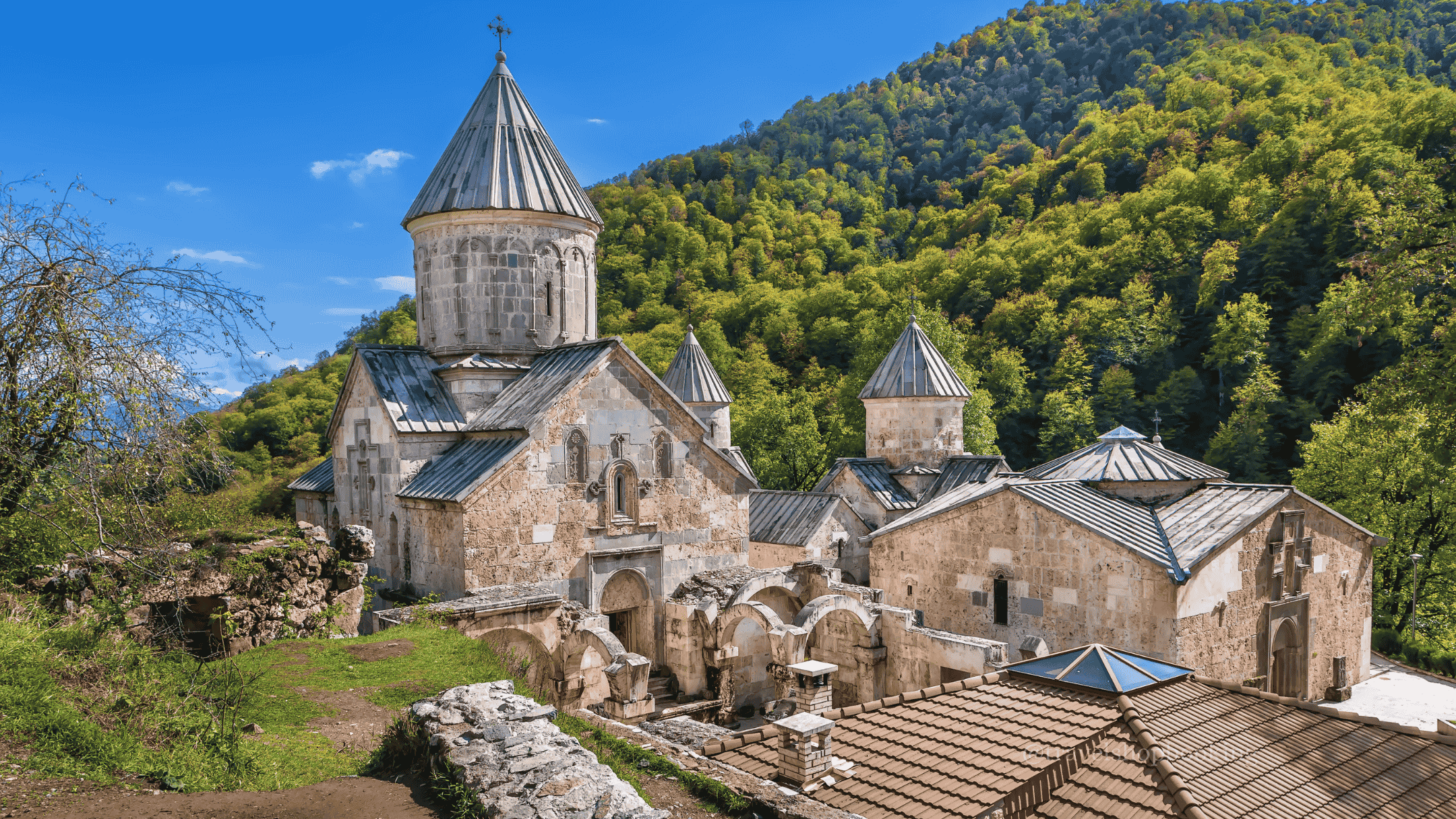
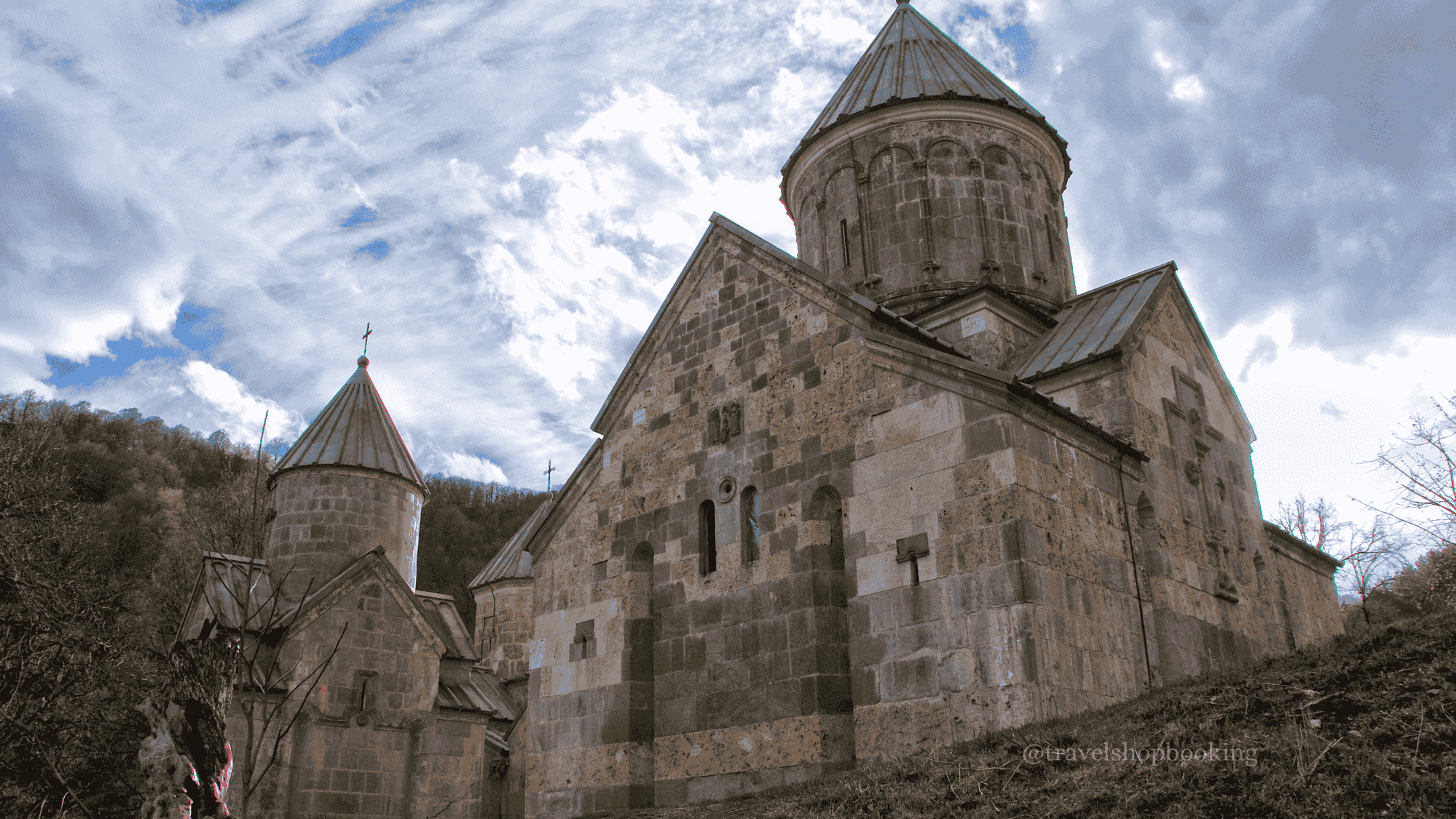
5. Dilijan – The Armenian Switzerland
Dilijan is known for its forested hills, fresh mountain air, and traditional architecture. Often called “Armenian Switzerland,” it offers a completely different atmosphere from Yerevan’s urban energy.
Dilijan National Park features well-marked hiking trails, monasteries hidden in forests, and peaceful Lake Parz. It’s ideal for travelers seeking nature, outdoor activities, and slower travel experiences.
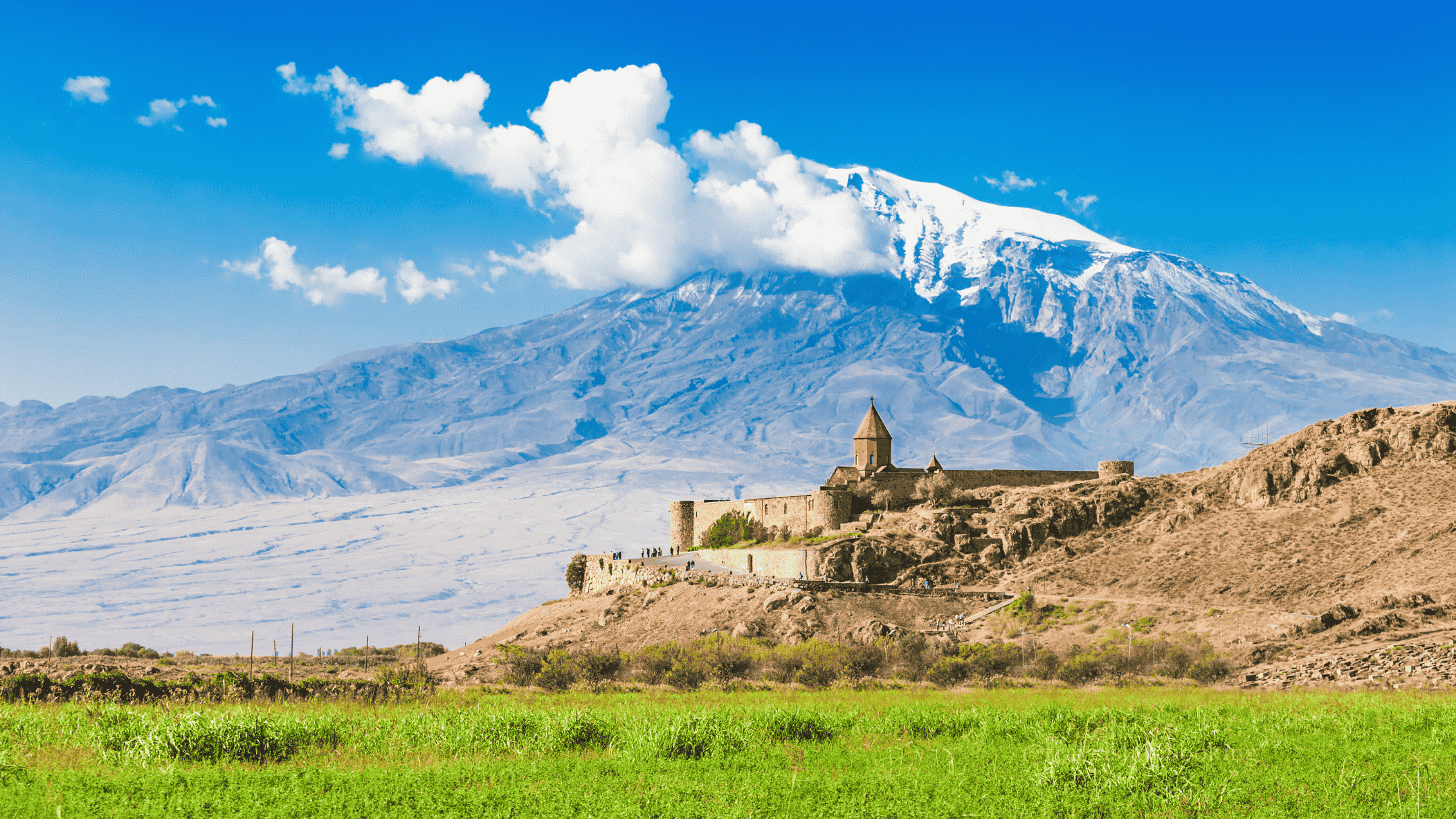
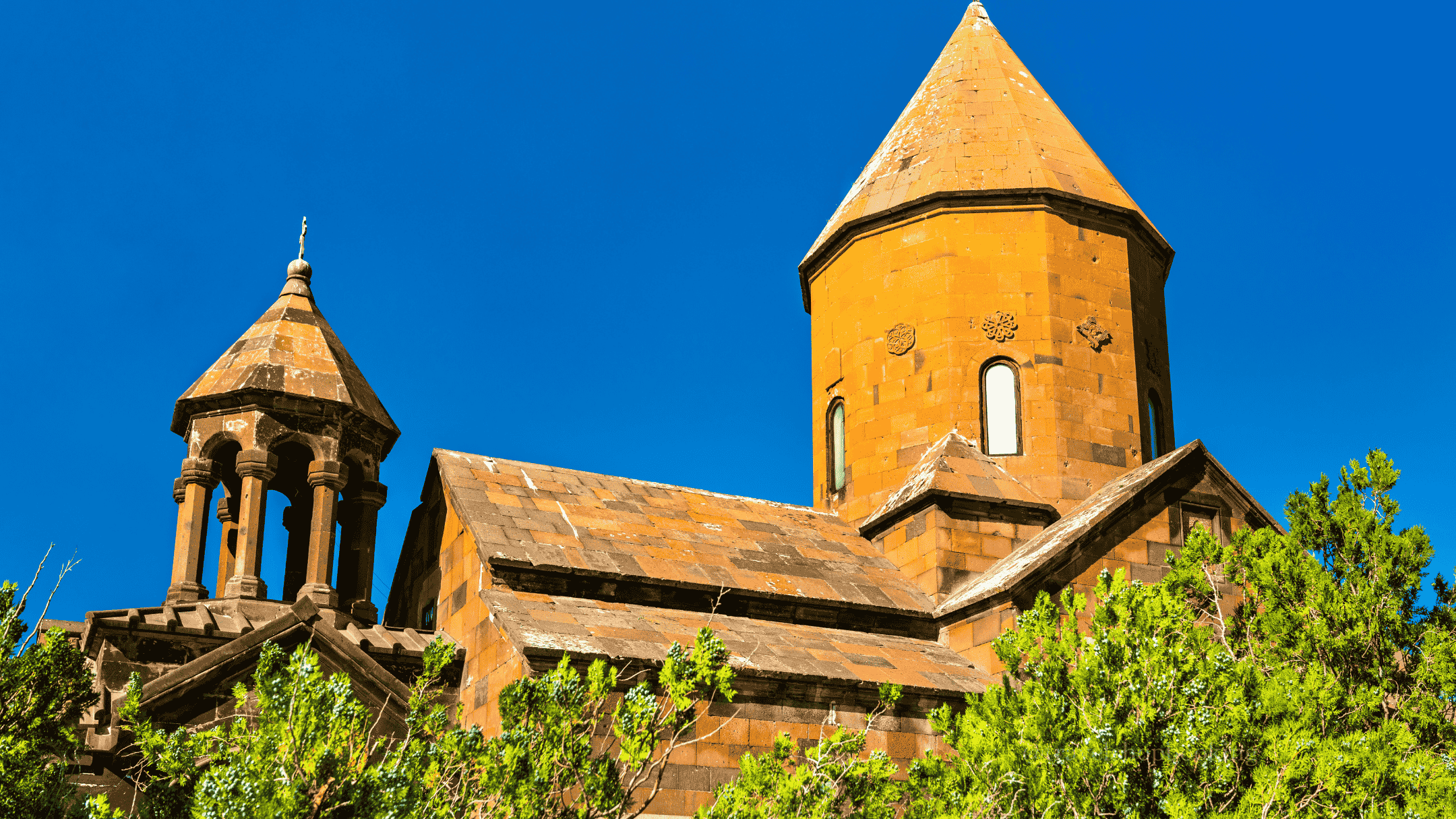
6. Khor Virap – Mount Ararat Views
Khor Virap is perhaps Armenia’s most photographed monastery. Located near the Turkish border, it offers the iconic postcard view of Mount Ararat rising in the background.
Historically, this site is deeply symbolic — it is associated with Saint Gregory the Illuminator and Armenia’s conversion to Christianity. The spiritual and national significance makes it more than just a scenic stop.
7. Day Armenia Travel Itinerary
For first-time visitors, a balanced 7-day route could look like this:
-
Day 1–2: Explore Yerevan
-
Day 3: Day trip to Garni & Geghard
-
Day 4: Lake Sevan & Dilijan
-
Day 5: Visit Khor Virap
-
Day 6–7: Travel south to Tatev Monastery (overnight stay recommended)
This route combines culture, history, nature, and scenic landscapes without feeling rushed.
Is Armenia Safe for Tourists?
Armenia is widely considered safe for travelers. Violent crime is rare, and locals are known for their hospitality. Solo travelers, couples, and families generally feel comfortable exploring both cities and rural regions.
As with any destination, basic travel awareness is recommended, but overall Armenia ranks as a low-risk country for tourism.
Best Time to Travel to Armenia
-
Spring (April–June): Mild temperatures and green landscapes
-
Summer (July–September): Ideal for mountains and lake activities
-
Autumn (October): Beautiful foliage and harvest season
-
Winter: Snowy mountain views and fewer tourists
May, June, and September offer the most balanced weather and fewer crowds.
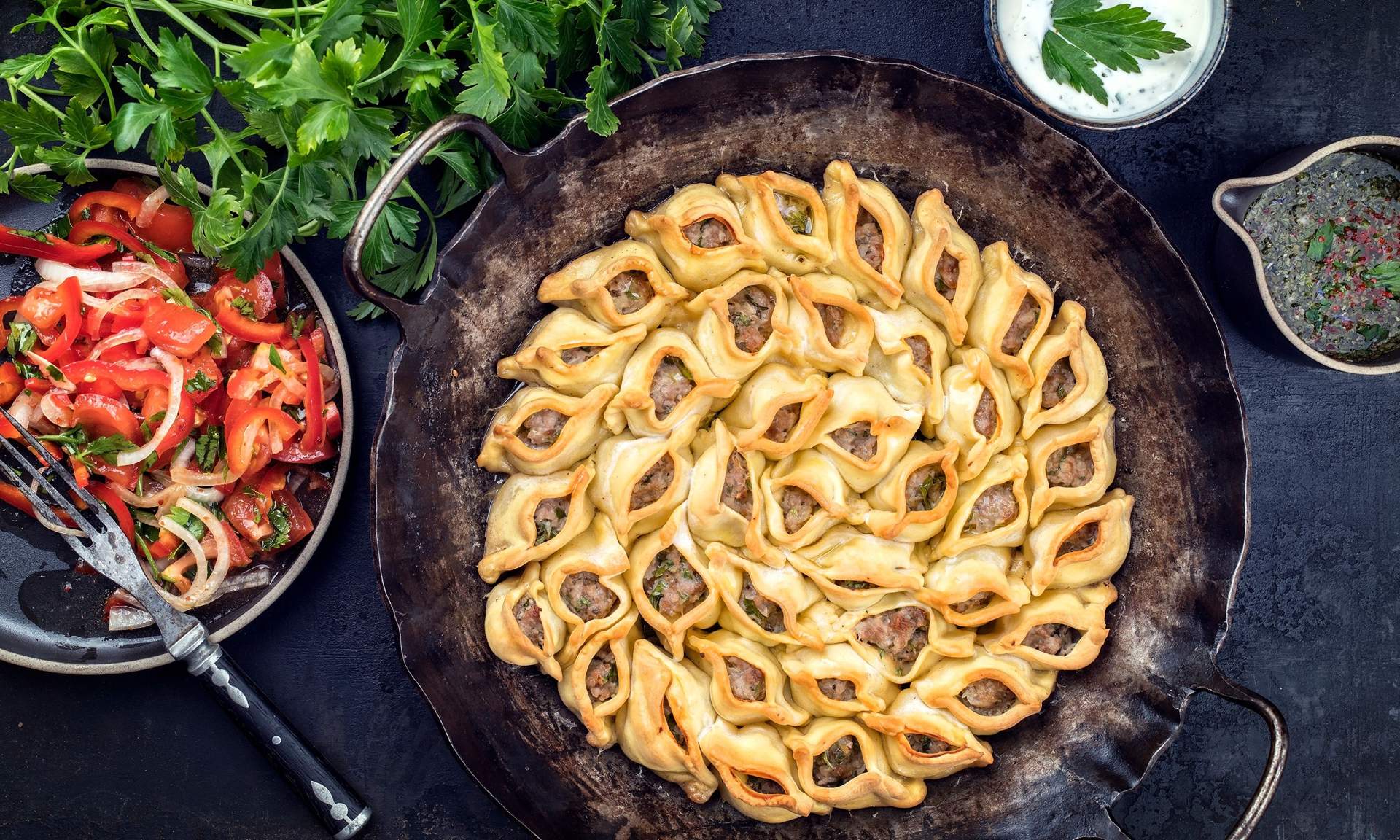
Armenian Food You Must Try
Armenian cuisine reflects centuries of regional influences and agricultural traditions.
-
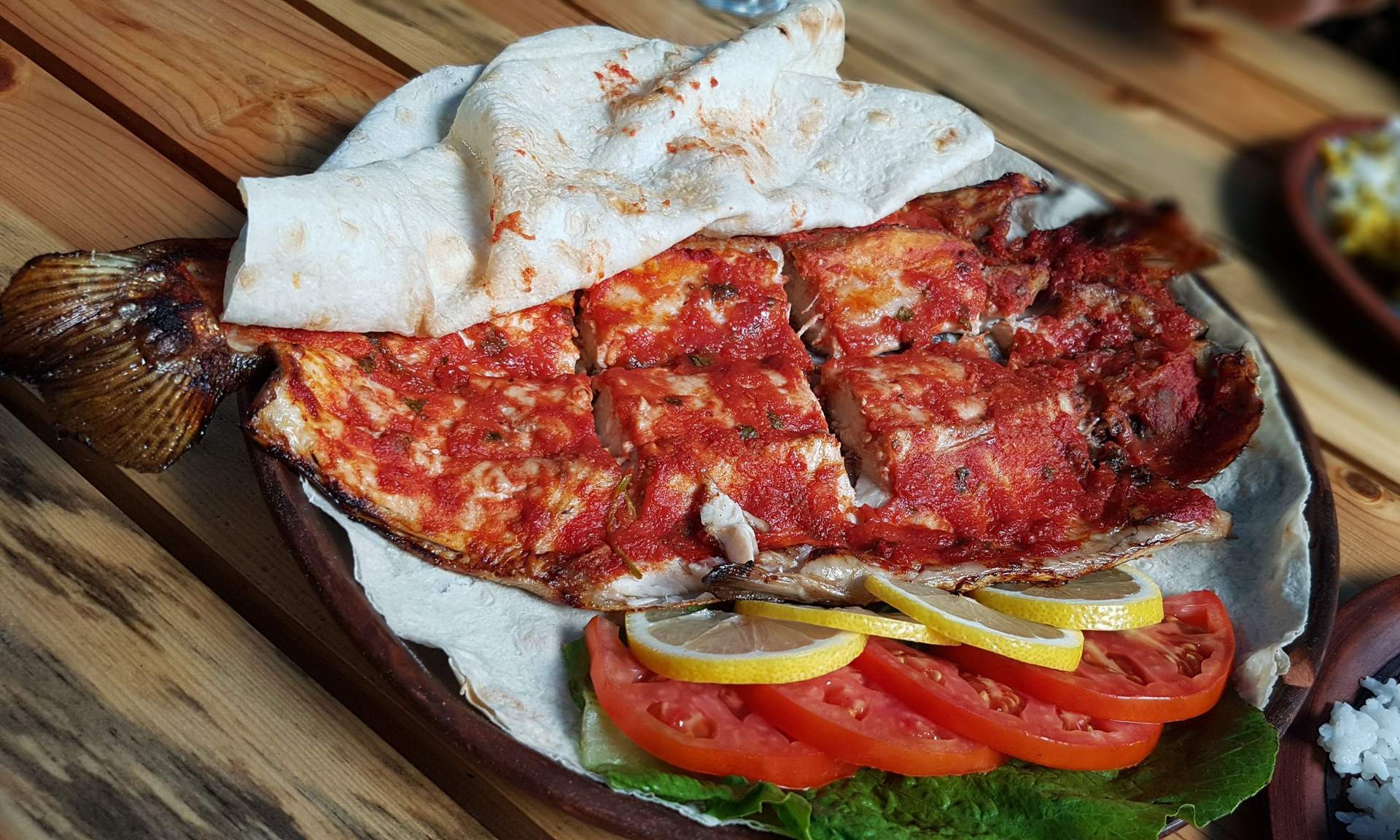
Khorovats (Armenian BBQ)
-
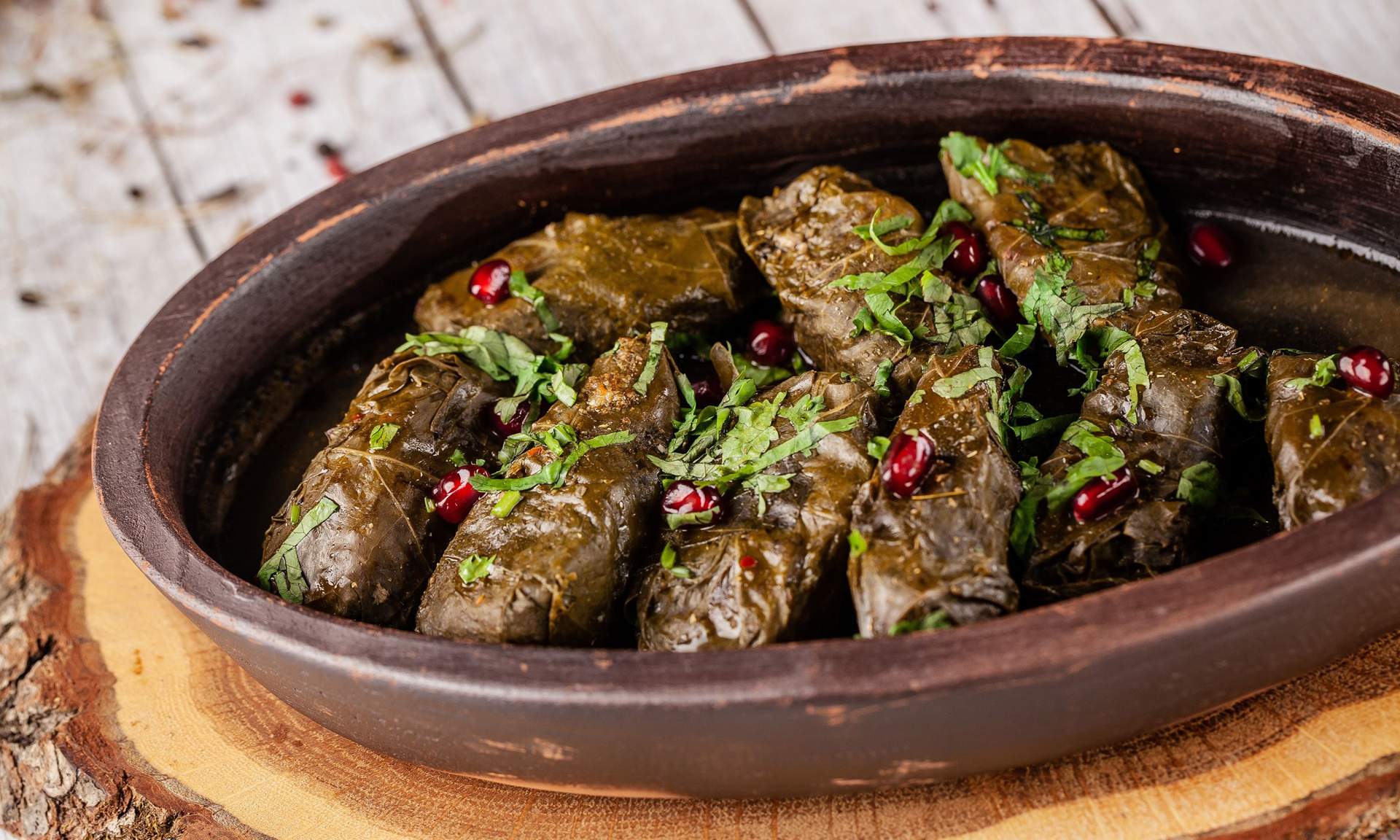
Dolma (grape leaves stuffed with meat or rice)
-
Lavash (traditional thin bread, UNESCO-listed heritage)
-
Gata (sweet pastry)
-
Armenian brandy
Portions are generous, flavors are bold yet balanced, and meals are often social experiences shared with family-style service.

Travel Tips for Visiting Armenia
Currency: Armenian Dram
(AMD)
English is common in
Yerevan
Cash is useful outside the
capital
Public transport is limited
— consider renting a car
Visa-free entry for many
nationalities (check before travel)
Why Visit Armenia Now?
Armenia offers something increasingly rare in modern travel: depth without crowds. Its monasteries are not staged attractions but living spiritual sites. Its mountains are expansive and quiet. Its history is layered, complex, and deeply tied to national identity.
For travelers seeking meaningful cultural exploration, scenic landscapes, and authentic human connection, Armenia stands out as one of Europe’s most underrated destinations.
Loading comments…