
Free Cancellation
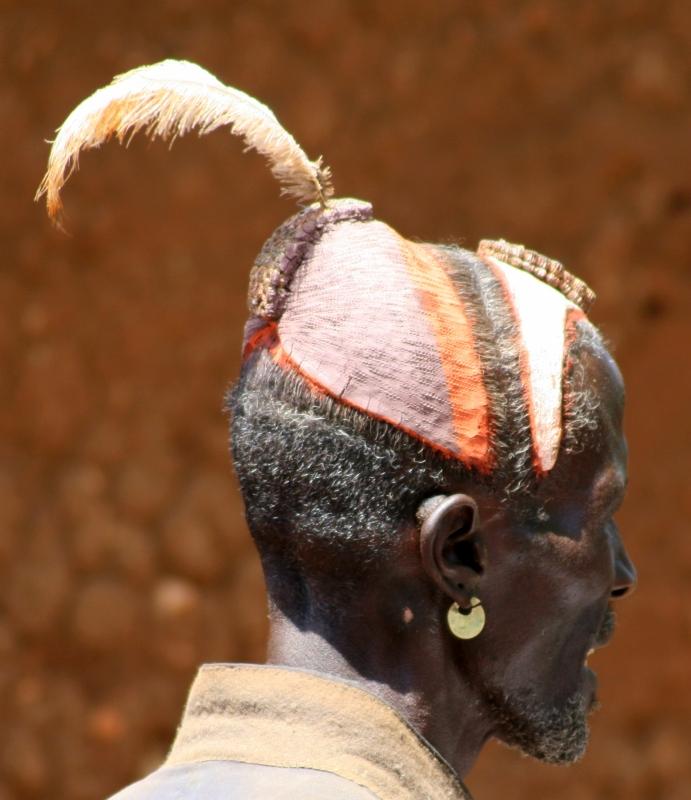
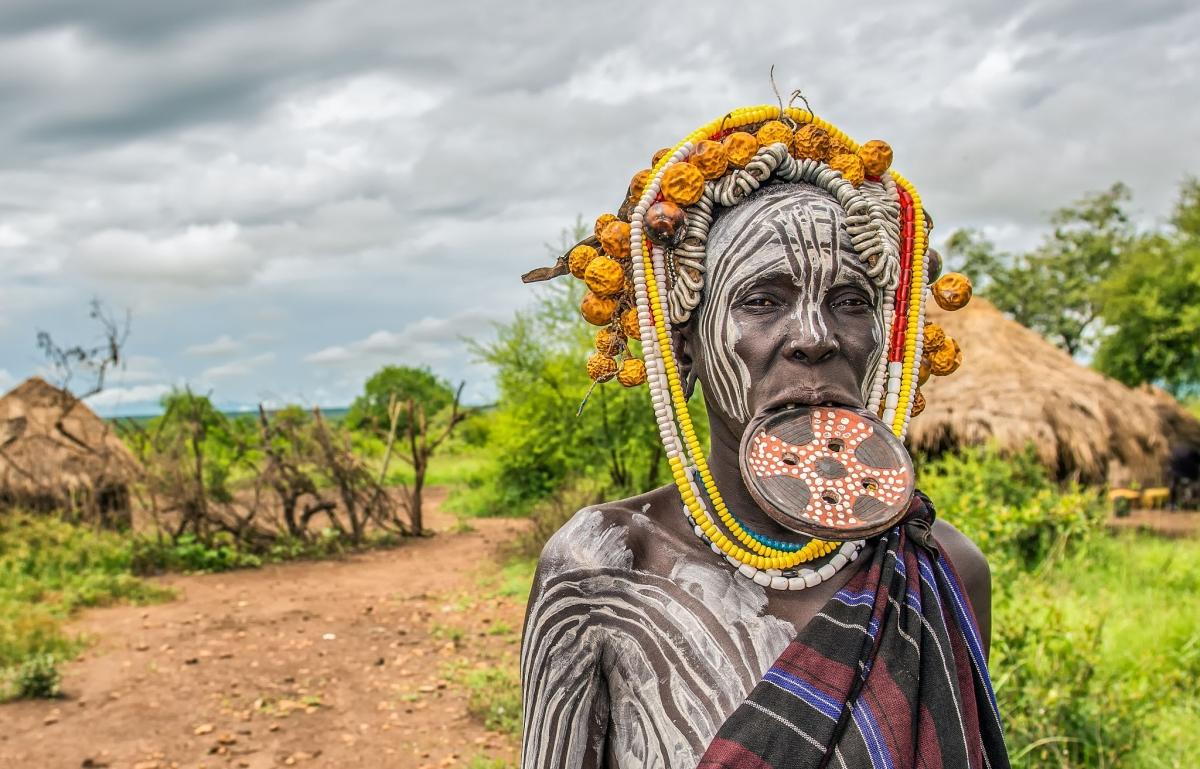
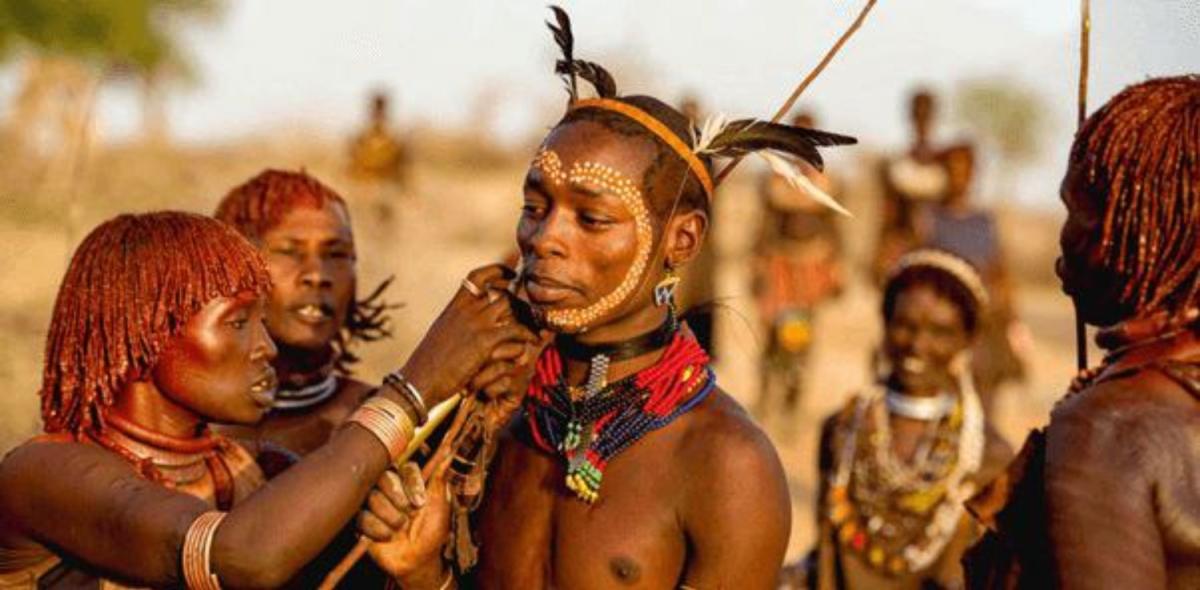
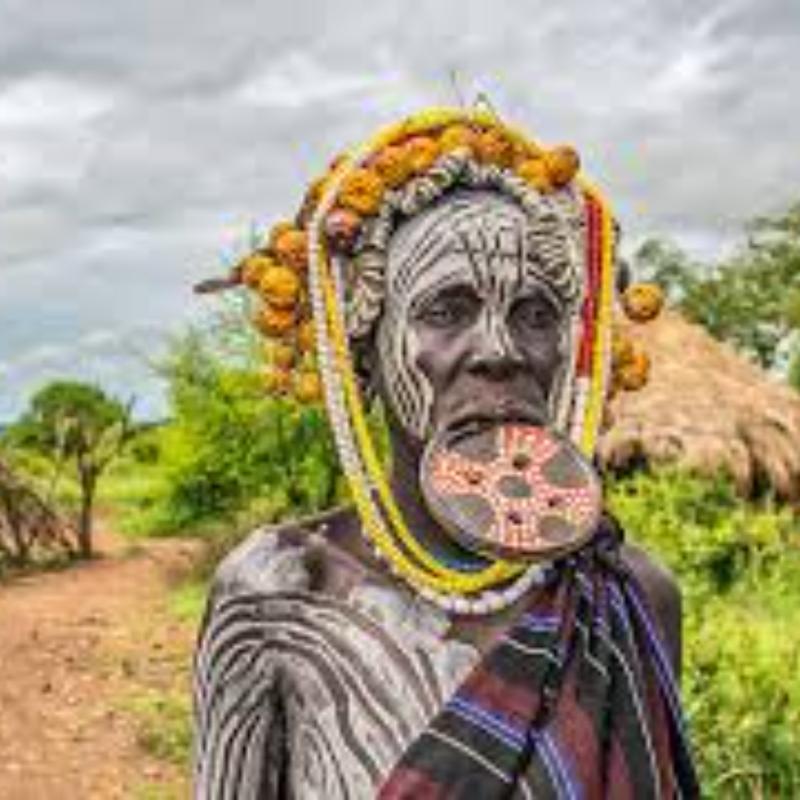
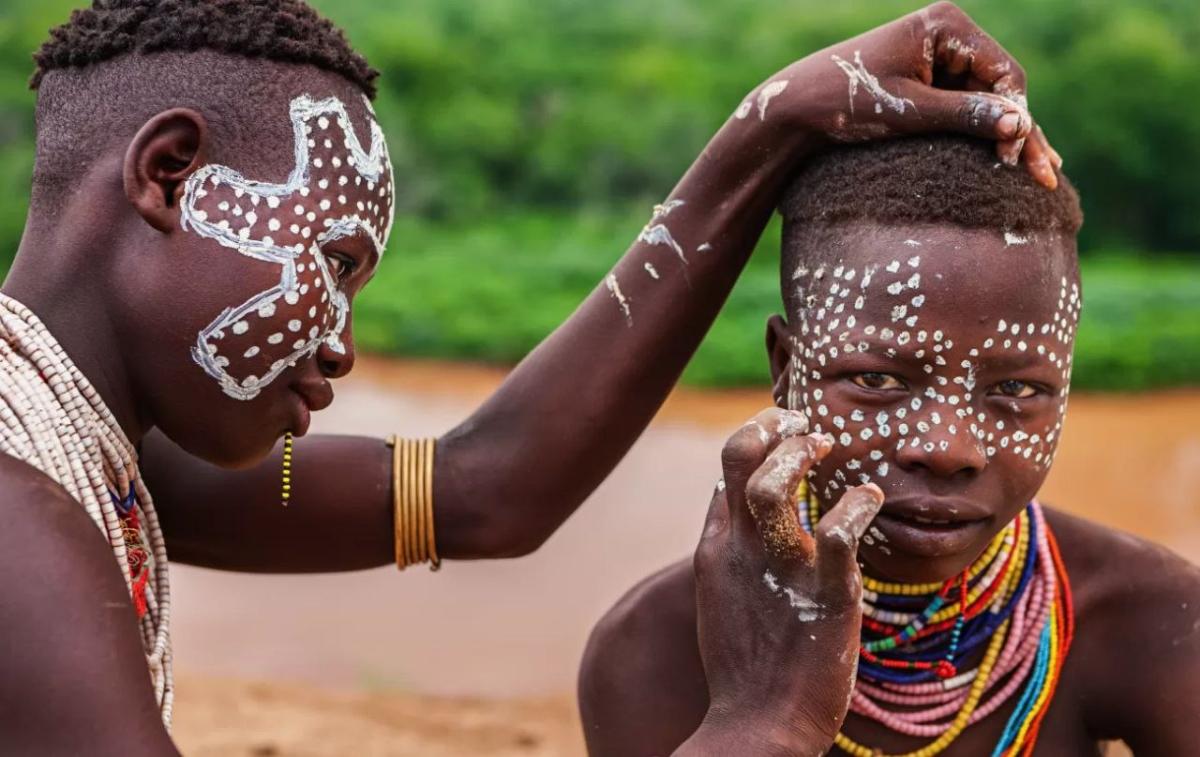
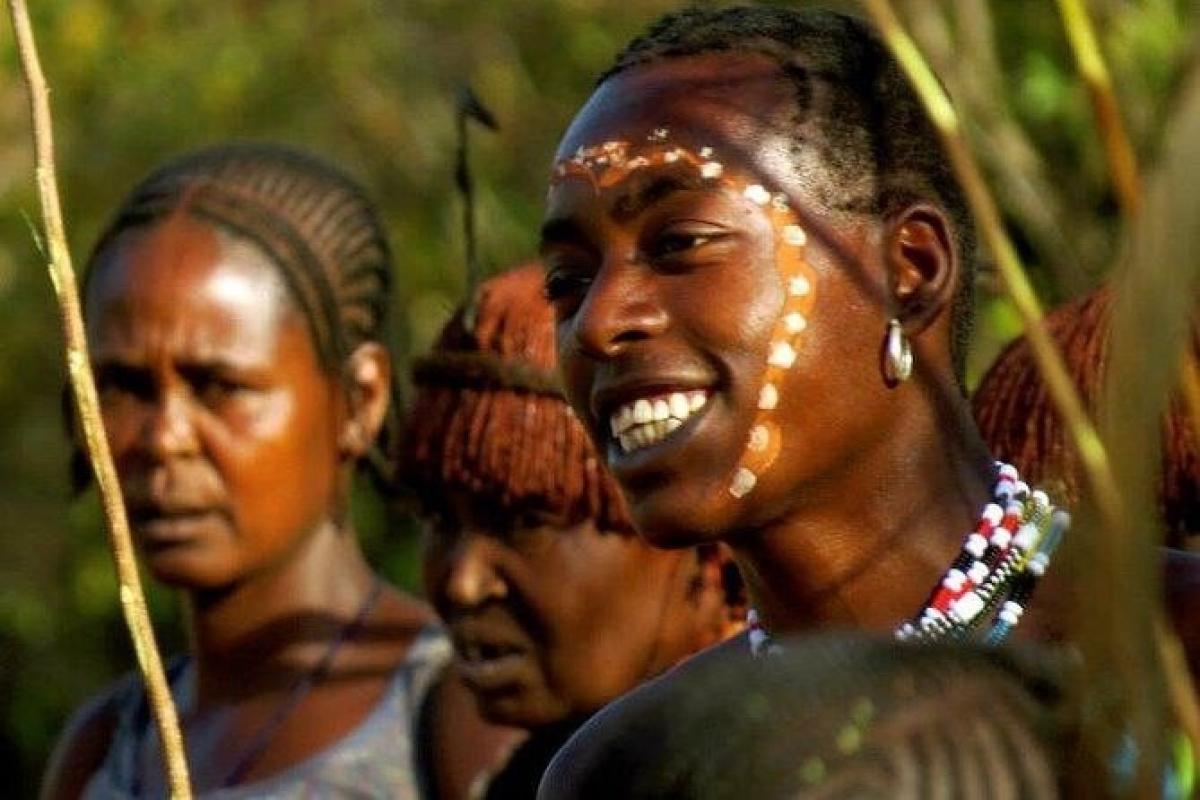

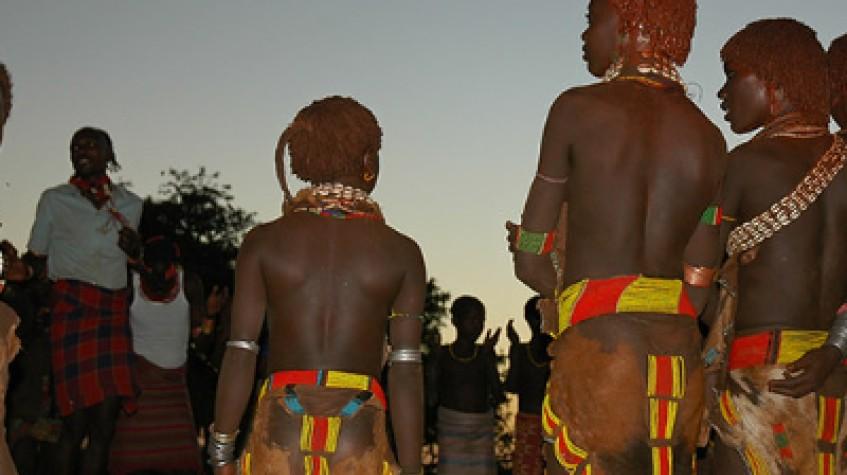
Turmi cultural tours focus on the living traditions and communities of southern Ethiopia's Lower Omo Valley. The town is an important stop on regional journeys that introduce travellers to Hamar communities, nearby villages and local markets.
Unlike destinations known primarily for historic monuments, Turmi offers cultural experiences connected with contemporary community life. The available itineraries generally combine Turmi with other places, including Jinka, Omorate, Konso and Arba Minch.
Some programmes concentrate on the Lower Omo Valley over four days, while longer journeys combine cultural visits with additional destinations or national parks. When comparing tours, check how much time is actually spent in Turmi and whether the programme includes overnight accommodation there.
The Hamar people are among the communities associated with the Turmi area. Selected itineraries arrange visits to Hamar villages, where travellers may learn about local customs, everyday activities and cultural traditions through organised encounters.
The 4 Days Omo Valley Tour includes a Hamar village visit and overnight accommodation in Turmi. Its programme also visits other communities in the Lower Omo Valley.
Hamar cultural ceremonies, including bull-jumping events, are sometimes mentioned in tour descriptions. These events are connected with community traditions and should not be treated as performances available on demand. Travellers should confirm whether a particular ceremony is expected during their travel dates and how attendance is arranged.
For a more meaningful visit, review the role of local guides, the time allocated to community encounters and any photography arrangements before booking.
Turmi is also used as a base for excursions to other communities in the Lower Omo Valley. Several reviewed itineraries include Karo villages near the Omo River and Dassanech communities reached through the Omorate area.
The Ethiopia Omo Valley 4 Days programme includes visits associated with Hamar, Karo and Dassanech communities during its journey through the region.
These visits involve travel between settlements, and routes may change with road conditions and local arrangements. Some itineraries include river crossings, while others follow different overland routes.
Travellers should compare the specific communities named in each daily programme. A tour that visits Turmi does not necessarily include every cultural destination in the Lower Omo Valley.
Wider cultural journeys often connect Turmi with Jinka, Konso and Arba Minch, allowing travellers to explore different communities and landscapes during one trip.
Jinka is an important gateway for journeys into the Lower Omo Valley, including visits towards Mago National Park and surrounding communities. Konso is known for its distinctive cultural landscape, while Arba Minch serves as a common stop on routes through southern Ethiopia.
The Omo Valley Tribes Cultural Tour – 6 Days combines several of these destinations with scheduled village visits and regional travel.
Longer programmes such as the South Omo Valley Tribes and Bale Mountain National Park tour add a different experience by combining cultural encounters with national park exploration.
When choosing a wider journey, compare the balance between community visits, travel days and activities outside the Omo Valley.
The most important differences between Turmi cultural itineraries are their departure city, total duration and number of regional stops. A four-day journey beginning in Jinka follows a different schedule from a programme travelling overland from Addis Ababa.
Shorter Omo Valley journeys: Typically concentrate on selected communities around Jinka, Turmi and Omorate.
Six-day cultural itineraries: May include additional stops around Konso and Arba Minch as well as the Lower Omo Valley.
Extended Ethiopia tours: Combine Turmi with national parks or historical destinations elsewhere in the country.
Some programmes include domestic flights to or from Jinka, while others involve longer road journeys. Check whether flights are included, separately arranged or only mentioned as part of the suggested itinerary.
For a wider selection of experiences beyond this cultural category, explore Turmi tours and compare the available regional programmes.
Travel in the Lower Omo Valley requires careful planning because itineraries can involve remote communities, changing road conditions and long journeys between destinations.
Starting and finishing points: Confirm whether the tour begins in Addis Ababa, Jinka or another city.
Community visits: Check which Hamar, Karo, Dassanech, Mursi or other community visits are specifically scheduled.
Local markets: Verify that market dates match the day-by-day itinerary.
Cultural ceremonies: Confirm availability and community arrangements rather than assuming a ceremony is guaranteed.
Photography: Ask about consent, local photography fees and appropriate conduct during visits.
Accommodation: Review the lodges or hotels provided and the nights spent in each location.
Transport and flights: Check domestic flight arrangements, vehicle type and road travel time.
Guide services: Confirm guiding language and arrangements for locally guided cultural visits.
Meals and additional costs: Review included food, entrance fees and other expenses.
Travel requirements: Check current entry requirements and conditions relevant to your travel dates.
Compare the Turmi cultural and historical tours above to find an itinerary that matches your preferred communities, travel duration and interests in southern Ethiopia's living heritage.