
Madagascar Bekopaka Tours
100+ tours & activities
Free Cancellation
Western Discovery 6 Days 5 Nights
Free Cancellation
Descent of Manambolo Madagascar in 11 days
Free Cancellation
Madagascar discovery and splendour
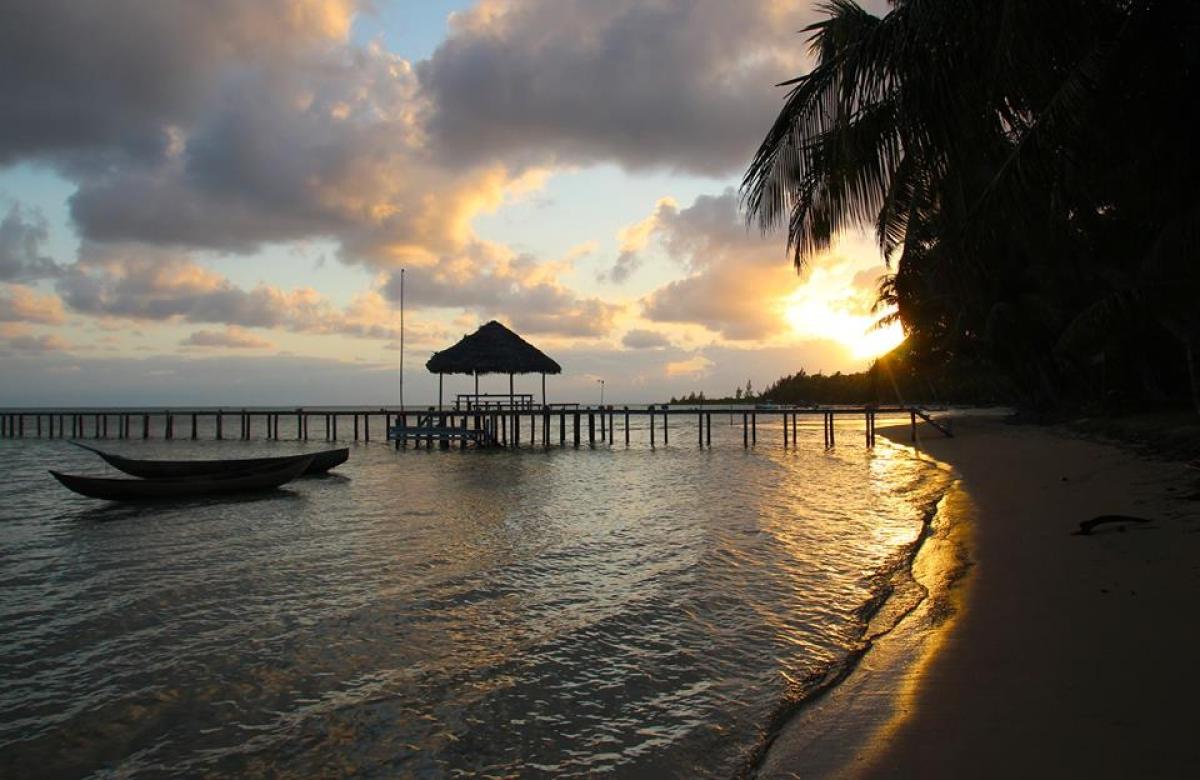
Free Cancellation
Land and Sea Discovery Tour Scenic Nature Experience
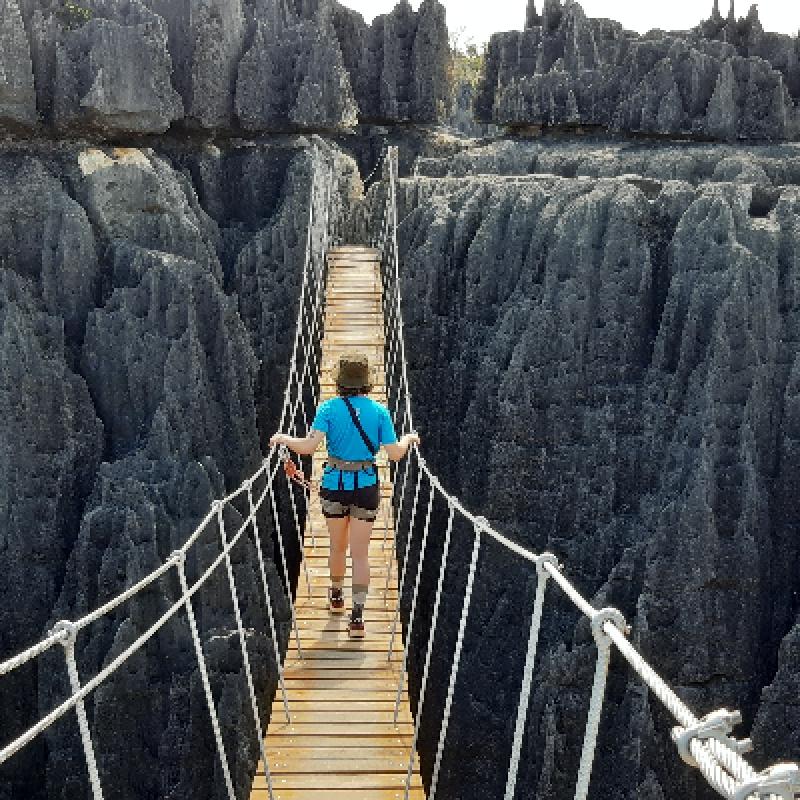
Free Cancellation
Tsingy of Bemaraha Madagascar Expedition National Park Adventure
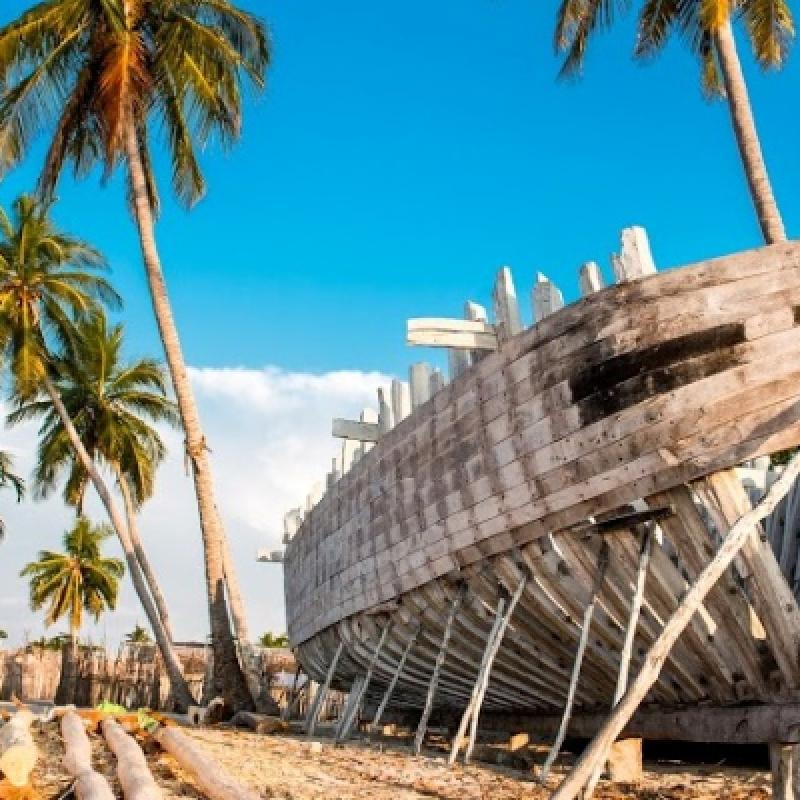
Free Cancellation
West of Madagascar in 12 days
-high.jpg&w=1920&q=75 "Contrasting Trees Discovery Tour Nature and Scenic Experience")
Free Cancellation
Contrasting Trees Discovery Tour Nature and Scenic Experience
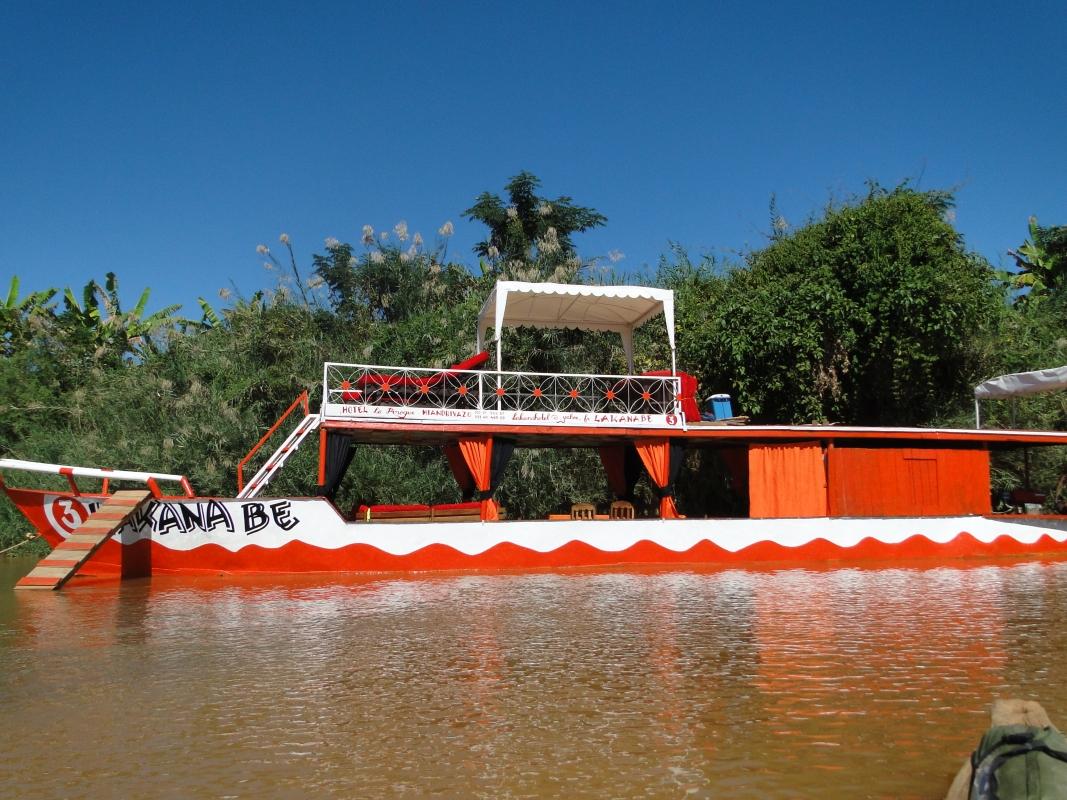
Free Cancellation
Tsiribihina River trip to the famous Tsingy conquest
Explore Madagascar Bekopaka Tours
About Madagascar Bekopaka Tours
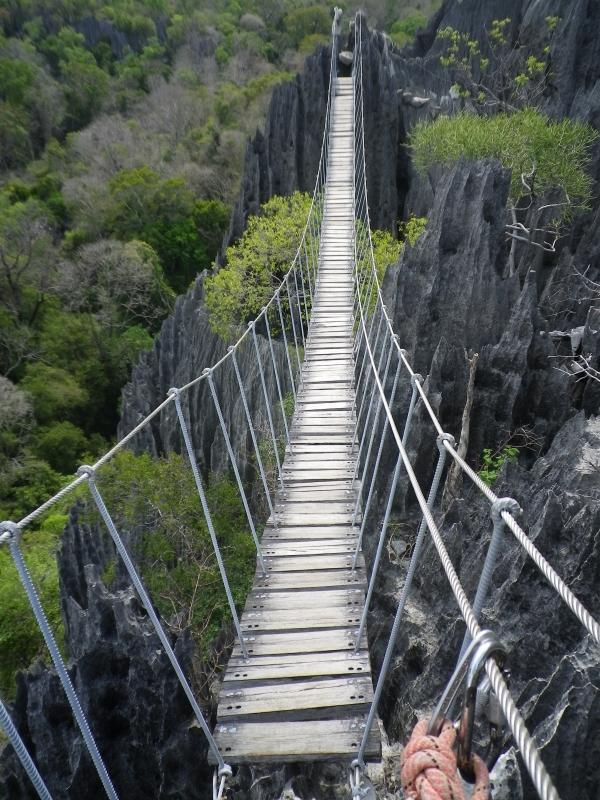
Bekopaka is the small village that serves as the gateway to the Tsingy de Bemaraha Strict Nature Reserve, a UNESCO World Heritage Site in western Madagascar built around one of the island's strangest landscapes. The reserve's limestone pinnacles, known as tsingy, a Malagasy word roughly meaning too sharp to walk on barefoot, rise in dense fields of razor-edged rock separated by narrow canyons and forest pockets. Reaching Bekopaka from the coast usually means a rough overland route through Belo-sur-Tsiribihina, crossing rivers by ferry, which keeps visitor numbers lower than at more accessible parks covered elsewhere in Madagascar tours.
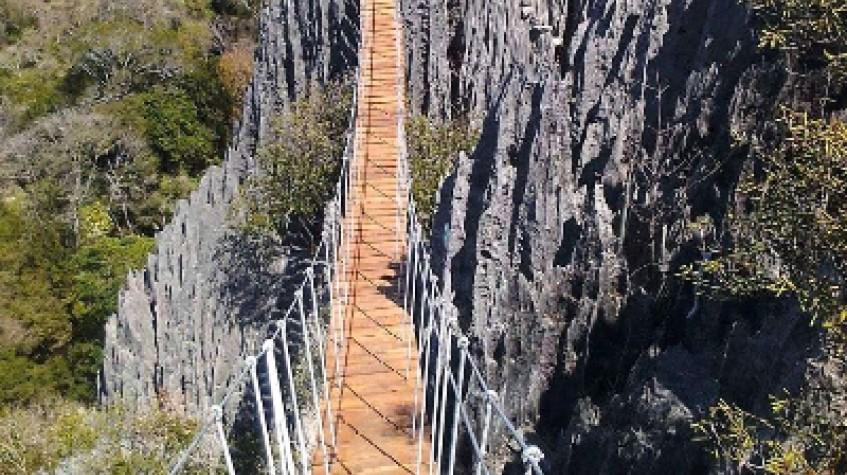
The formations began as an ancient seabed limestone plateau, later dissolved and carved by rainwater into the pinnacle fields visible today, a process that also produced the caves and underground rivers found throughout the reserve. The reserve splits into two main sections: the Petit Tsingy, easier walking with shorter trails suited to a first visit, and the Grand Tsingy, which requires a harness and via ferrata-style routes across suspension bridges and cable-secured ledges through the tallest pinnacle fields. Both sections shelter wildlife adapted to the harsh terrain, including Decken's sifaka and several other lemur species that move through the narrow gaps between rock towers.
The Manambolo Gorge
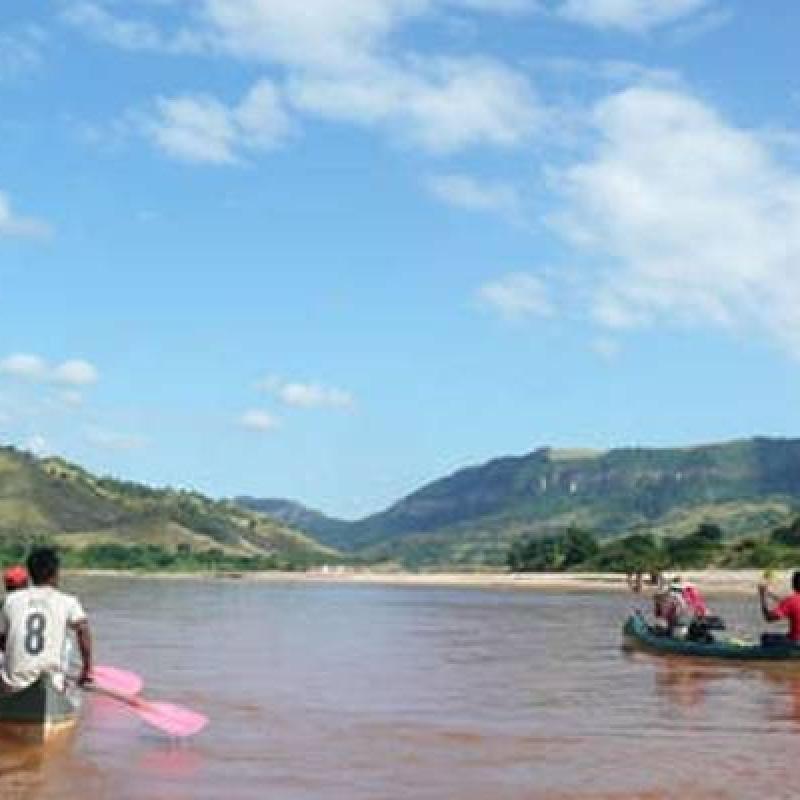
Many visits to Bekopaka combine the tsingy walks with a boat trip along the Manambolo River gorge, where limestone cliffs rise directly from the water and cave openings mark entrances to the wider karst system. The river approach is also a practical one, since a river crossing by ferry is part of the standard route into the village from the south.
Planning a Trip to Bekopaka
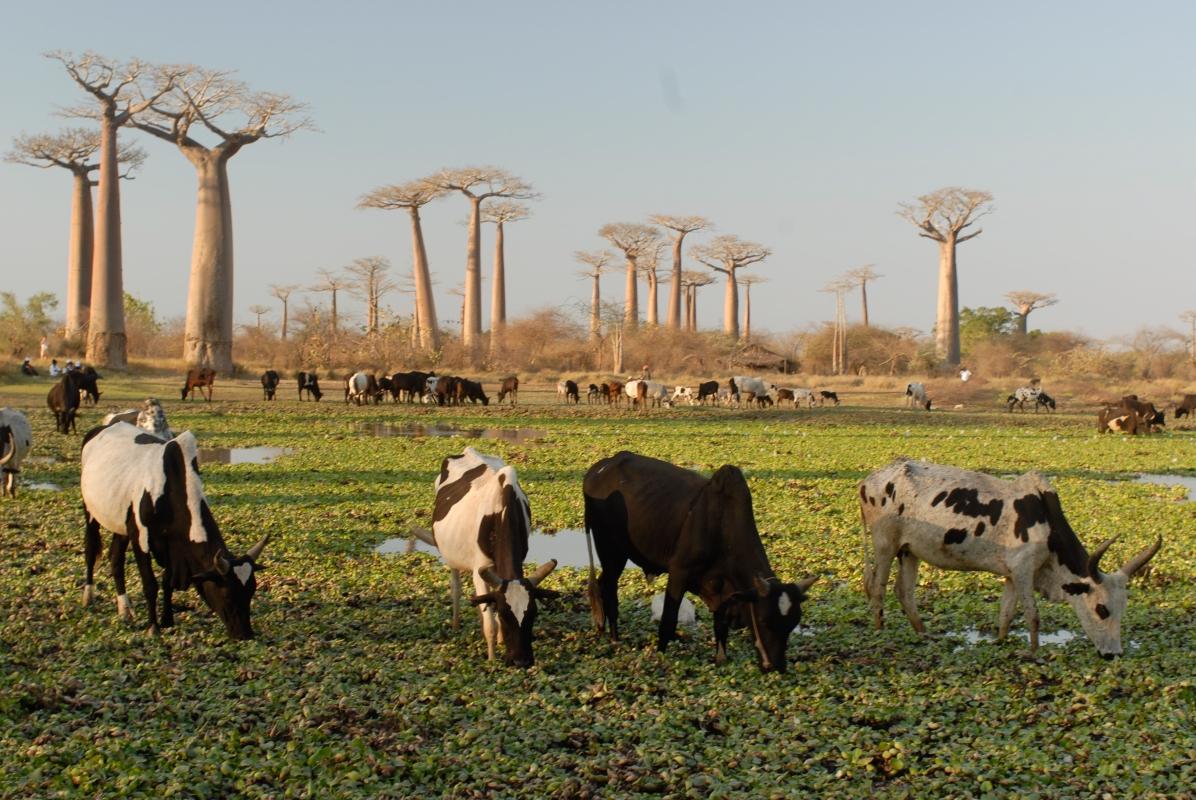
Because the roads into Bekopaka are unpaved and depend on dry conditions, the practical travel window runs from around April through November, with the wettest months making the route largely impassable. Most visits allow at least two full days, one for travel and one to walk both tsingy sections, and comfortable footwear along with a reasonable level of fitness helps on the Grand Tsingy circuit, where the harnessed sections involve exposed heights and narrow footholds. Lodging in the village is simple and geared toward park visitors rather than resort-style comfort, and most travelers arrive as part of a multi-day western Madagascar itinerary that also takes in Morondava and the Avenue of the Baobabs rather than as a standalone trip. Travelers mapping a broader route, including trips entirely outside Madagascar, can also browse other guided tours available through the same platform while planning the rest of their travel.