
Free Cancellation

-high.jpg&w=1920&q=75 "Lemurs of Andasibe to the White Sand of Sainte Marie")
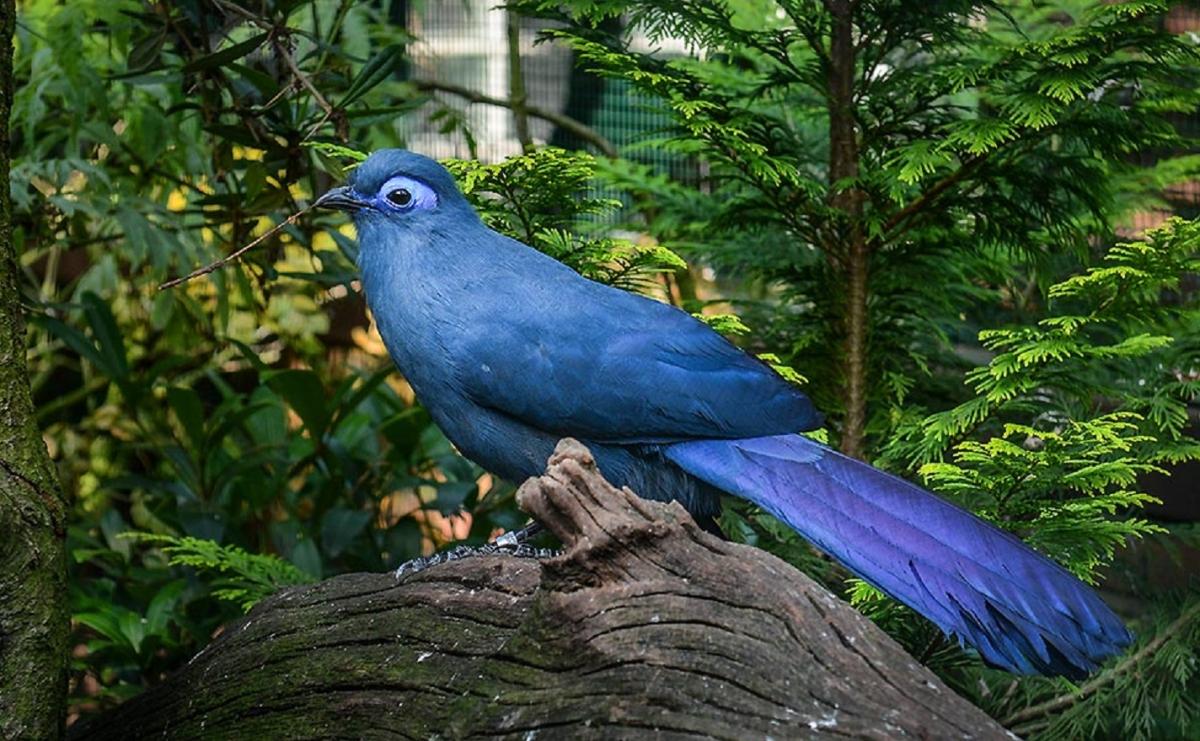
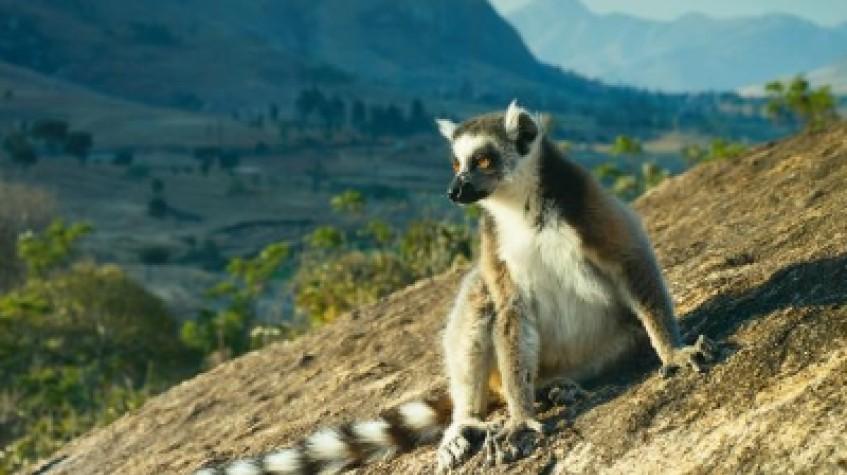
Madagascar Tours cover an island nation off the southeast coast of Africa that separated from the mainland tens of millions of years ago, leaving behind an ecosystem found nowhere else on earth. More than 100 lemur species, along with chameleons, baobab trees and a range of other endemic wildlife, make Madagascar a destination built around its unique species rather than the large mammal safaris typical of mainland Africa.
Madagascar is usually visited as its own dedicated trip, though it connects to the broader Africa region for travelers extending further. Madagascar Tours typically follow National Route 7, the main road linking the capital to the island's southern parks, or focus on the northeast coast around Antongila Bay.
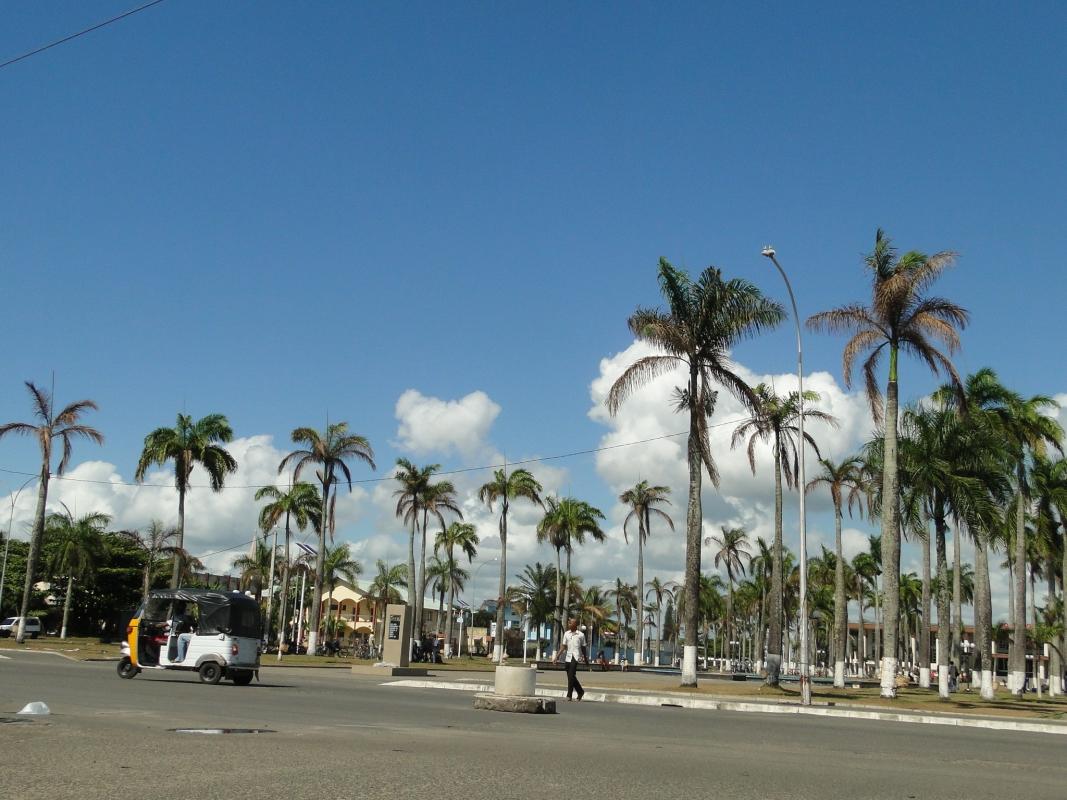
Antananarivo, the capital, is built across a series of hills and centers on the Rova, the former royal palace complex of the Merina kingdom, along with a lively central market and hillside neighborhoods of red-brick houses. Analakely Market in the lower town remains one of the city's main commercial hubs, selling everything from produce to woven baskets and vanilla pods. Most itineraries spend a day or two in the capital before heading south along National Route 7 toward the island's national parks.
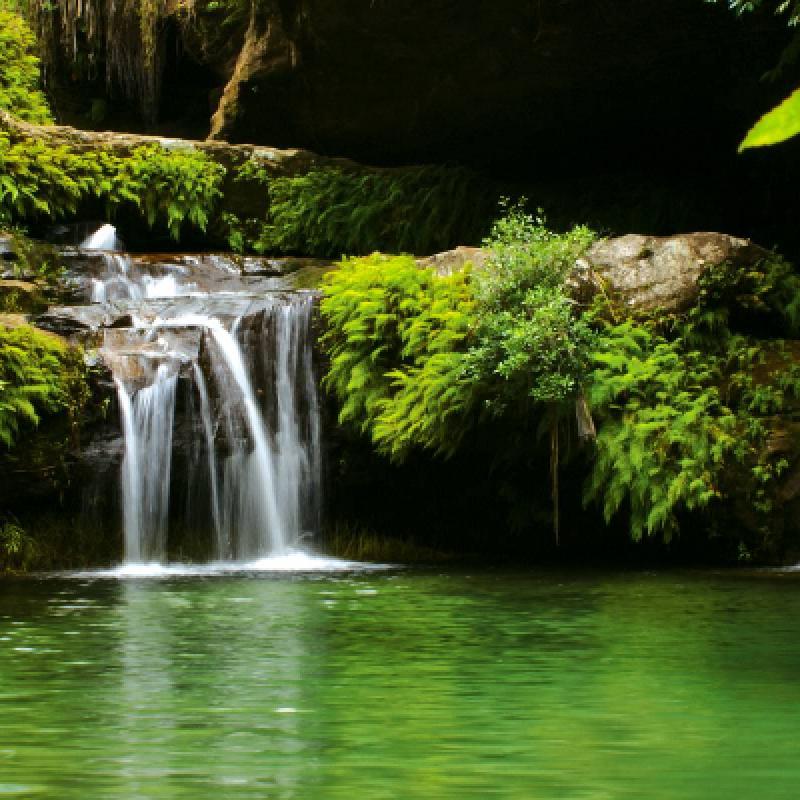
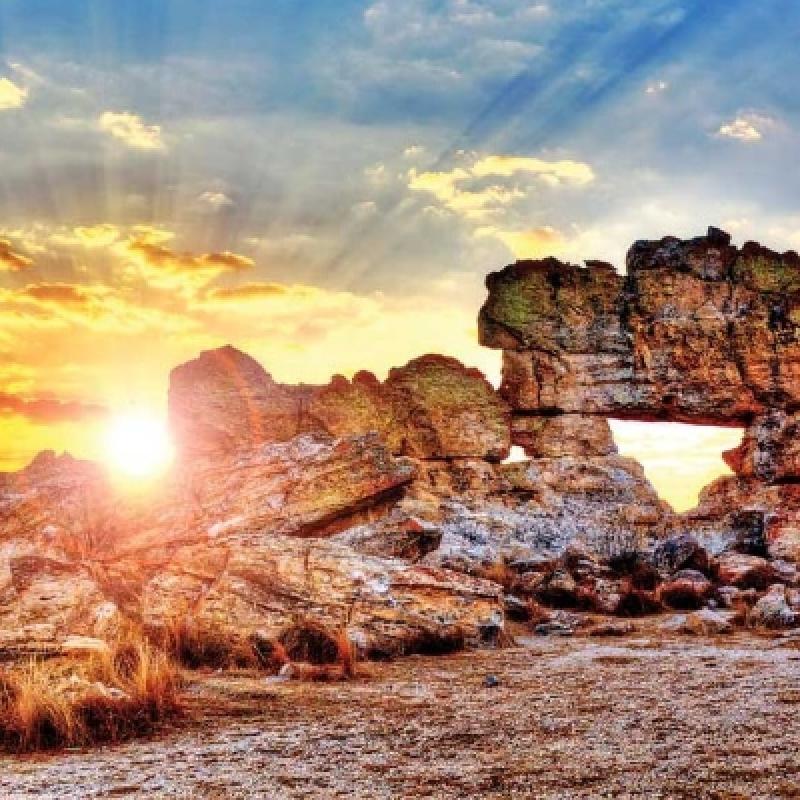
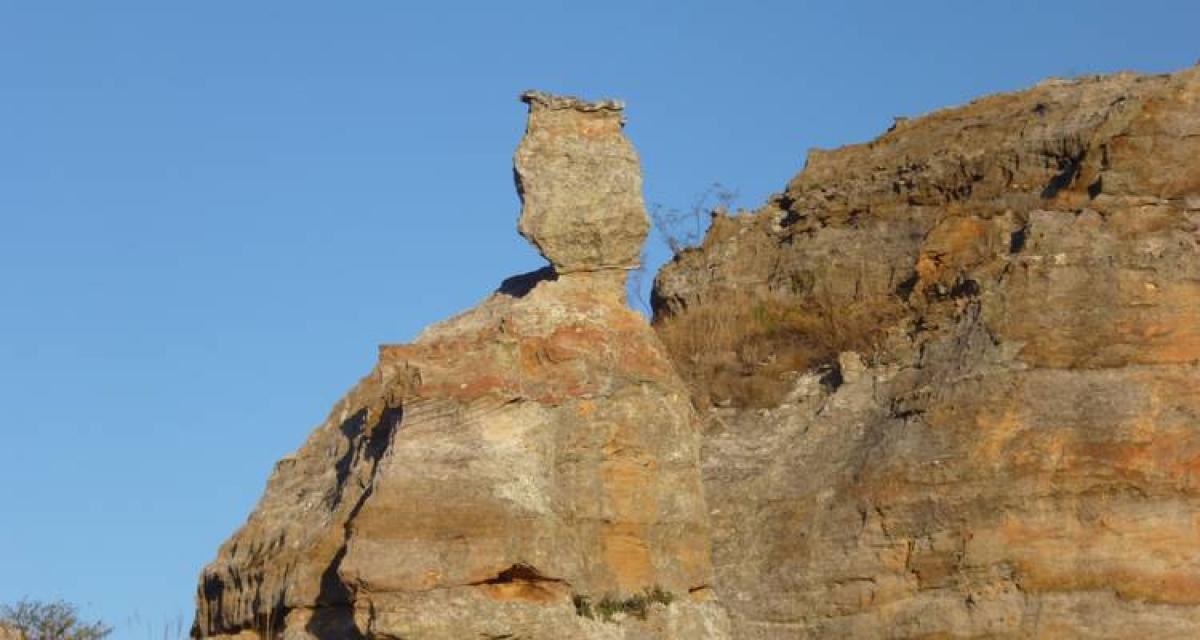
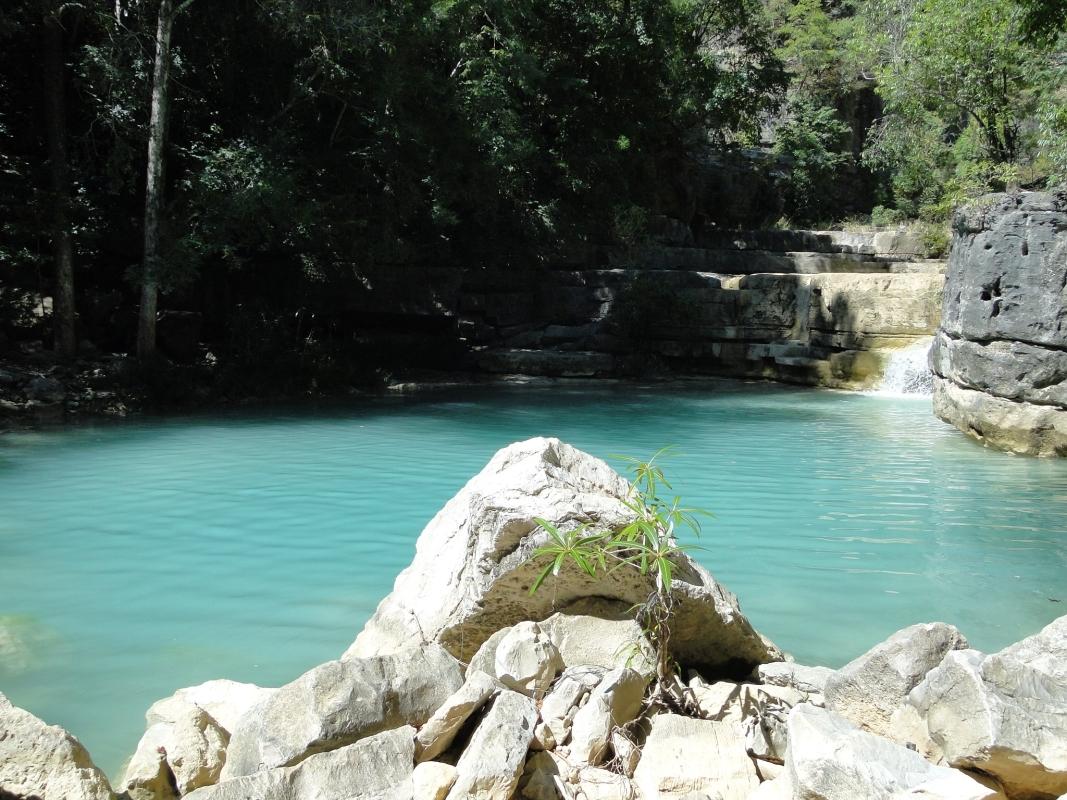
National Route 7 connects Antananarivo to the southern city of Toliara and serves as the backbone of most multi-park Madagascar itineraries. Along the way, Ranomafana National Park protects rainforest habitat for golden bamboo lemurs, Andringitra National Park offers granite peaks and hiking trails, and Isalo National Park is known for its eroded sandstone canyons and natural swimming pools, a landscape unlike anywhere else on the route.
Further south, the spiny forest around Ifaty and the town of Toliara marks a shift to a drier, more desert-like ecosystem, home to distinctive plant species such as the octopus tree, found only in this corner of the island.
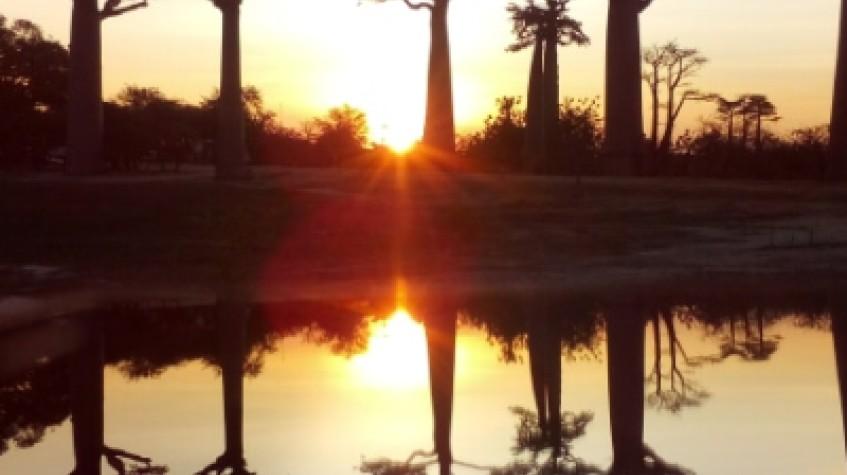
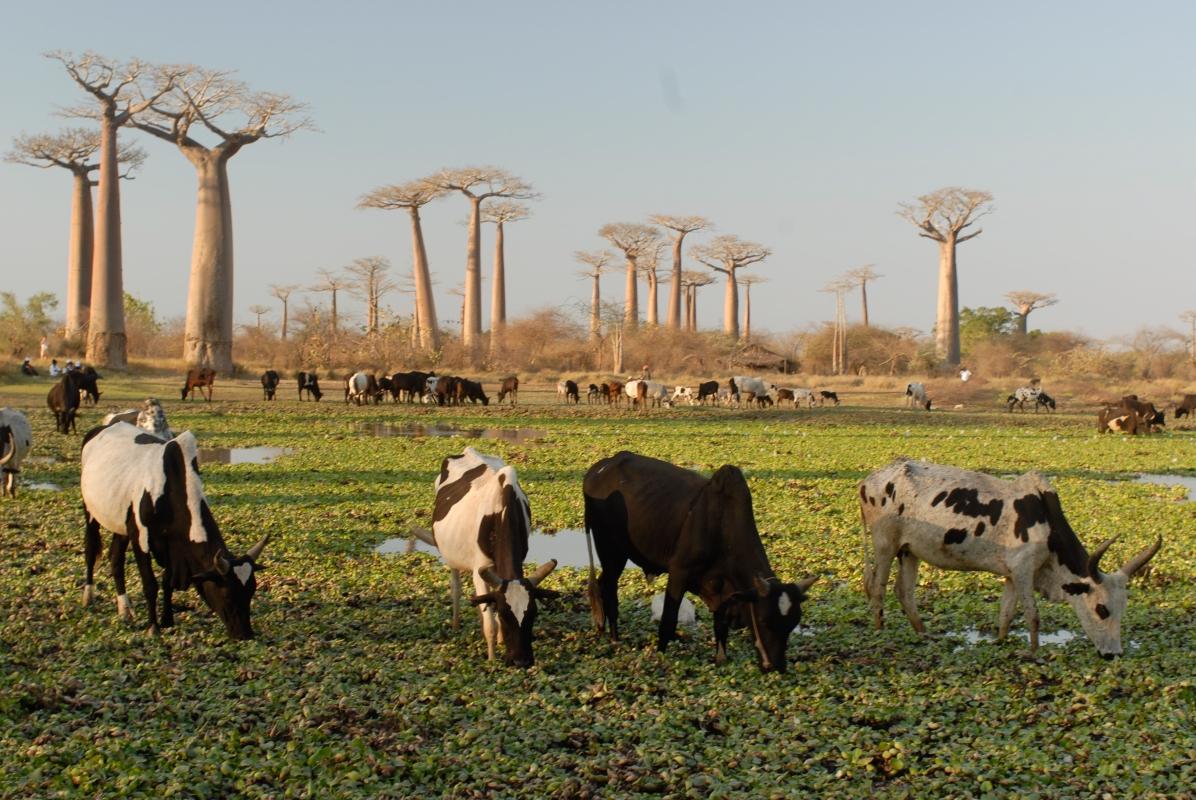
Near the western town of Morondava, the Avenue of the Baobabs is a dirt road lined with centuries-old baobab trees rising directly from the surrounding farmland. The trees are best photographed around sunrise or sunset, and the site is usually reached as part of a western extension rather than the main National Route 7 circuit.
Andasibe-Mantadia National Park, a few hours east of the capital, is the most accessible place to see the indri, the largest living lemur species, known for its loud territorial calls that carry through the forest at dawn. The park's proximity to Antananarivo makes it a common first or last stop on a Madagascar itinerary.
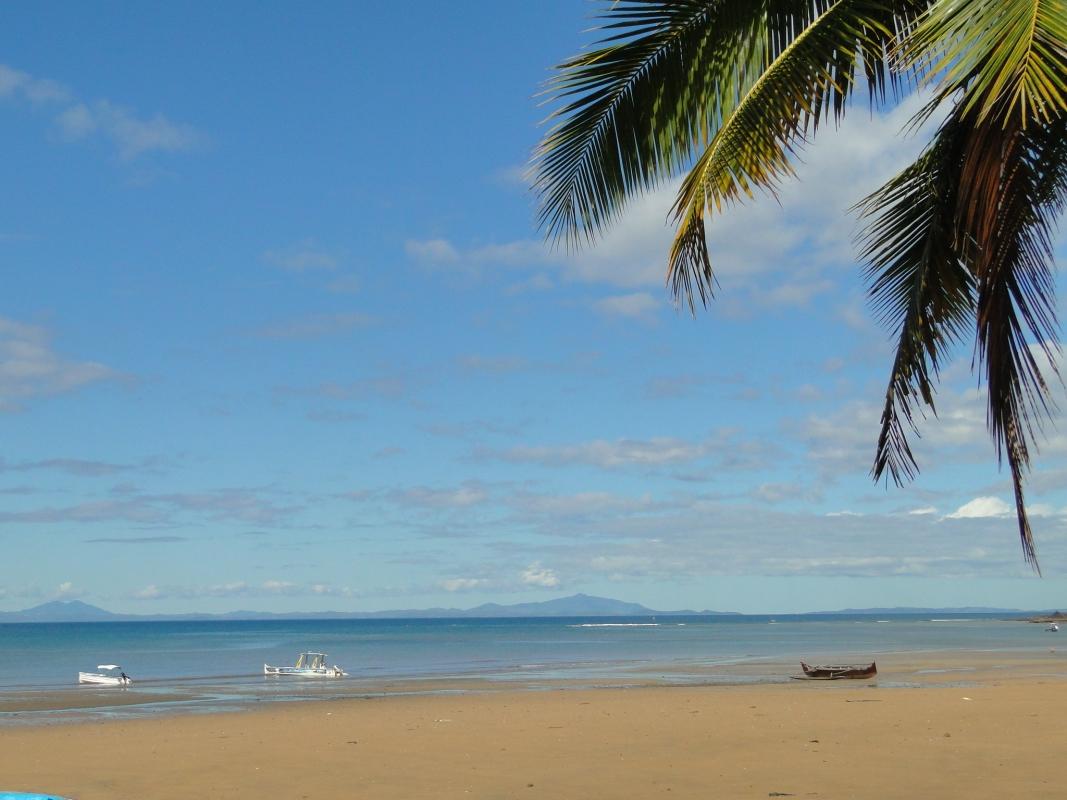
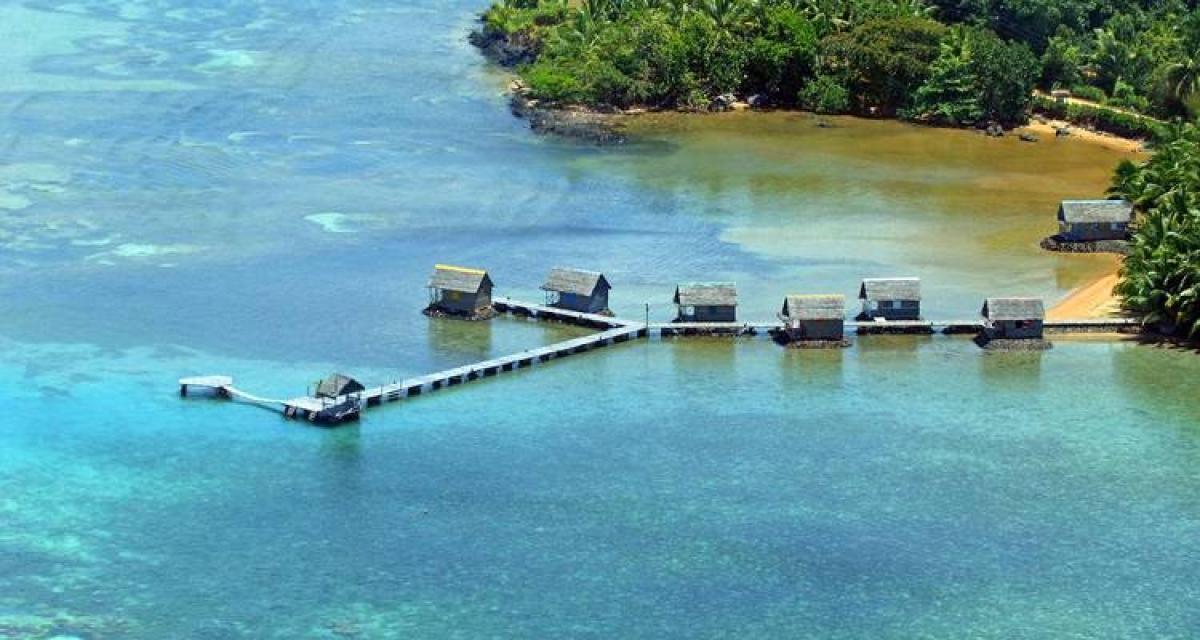
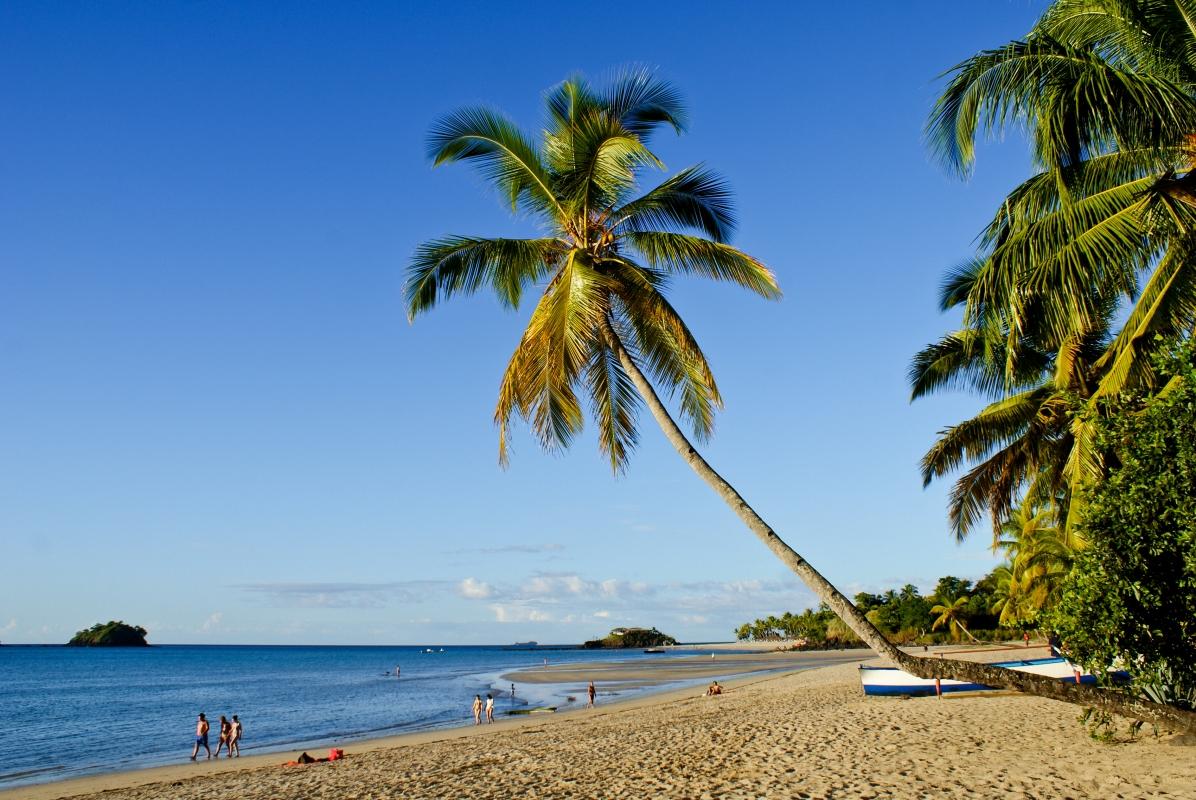
On the northeast coast, Antongila Bay offers calm water and sandy beaches, along with a seasonal opportunity for whale watching, as humpback whales pass along the coast between roughly July and September. Nosy Be, an island off the northwest coast, is Madagascar's main beach resort destination, reached by a separate domestic flight and offering diving, snorkeling and access to smaller surrounding islands.
Madagascar Tour Packages typically combine transportation, accommodation and guided park visits along a chosen route. The National Route 7 Rainforest Route Express covers several of the island's parks in a single week-long trip, combining rainforest, canyon and highland stops along the main southern route.
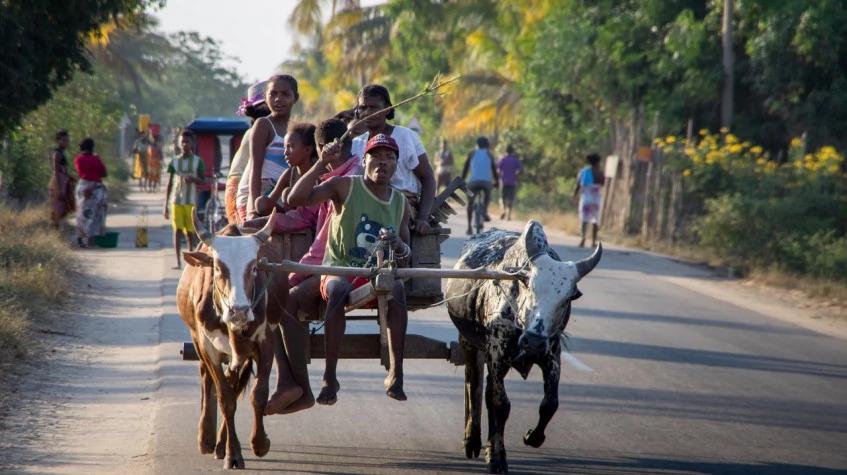
Malagasy cuisine centers on rice, served with vegetable, meat or seafood accompaniments, and reflects influences from Southeast Asia, Africa and France carried by successive waves of settlement. Markets along National Route 7 sell vanilla, cloves and other spices for which Madagascar remains a major world producer, and local guides throughout the parks are drawn largely from surrounding villages, often sharing knowledge of the forest passed down within their own communities.
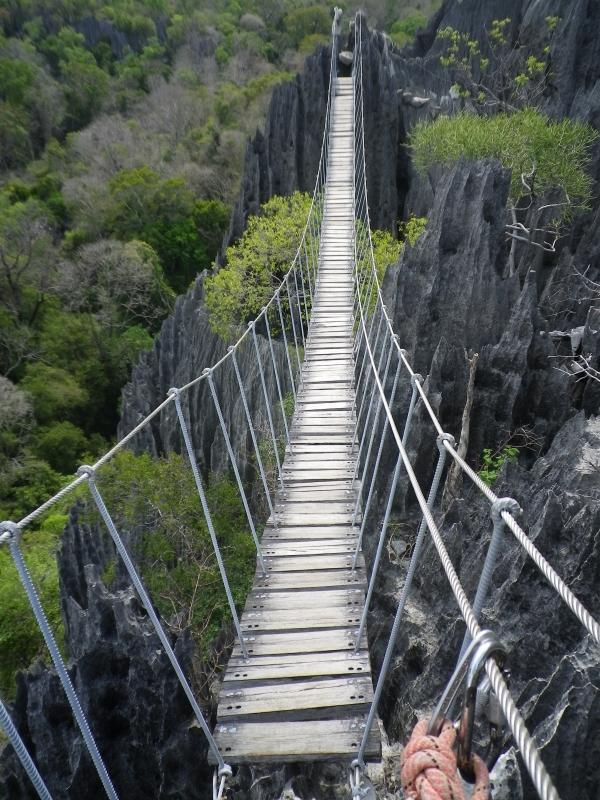
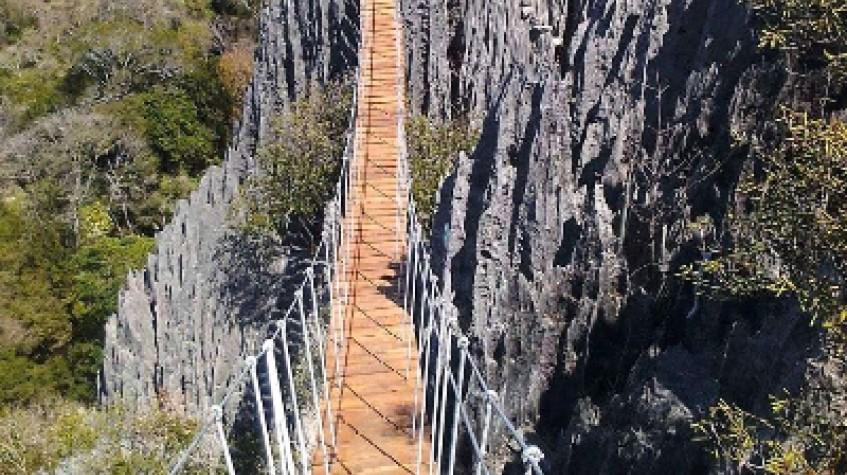
In western Madagascar, Tsingy de Bemaraha National Park protects a landscape of sharp limestone pinnacles formed by centuries of water erosion, crossed by suspension bridges and via ferrata routes for visitors exploring the formations up close. The park's remoteness, reached by a rough road from Morondava, means it is usually added only to longer itineraries with sufficient time.
Antananarivo's international airport is the main entry point, and while National Route 7 is paved for its full length, travel speeds remain slow compared to other countries given the terrain and road conditions. Domestic flights connect the capital to Nosy Be, Morondava and a handful of other regional airports, cutting down otherwise long road journeys.
Most Madagascar itineraries are arranged as private trips with a dedicated driver-guide, given the road conditions and the specialized knowledge required to track wildlife in each park. Shorter itineraries focused on just Andasibe or Nosy Be are available for travelers with limited time, while multi-park trips along National Route 7 generally run a week or longer. Group departures are less common than in more developed tourism markets, so most trips are built individually around a traveler's available time and areas of interest.
The dry season from April to November offers the most reliable weather for wildlife viewing and travel between parks, with roads in better condition and lemurs more active during cooler mornings. The rainy season from December to March can make some routes difficult to travel, though it coincides with the birth of many lemur infants for travelers focused on wildlife over ease of travel.