-high.jpg&w=1920&q=75 "5 Days Uganda Safari to Queen Elizabeth National Park")
Free Cancellation
-high.jpg&w=1920&q=75 "16 Days Wild Uganda Safari")
-high.jpg&w=1920&q=75 "5 Days Uganda Gorillas and Wildlife Game Drive")
-high.jpg&w=1920&q=75 "5 Days Gorilla and Chimpanzee Trekking")
-high.jpg&w=1920&q=75 "7 Days Uganda Wildlife Safari")
-high.jpg&w=1920&q=75 "4 Days Gorillas and Lake Bunyonyi Safari")
-high.jpg&w=1920&q=75 "4 Days Uganda Safari to Murchison Falls National Park")
Uganda Tours center on one of the few places in the world where travelers can trek to see mountain gorillas in their natural habitat, alongside chimpanzee tracking, savanna wildlife and the source of the Nile River. Straddling the equator in East Africa's Great Lakes region, the country combines dense rainforest, volcanic mountains and open grassland within a relatively compact area, making it possible to move between very different landscapes in the course of a single trip.
Uganda forms part of the region covered under Africa Tours, and most itineraries are built around a gorilla trekking permit, with additional days added for other national parks depending on time available.
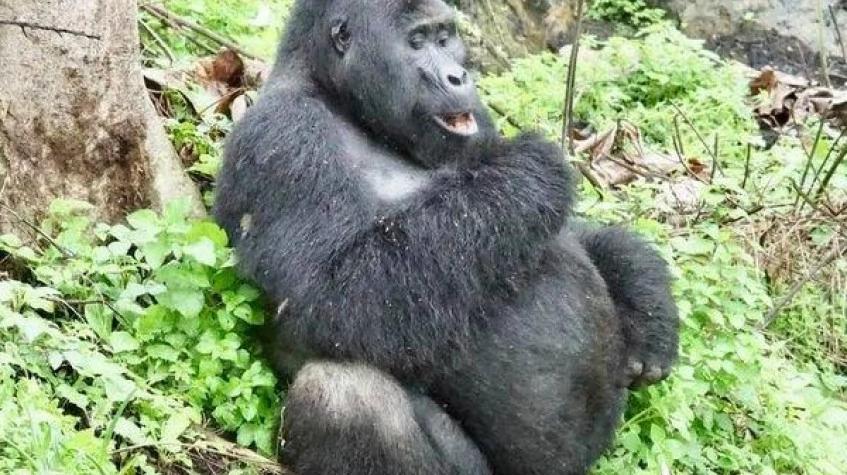
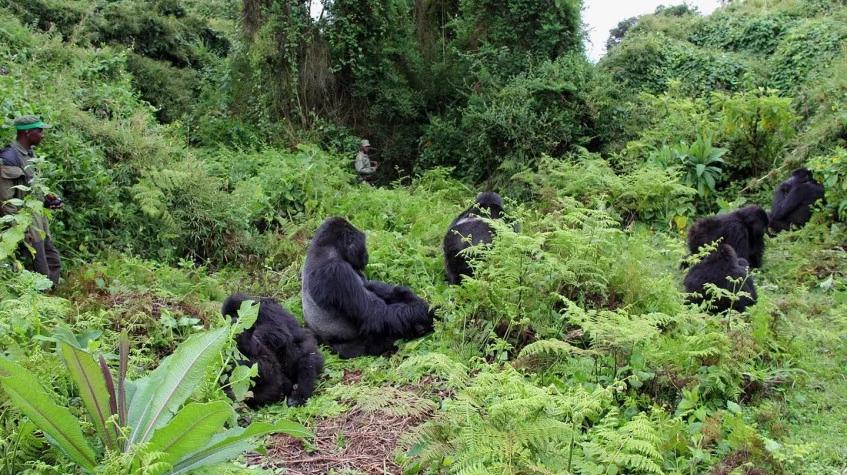
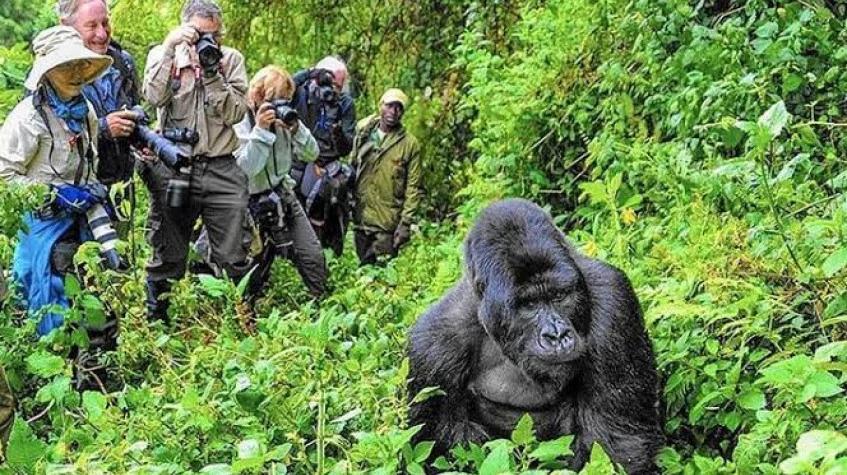
Bwindi Impenetrable National Park, a UNESCO World Heritage Site, holds roughly half of the world's remaining mountain gorilla population across its dense montane forest. Trekking permits are capped daily to limit disturbance to habituated gorilla families, and treks can range from a short walk to several hours depending on where the group is located that day, with a strict one-hour limit once visitors reach the gorillas themselves. Mgahinga Gorilla National Park, in Uganda's southwest corner near the borders with Rwanda and the Democratic Republic of Congo, offers a smaller, quieter alternative for gorilla trekking within the same Virunga volcanic massif.
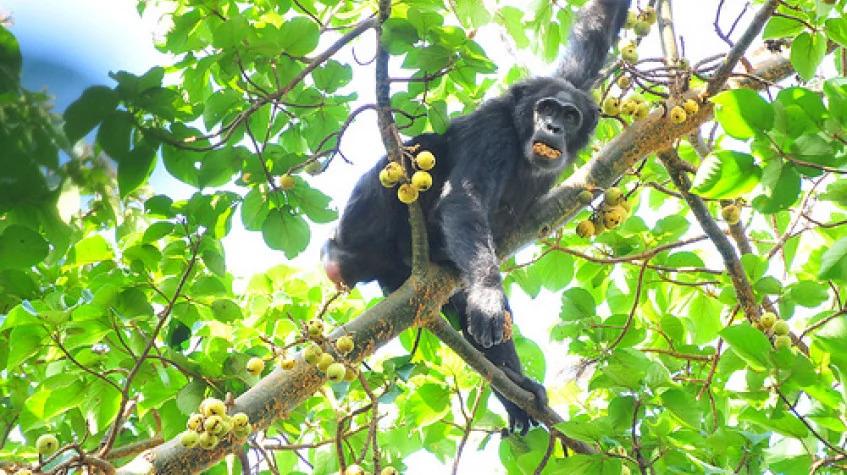
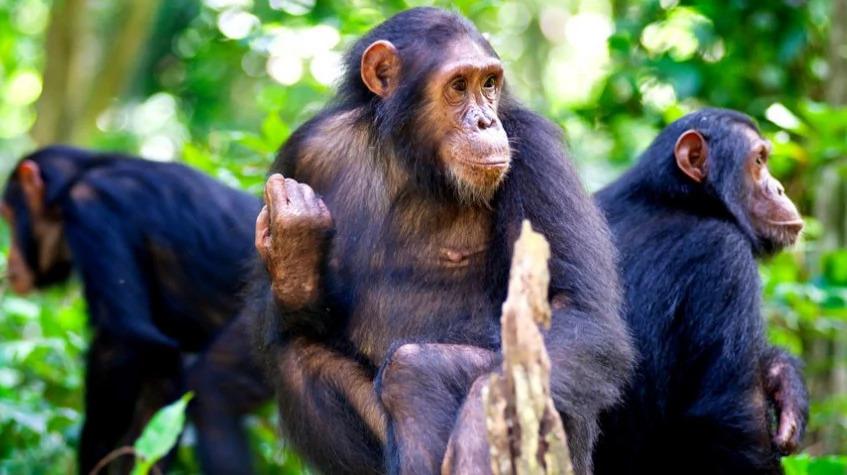
Kibale Forest National Park holds one of the highest densities of primates in Africa, including a large population of habituated chimpanzees. Tracking permits here are generally easier to obtain than gorilla permits, and guided walks through the forest also turn up several monkey species, including red colobus and l'Hoest's monkey, along with more than three hundred recorded bird species.
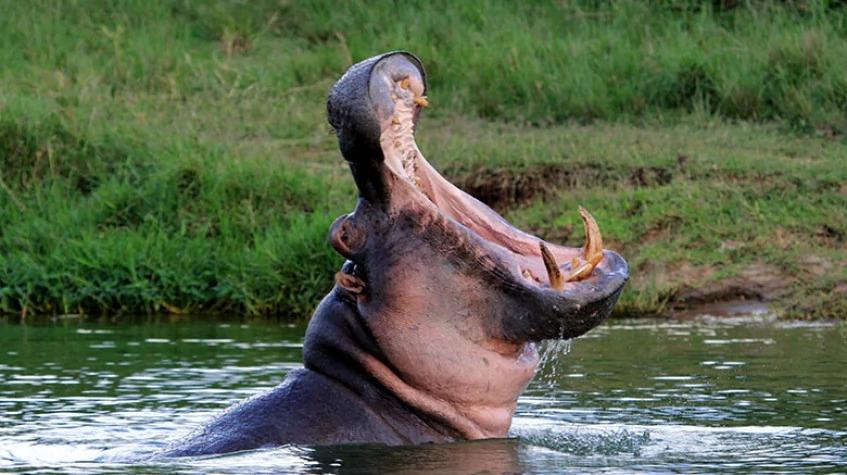
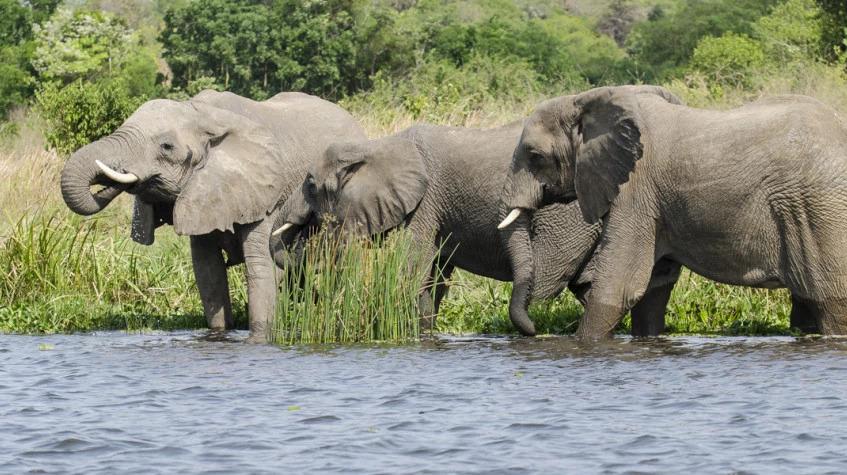
Queen Elizabeth National Park spans savanna, wetland and crater lake terrain in western Uganda, known for tree-climbing lions in the Ishasha sector and boat safaris along the Kazinga Channel, where hippo and elephant gather in large numbers along the water's edge, and where the channel's wide concentration of wildlife rivals some of the more established East African reserves.
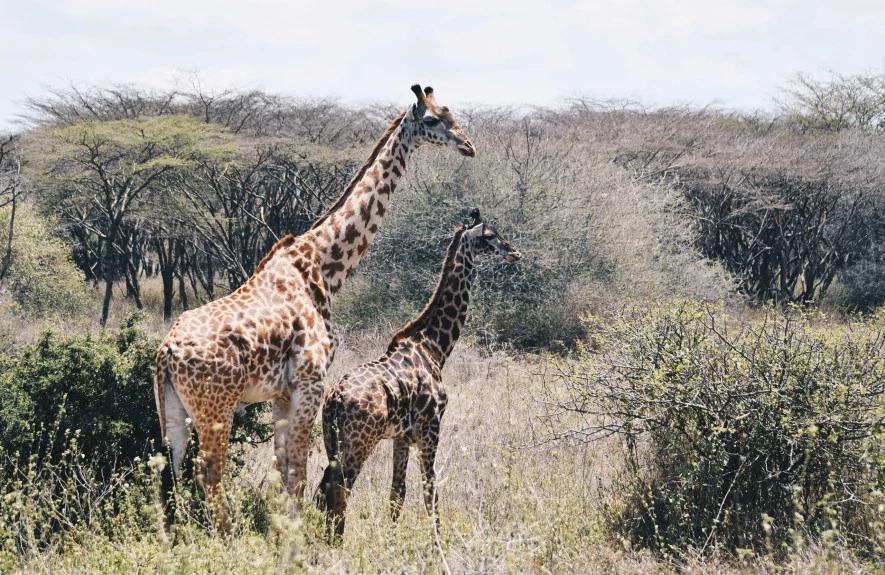
Murchison Falls, where the Nile forces its way through a narrow six-meter gorge before dropping into a wide pool below, anchors Uganda's largest national park. Boat trips along the Nile below the falls offer close views of hippo, crocodile and elephant, while the surrounding savanna supports giraffe, buffalo and lion, and a hike to the top of the falls adds a view down into the gorge itself.
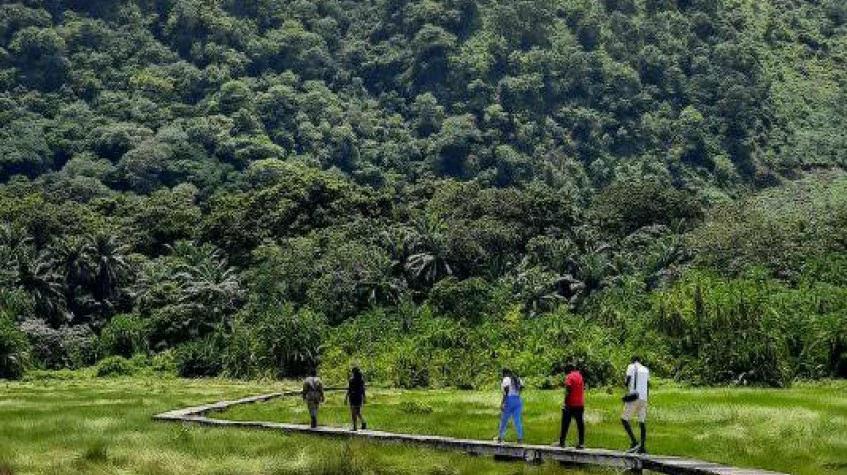
The Rwenzori Mountains, on the border with the Democratic Republic of Congo, hold Africa's third-highest peak and some of the continent's few remaining glaciers, drawing multi-day trekkers rather than day visitors given the terrain and altitude involved. Lake Bunyonyi, in the far southwest near Bwindi, offers a quieter stop between gorilla treks, its terraced hillsides and scattered small islands making it a popular place to relax by canoe or on a short village walk.
Kampala, Uganda's capital, spreads across several hills and mixes markets, cathedrals and the Kasubi Tombs, a UNESCO-listed royal burial site of the Buganda kingdom. East of the capital, Jinja sits at the point where the Nile River leaves Lake Victoria, marking one of the river's recognized sources and now a center for white water rafting, kayaking and other river-based activities on the Nile's upper rapids. Lake Victoria, Africa's largest lake and a second source feeding the Nile, borders Uganda, Kenya and Tanzania, and the Ssese Islands within its Ugandan waters offer a quieter beach-and-forest extension for travelers with extra time near the capital.
Kidepo Valley, in Uganda's remote northeast corner near the border with South Sudan and Kenya, holds species found nowhere else in the country, including cheetah and ostrich, across a rugged savanna landscape bordered by mountains. Its distance from Kampala, generally requiring a domestic flight rather than a road transfer, keeps visitor numbers low compared with Uganda's more accessible parks, though those who make the trip are often rewarded with sightings unlikely elsewhere in the country, such as cheetah hunting in open grassland.
Packages such as the 3 Days Gorilla Safari Uganda focus specifically on Bwindi trekking within a short itinerary, while longer packages combine gorilla trekking with chimpanzee tracking in Kibale or game drives in Queen Elizabeth National Park.
Entebbe International Airport, near Kampala, serves as the main gateway, with road transfers connecting to Bwindi, Kibale and the western parks. Domestic flights on smaller aircraft can shorten the longer overland routes to Bwindi for travelers with limited time, cutting a journey of six to eight hours by road down to roughly one hour by air.
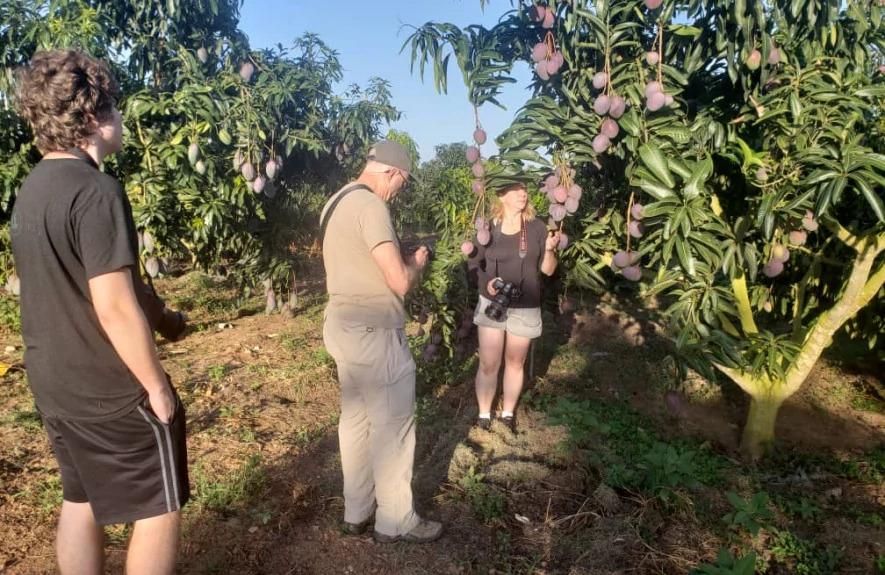
Ugandan meals typically center on matoke, a steamed and mashed plantain dish, served alongside groundnut sauce, beans or grilled meat, and roadside stops on longer transfers often introduce travelers to local produce such as jackfruit and passion fruit grown across the country's fertile central region. Uganda straddles the equator just north of Lake Victoria, and a marked equator crossing point south of Kampala is a common photo stop on the way to or from the western parks.
The dry seasons, from June to September and December to February, offer the most manageable trail conditions for gorilla and chimpanzee trekking, when forest paths are less muddy and slippery, though trekking remains possible year-round for travelers with flexible dates.