Free Cancellation

-high.jpg&w=1920&q=75 "6 Days Rift Valley Lakes & The Untamed Masai Mara Safari")
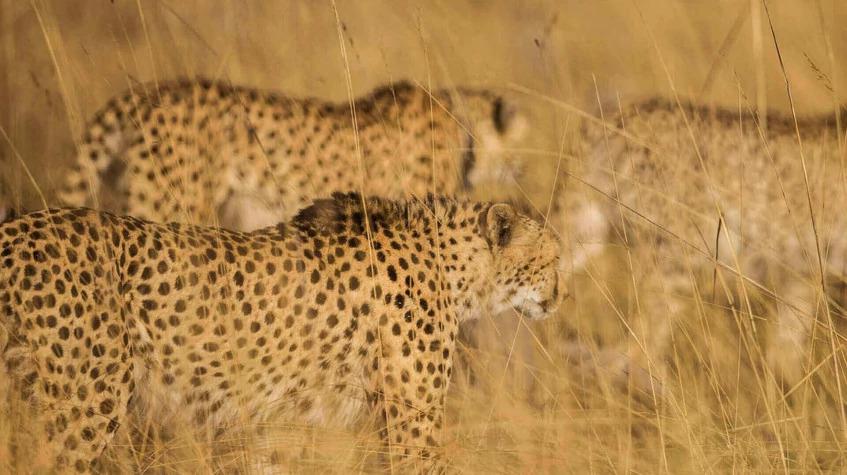
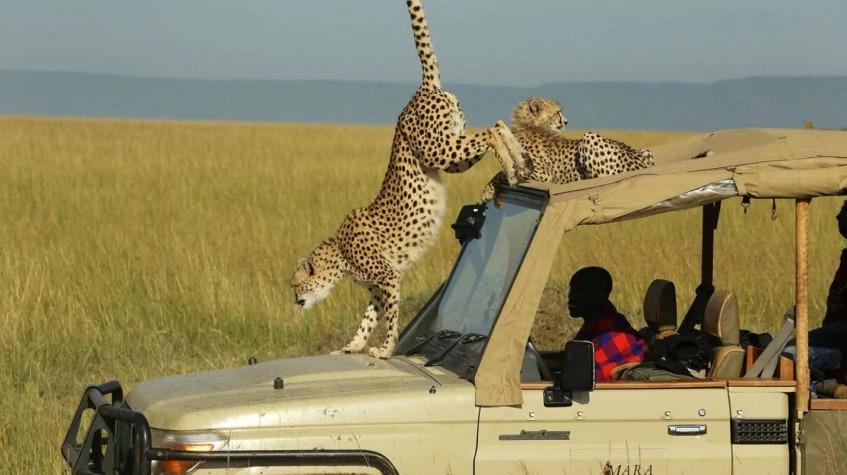
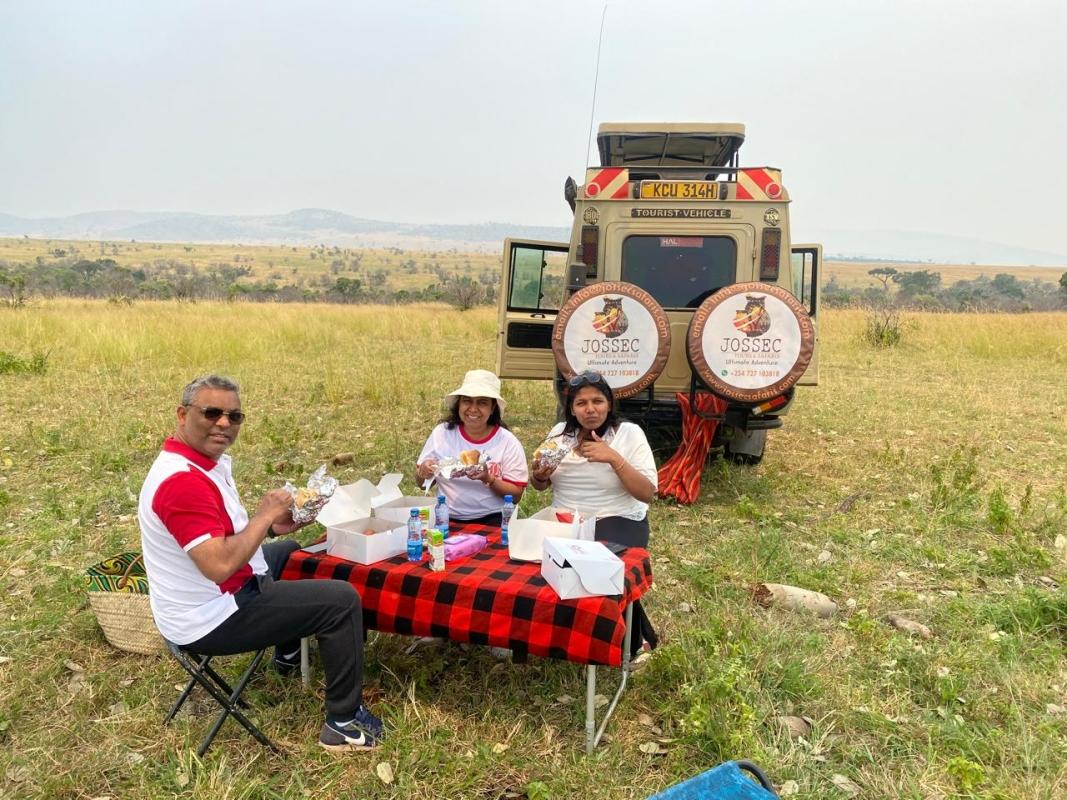
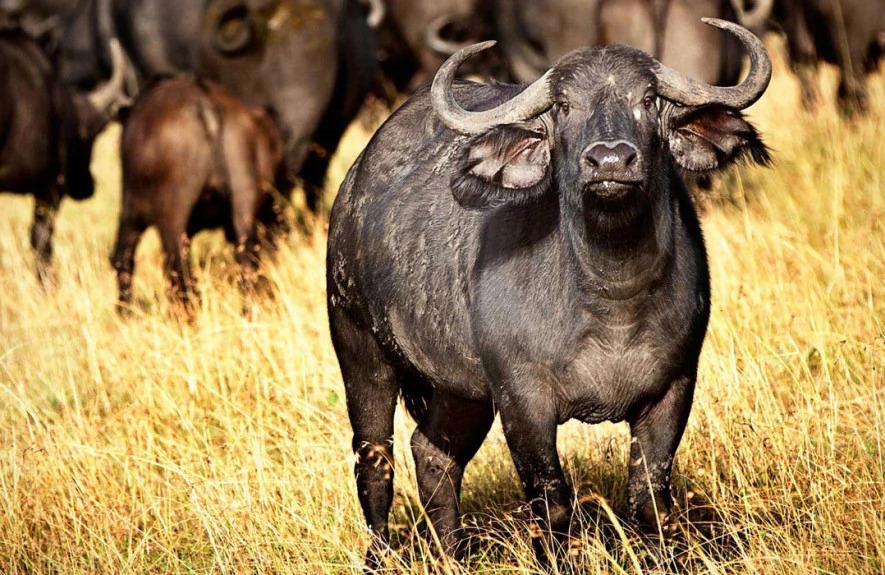
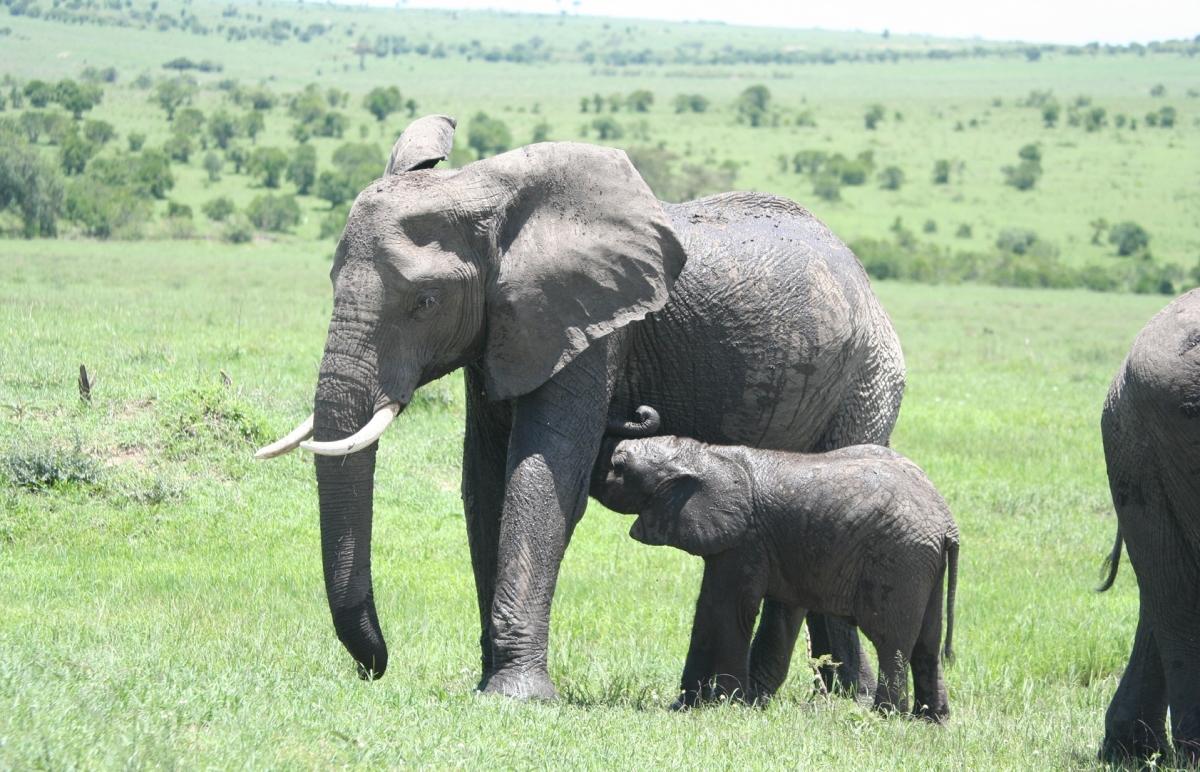

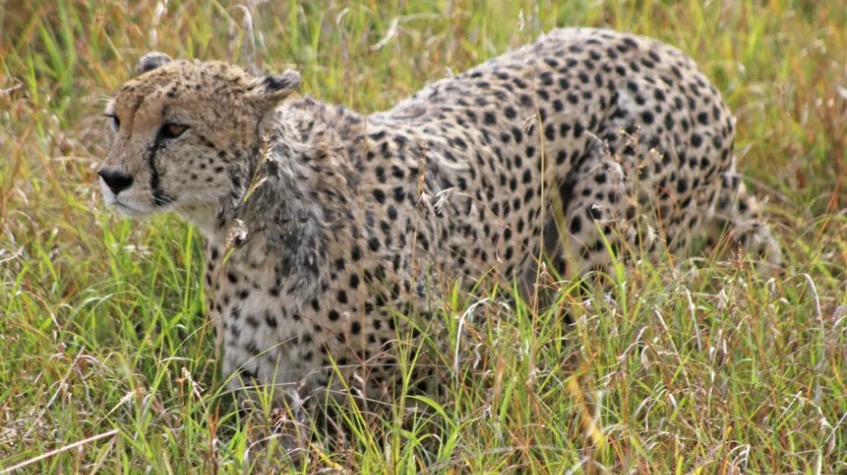
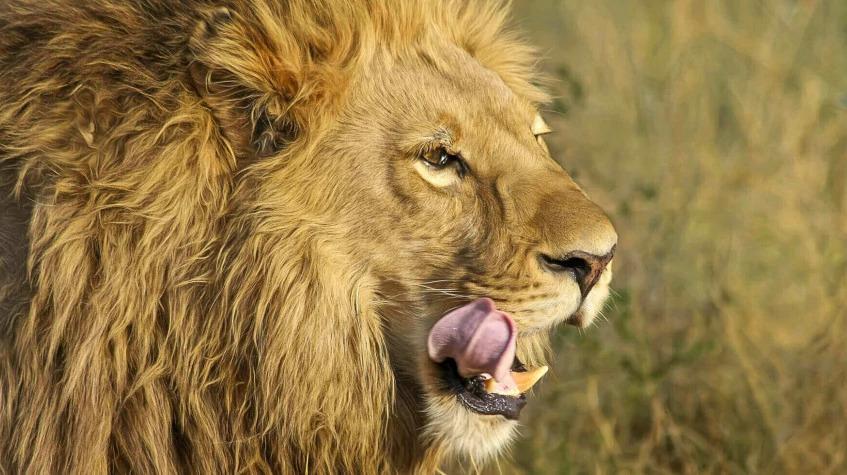
Kenya Tours focus on East Africa's classic safari landscapes, anchored by the Masai Mara ecosystem in the southwest and extended by a string of Rift Valley lakes, forested central highlands and an Indian Ocean coastline lined with beach resorts. The country remains one of the continent's most established safari destinations, with infrastructure built up over decades of wildlife tourism, from lodges and tented camps inside the parks to a well-developed network of domestic flights linking the main safari areas.
Kenya sits within the region covered under Africa Tours, and most itineraries combine several days of game drives with either a Rift Valley lake circuit or a stay on the coast, using Nairobi as the starting and ending point for the trip.
Nairobi, Kenya's capital, serves as the entry point for most safaris and holds its own attractions for travelers with a spare day, including Nairobi National Park, one of the few game reserves bordering a major capital city, where rhino, giraffe and lion roam within sight of the skyline, along with the Giraffe Centre and the David Sheldrick Wildlife Trust, known for its work rehabilitating orphaned elephants and returning them to the wild once old enough to survive independently.
The Masai Mara, an extension of Tanzania's Serengeti ecosystem across the border, hosts the dramatic river crossings of the wildebeest migration, typically between July and October, as herds cross the Mara and Talek rivers in the presence of large Nile crocodile populations. Outside migration season, the reserve holds resident populations of lion, leopard, elephant and the densest concentration of big cats in Kenya, and hot air balloon safaris over the plains at sunrise are a popular addition for visitors staying inside the reserve.
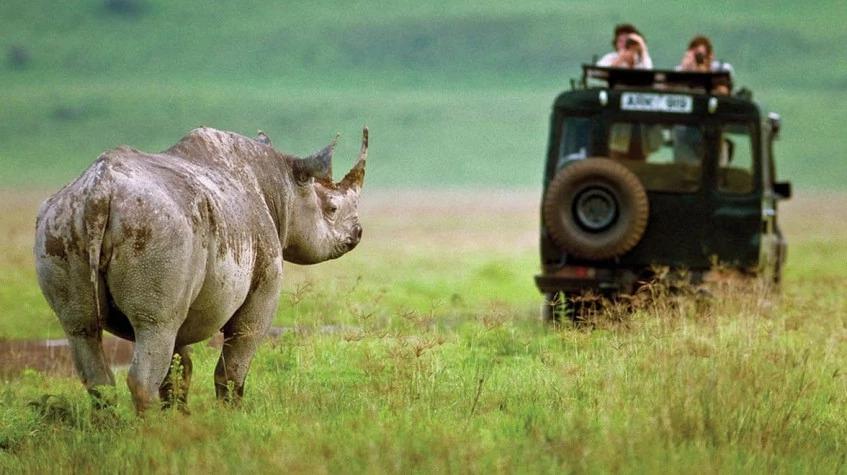
Lake Nakuru National Park is best known for its rhino sanctuary, home to both black and white rhino, and for large flamingo populations that gather along the alkaline lake shore depending on water levels and algae conditions, with the surrounding acacia woodland also supporting leopard and a healthy population of Rothschild's giraffe.
Lake Naivasha, a freshwater lake ringed by acacia woodland, supports hippo pods and birdlife best viewed by boat, with more than four hundred recorded bird species around its shore. Neighboring Hell's Gate National Park is unusual among Kenyan parks in allowing walking and cycling safaris, since it holds no predators large enough to pose a serious threat, with towering cliffs, a narrow gorge and geothermal steam vents adding to a landscape said to have inspired scenes in a well-known animated film.
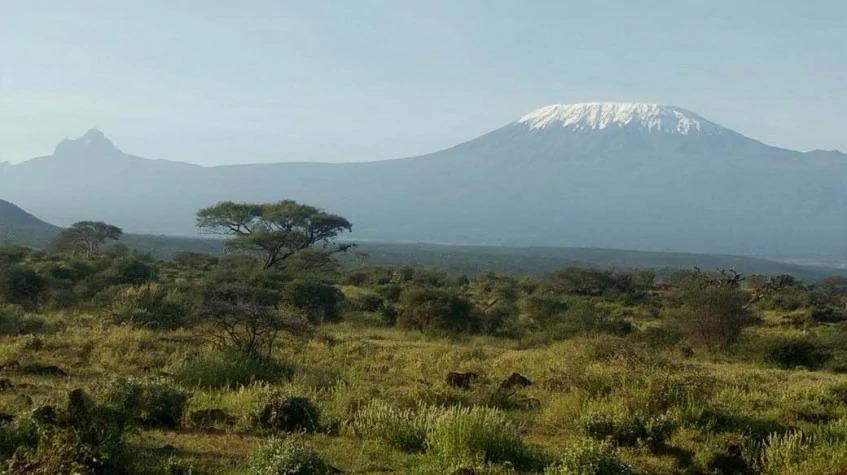
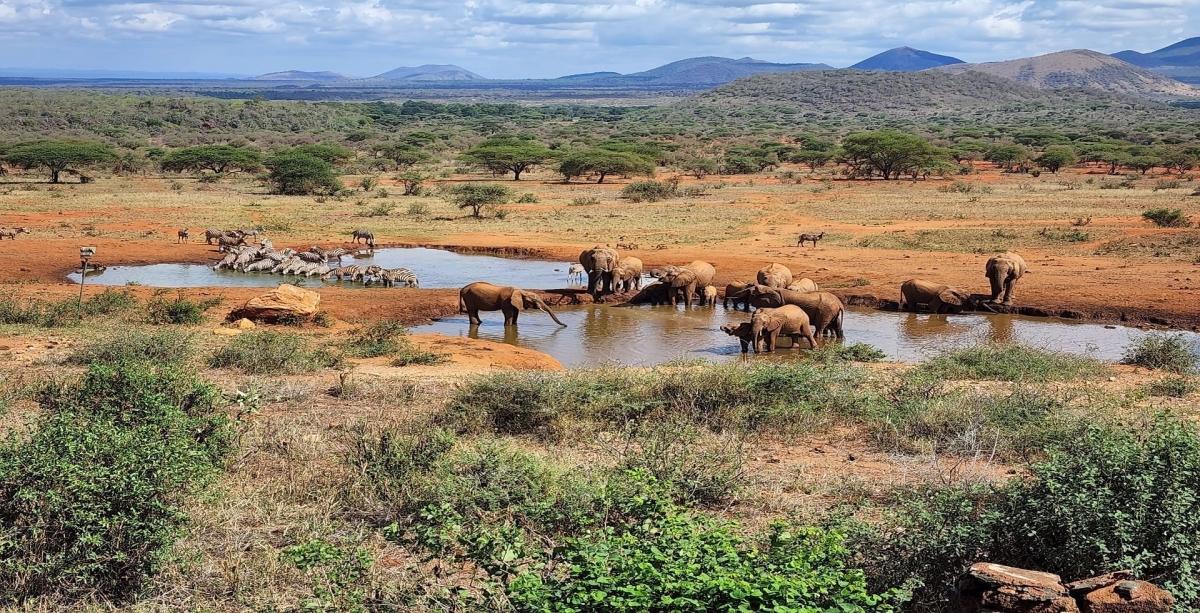
Amboseli National Park, in southern Kenya near the Tanzanian border, is known for its large elephant herds photographed against the backdrop of Mount Kilimanjaro on clear days, one of the most recognizable safari images in East Africa. North of Nairobi, the Laikipia Plateau functions as one of Kenya's leading conservation areas, combining private and community conservancies that protect endangered species such as Grevy's zebra and African wild dog alongside more typical safari wildlife, while Mount Kenya, Africa's second-highest peak, rises above the plateau and offers trekking routes for visitors with more time, its lower slopes covered in forest and bamboo giving way to moorland and glaciated peaks near the summit.
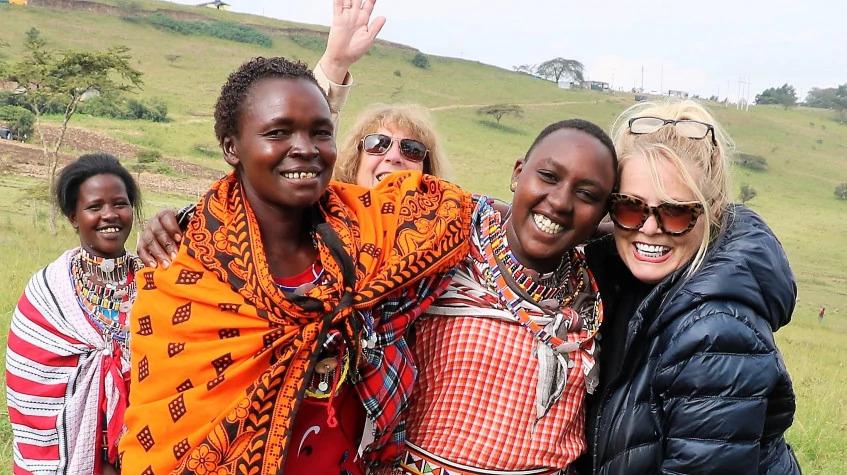
Maasai villages around the Mara welcome visitors for a look at traditional cattle-herding life, beadwork and dance, usually arranged as an add-on to a morning or afternoon game drive rather than a full day on its own. Kenya is home to more than forty ethnic groups, and itineraries that include central highland communities such as the Kikuyu, or coastal Swahili towns, add a cultural layer beyond wildlife viewing. The Nairobi National Museum offers a broader introduction to this diversity, alongside exhibits on the country's fossil discoveries linked to early human evolution in the Rift Valley.
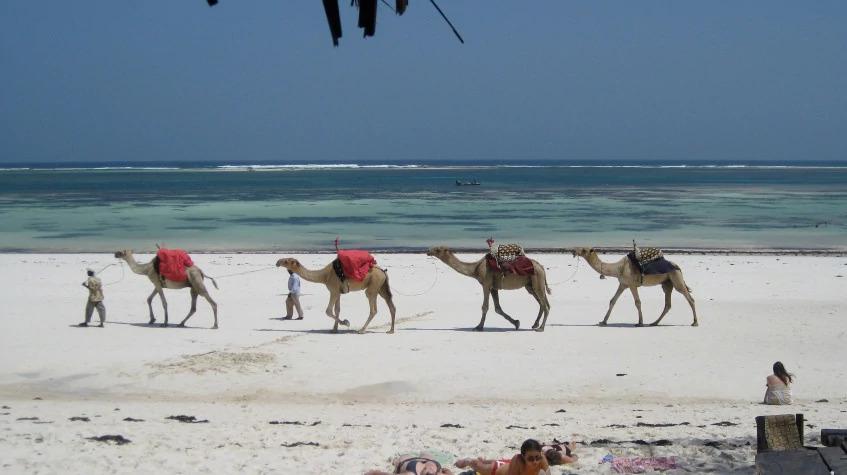
Mombasa, Kenya's second-largest city, anchors a stretch of Indian Ocean coastline that includes the resort beaches of Diani to the south and the historic Swahili trading settlement of Lamu to the north, its old town recognized as a UNESCO World Heritage Site for its well-preserved coral stone architecture and car-free streets navigated by donkey and on foot.
Packages such as the 5 Days Masai Mara, Nakuru & Naivasha Safari with Hell’s Gate Adventure link several parks into a single circuit within a work week, combining game drives with a walking or cycling stop at Hell's Gate. Longer itineraries extend to Amboseli or add a beach stay on the coast after the safari portion concludes.
Nairobi functions as the main international gateway and starting point for most safari itineraries, with road transfers connecting the capital to the Rift Valley parks and light aircraft used for longer hops to remote conservancies, the Mara or the coast.
Nyama choma, meaning grilled meat, sits at the center of Kenyan cuisine and is commonly served with ugali and kachumbari, a fresh tomato and onion salad, while coastal towns such as Mombasa and Lamu bring in Swahili and Arab-influenced dishes built around coconut, seafood and spices carried along historic Indian Ocean trade routes.
The dry season from June to October offers the clearest wildlife viewing across most parks, as vegetation thins and animals gather around permanent water sources. January and February, a shorter dry spell between the rains, also provides good conditions and coincides with calving season on the southern plains.