
Free Cancellation
-high.jpg&w=1920&q=75 "Explore Senegal & the Gambia – 10 Days")
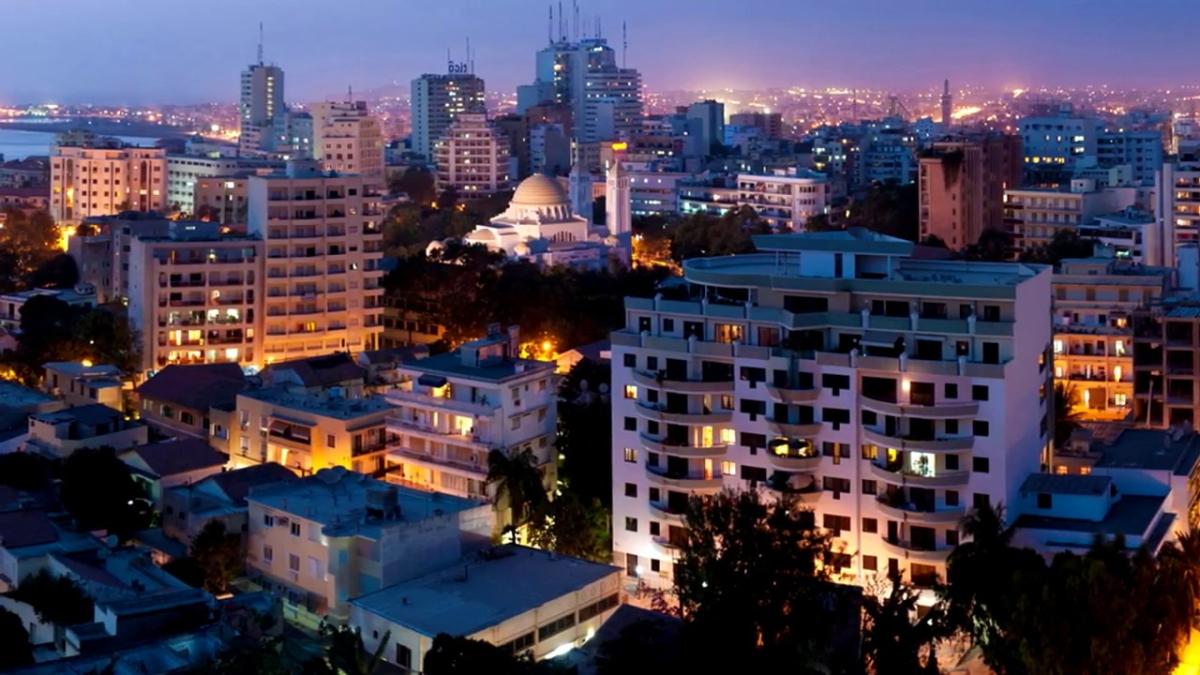
Senegal sits on the westernmost point of mainland Africa, a country of roughly 17 million people where French mixes daily with Wolof on the streets of Dakar. The capital's markets, colonial-era buildings and live mbalax music give the city an energy that stands apart from many other West African capitals, and a short ferry ride away sits Goree Island, one of the region's most sobering historical sites.
These Africa tours extend well beyond Dakar into wetlands, colonial river towns and salt lakes that surprise many first-time visitors. Senegal Tours can be arranged as short city breaks centered on the capital or longer circuits that combine urban sightseeing with time in the delta and along the coast.
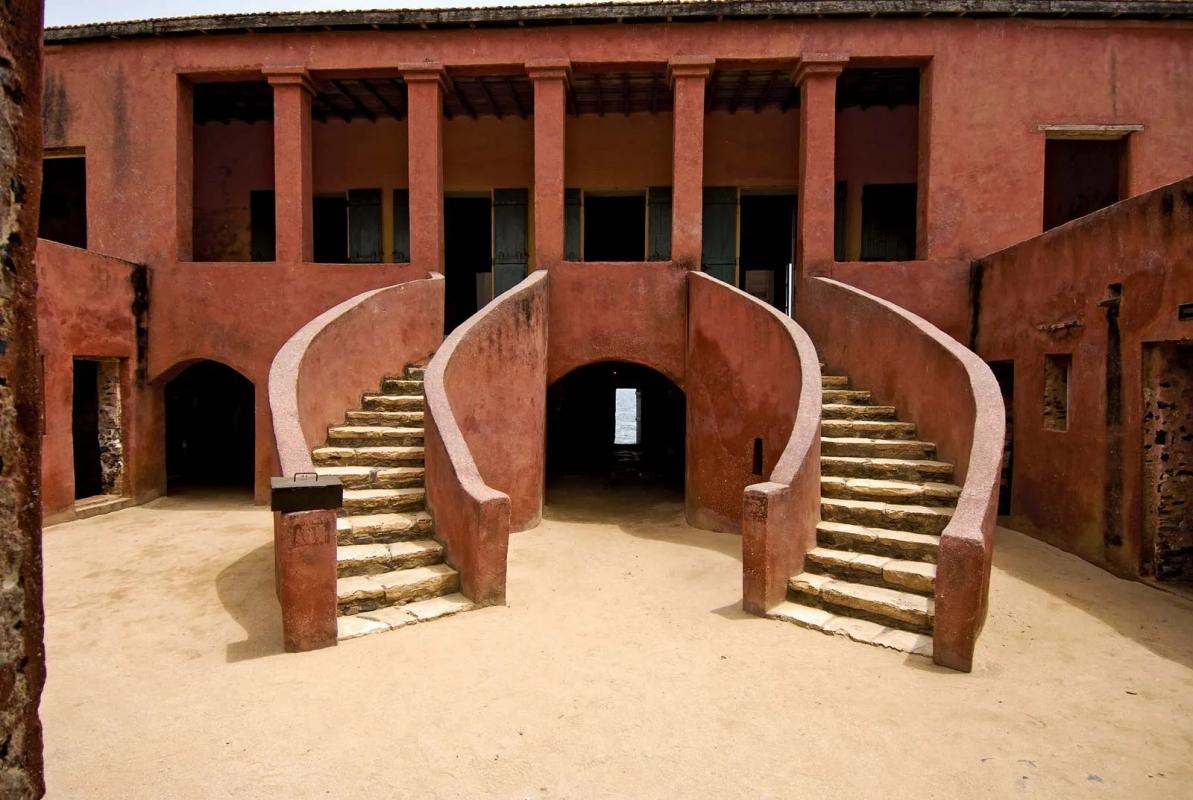
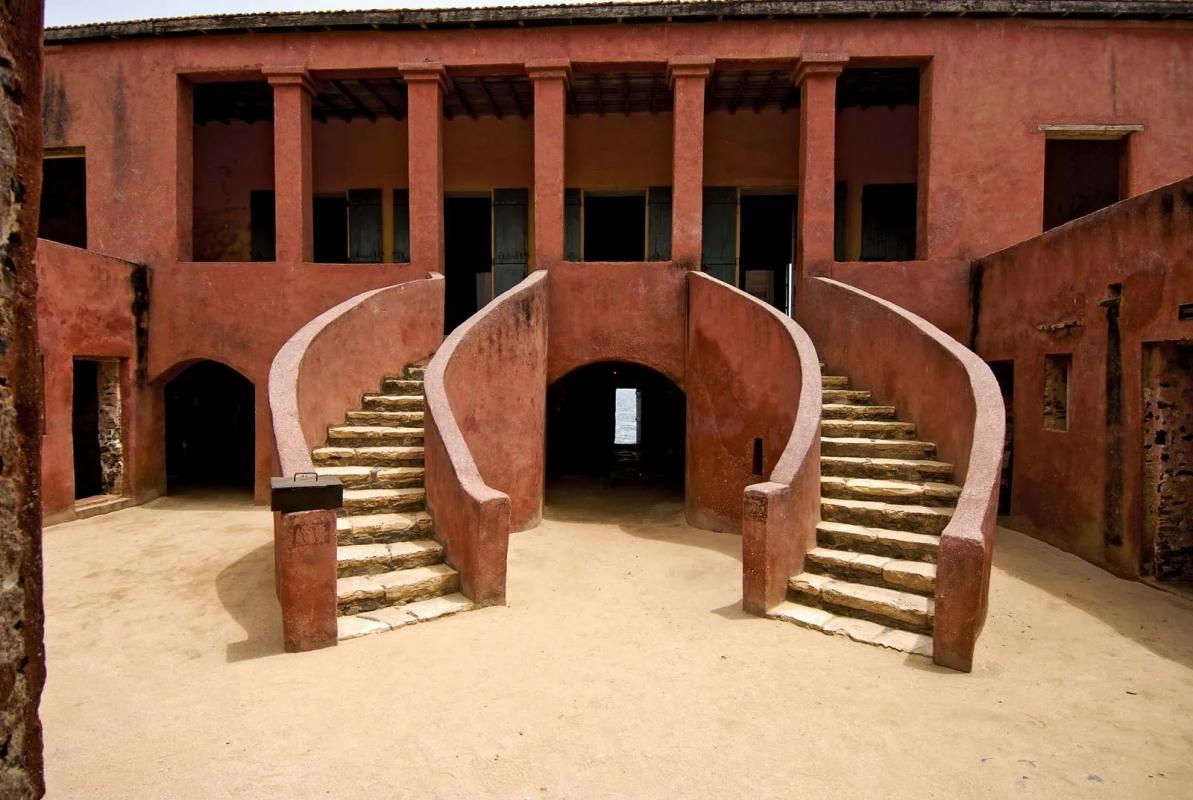
Dakar became the capital of French West Africa in 1902, a role it held until Senegal's independence in 1960, and the city's boulevards and administrative buildings still carry the imprint of that period. Its Medina district, the Sandaga Market and the Monument de la Renaissance Africaine anchor most city tours, but Goree Island is usually the highlight of a Senegal itinerary. The island's House of Slaves, now a museum, documents its role in the Atlantic slave trade and draws visitors from across the world. Goree is a UNESCO World Heritage Site, reached by a twenty-minute ferry from the port in Dakar.
West of the city center, the Les Mamelles peninsula marks the true westernmost point of mainland Africa, its lighthouse looking out over Ngor Island and a string of surf beaches used by local and visiting surfers. Dakar's energy carries into its music and food scenes as well. Senegal has produced some of West Africa's most famous musicians, including Youssou N'Dour, and mbalax rhythms still fill the capital's clubs most nights of the week. Thieboudienne, a dish of fish, rice and vegetables, is widely considered the national dish and appears on menus from roadside stalls to sit-down restaurants across the city.
North of Dakar, Saint-Louis sits on a narrow island at the mouth of the Senegal River. It served as the capital of French West Africa until 1902 and as Senegal's capital until 1960, and its grid of colonial buildings, iron bridges and colorful fishing pirogues earned it UNESCO World Heritage status. The city also hosts an annual jazz festival each spring, drawing musicians from across Africa and Europe.
The nearby Djoudj National Bird Sanctuary ranks among West Africa's most important wetland reserves and was among the first sites Senegal registered with UNESCO. Its channels can hold hundreds of thousands of birds at the peak of the migration season, from pelicans and herons to various duck species that winter here after breeding further north in Europe. It is usually visited as a half-day excursion from Saint-Louis, often by small boat through the reserve's channels.
South of Dakar, the Sine-Saloum Delta opens into a maze of mangrove channels, sandbars and fishing islands, also recognized by UNESCO. Boat trips through the delta pass shell mounds left by earlier settlements and reach flocks of waterbirds that gather in the wetlands, especially outside the rainy season. Many itineraries pair the delta with a stop at the Bandia Reserve near Saly, where giraffes, rhinos and antelope roam among centuries-old baobab trees; much of Senegal's original large wildlife disappeared decades ago, so reserves such as Bandia reintroduce species under managed conditions rather than protect naturally occurring populations.
Nearby, the village of Fadiouth sits on an island built almost entirely from clam and oyster shells, connected to the mainland town of Joal by a wooden footbridge. Its cemetery, shared by Christian and Muslim residents, is often cited as a rare example of interfaith burial ground in the region. Lake Retba, known locally as Lac Rose, gets its unusual pink tint from algae that thrive in its high salt concentration. Workers still harvest salt from the lakebed by hand, a trade that has continued for generations. The lake once served as the finish line for the Paris-Dakar Rally, and visitors typically pair it with the nearby dunes or a coastal fishing village.
A trip such as the Discover Senegal – 7 Days tour strings together Dakar, Goree Island, the Saloum Delta and Lake Retba into a single route, which suits travelers who want a broad introduction without arranging each leg on their own. Shorter trips can focus on Dakar and Goree alone, while longer itineraries push south into the Casamance region, where the port town of Ziguinchor and the mangrove-lined channels around it carry a distinct culture shaped by the Diola people rather than the Wolof traditions dominant further north. Direct flights connect Dakar with several European cities, making it the most common entry point for visitors regardless of which regions they plan to explore.
Guides on organized tours generally work in French and English, and transport between sites is arranged as part of the package. Senegal uses the West African CFA franc, shared with several neighboring countries, and French remains the official language of government even as Wolof dominates everyday conversation. The dry season, from November to May, brings cooler temperatures and easier travel across the country, while the rainy season from June to October can complicate journeys to the delta and rural areas. Independent travel in Senegal is possible, but the distances between Saint-Louis, the delta, the lake and the capital make a planned itinerary considerably more efficient.