
Tunisia Tours
100+ tours & activities
Free Cancellation
Tunisia Round Trip Discovery
Free Cancellation
Enfidha Therapy Spa Wellness Experience
Free Cancellation
Physiothérapie 8 Days Carthage
-high.jpg&w=1920&q=75 "5 Days Tunisia Solar Eclipse Tour 2027 – Tunis, Carthage, El Jem & Sidi Bou Said")
Free Cancellation
Flavours of Tunisia Guest House
-high.jpg&w=1920&q=75 "6 Day Tunisia Total Solar Eclipse Tour 2027 – Tunis, Carthage, Sidi Bou Said & El Jem")
Free Cancellation
Tunisia Stars Hotels
Free Cancellation
Tunisia Stars Guest House
Free Cancellation
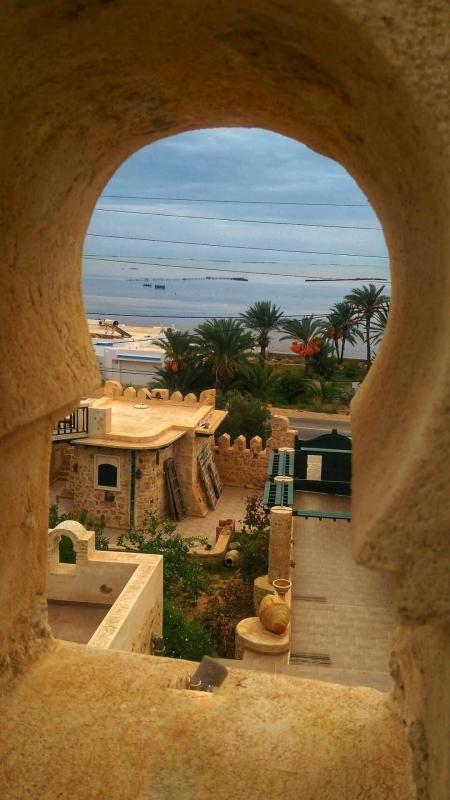
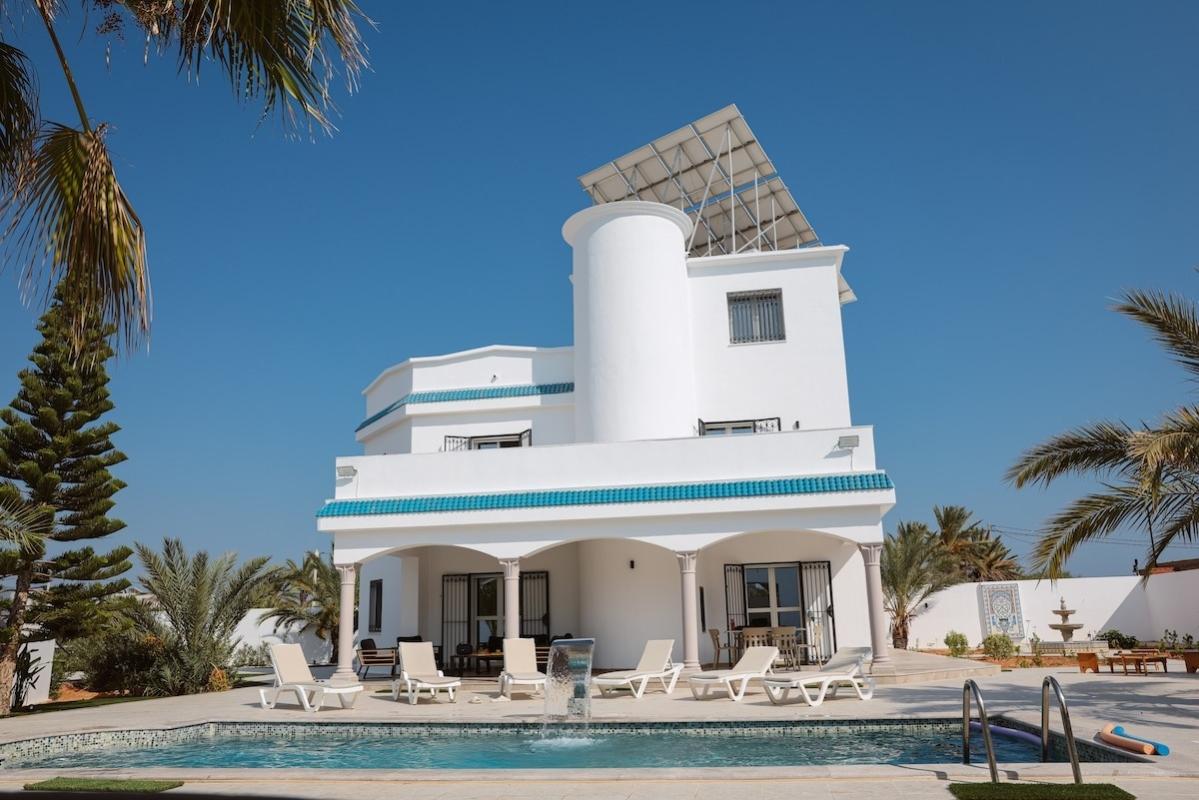
Solar Eclipse Djerba Guest House
Free Cancellation
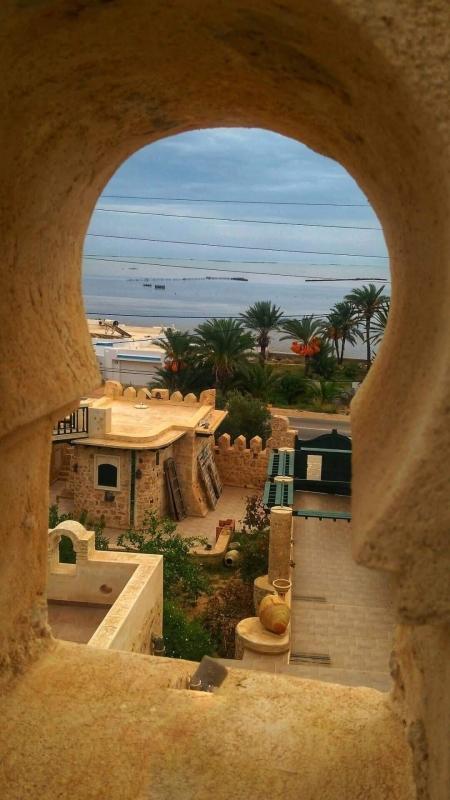
Kerkennah Solar Eclipse Guest House
Free Cancellation
Hannibal Epic Tour
Free Cancellation
Sousse Monastir Mall of Sousse
-high.jpg&w=1920&q=75 "8 Days Tunisia Solar Eclipse Tour 2027 – Tunis, Carthage, Kairouan, El Jem, Sahara & Hammamet")
-high.jpg&w=1920&q=75 "Tunisia Solar Eclipse 2027: 9 Day Tour from Carthage to the Sahara")
Free Cancellation
Tunisia Solar Eclipse 2027: 9 Day Tour from Carthage to the Sahara
-high.jpg&w=1920&q=75 "Hammamet Nabeul Tour")
Free Cancellation
Hammamet Nabeul Tour
Free Cancellation
South 2 Days Comfort
-high.jpg&w=1920&q=75 "7 Days Tunisia Solar Eclipse Tour 2027 – Tunis, Carthage, Kairouan, El Jem & Hammamet")
-high.jpg&w=1920&q=75 "3 Days Tunis City Break – Carthage, Sidi Bou Said, Bardo Museum & Tunis Medina")
Explore Tunisia Tours
About Tunisia Tours
Tunisia Tours explore the country's ancient archaeological sites, historic cities, Mediterranean coastline and Sahara Desert landscapes. Located in North Africa between Algeria and Libya, Tunisia has been shaped by Phoenician, Carthaginian, Roman, Arab-Islamic, Ottoman and Mediterranean influences.
Tours range from short cultural programs around Tunis and Carthage to multi-day journeys connecting northern Tunisia with Kairouan, El Jem, Sousse, Djerba and the Sahara. Travelers can combine UNESCO-listed archaeological sites and traditional medinas with coastal destinations and desert experiences within the same itinerary.
Top Destinations Included in Tunisia Tours
Tunis
Tunis is the capital of Tunisia and one of the principal starting points for tours across the country. The city combines the historic Medina of Tunis with modern districts, museums and broad avenues.
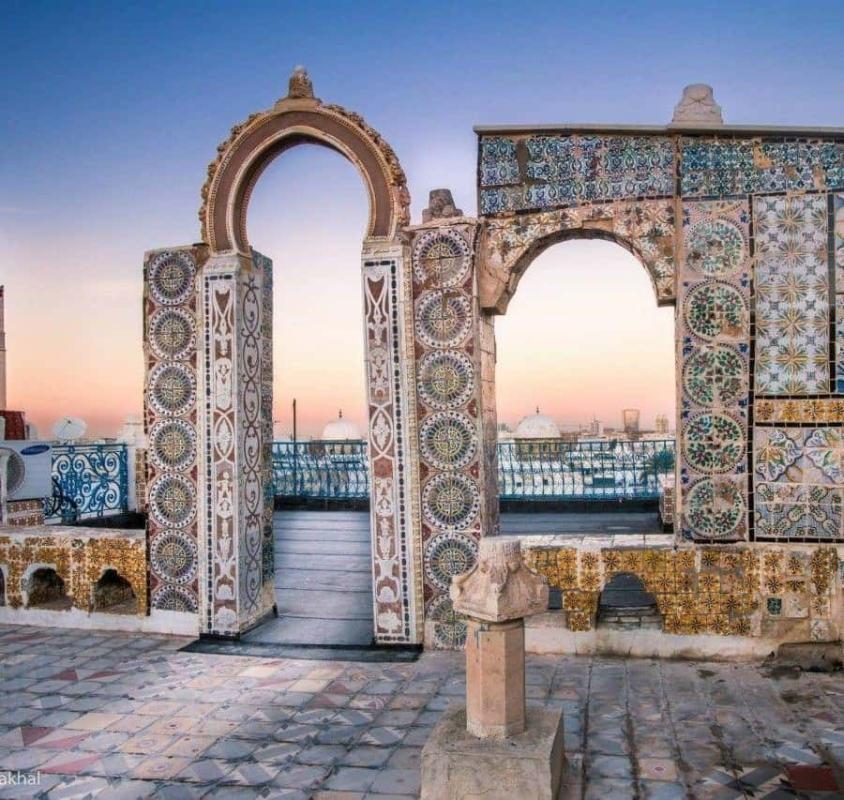
The UNESCO-listed medina contains traditional souks, mosques and historic buildings centered around the Zitouna Mosque. The Bardo National Museum is another important cultural attraction and is particularly known for its collection of Roman mosaics.
Tunis also provides convenient access to nearby Carthage and Sidi Bou Said.
Carthage
Carthage is one of Tunisia's most important archaeological destinations. Founded by Phoenician settlers, the city developed into the center of a powerful Mediterranean civilization before its conflicts with Rome during the Punic Wars.
After the Roman conquest, Carthage was rebuilt and became an important Roman city. Today, visitors can explore archaeological remains representing different periods of its history, including the Antonine Baths and sites around Byrsa Hill.
Carthage is commonly combined with Tunis and Sidi Bou Said on cultural and historical tours.
Sidi Bou Said
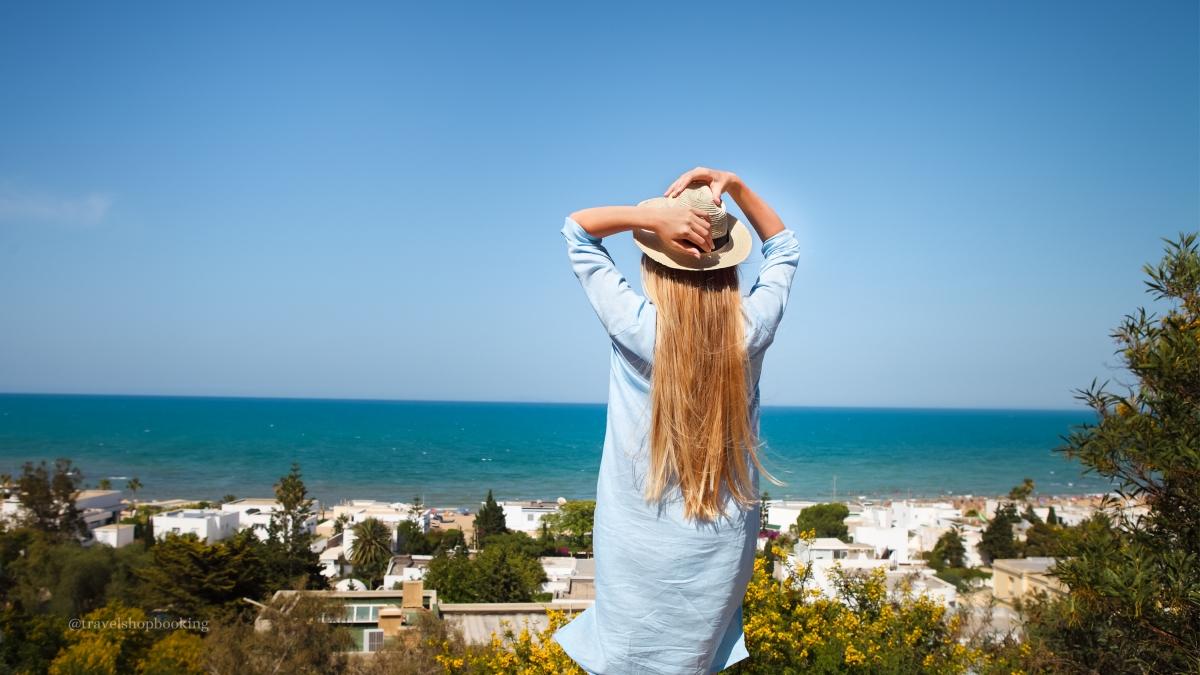
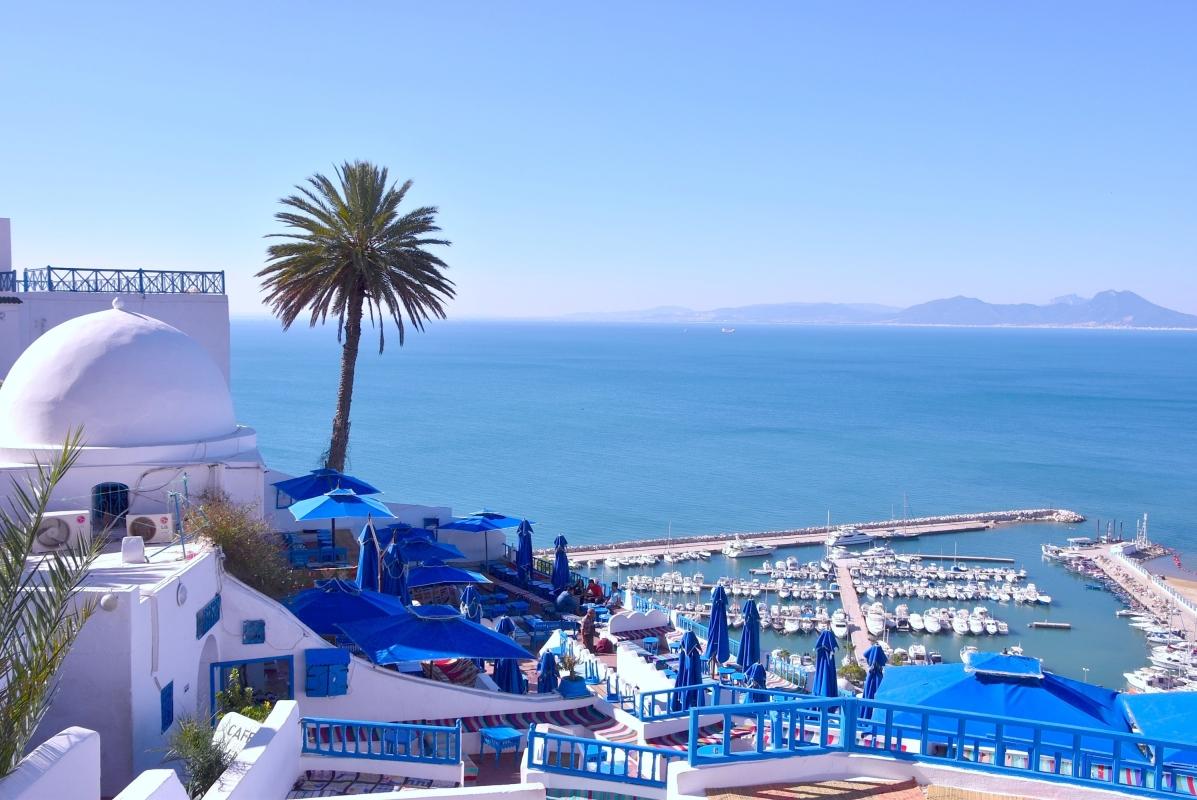
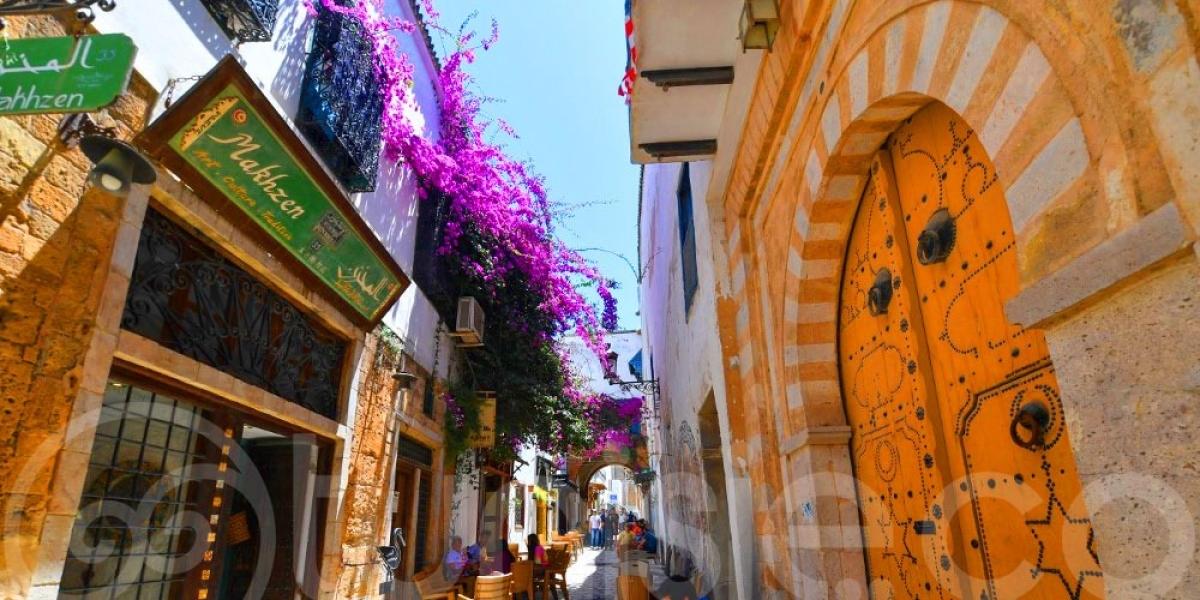
Sidi Bou Said is a coastal village near Tunis known for its whitewashed buildings, blue doors and views across the Mediterranean.
Visitors can explore pedestrian streets, cafés and traditional architecture while enjoying a quieter coastal environment. Its proximity to Carthage makes it easy to include both destinations within the same sightseeing program.
Hammamet
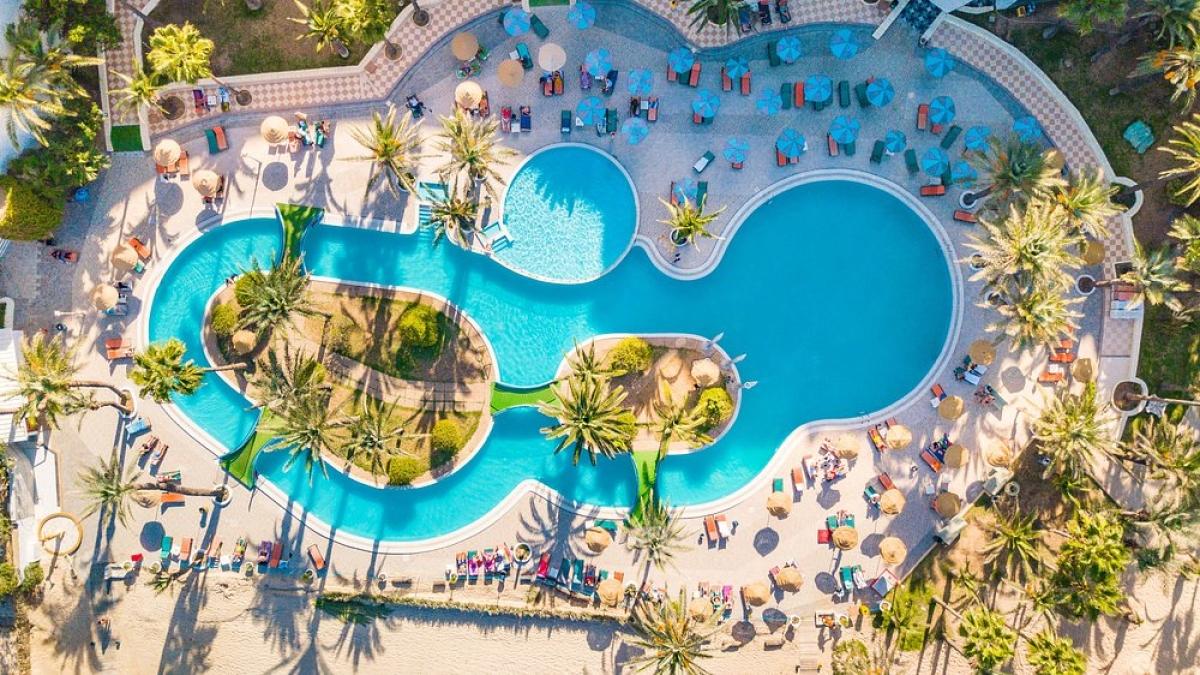
Hammamet is one of Tunisia's best-known Mediterranean resort destinations. The town combines beaches and resort accommodation with a historic medina and traditional coastal architecture.
Travelers can explore the old town and waterfront before spending time along the coast. Hammamet is frequently incorporated into itineraries that combine Tunisia's historical attractions with several days of relaxation.
Sousse
Sousse is an important historical and coastal city in eastern Tunisia. Its UNESCO-listed medina contains defensive walls, traditional streets and monuments reflecting the city's long history.
The Ribat of Sousse is one of its best-known historical structures. Visitors can combine cultural sightseeing in the old city with Tunisia's Mediterranean coastline.
Sousse is also conveniently positioned for excursions to nearby archaeological destinations, including El Jem.
Kairouan
Kairouan is one of Tunisia's most significant historical and religious cities. Founded during the early Islamic period, it became an important center of religion and learning in North Africa.
The Great Mosque of Kairouan is the city's principal landmark and one of the most important examples of early Islamic architecture in the region. The historic medina contains traditional streets, markets and other religious and architectural sites.
Kairouan's historical importance has led to its recognition as a UNESCO World Heritage Site.
El Jem
El Jem is internationally known for its monumental Roman amphitheatre, one of the most impressive surviving Roman structures in North Africa.
The Amphitheatre of El Jem was constructed during the Roman period and could accommodate large audiences for public spectacles. Its substantial surviving structure allows visitors to explore different levels and understand the scale of Roman entertainment architecture.
El Jem is commonly included in cultural itineraries connecting central and southern Tunisia.
Djerba
Djerba is an island off Tunisia's southeastern coast known for beaches, traditional villages and distinctive cultural heritage.
The island provides a combination of resort tourism and local sightseeing. Visitors can explore markets, traditional architecture, craft communities and historical religious sites while using Djerba as a base for excursions into southern Tunisia.
Djerba can also be incorporated into itineraries continuing toward desert regions.
Sahara Desert
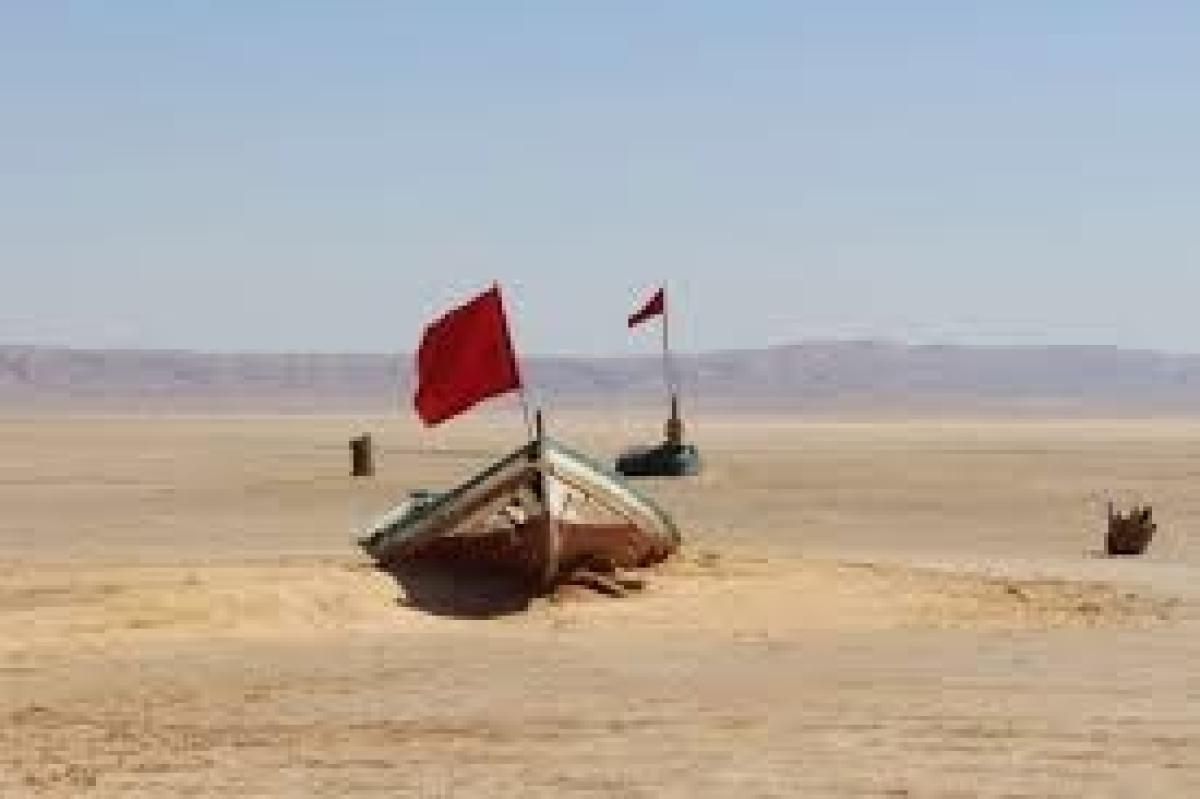
Southern Tunisia provides access to the northern Sahara and some of the country's most distinctive landscapes. Desert programs can include sand dunes, salt lakes, mountain oases and traditional settlements.
Douz is commonly described as a gateway to the Sahara and is frequently included in desert itineraries. Other routes may explore Tozeur, Chott el Jerid and surrounding oasis landscapes.
Desert experiences can include 4x4 excursions, camel rides and overnight stays depending on the selected tour program.
Tunisia Tour Packages
Tunisia Tour Packages combine accommodation, transportation and organized sightseeing across one or several regions. Short packages may focus on Tunis, Carthage and Sidi Bou Said, while longer programs connect the capital with central and southern Tunisia.
A comprehensive itinerary can travel from Tunis toward Hammamet, Sousse, Kairouan and El Jem before continuing south toward desert regions or Djerba.
Packages of seven to ten days provide opportunities to combine historical sites, medinas and coastal destinations. Longer programs can dedicate additional time to the Sahara, oasis regions and southern Tunisia.
Private Tunisia Tours
Private Tunisia Tours provide personalized itineraries with dedicated transportation and greater flexibility over sightseeing schedules. Programs can focus on archaeology, Islamic heritage, desert landscapes, coastal destinations or combinations of several themes.
A private itinerary can begin in Tunis and continue through Carthage, Kairouan and El Jem before reaching Djerba or the Sahara. Routes can be adapted according to travel duration and preferred destinations.
Private programs are particularly suitable for couples, families and small groups seeking a more flexible way to explore different regions of Tunisia.
Multi-Day Tunisia Tours
Multi-Day Tunisia Tours allow travelers to explore the country's different geographical and historical regions within one journey. Shorter programs may concentrate on northern Tunisia, while longer itineraries can continue toward the center and south.
A seven-day itinerary can combine Tunis, Carthage, Sidi Bou Said, Kairouan, El Jem and selected coastal destinations. Programs lasting ten days or longer provide additional time for Djerba, Tozeur, Douz and Sahara Desert experiences.
Multi-day tours are particularly useful because many of Tunisia's major archaeological and natural attractions are distributed across different parts of the country.
Best Time to Visit Tunisia
Spring and autumn generally provide comfortable conditions for Tunisia Tours. March through May and September through November are suitable for archaeological sightseeing, city tours and journeys through central and southern regions.
Summer is hot, particularly in inland and desert areas, although it remains a popular period for Mediterranean beach destinations such as Hammamet, Sousse and Djerba.
Winter temperatures are generally milder along the coast, while desert areas can experience significant differences between daytime and nighttime temperatures. Travelers primarily interested in Sahara tours often prefer the cooler months rather than the peak summer period.