Free Cancellation


South Africa Tours cover a country positioned at the meeting point of the Atlantic and Indian Oceans, with a geography that ranges from the winelands and mountains around Cape Town to the savanna of Kruger National Park in the northeast. Most itineraries combine two or three of these regions, since the distances involved, along with the country's distinct climate zones, generally make a single region trip feel incomplete for first time visitors. The country's history, including Dutch and British colonial rule and the apartheid system of racial segregation that governed the country from 1948 until the early 1990s, remains woven through many of the sites visitors encounter today, from Robben Island to the townships and museums documenting the transition to democracy under Nelson Mandela.
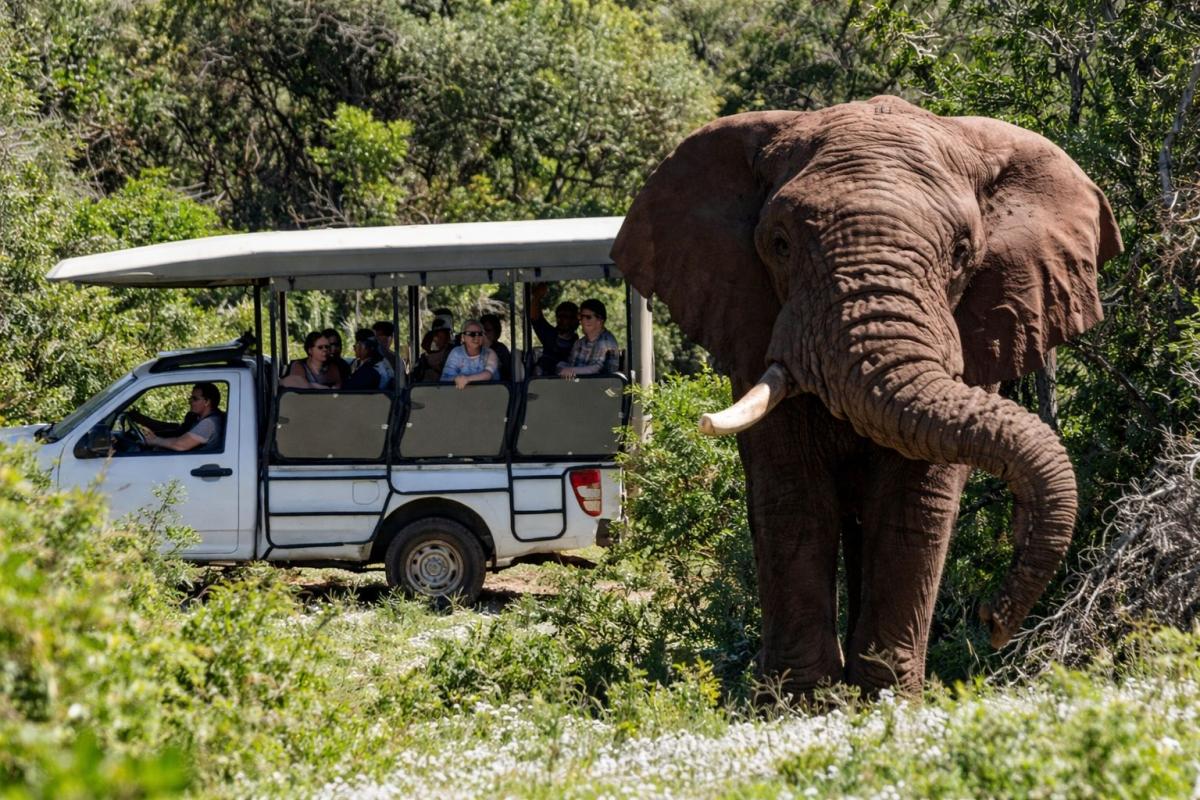
As part of a broader Africa journey or as a dedicated South Africa itinerary, tours typically pair several days in Cape Town with a coastal drive and a safari extension. Day tours such as the Schotia Safari Day Tour from Port Elizabeth | Big 5 Experience offer a more compact way to include Big Five game viewing for travelers based along the Eastern Cape rather than committing to a multi day safari further north.
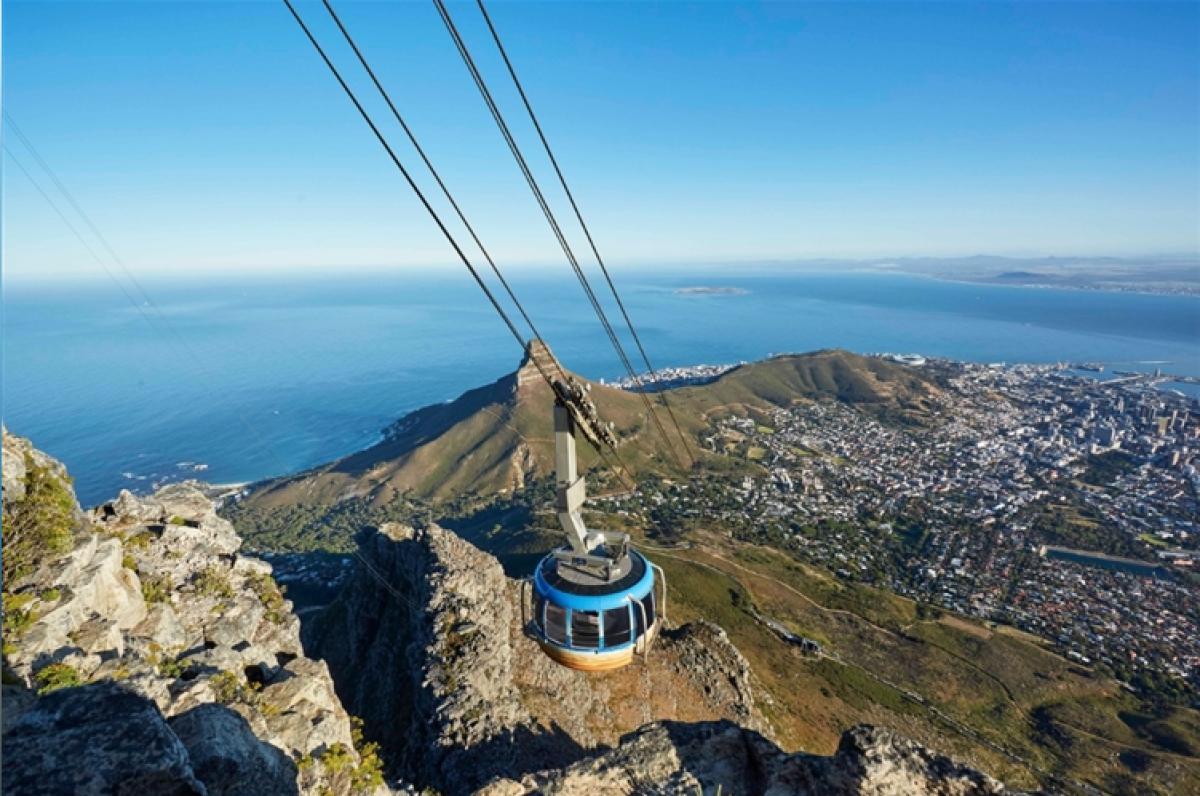
Table Mountain, a flat topped peak overlooking the city, is reached by a rotating cable car or by hiking trails of varying difficulty, and offers views across the Atlantic seaboard and Table Bay on clear days. The mountain forms part of the Cape Floral Region, a UNESCO World Heritage Site recognized for its exceptionally high concentration of plant species found nowhere else.
The Victoria and Alfred Waterfront combines shopping and dining with the departure point for ferries to Robben Island, where Nelson Mandela and other anti apartheid leaders were imprisoned. Tours of the island are frequently led by former political prisoners, adding firsthand testimony to the site's history. Company's Gardens, the Castle of Good Hope and the Bo Kaap neighborhood, known for its brightly painted houses and Cape Malay heritage, round out the central city's main sights.
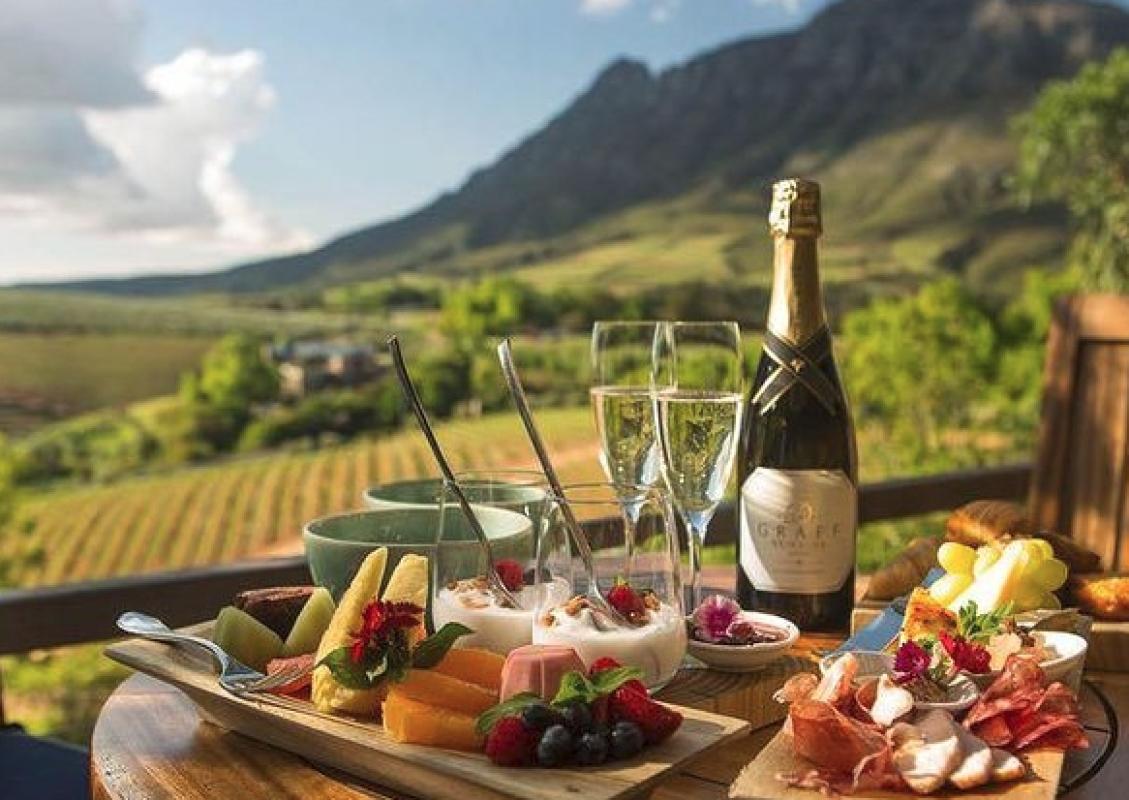
A short drive from Cape Town, Stellenbosch and Franschhoek anchor South Africa's wine producing region, with vineyards set against the Simonsberg and Franschhoek mountains. Stellenbosch's oak lined streets and Cape Dutch architecture reflect its founding in the seventeenth century as one of the earliest settlements outside Cape Town, while Franschhoek, settled by French Huguenot refugees, has developed a reputation for fine dining alongside its wine estates.
The Garden Route runs along the southern coast between Mossel Bay and Storms River, taking in indigenous forests, lagoons and beach towns such as Knysna, known for its lagoon and dolphin watching, and Plettenberg Bay. The full coastal stretch typically takes two to four days to drive with stops, though it can be shortened for travelers with less time.
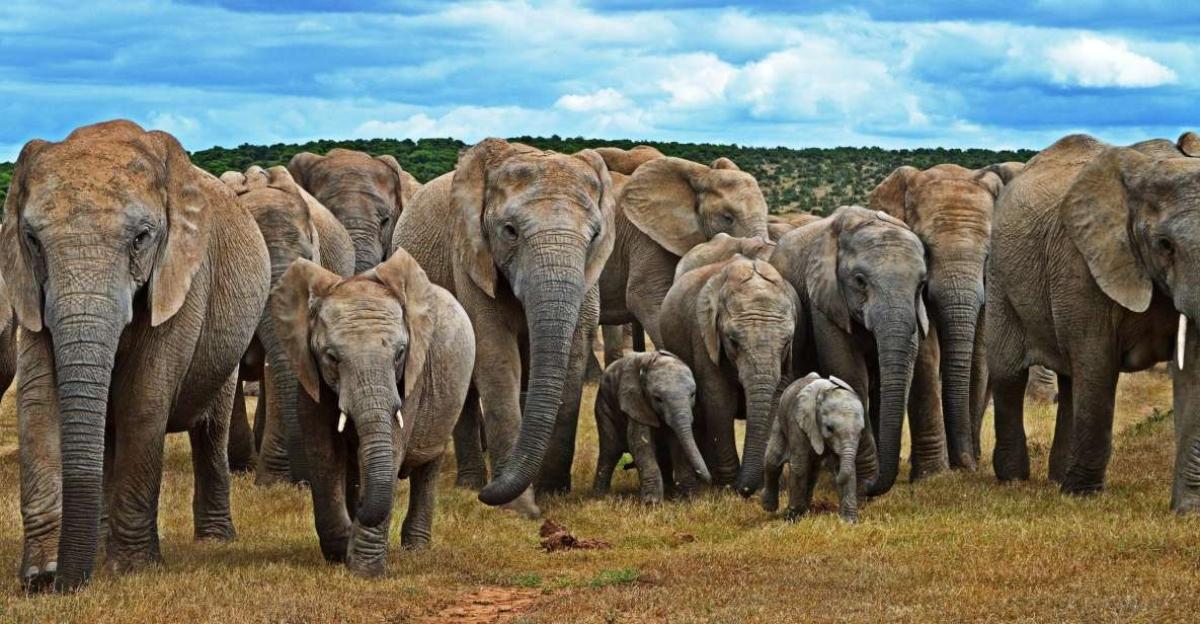
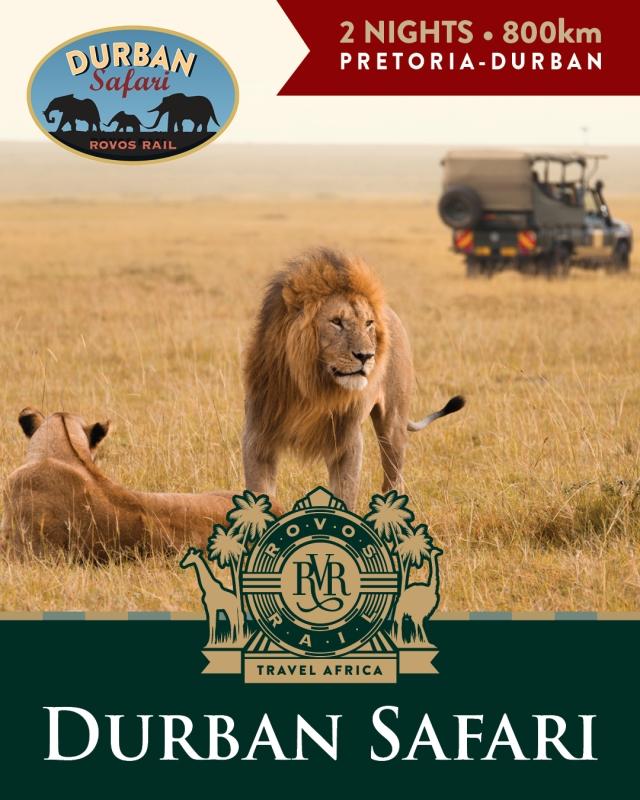
Kruger National Park, in the country's northeast, is one of Africa's largest game reserves and a standard addition for first time visitors seeking Big Five sightings of lion, leopard, elephant, buffalo and rhino. Private reserves bordering Kruger, along with smaller reserves closer to Cape Town and the Eastern Cape such as Schotia, offer a more compact safari option for travelers without time for a multi day trip further north.
Johannesburg developed around gold mining in the late nineteenth century and today serves mainly as an arrival point for travelers heading to Kruger, though the Apartheid Museum and a tour of Soweto, the township that was home to both Nelson Mandela and Desmond Tutu, give context to the country's twentieth century history before continuing on to the safari regions or Cape Town.
Hermanus, a two hour drive from Cape Town, is regarded as one of the best land based whale watching locations in the world, with southern right whales visible close to shore between roughly June and November as they calve in the bay. The town has built a small tourism industry specifically around this seasonal migration.
Durban's warm Indian Ocean waters and golden beaches offer a different pace from Cape Town's mountain scenery, with a large Indian community that has shaped the city's food culture, particularly its curries and bunny chow, a hollowed loaf of bread filled with curry. Further up the coast, iSimangaliso Wetland Park combines estuary, beach and savanna habitats within a single UNESCO listed reserve, offering both marine and land based wildlife viewing in one stop.
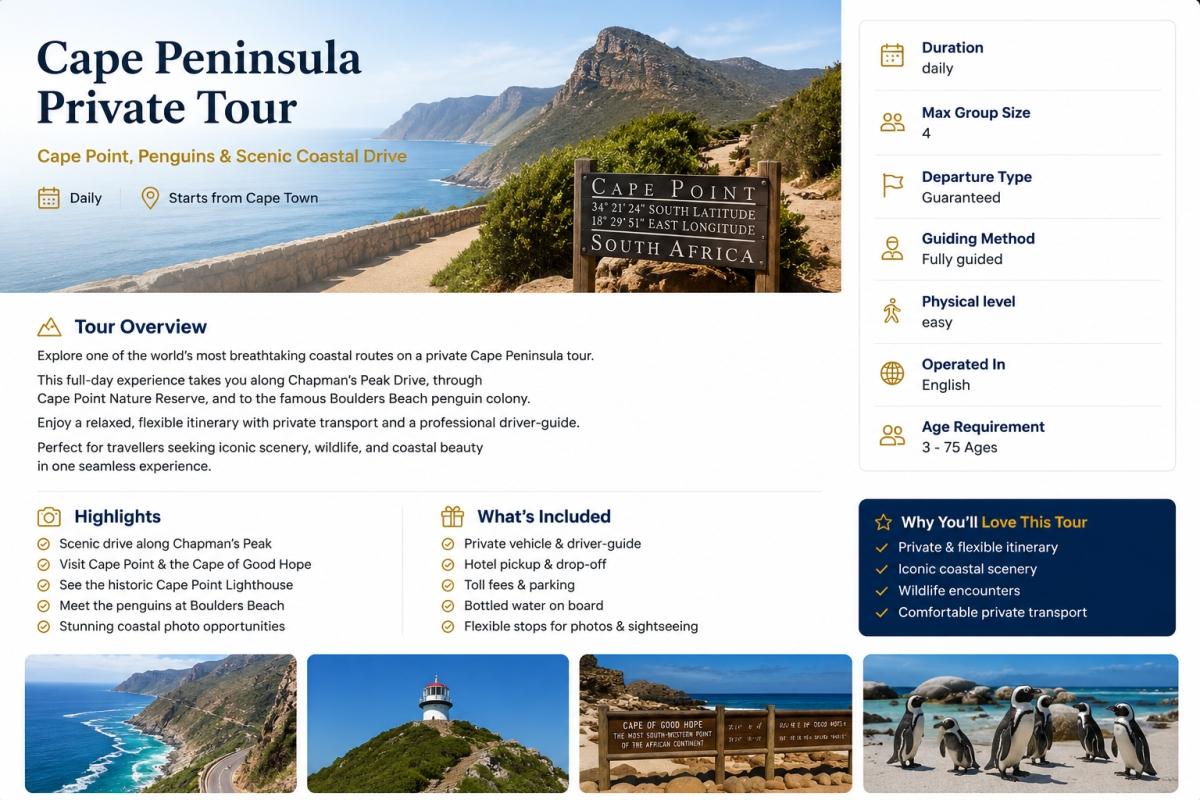
Domestic flights connect Cape Town, Johannesburg, Durban and Port Elizabeth quickly given the distances involved, while rental cars are the standard way to cover the Garden Route and Winelands, where distances between towns are manageable and roads are generally well maintained. Safari lodges bordering Kruger typically arrange their own transfers, often by light aircraft from Johannesburg for more remote properties. Cape Town International and OR Tambo International in Johannesburg serve as the country's two main entry points, with most itineraries beginning at one and ending at the other rather than backtracking.
Cape Town follows a Mediterranean climate with wet winters, making November through March the preferred window for its beaches and the Garden Route, while most of the country, including the safari regions, follows a summer rainfall pattern instead. May through September offers the clearest game viewing in Kruger and other reserves, as thinning vegetation and dry conditions concentrate animals around remaining water sources.