
-high.jpg&w=1920&q=75 "Hwange Park Full Day Game Drive Departing from Hwange Main Camp")
Free Cancellation


-high.jpg&w=1920&q=75 "5 Days Classic Safari in Hwange National Park, Zimbabwe")

Zimbabwe Tours cover a landlocked southern African country built around three natural landmarks: Victoria Falls, Hwange National Park and the granite hills of Matobo National Park. The Zambezi River forms the country's northern border and carries the falls that bring most travelers to the region, while the parks to the south and east hold some of southern Africa's most accessible wildlife viewing.
Zimbabwe is often paired with a wider Africa itinerary that continues into Zambia, Botswana or South Africa, since Victoria Falls sits directly on the Zambian border and Chobe National Park in Botswana is a short drive away. Zimbabwe Tours typically combine the falls with a multi-day safari in one of the national parks.
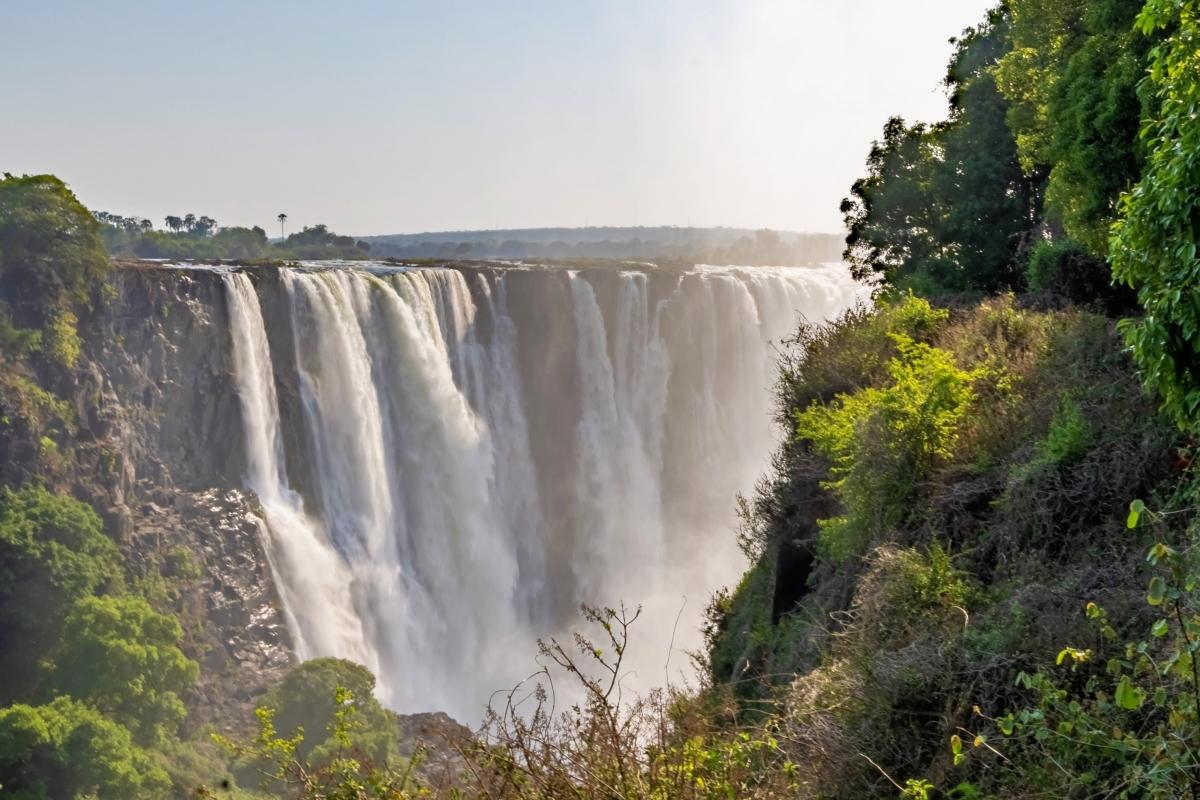
Victoria Falls, known locally as Mosi-oa-Tunya, or \"the smoke that thunders,\" is one of the largest waterfalls in the world by combined height and width, and the Zimbabwean side offers wider panoramic views across the full curtain of water compared to the closer, wetter vantage points on the Zambian side. The town of Victoria Falls itself has grown around tourism, with a historic colonial-era hotel, a curio market and a bridge crossing that also serves as a border post into Zambia.
Beyond sightseeing, the area around the falls offers white-water rafting on the Zambezi, sunset river cruises and bungee jumping from the Victoria Falls Bridge, which spans the gorge between the two countries. Helicopter flights over the falls, often called the flight of angels, give a wider perspective on the scale of the gorge that is difficult to appreciate from ground level.
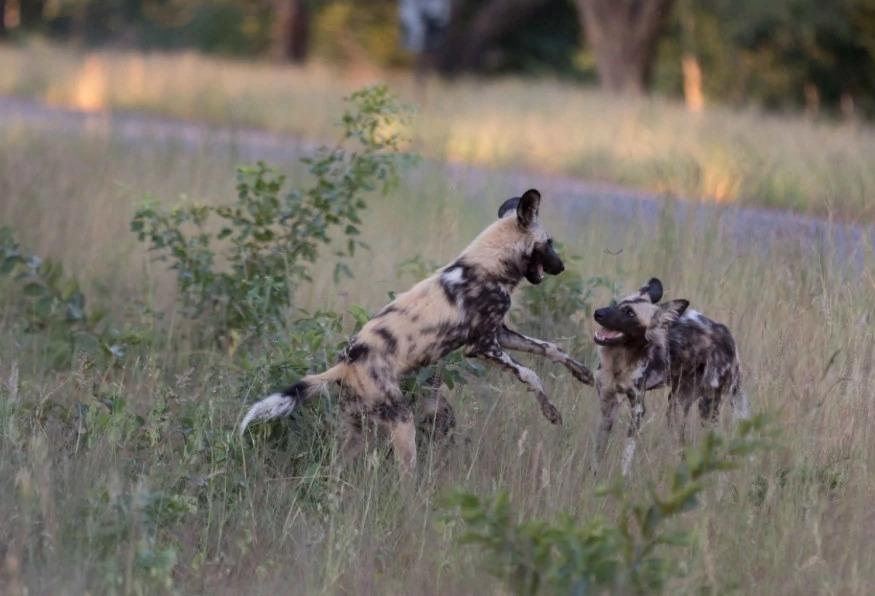
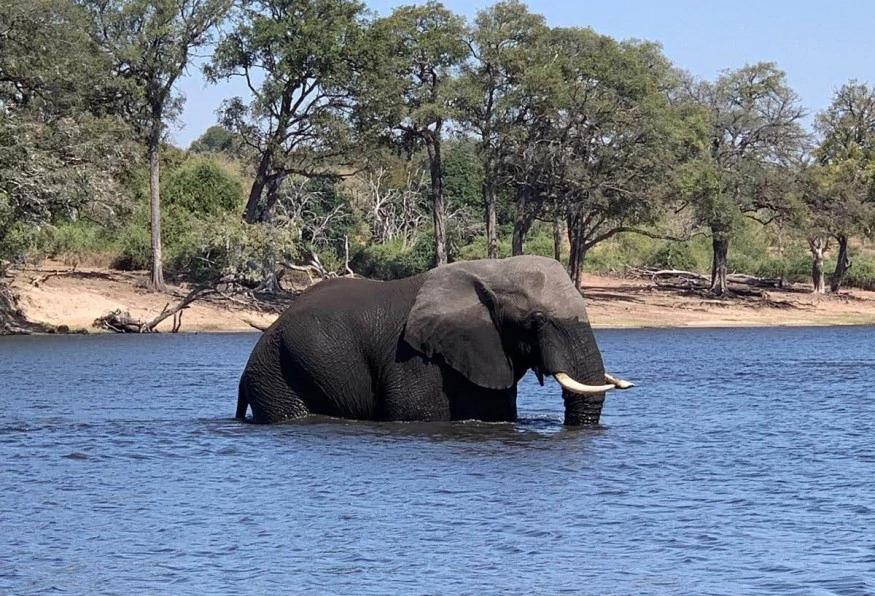
Hwange, Zimbabwe's largest national park, holds one of the highest elephant populations in Africa alongside lion, buffalo, both black and white rhino, and leopard, making most of the Big Five achievable within a single multi-day safari. Game drives typically depart at dawn and dusk when animals are most active, with waterholes drawing large concentrations of wildlife during the dry season, when standing water elsewhere in the park becomes scarce.
South of Bulawayo, Matobo National Park is known for its balancing granite boulders, known as hoodoos, and for a dense population of both black and white rhino, tracked on foot with a ranger rather than from a vehicle. The park also holds the grave of Cecil Rhodes and rock art left by San hunter-gatherers, adding a cultural layer to its wildlife draw. Some of the rock art panels found in Matobo's caves are estimated to be thousands of years old, among the oldest recorded in southern Africa.
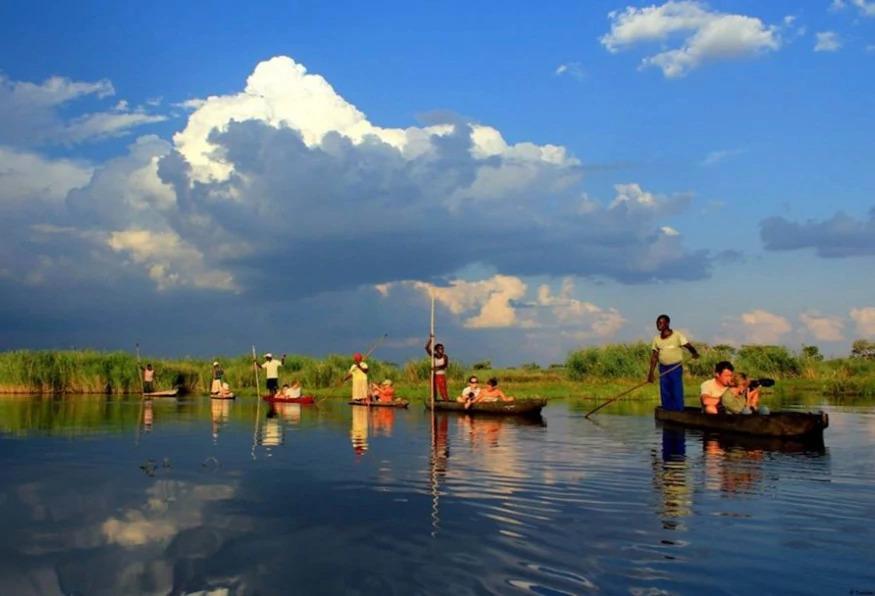
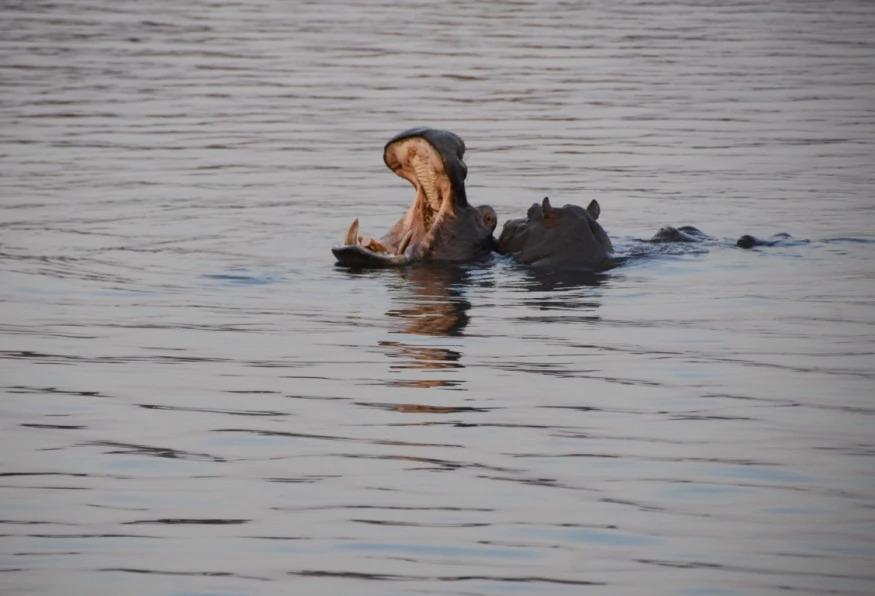
Mana Pools National Park, further downstream along the Zambezi, is known for walking safaris among elephant, buffalo and predators along the river's floodplain, an experience considered more immersive than a standard vehicle-based game drive. Canoeing along the Zambezi is another common activity in the region, passing hippo pods and crocodiles at close range under the guidance of an experienced operator. Further along the river, Lake Kariba, one of the largest artificial lakes in the world, offers houseboat trips and its own population of elephant and buffalo along the shoreline.
In the country's south, the Great Zimbabwe ruins are the remains of a medieval stone city that gave the country its name and once served as the capital of a trading empire linked to the Indian Ocean gold and ivory trade. The dry-stone walls, built without mortar, are among the largest ancient structures in sub-Saharan Africa and sit apart from the main Victoria Falls and Hwange circuit, usually requiring a dedicated stop.
Zimbabwe Tour Packages typically pair a stay near Victoria Falls with a multi-day game drive itinerary in one of the national parks. The Hwange Park Full Day Game Drive departing from Hwange Main Camp is a common addition for travelers looking to extend beyond the falls into a full day of wildlife viewing.
Victoria Falls has its own international airport with direct connections to Harare, Johannesburg and other regional hubs, making it a practical entry point rather than requiring a transit through the capital. Domestic flights and road transfers connect Victoria Falls to Hwange, while reaching Matobo or Great Zimbabwe typically involves a longer road journey via Bulawayo or Masvingo.
Shona and Ndebele traditions shape much of the country's craft and music, and stone sculpture in particular has developed into a recognized art form, with workshops and galleries found near Harare and around the tourist areas of Victoria Falls. Zimbabwean cuisine centers on sadza, a maize porridge served with vegetables, beans or grilled meat, and is generally simple and hearty rather than heavily spiced.
Because Victoria Falls straddles the border, many itineraries add a day on the Zambian side or continue into Botswana's Chobe National Park, reached by a road transfer of a few hours. Some longer trips also connect Zimbabwe to South Africa through a regional flight, combining the falls and a safari with Cape Town or Kruger National Park. Regional flights also connect Victoria Falls directly to Cape Town for travelers who prefer to skip an additional overland border crossing.
The dry season from May to October offers the best wildlife viewing conditions in Hwange and Matobo, as animals gather around fewer remaining water sources and vegetation thins out for easier spotting. Victoria Falls carries the most water shortly after the rainy season, typically between March and May, while the dry season from August to December can reduce the flow considerably, sometimes to a fraction of its peak.