
Tunisia Culture & Historical Tours
100+ tours & activities

Free Cancellation
Tunisia Round Trip Discovery
Free Cancellation
Tunisia Stars Hotels
Free Cancellation
Tunisia Stars Guest House
Free Cancellation
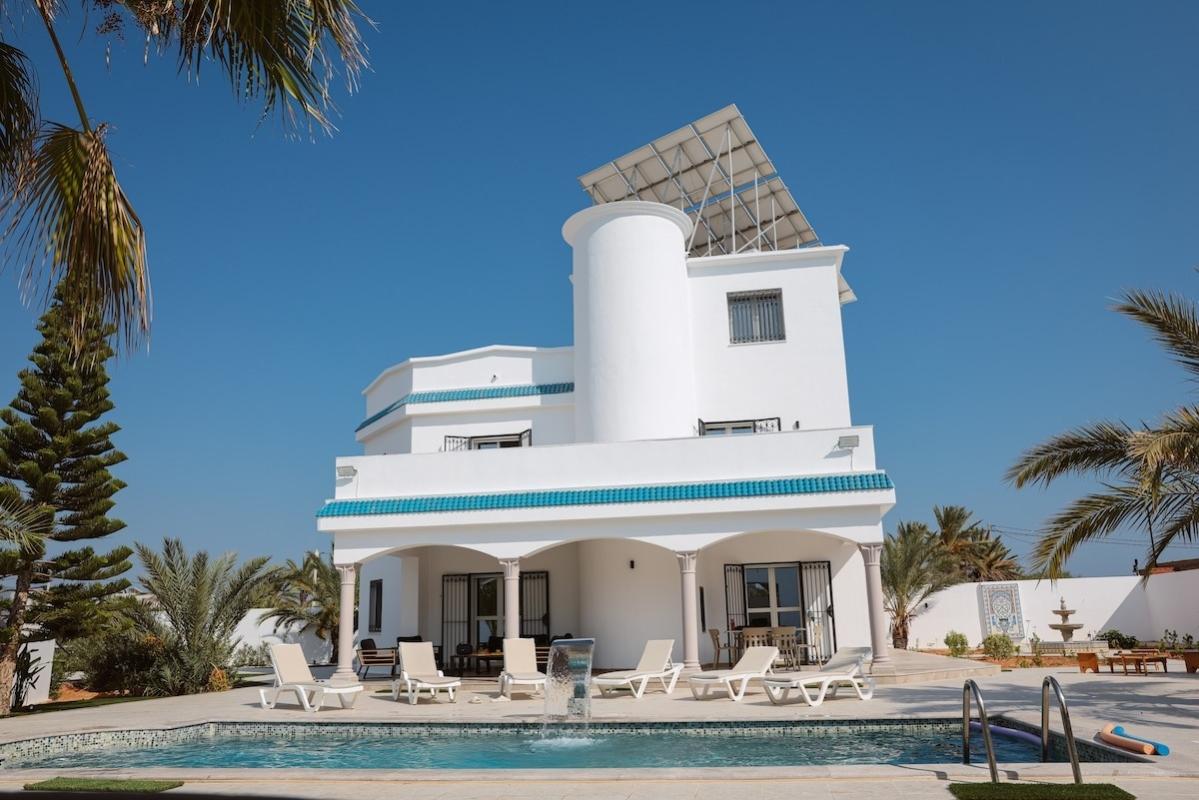
Solar Eclipse Djerba Guest House
Free Cancellation
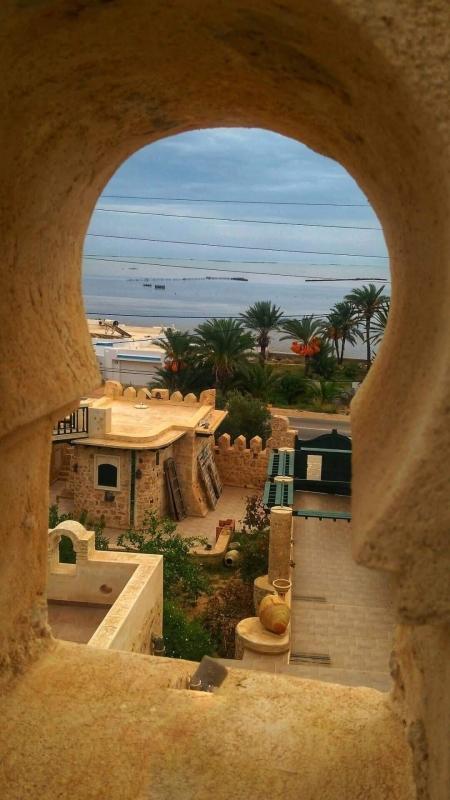
Kerkennah Solar Eclipse Guest House
Free Cancellation
Hannibal Epic Tour

Free Cancellation
Tunis Cruise Shore Excursion City Tour Experience
Explore Tunisia Culture & Historical Tours
About Tunisia Culture & Historical Tours
Tunisia Culture & Historical Tours explore the country's archaeological sites, ancient cities, traditional medinas and monuments representing thousands of years of North African and Mediterranean history. Tunisia's location between Africa and the Mediterranean brought it into contact with Phoenician, Carthaginian, Roman, Byzantine, Arab-Islamic and Ottoman civilizations.
Cultural itineraries can connect the archaeological remains of Carthage and Dougga with the Roman amphitheatre at El Jem, the Islamic heritage of Kairouan and the traditional medinas of Tunis and Sousse. Tours range from short historical programs around Tunis to multi-day journeys covering archaeological and cultural destinations across the country.
Why Choose Cultural Tours in Tunisia
Tunisia contains an unusually diverse concentration of historical sites within a relatively compact country. Travelers can explore the remains of ancient Carthage, visit extensive Roman archaeological sites and continue to historic Islamic cities and traditional North African medinas within the same itinerary.
Several of Tunisia's most significant cultural destinations are recognized as UNESCO World Heritage Sites. These include the archaeological site of Carthage, the Amphitheatre of El Jem, the Medina of Tunis, Kairouan, the Medina of Sousse and Dougga.
Cultural tours provide historical context for these sites while connecting different periods of Tunisia's development. Programs can focus specifically on archaeology, Roman history or Islamic heritage, or combine several themes within a broader journey.
Top Historical & Cultural Sites in Tunisia
Carthage
Carthage is one of Tunisia's most important archaeological destinations and played a major role in ancient Mediterranean history. Founded by Phoenician settlers, the city developed into the center of a powerful maritime civilization and became Rome's principal rival in the western Mediterranean.
Following the Punic Wars, Carthage was eventually rebuilt as an important Roman city. Today, its archaeological areas contain remains from both Punic and Roman periods.
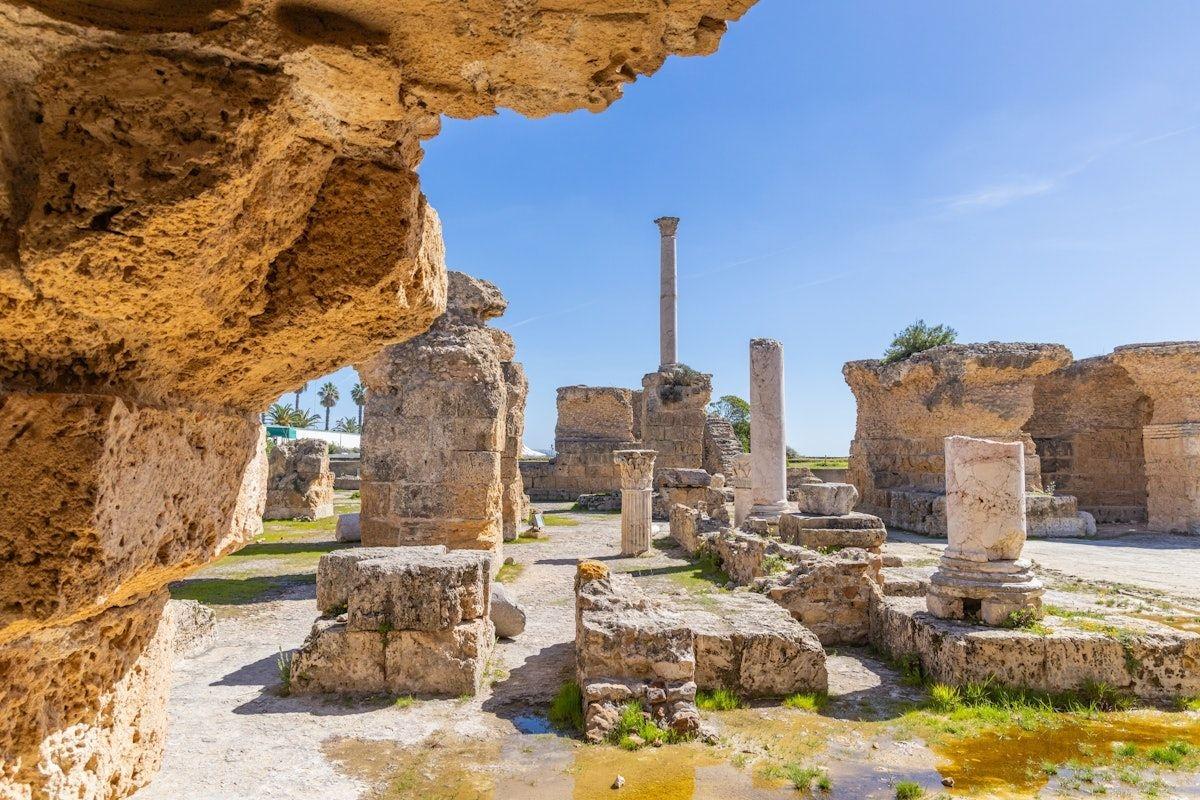
Visitors can explore locations including Byrsa Hill and the Antonine Baths while learning about the rise of Carthage, its conflicts with Rome and its later development under Roman rule.
Medina of Tunis
The Medina of Tunis forms the historical center of the Tunisian capital. Its network of streets contains mosques, madrasas, traditional houses, souks and buildings representing centuries of Islamic urban development.
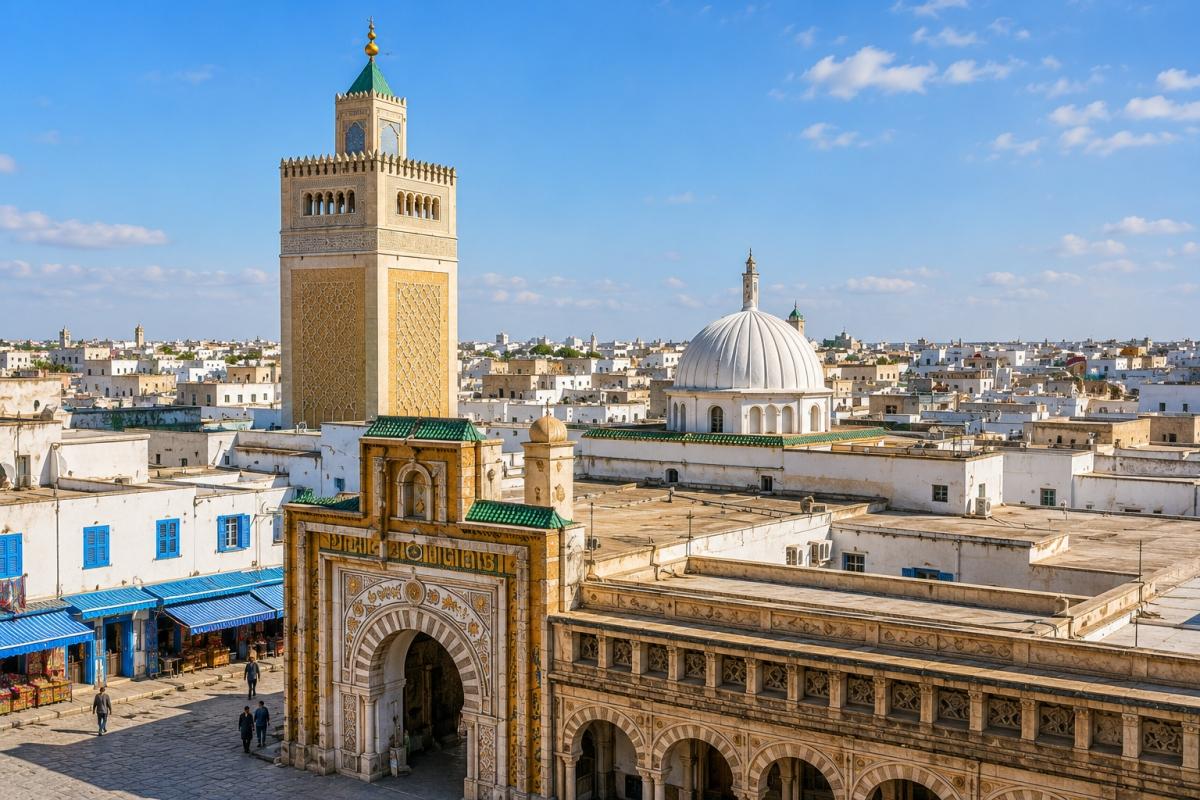
The Zitouna Mosque stands at the heart of the medina and has historically played an important religious and educational role. Traditional commercial districts surrounding the mosque developed around different crafts and trades.
Walking tours provide a practical way to explore the medina while learning about Tunisian architecture, traditional crafts and daily life within the old city.
El Jem Amphitheatre
The Amphitheatre of El Jem is one of the most impressive surviving Roman monuments in North Africa. Constructed during the Roman period, the monumental structure demonstrates the prosperity and importance of ancient Thysdrus.
Visitors can explore different levels of the amphitheatre and sections beneath the arena while learning about public entertainment and urban life during the Roman period.
El Jem is commonly included in cultural itineraries connecting northern Tunisia with Sousse, Kairouan and destinations farther south.
Kairouan
Kairouan is one of Tunisia's most important Islamic historical cities. Founded in the 7th century, it became a major religious, political and intellectual center in North Africa.
The Great Mosque of Kairouan is the city's principal landmark and one of the most significant examples of early Islamic architecture in the region. The historic medina also contains traditional streets, markets, religious structures and residential architecture.
Kairouan provides an important contrast to Tunisia's Punic and Roman archaeological sites and demonstrates the country's development during the Islamic period.
Medina of Sousse
The Medina of Sousse represents another important example of historic Islamic urban architecture in Tunisia. Located close to the Mediterranean coast, Sousse developed as an important defensive and commercial center.
Major historical structures include the Ribat of Sousse, defensive walls and religious buildings within the old city.
The medina can be combined with El Jem and Kairouan, creating an itinerary covering several important historical periods and architectural traditions.
Dougga
Dougga is one of Tunisia's most extensive Roman archaeological sites. Located in the countryside of northern Tunisia, the ancient city preserves temples, public buildings, residential areas, streets and other structures within a relatively complete archaeological landscape.
Among its most recognizable monuments are the Capitol, ancient theatre and Temple of Saturn. The site also contains evidence from periods preceding and following Roman rule.
Its location and level of preservation make Dougga particularly valuable for travelers interested in Roman history and archaeology.
Bulla Regia
Bulla Regia is an archaeological site in northwestern Tunisia known particularly for its Roman houses with underground rooms. These subterranean spaces were designed partly in response to the region's climate and represent an unusual feature of Roman domestic architecture.
Several residences preserve mosaics and architectural elements that provide insight into daily life among wealthier inhabitants of the ancient city.
Bulla Regia can be incorporated into archaeology-focused itineraries exploring northern Tunisia, sometimes alongside Dougga and other ancient sites.
Sidi Bou Said
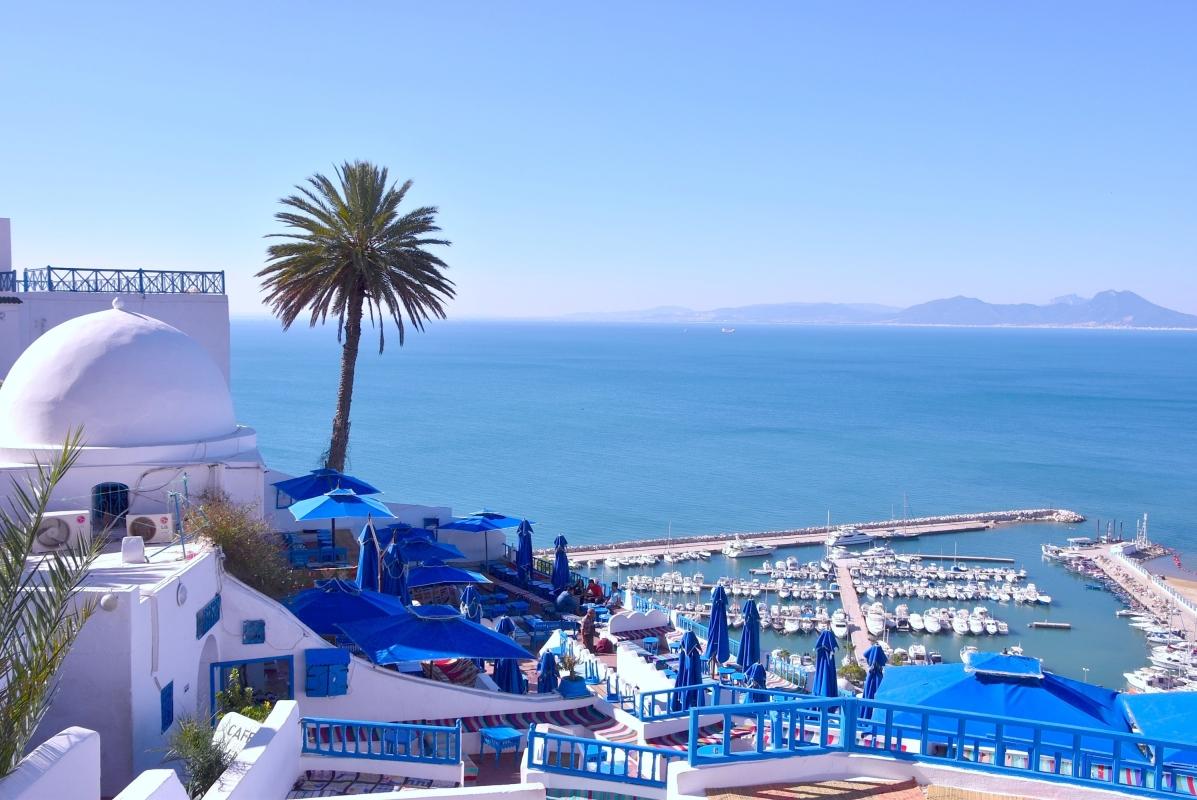
Sidi Bou Said provides a different type of cultural experience from Tunisia's archaeological destinations. Located on the Mediterranean coast near Carthage, the village is known for whitewashed architecture, blue doors and narrow streets.
Visitors can explore traditional houses, cafés, shops and viewpoints overlooking the Gulf of Tunis. Its proximity to both Tunis and Carthage makes it a common addition to cultural sightseeing programs in northern Tunisia.
Tunisia Cultural Tour Packages
Tunisia Cultural Tour Packages combine historical sightseeing, transportation and accommodation within structured itineraries. Short programs can concentrate on Tunis, Carthage and Sidi Bou Said, while longer tours can incorporate archaeological and Islamic heritage sites across northern and central Tunisia.
A multi-day itinerary might begin with the Medina of Tunis and Carthage before continuing toward Dougga, Kairouan, Sousse and El Jem. Longer programs can extend into southern Tunisia for traditional settlements, oasis regions and additional cultural experiences.
Packages can be organized around specific historical themes or provide a chronological introduction to Tunisia's different civilizations.
Tunisia Historical Tours
Tunisia Historical Tours can cover several distinct periods of North African history. Carthage provides an introduction to Phoenician and Punic civilization, while Dougga, Bulla Regia and El Jem demonstrate the scale of Roman influence across ancient Tunisia.
Kairouan, Tunis and Sousse provide insight into the Islamic period through mosques, medinas, defensive architecture and traditional urban structures.
More specialized itineraries can focus primarily on Roman archaeology or follow the historical development of Tunisia from ancient Carthage through Roman rule and the Islamic period.
The relatively manageable distances between many major historical destinations make it possible to explore several periods within a single multi-day journey.
Private Tunisia Cultural Tours
Private Tunisia Cultural Tours provide flexible itineraries for travelers with specific historical or archaeological interests. Programs can concentrate on Roman sites, Carthaginian history, Islamic architecture, UNESCO World Heritage Sites or a combination of several themes.
Private transportation makes it easier to reach archaeological sites such as Dougga and Bulla Regia, which are located outside the principal tourism centers.
Travelers can also spend additional time at particular museums, archaeological areas or historic medinas rather than following a fixed group schedule. Private cultural tours are suitable for couples, families, small groups and travelers with a specialist interest in history.
Best Time for Tunisia Cultural Tours
Spring and autumn generally provide comfortable conditions for cultural and historical sightseeing in Tunisia. March through May and September through November offer moderate temperatures for walking through archaeological sites and historic medinas.
Summer can be hot, particularly at inland archaeological destinations such as Kairouan and El Jem. Sightseeing remains possible, but morning visits can be more comfortable during periods of high temperatures.
Winter can also be suitable for historical tours, particularly in northern and central Tunisia. Temperatures are cooler, and travelers should be prepared for occasional rainfall, especially in northern regions.