
Free Cancellation
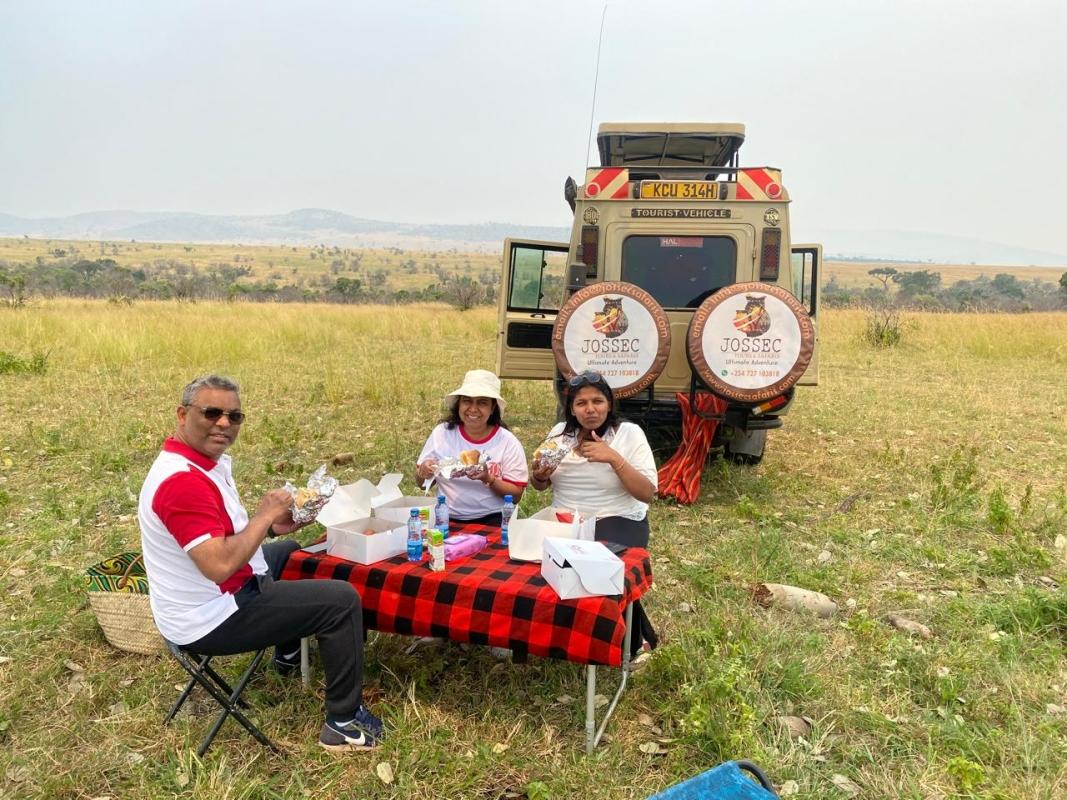
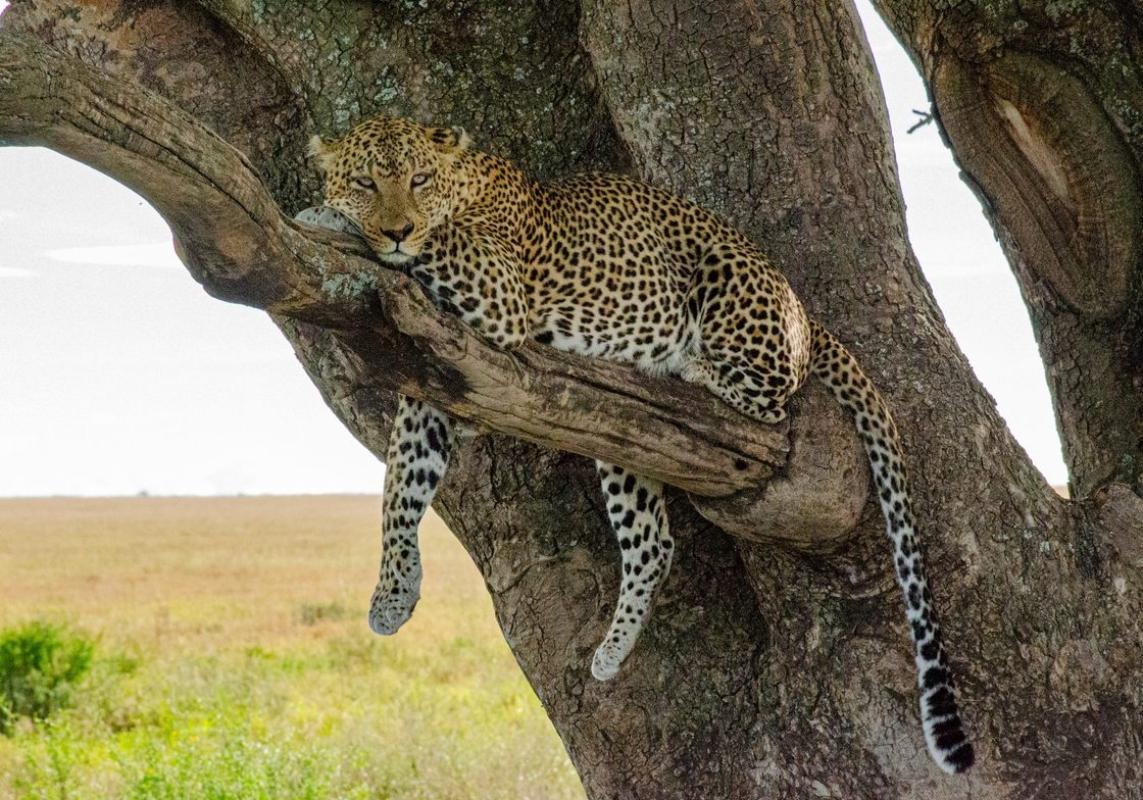


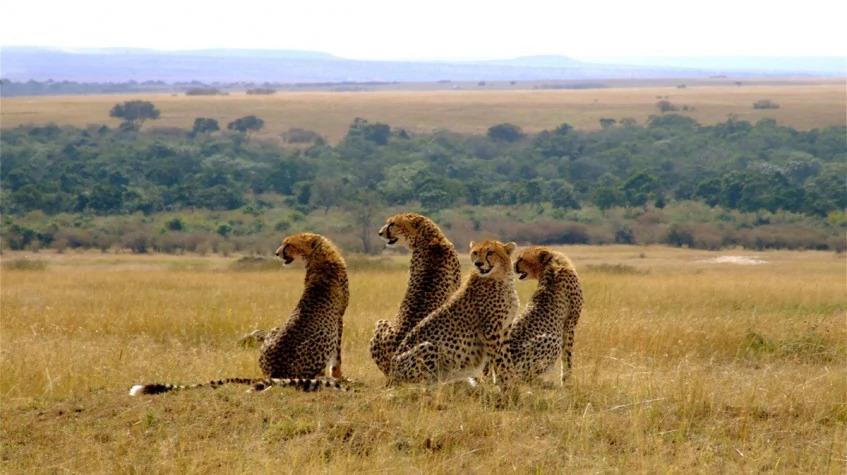
Nanyuki sits directly on the equator at the northwestern foot of Mount Kenya, roughly 200 kilometers north of Nairobi along a road that climbs steadily into the highlands, often visited as one stop on a longer Kenya itinerary through the central highlands. A painted line and a handful of roadside stalls mark the exact crossing point in town, where vendors demonstrate the Coriolis effect on water poured just north and just south of the line, a small but popular stop for travelers heading further north.
Founded by British settlers in the early twentieth century as a farming and army town, Nanyuki still hosts a British Army training unit today, a reminder of the colonial-era ties that shaped much of Laikipia County. That history sits alongside the town's newer role as the main gateway to Mount Kenya's climbing routes and to Laikipia's private wildlife conservancies, which now draw more visitors than the town's own streets.
Mount Kenya, Africa's second-highest peak at 5,199 meters and a UNESCO World Heritage Site, rises directly south of Nanyuki, and the Sirimon route, one of the mountain's more gradual paths toward the summit area, begins within easy reach of town. Even travelers not planning a multi-day climb can arrange shorter forest walks or day hikes onto the lower slopes, where vegetation shifts quickly from farmland to bamboo forest and moorland.
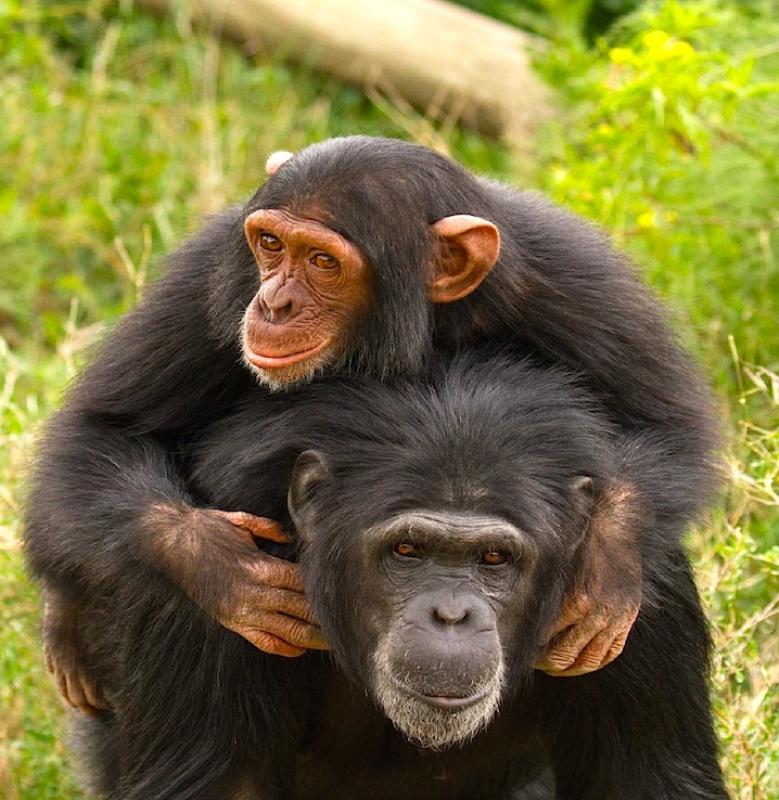
West of Nanyuki, the Laikipia Plateau holds one of Kenya's highest concentrations of private and community conservancies. Ol Pejeta Conservancy, the most visited of the group, protects the last two northern white rhinos left in the world alongside a healthy population of black rhino, and its chimpanzee sanctuary houses primates rescued from conflict zones elsewhere in Africa. Lewa Wildlife Conservancy, a UNESCO World Heritage Site in its own right, lies further east and pairs strong rhino numbers with some of the country's lowest visitor densities. Both run their own conservation fees separate from national park charges, funding anti-poaching and community programs across the plateau.
Ol Pejeta in particular suits short trips from Nanyuki, since its gates sit less than an hour from town. A trip such as the Quick Getaway: 2 Days of Big Five Action at Ol Pejeta packages a game drive and an overnight stay into a compact itinerary for travelers without time for a longer safari circuit.
At around 1,950 meters above sea level, Nanyuki stays cooler than the Kenyan coast or the Mara throughout the year, with nights that can turn cold during the June to September dry season in particular. Driest and clearest conditions for both wildlife viewing and mountain walks fall between January and February and again from July to September, while long rains from March to May can make some conservancy tracks harder going.