
Free Cancellation

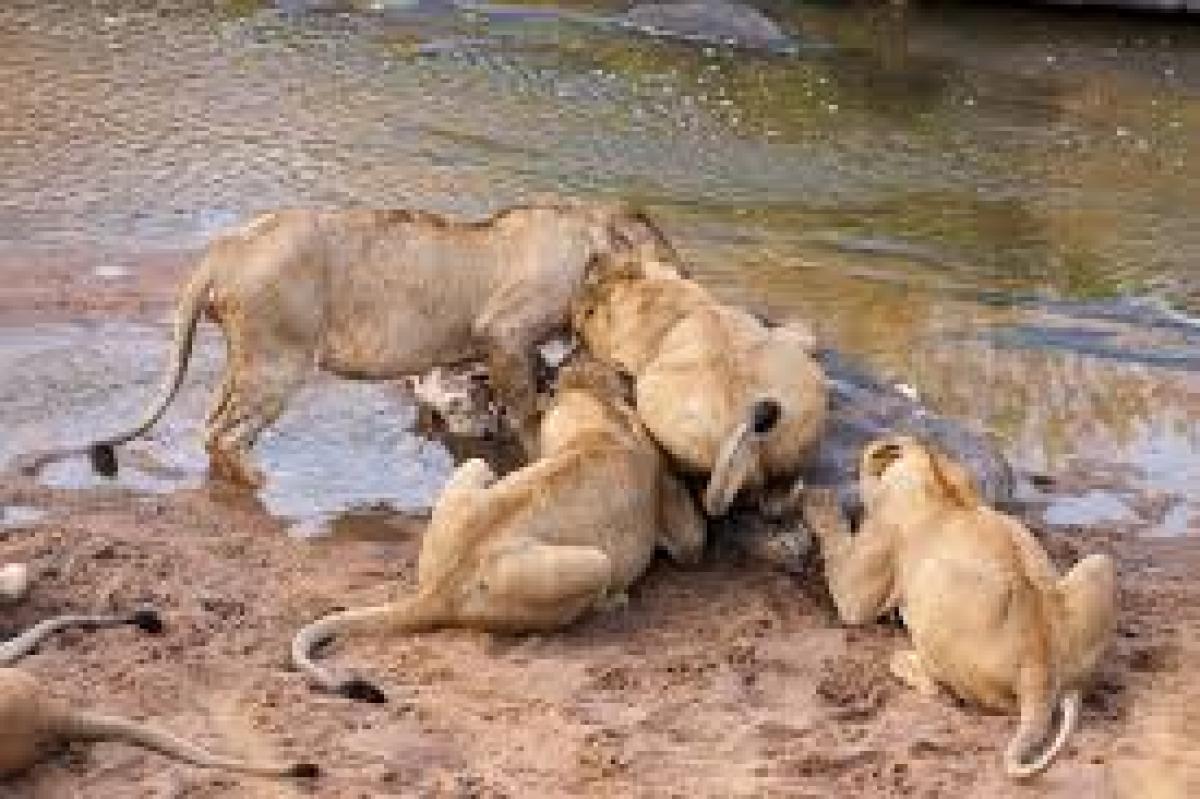
The Masai Mara is the Kenyan extension of the same ecosystem that spreads south into Tanzania as the Serengeti, and the wider term covers not just the reserve boundary but the conservancies, Maasai communities and grassland corridors that make the region function as a single migratory landscape. It takes its name from the Maasai people who have grazed cattle across these plains for generations, and a visit here is as much about that living culture as it is about wildlife. The area is usually reached as part of a Kenya Tours itinerary, whether as a standalone trip or combined with stops further north.
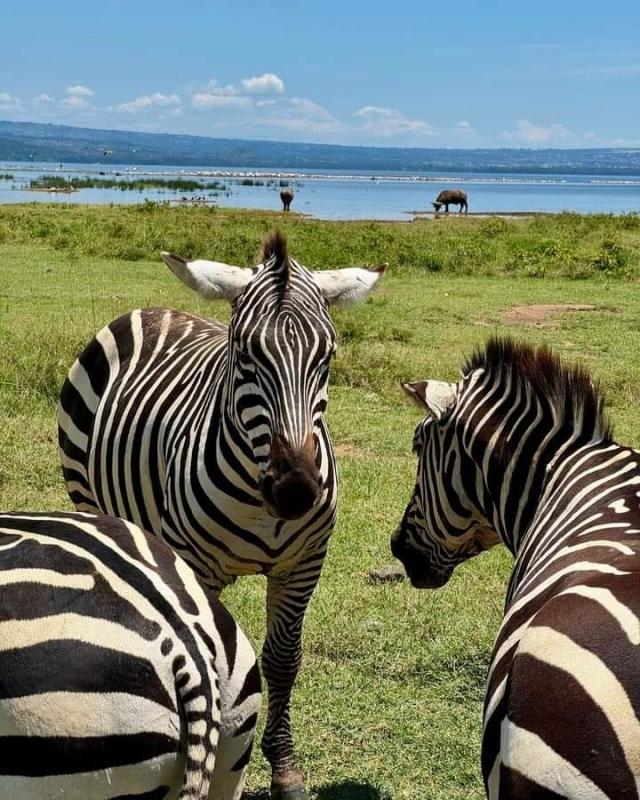
For most travelers, the defining reason to visit the Masai Mara is the Great Migration, when roughly two million wildebeest and hundreds of thousands of zebra move in a continuous cycle between the Serengeti and the Mara in search of fresh grazing. The Mara portion of this cycle runs roughly from July to October, when the herds cross the Mara River from Tanzania and spread across the northern plains before turning back south as the rains return.
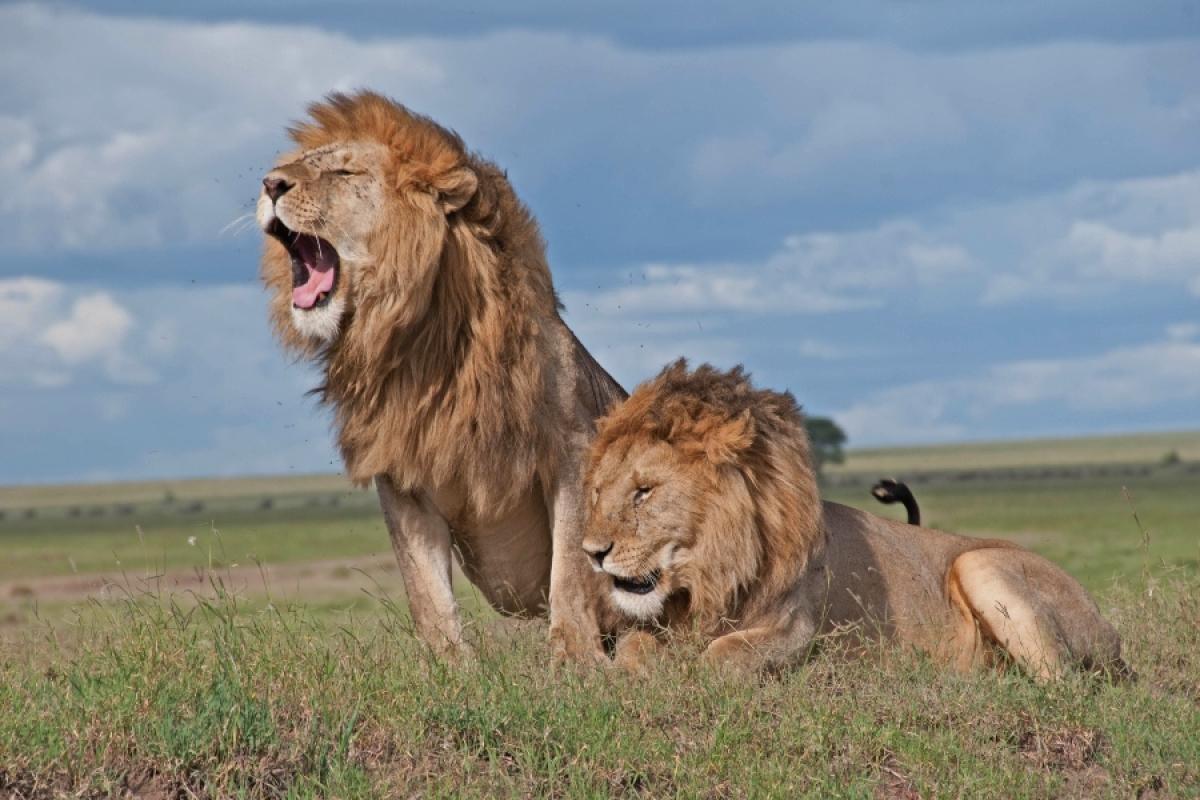
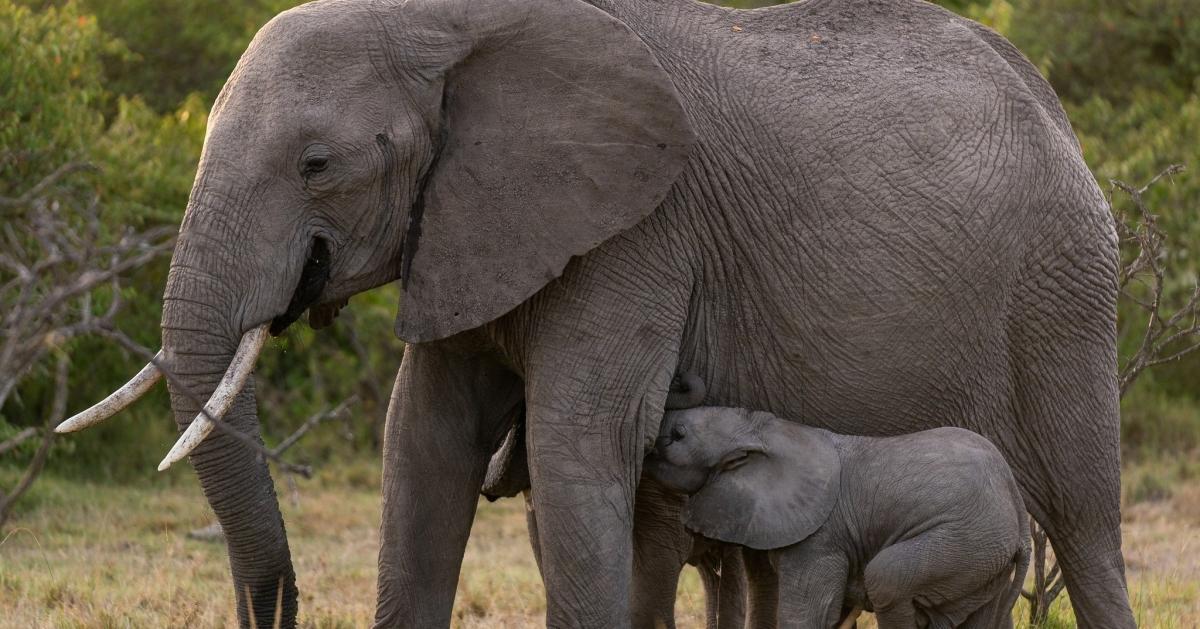
Unlike the resident wildlife that stays in the ecosystem year-round, the migration is seasonal and its arrival can shift by several weeks depending on rainfall patterns. Once the herds are in the Mara, river crossings become the focal point of game drives, drawing large predator concentrations including lion, hyena and crocodile that follow the herds' movement. Outside the July to October window, the Masai Mara still holds strong resident populations of lion, elephant, giraffe and topi, so the ecosystem does not depend solely on migration timing to justify a visit. Herds typically arrive from the southern Serengeti in stages rather than as a single event, with numbers building through July before peaking in August and September and beginning to thin again as animals drift back south toward the end of October.
Many itineraries in the Masai Mara include a visit to a Maasai village, known locally as a manyatta, where guests can see traditional houses built from mud and cattle dung, watch demonstrations of the adumu jumping dance, and learn about a pastoral way of life that continues alongside the tourism industry. These visits are usually arranged directly through camps or community-run enterprises and give context to a region where conservation and Maasai land rights are closely linked. Tourism revenue in much of the wider Masai Mara area flows back to Maasai landowners through conservation land leases, a model that has expanded over the past two decades as bordering conservancies have formed on community-owned land. That arrangement gives many Maasai families a direct financial stake in keeping the land open for wildlife rather than converting it to fenced agriculture, which is part of why the ecosystem has held together as well as it has despite growing population pressure across the wider region.
The Masai Mara sits at an altitude of roughly 1,500 to 2,100 meters, which keeps temperatures moderate year-round compared to Kenya's hotter coastal lowlands, with cool mornings that warm quickly once the sun clears the horizon. Rolling grassland dominates the landscape, bordered to the west by the Oloololo Escarpment and cut through by the Mara and Talek rivers, whose banks support strips of riverine forest that stand out against the open plains. Two rainy seasons shape the annual cycle, the long rains from March to May and the shorter rains around November, both of which green the grassland and disperse grazing herds more widely than during the drier months.
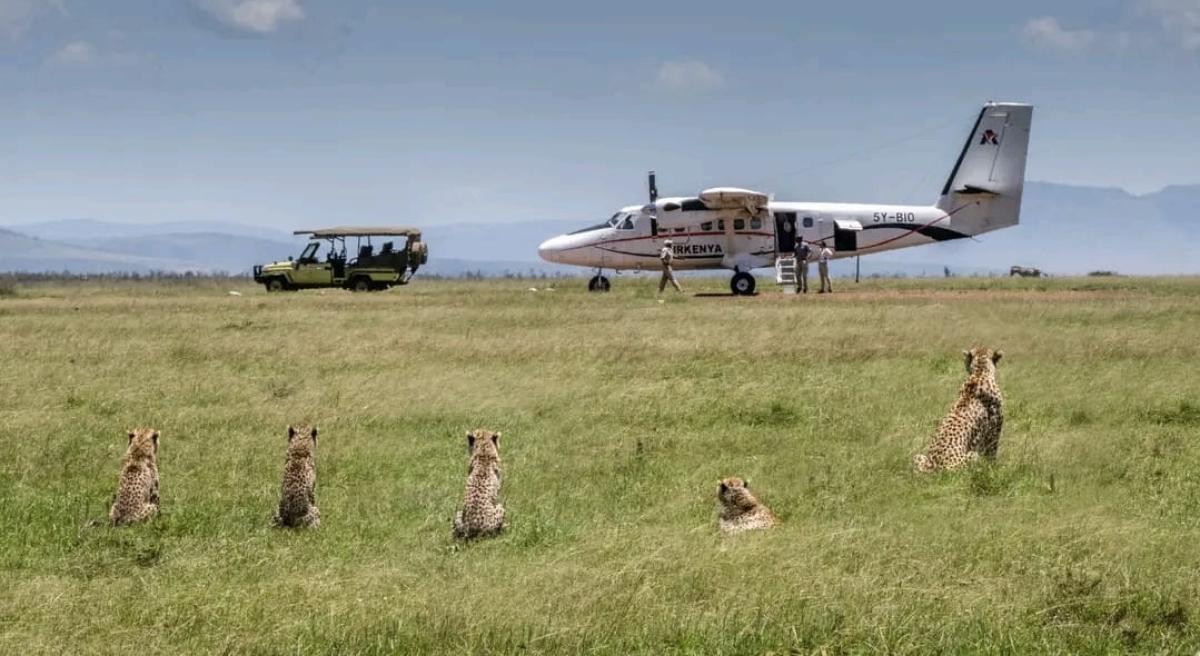
Access points into the Masai Mara run through gates such as Sekenani, Oloolaimutia and Talek, reached by road from Nairobi in around five to six hours or by a short scheduled flight into one of the region's small airstrips. A minimum stay of three nights is generally recommended to allow for both morning and afternoon game drives without feeling rushed, and many visitors treat the Masai Mara as the anchor destination of a longer Kenya itinerary rather than a single stop. Full-day drives with a packed lunch allow more ground to be covered than the standard half-day format, particularly useful during migration season when herd movements can be unpredictable.
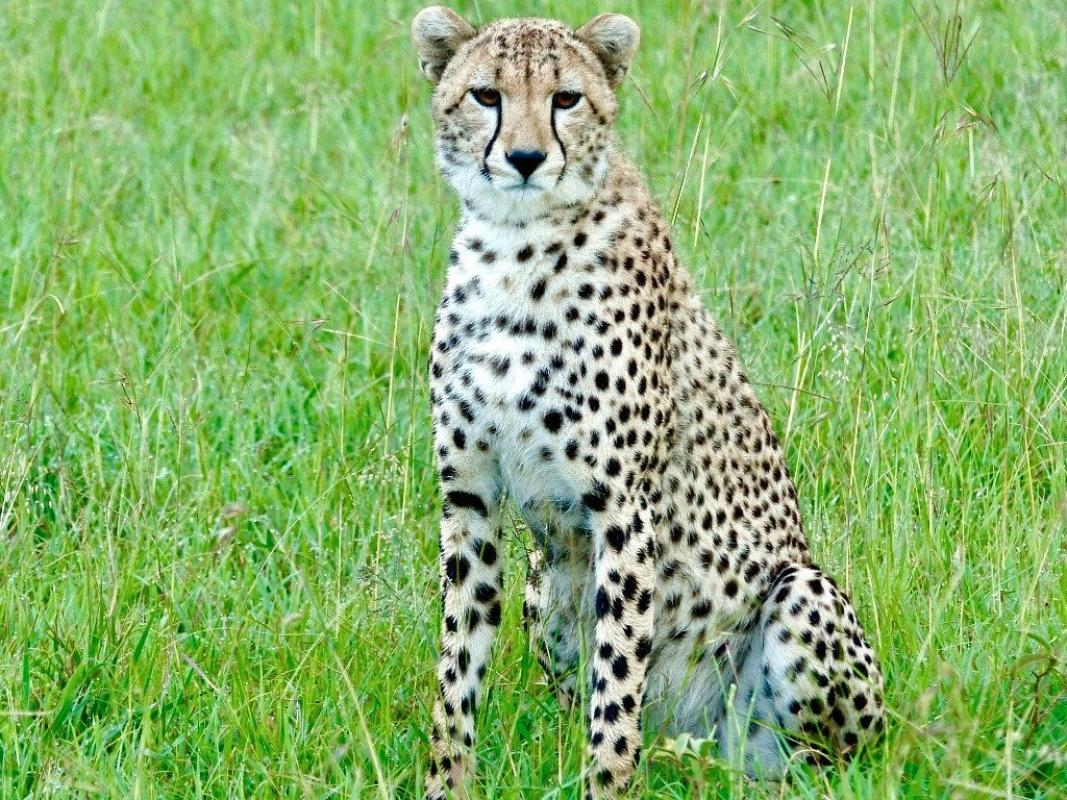
Game drives here follow the light, heading out before sunrise and again in the late afternoon when temperatures drop and predators become more active. The open, largely treeless grassland of the Masai Mara makes for long, uninterrupted sightlines, which is part of why cheetah, easily spotted scanning the plains from a termite mound, are so associated with this landscape.
Because the Masai Mara has no fence along its southern border, wildlife moves freely across the frontier into Tanzania, and the region functions as the northern end of a single ecosystem rather than an isolated reserve. Some longer trips combine a stay in the Masai Mara with a crossing into the Serengeti, though most travelers treat the two as separate legs of a wider East Africa safari given the border logistics involved. The 3 Days Masai Mara Safari is a shorter option for those wanting a focused introduction without extending into a full circuit.
A dawn balloon flight is one of the more distinctive ways to see the Masai Mara, drifting silently over herds and woodland before a bush breakfast on landing. It is offered as an optional add-on by most camps rather than a standard inclusion, and bookings should be made in advance during the July to October peak season.