
Free Cancellation

-high.jpg&w=1920&q=75 "6 Days Rift Valley Lakes & The Untamed Masai Mara Safari")
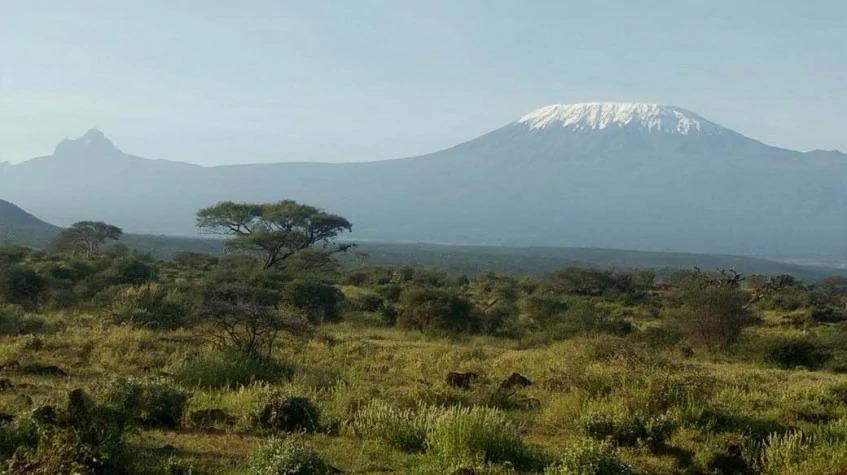
The Maasai Mara National Reserve covers roughly 1,510 square kilometers of open savanna in southwestern Kenya, bordering Tanzania's Serengeti National Park along a shared, unfenced boundary. Formally established as a wildlife reserve in 1961 and later expanded, it is managed jointly by the Narok and Trans Mara county councils rather than as a single national park, which shapes how camps, conservancies and access points are organized around it. Many visitors reach the reserve as part of a broader Kenya Tours itinerary that also covers the Rift Valley lakes to the north.
What sets the Maasai Mara National Reserve apart within Kenya's safari circuit is the density and reliability of its Big Five sightings, combined with an infrastructure of camps, conservancies and balloon operators built up over decades. The reserve itself is divided into several sections, with the Mara Triangle in the west managed separately and generally holding lower visitor numbers than the more heavily used eastern side around Sekenani and Talek gates.
The name comes from the Maa language spoken by the Maasai, roughly translating to "spotted," a reference to the way scattered acacia trees, passing clouds and grazing herds pattern the plains when viewed from a distance. This area was first gazetted as a wildlife sanctuary in 1961 covering a much smaller footprint than today, then expanded and redesignated as a full national reserve in 1974 to bring more of the migration corridor under protection. Unlike Kenya's national parks, which fall under the Kenya Wildlife Service, the reserve stays under county-level management, with revenue from entry fees directed toward the Narok and Trans Mara county governments and, increasingly, toward the conservancies bordering the reserve.
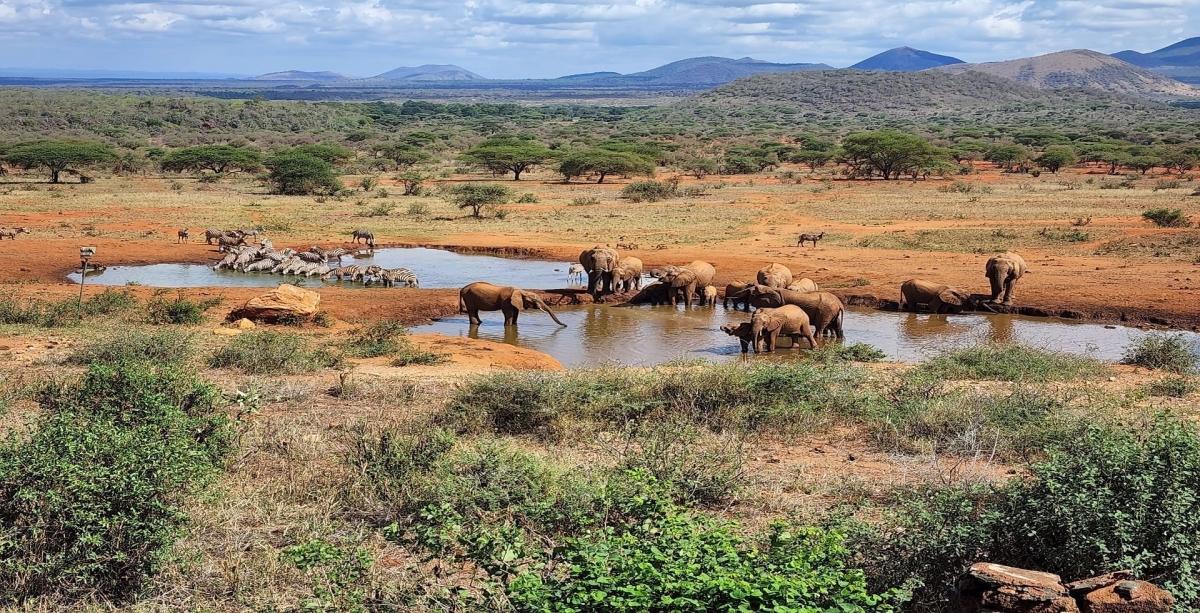
Its most recognized spectacle takes place at the Mara River and its tributary the Talek, where wildebeest and zebra gather in large numbers before crossing, usually between July and October. Crossing points such as the one near Lookout Hill and the areas around Serena and Mara Bridge are the most consistently watched, though crossings themselves are unpredictable in timing and can happen at any hour. Nile crocodiles concentrate along these stretches during the crossing months, adding a further layer of drama that camps and guides plan game drives around.
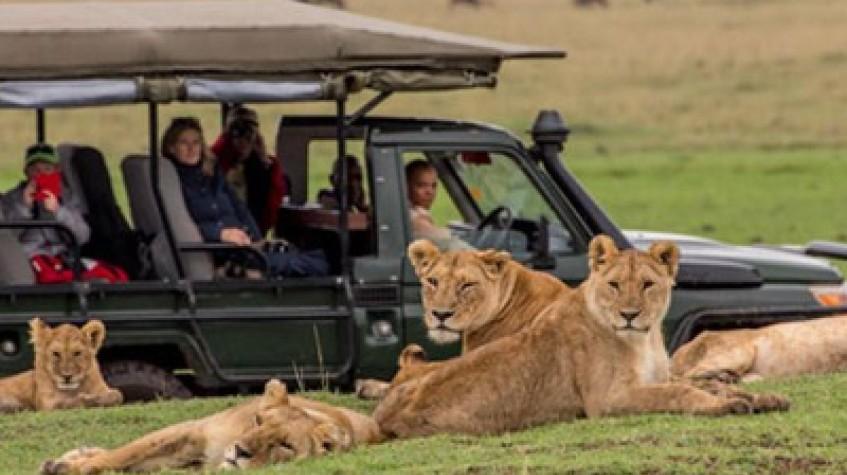
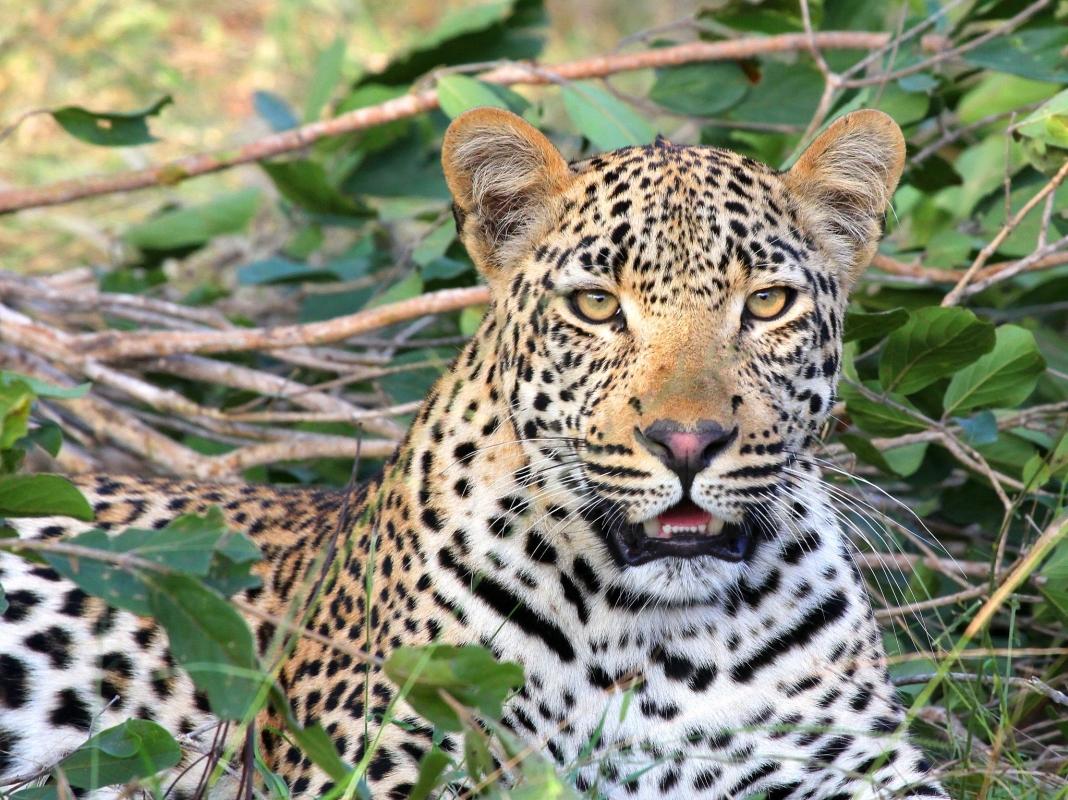
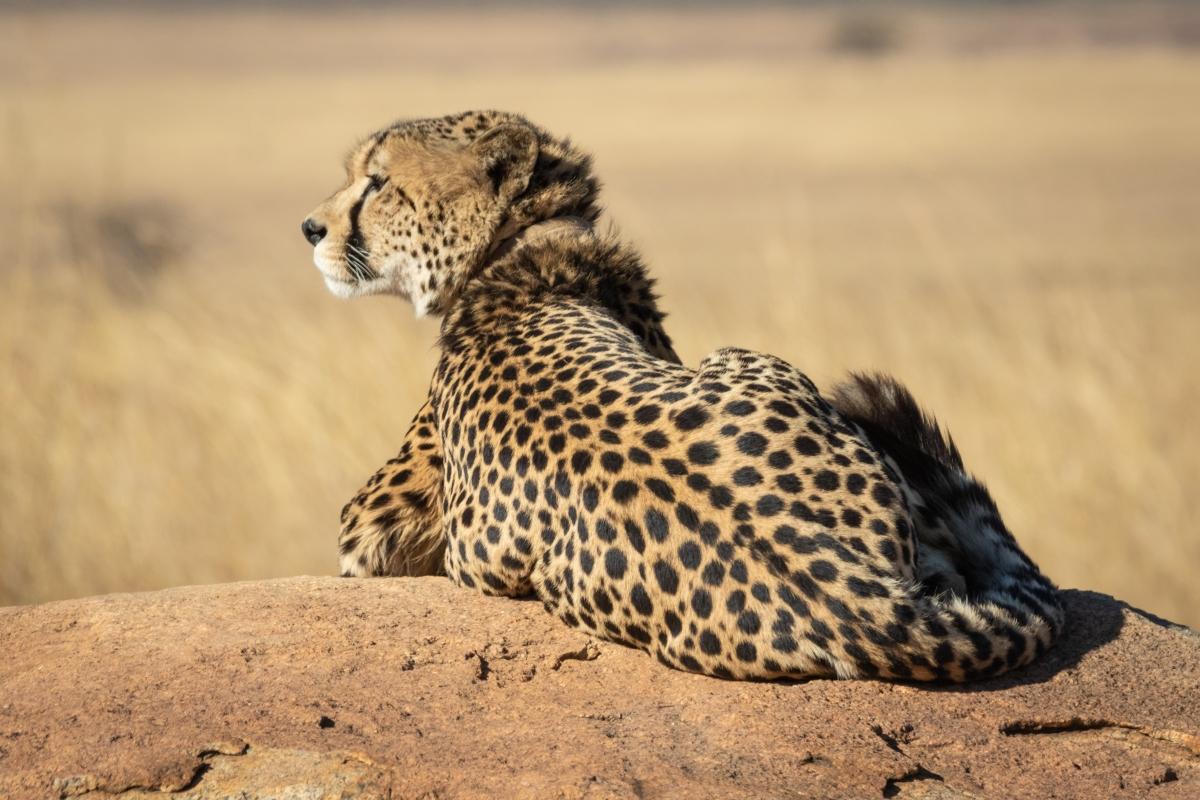
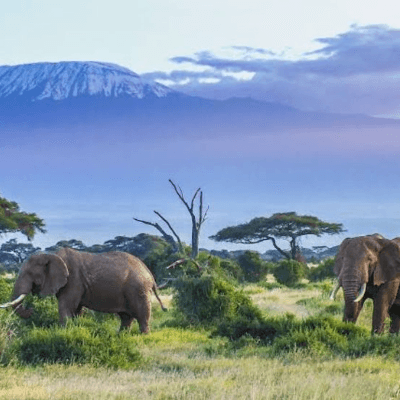
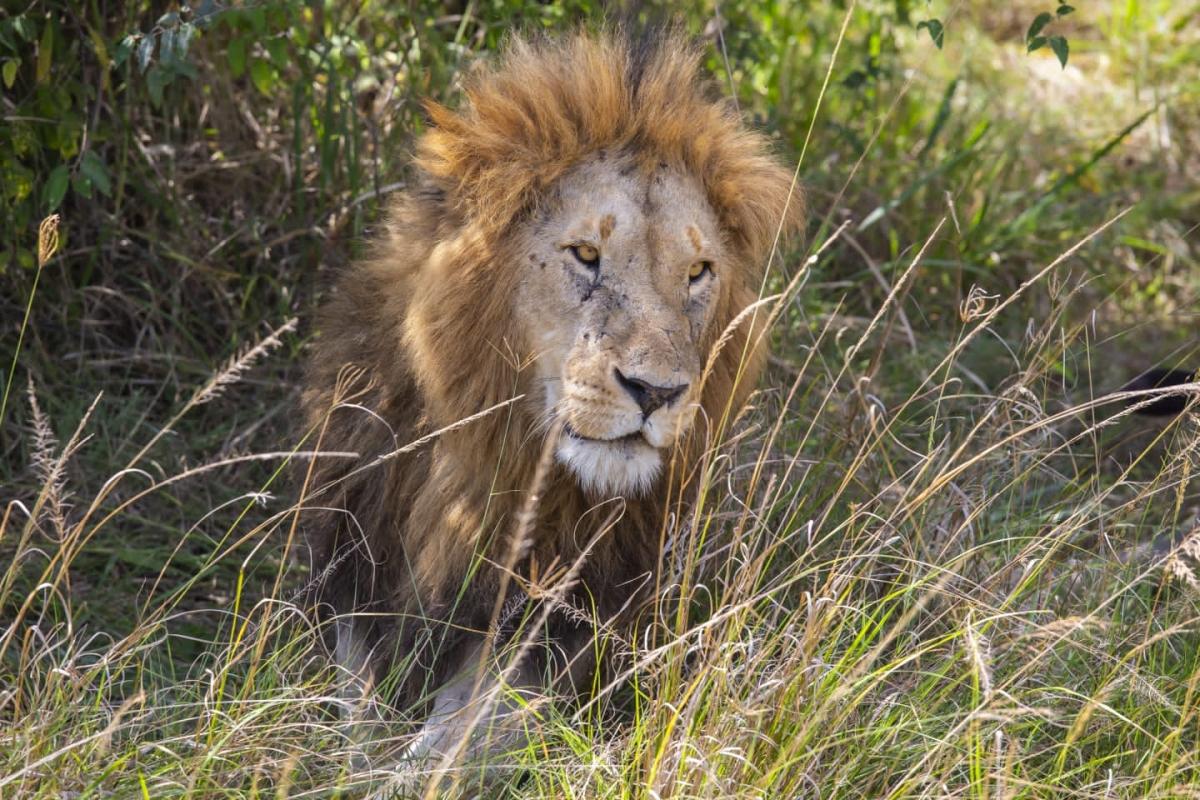
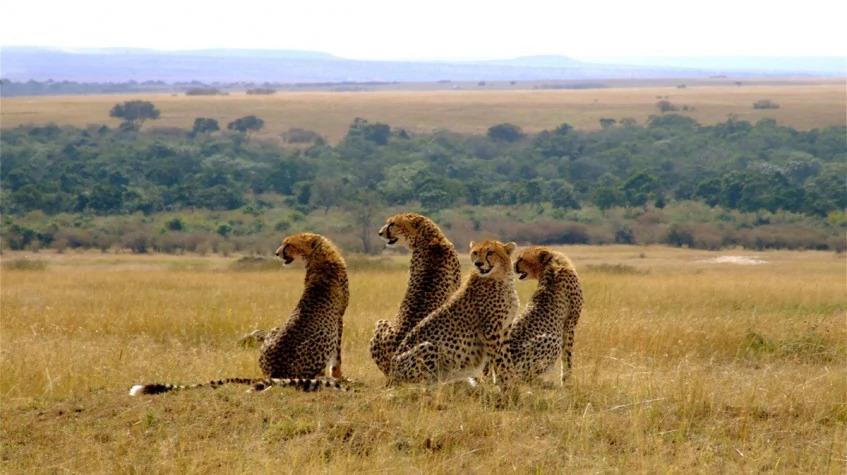
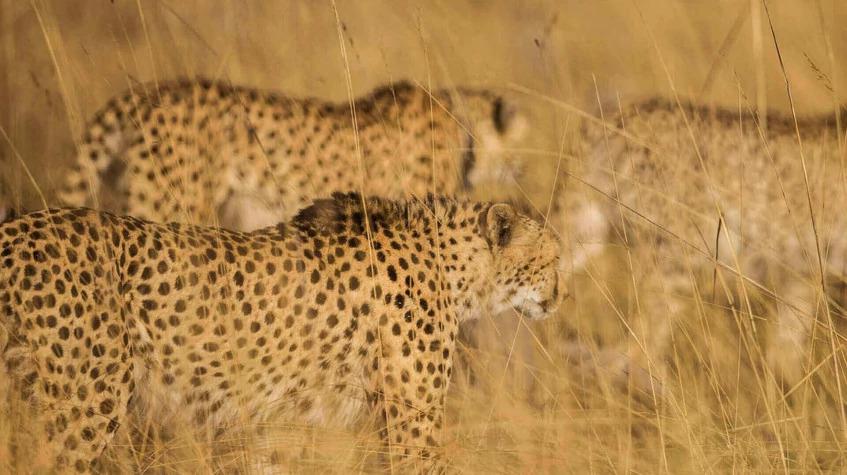
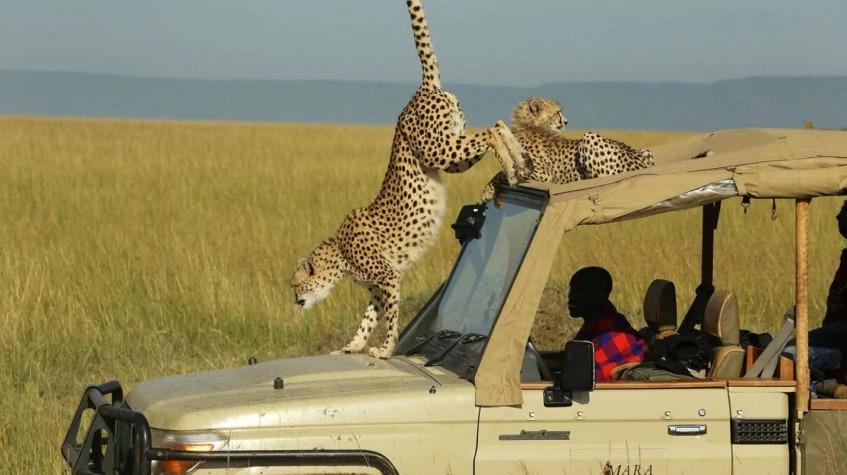
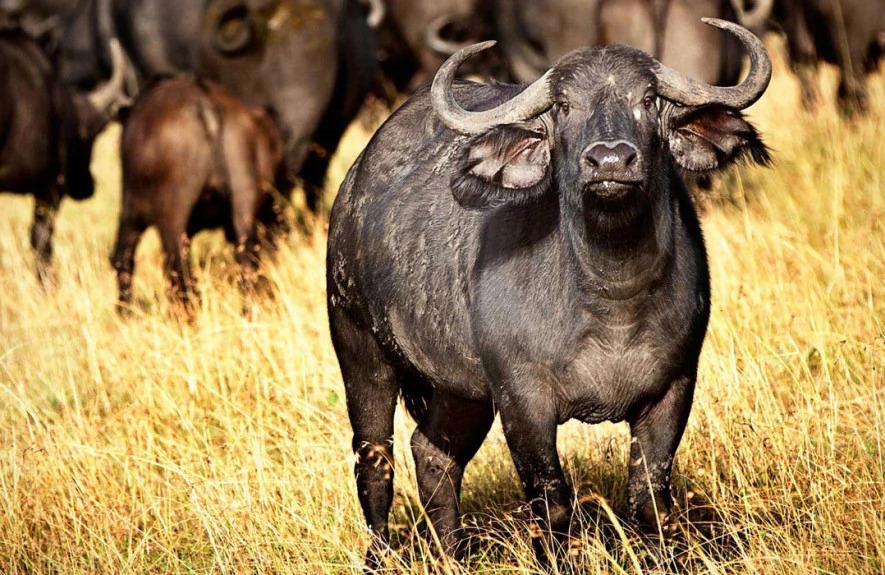
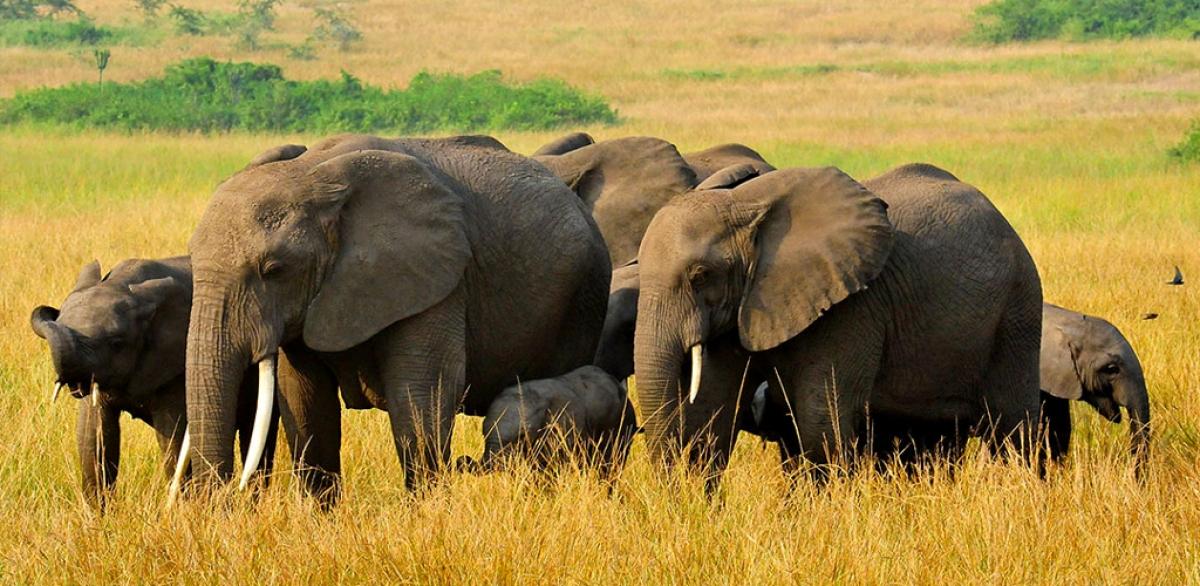
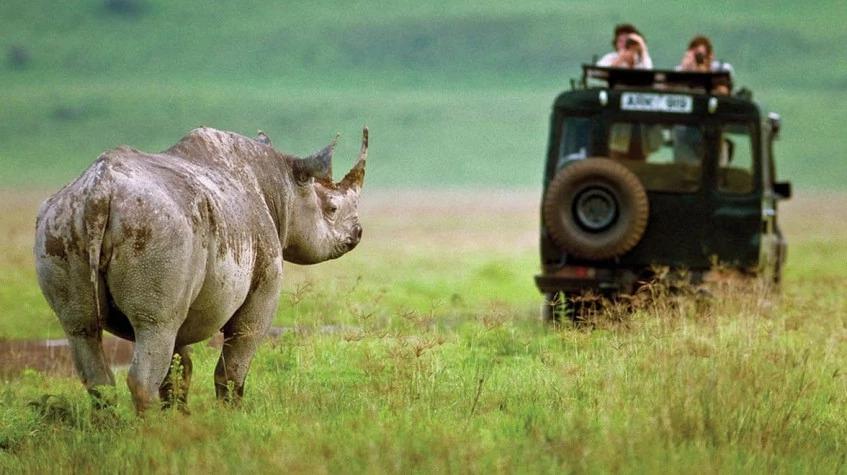
Outside the crossing season, the reserve remains one of Kenya's most consistent locations for lion, leopard, elephant, buffalo and rhino, the last of which is present in smaller, closely monitored numbers than at Lake Nakuru National Park. Resident lion prides are well studied by researchers and guides, and cheetah sightings on the open plains are also common given the terrain's flat, short-grass character.
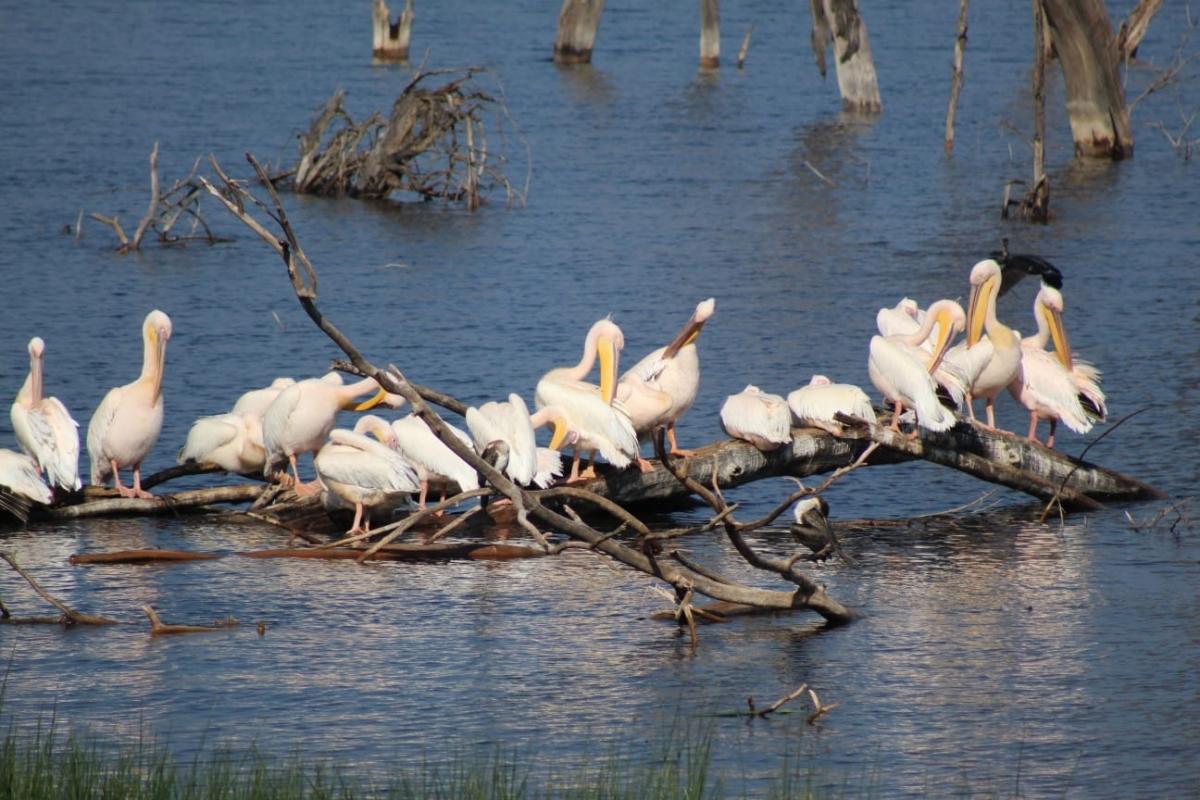
Hyena clans are easy to find around the reserve's rocky outcrops and drainage lines, and their whooping calls at dusk are one of the more distinctive sounds of a Mara evening. Hippo pods gather in numbers along the deeper pools of the Mara and Talek rivers, often sharing the water with basking crocodiles, while topi and Coke's hartebeest graze the open plains in herds that draw less attention than the predators but round out the reserve's food chain. Over 470 bird species have been recorded across the reserve, from the Rift Valley's raptors circling on thermals to the vivid lilac-breasted roller perched on roadside acacia.
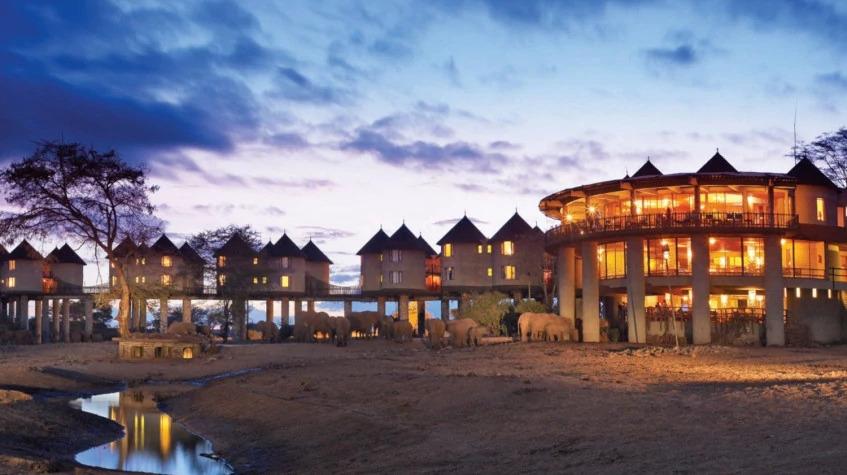
Accommodation inside the reserve itself ranges from permanent tented camps set along the Mara and Talek rivers, valued for their closeness to the main crossing points, to more basic mobile camps that relocate seasonally to follow the herds. Lodges further from the riverbanks tend to offer more fixed infrastructure and a quieter setting, while camps in the surrounding conservancies generally sit on private land with lower vehicle density per sighting. Choosing between a base inside the reserve and one in a conservancy usually comes down to a trade-off between proximity to the crossing points and the added flexibility that conservancy rules allow.
A ring of private conservancies, including Mara North, Naboisho and Olare Motorogi, surrounds the reserve and operates under stricter visitor limits than the reserve itself, typically allowing off-road driving and night game drives that are not permitted inside the main reserve boundary. Many lodges use a conservancy base to combine quieter game viewing with day access into the reserve proper.
Hot air balloon flights at dawn are a long-running feature of the Maasai Mara, launching before sunrise from sites near the main camps and drifting low over herds and riverine forest before landing for a breakfast laid out on the plains. Flights last around an hour and depend on calm morning wind conditions, so operators typically require an early pickup, well before the first game drives of the day set out. Combined with a ground safari, a balloon flight gives a different vantage point over the same landscape covered on the Wildebeest Migration Masai Mara Crossing Safari, which is built specifically around timing a stay to the river crossing season.
The reserve is reached either by a five to six hour road journey from Nairobi through Narok, or by a scheduled light aircraft flight of around 45 minutes into one of several small airstrips serving the different sections of the Mara, including Keekorok, Musiara and Ol Kiombo. Flying is the more common choice for shorter trips, since it avoids the long drive down the escarpment, while road transfers are often used when the Mara is combined with Lake Nakuru or Naivasha on a longer circuit.