
Free Cancellation
-high.jpg&w=1920&q=75 "8 Days Ultimate Kenya Safari Adventure: Explore the Best of Kenya’s Wildlife and Landscapes")
-high.jpg&w=1920&q=75 "10 Days Discover Kenya Luxury Wildlife Safari on 4x4 Land Cruiser Jeep")


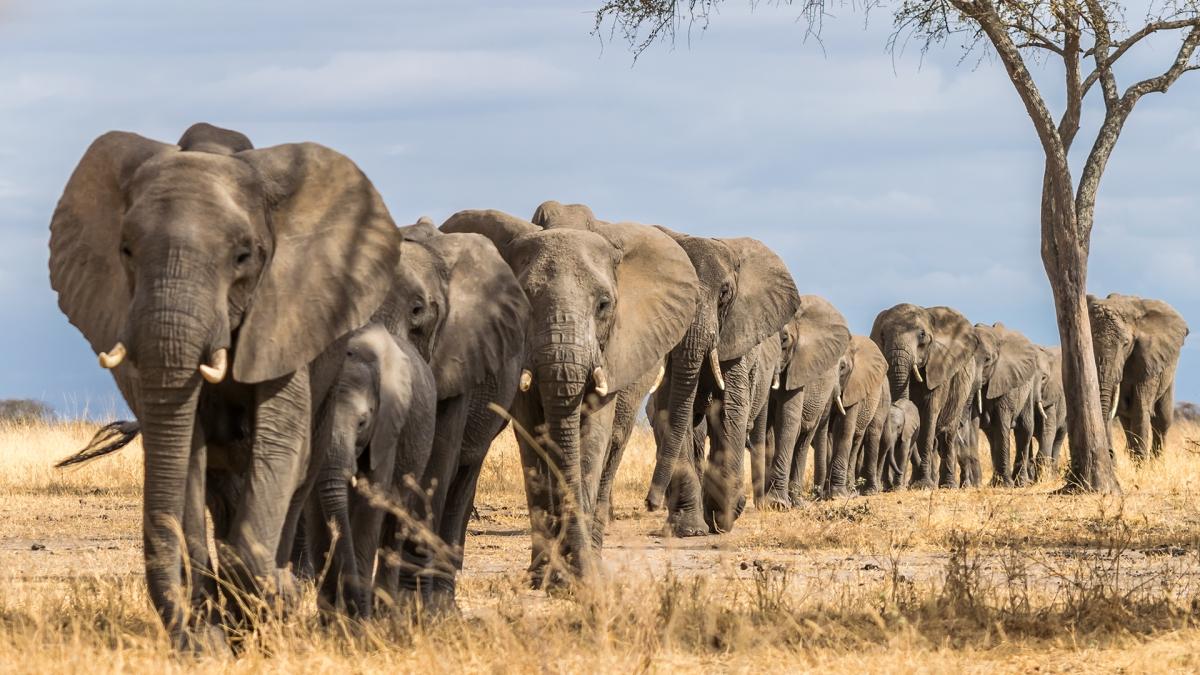


Tsavo West is the western half of Tsavo, Kenya's largest protected ecosystem and a common stop on a longer Kenya safari, separated from Tsavo East by the Nairobi-Mombasa highway and railway line. At around 9,065 square kilometers it is smaller than its eastern neighbor but far more varied in terrain, with volcanic hills, old lava fields and permanent springs replacing much of the flat plains that define Tsavo East.
That volcanic geology gives Tsavo West its character. The Chyulu Hills, a young range of cinder cones just outside the park's northern boundary, feed rainwater through porous lava rock into springs that surface inside the park itself, and the results, from crystal-clear pools to fields of black rock, are among the most distinctive landscapes in any Kenyan park. Those same hills form a separate, smaller national park just north of Tsavo West's boundary, and the two protected areas function as one continuous landscape for wildlife moving between them.
Mzima Springs releases around 50 million gallons of water a day, filtered clear through Chyulu Hills lava rock over several decades before reaching the surface. An underwater viewing chamber built into one of the pools lets visitors watch hippos and crocodiles move beneath the surface at close range, a rare vantage point in East African safari travel and one of the park's most recognizable stops.
Shetani, meaning devil in Swahili, is a field of jagged black lava spread across roughly 50 square kilometers, formed by a volcanic eruption believed to have occurred within the past few hundred years. Local legend explains the barren, otherworldly landscape as the devil's own footprint, and a short walking trail lets visitors cross part of the flow on foot.
A fenced sanctuary within Tsavo West protects a breeding population of black rhino from poaching while allowing them to roam a substantial stretch of natural habitat, part of a wider recovery effort for a species reduced to a fraction of its historic numbers across Kenya during the poaching crisis of the 1970s and 1980s.
A small volcanic cone near Kamboyo gate, Chaimu Crater can be climbed on foot in under an hour, on marked trails accompanied by a ranger, and rewards the short effort with views across the surrounding plains toward the Ngulia Hills.
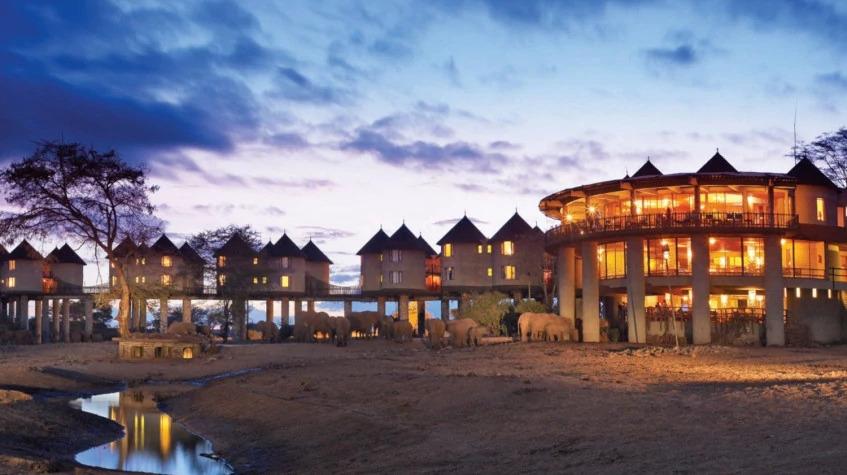
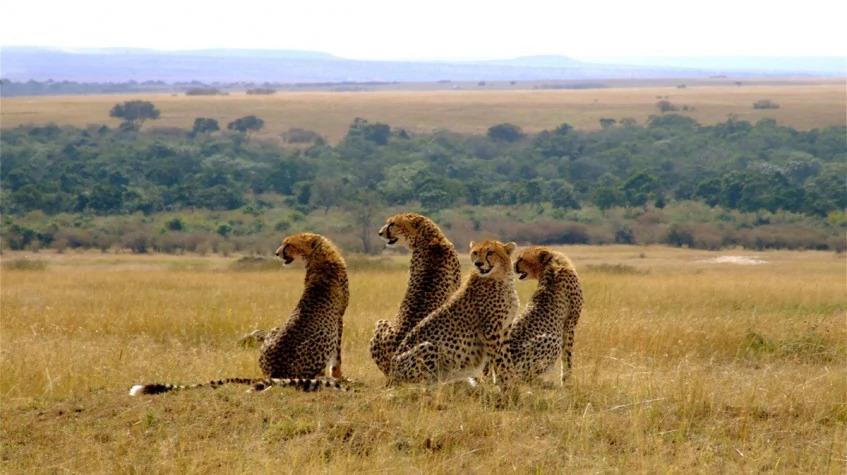
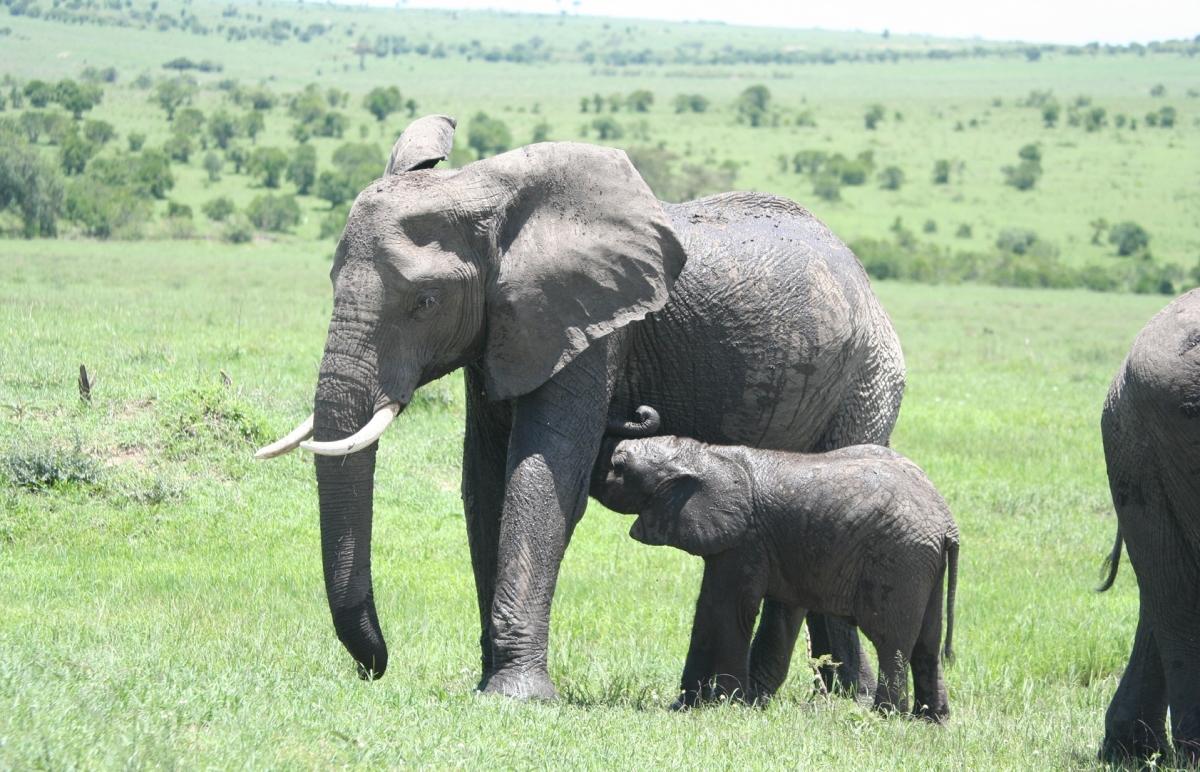
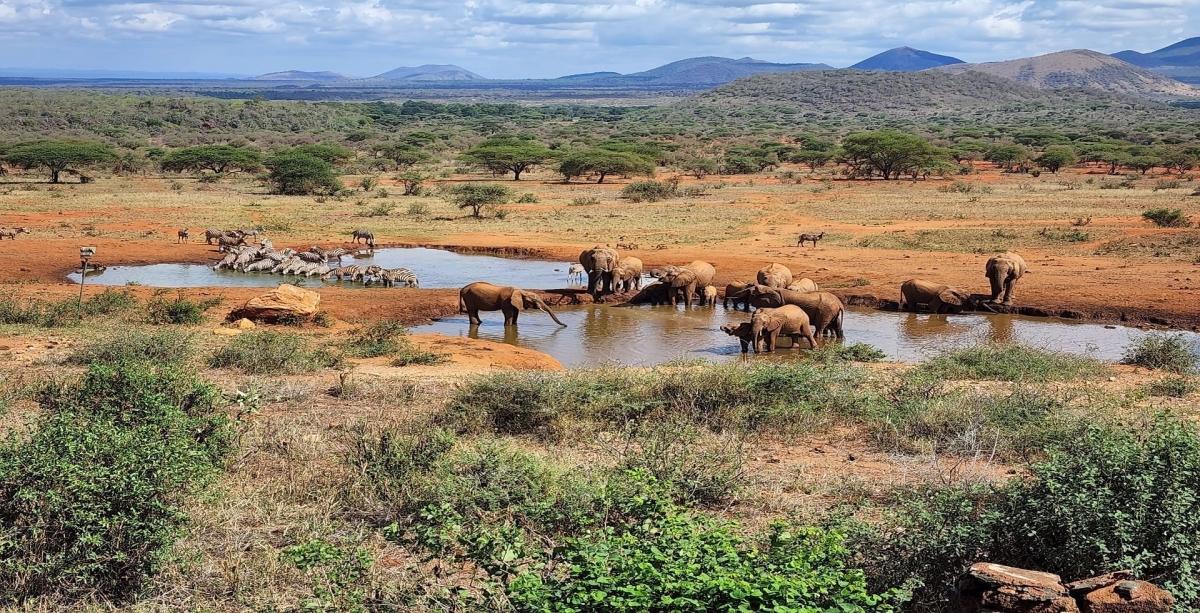
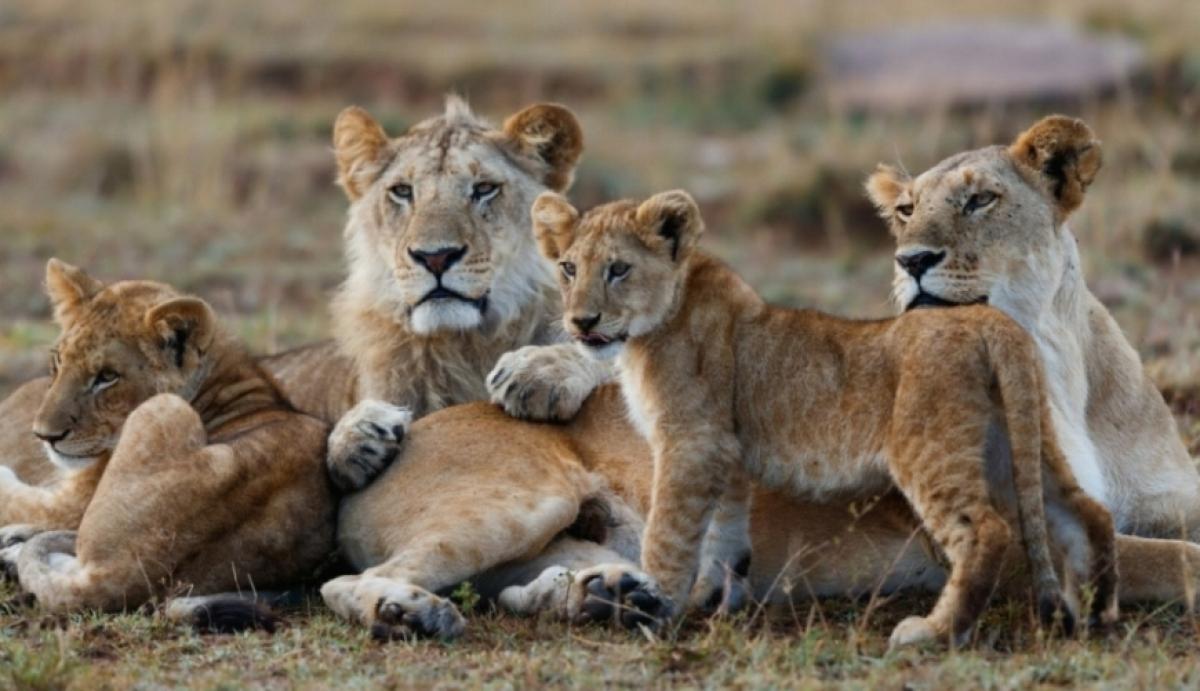
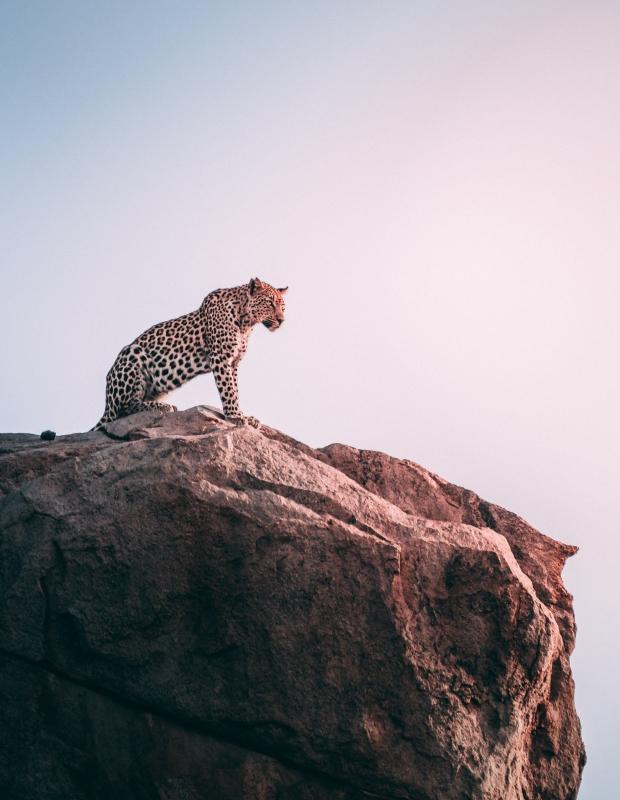
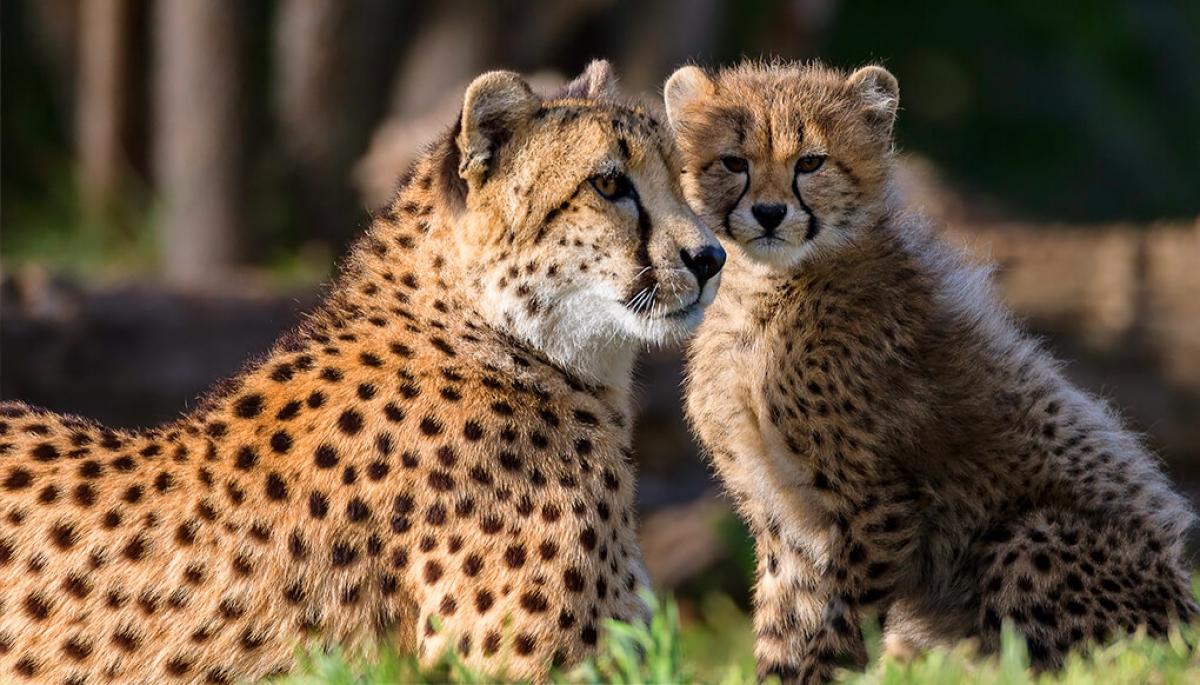
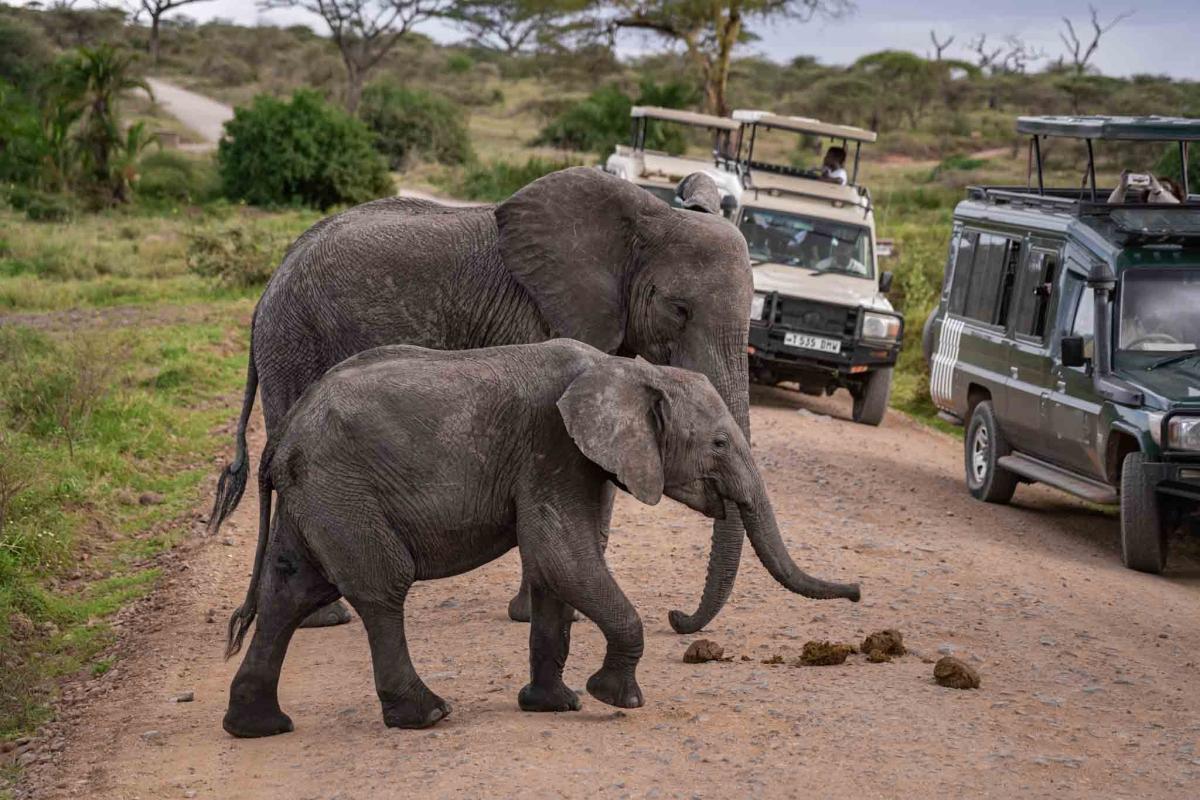
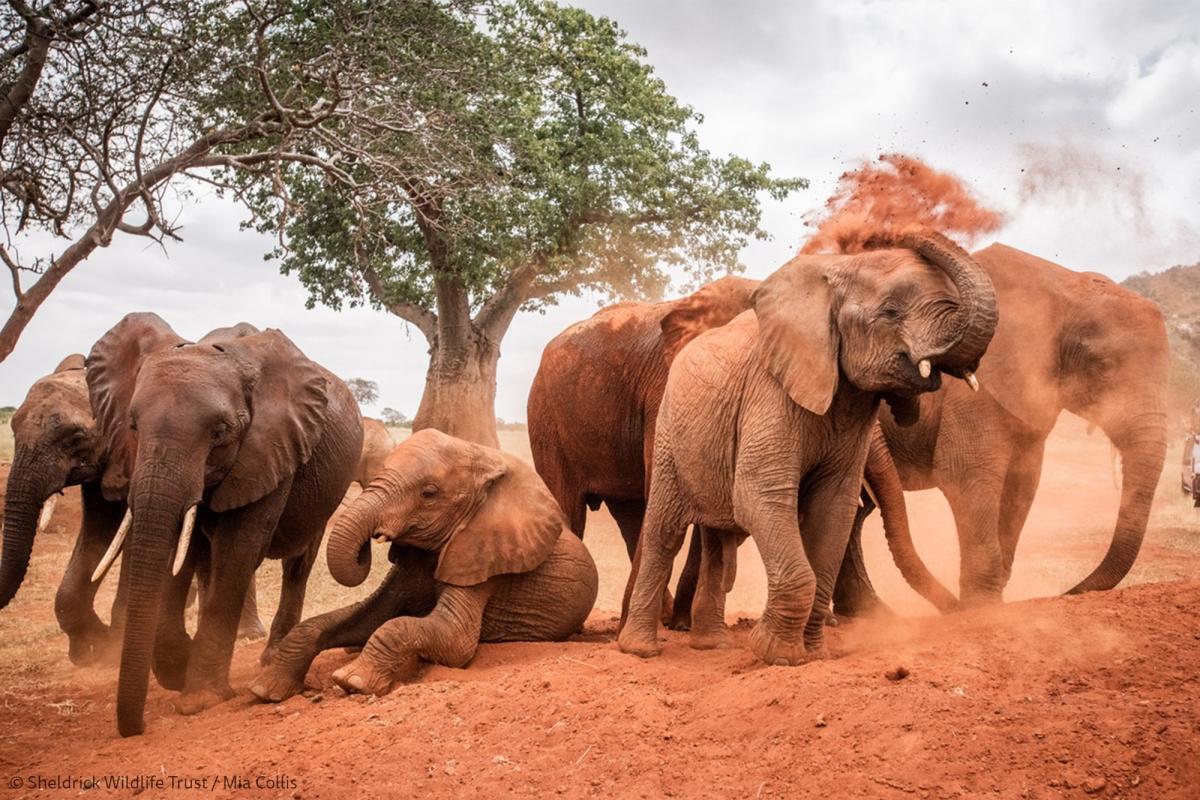
Like the rest of the Tsavo ecosystem, Tsavo West is known for elephants stained red by the park's volcanic soil, along with lion, buffalo and substantial plains game populations. Several lodges are built directly over floodlit waterholes, letting guests watch animals come to drink after dark without leaving camp, and the Ngulia Hills area is regarded as one of the more reliable spots in Kenya for leopard sightings. Birdlife is similarly rich, with more than 600 species recorded across the Tsavo ecosystem, from birds of prey along the escarpments to waterbirds gathered around Mzima Springs and the park's seasonal pans. Cheetah and the shy fringe-eared oryx also turn up on the park's more open ground, particularly toward the Tsavo East boundary. Vegetation shifts noticeably across the park, from dense bush near the springs to open plains further north, a range that suits smaller specialists such as dik-dik and gerenuk alongside the bigger game.
Tsavo West lies within reach of both Nairobi and the coast, and its position makes it a natural pairing with Tsavo East on longer itineraries. Most visitors enter through the Chyulu, Tsavo or Mtito Andei gates, roughly four to five hours from Nairobi or two to three hours from Mombasa depending on the route used. Some itineraries also link Tsavo West with Amboseli National Park further north, since both parks share views of Kilimanjaro despite sitting in different watersheds. The 3-Day Tsavo East & Tsavo West Safari covers both halves of the ecosystem from either starting point, giving travelers a sense of the full range of terrain in a single trip.
Dry months from June to October and January to February bring animals closer to Mzima Springs and other permanent water sources, improving sightings around the park's fixed waterholes. On clear mornings during these drier stretches, Kilimanjaro is sometimes visible from Poacher's Lookout near Roaring Rocks, a bonus that depends entirely on weather and cloud cover.