
Free Cancellation
-high.jpg&w=1920&q=75 "Classic Uganda 5 Days Bwindi and Queen Elizabeth Adventure Safari")
-high.jpg&w=1920&q=75 "16 Days Wild Uganda Safari")
-high.jpg&w=1920&q=75 "5 Days Uganda Gorillas and Wildlife Game Drive")
-high.jpg&w=1920&q=75 "5 Days Gorilla and Chimpanzee Trekking")
-high.jpg&w=1920&q=75 "4 Days Gorillas and Lake Bunyonyi Safari")
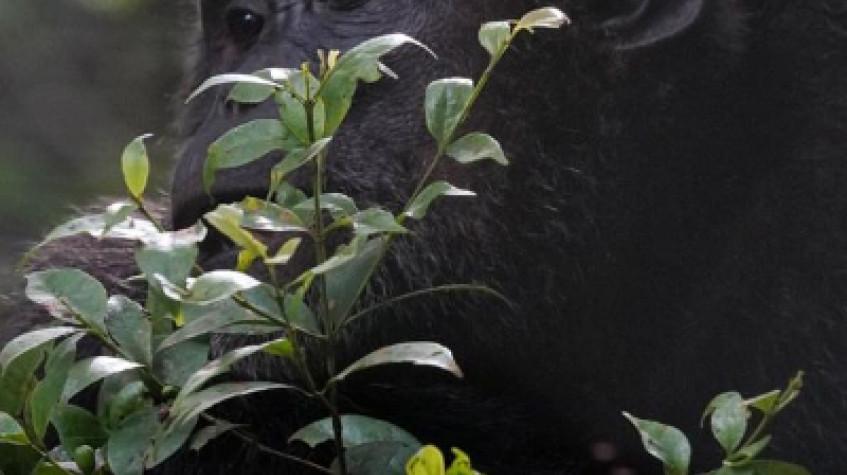
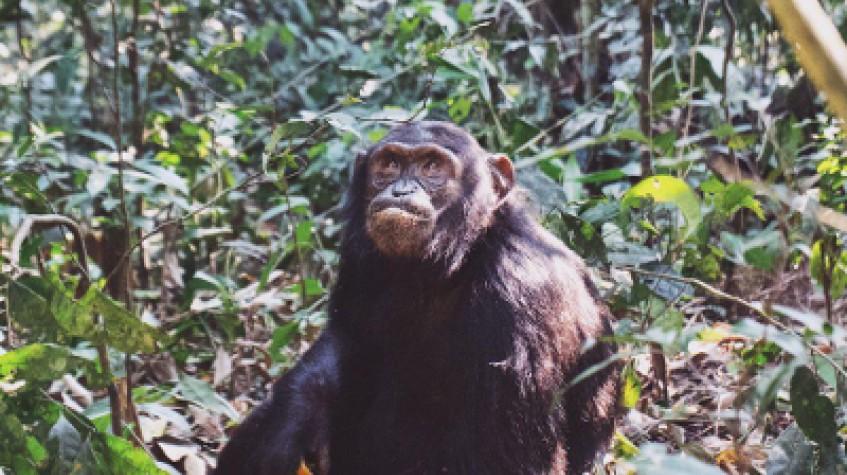
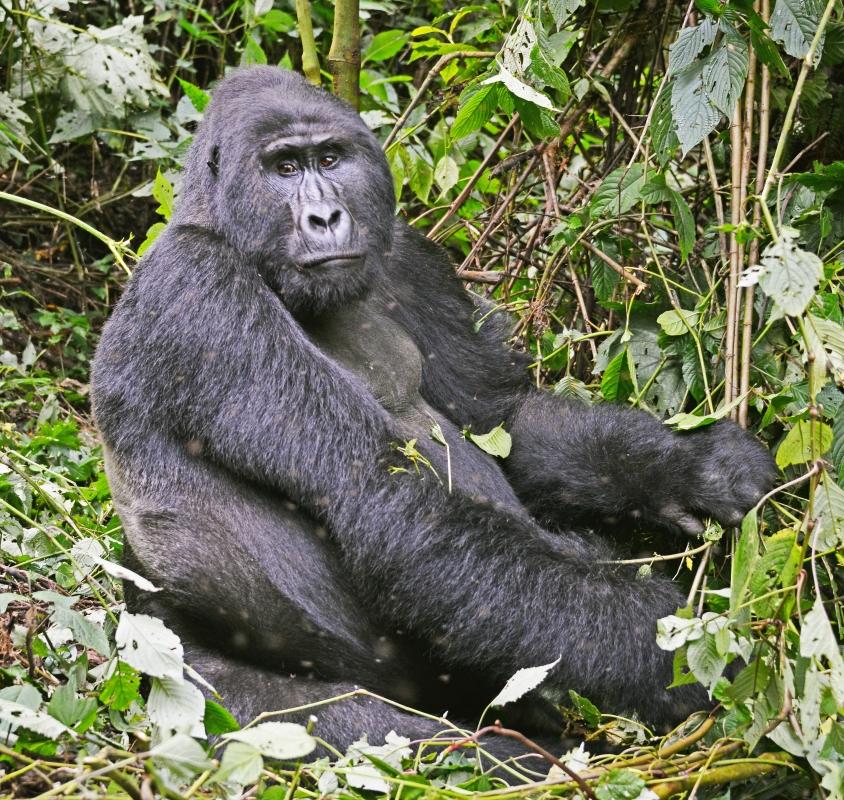
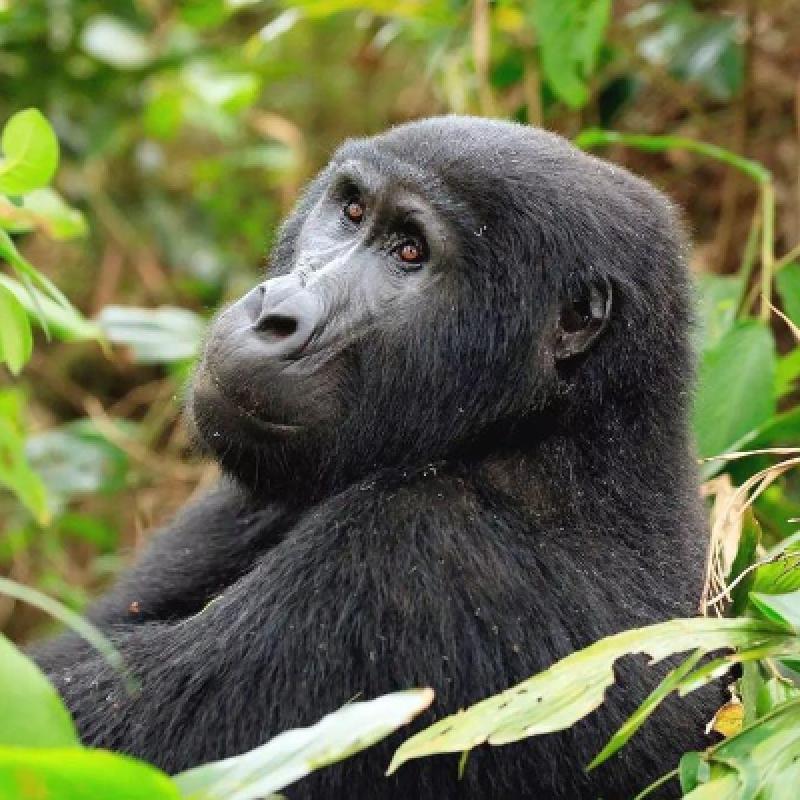
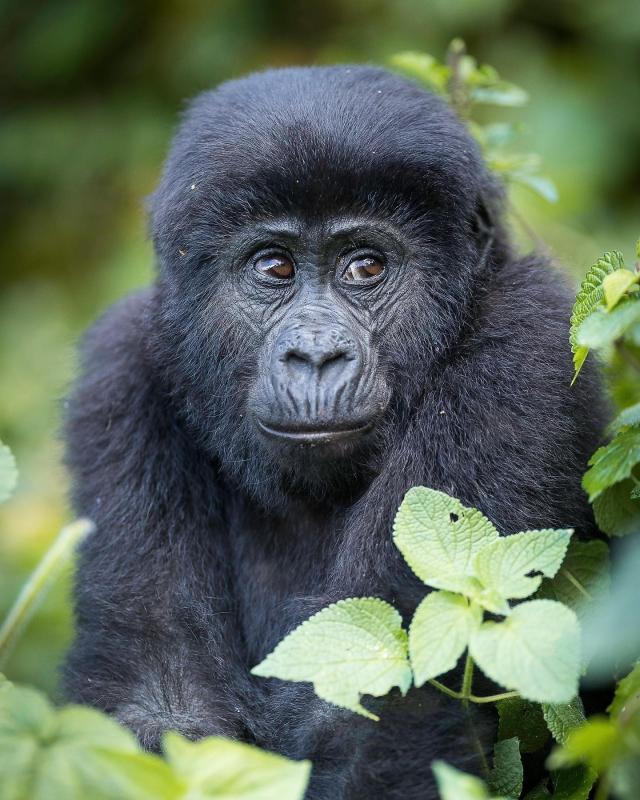
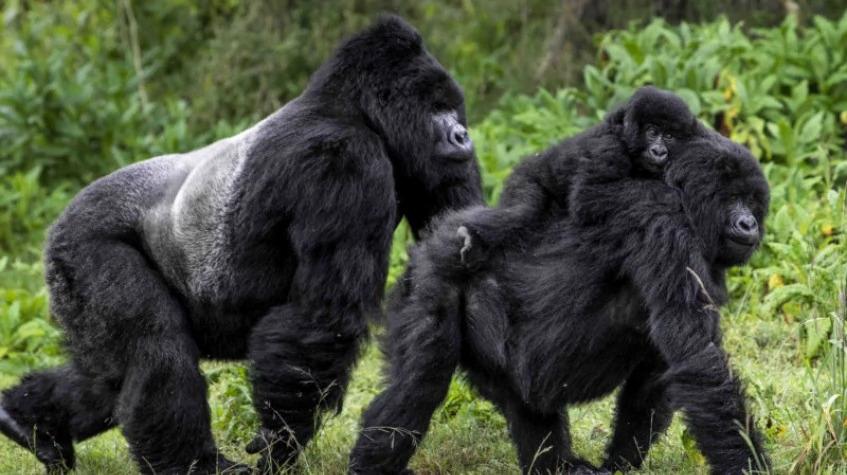
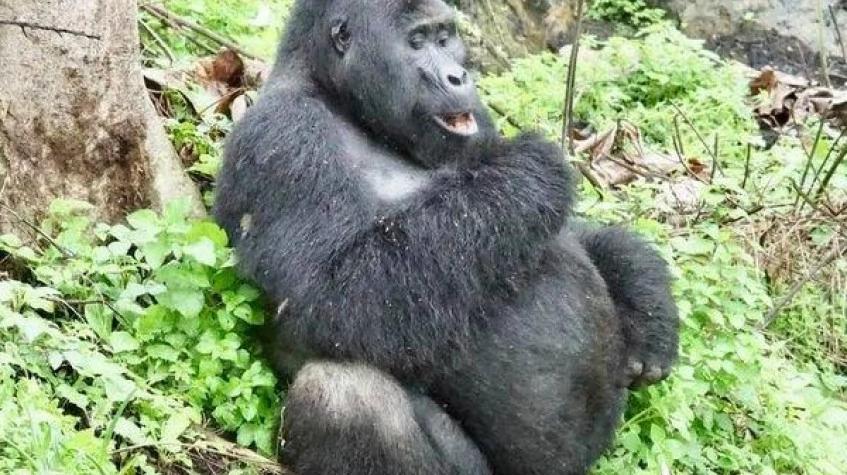
Bwindi Impenetrable Forest sits in the extreme southwest of Uganda, close to the borders with Rwanda and the Democratic Republic of Congo, and anchors the primate-focused end of Uganda tours. The forest is a UNESCO World Heritage Site and holds roughly half of the world's remaining mountain gorillas, making it the single most reliable place on the planet to see them in the wild.
Its terrain covers about 330 square kilometers of steep ridges and valleys, with elevation ranging from around 1,160 to over 2,600 meters. That range produces both montane and lowland forest types inside one protected area, which is part of why the ecosystem supports such dense wildlife. Trails climb through cloud forest in places and drop into thick undergrowth elsewhere, so a single day's trek can pass through several distinct habitats.
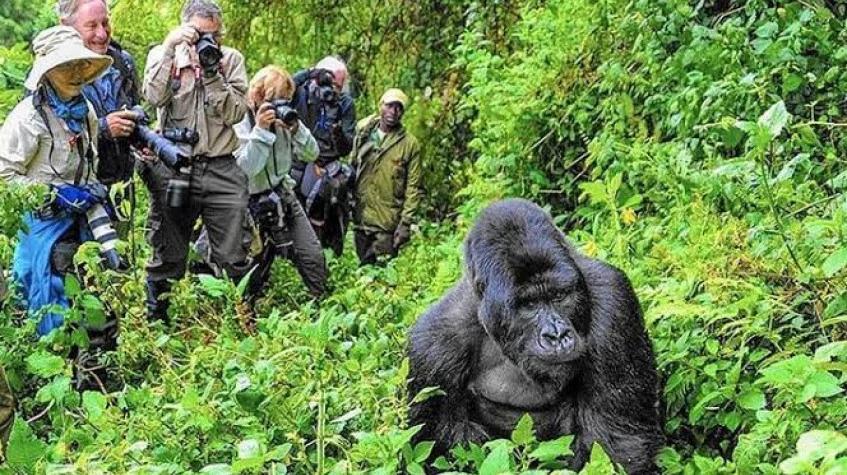
Permits are issued by the Uganda Wildlife Authority and assigned to one of four trekking sectors: Buhoma in the north, Ruhija in the east, and Rushaga and Nkuringo in the south. Each sector tracks separate habituated gorilla families, and the length of a trek depends on where that family happens to be feeding, which can mean anywhere from one to several hours of hiking on steep, often muddy trails before the group is located.
Only eight visitors may track a single gorilla family per day, a limit set by the Uganda Wildlife Authority to reduce stress on habituated groups, so encounters stay small no matter which sector a trip books into. Rangers and trackers lead every group and generally allow one hour with the gorillas once they are found. Rushaga also offers gorilla habituation permits, which give a smaller group up to four hours with a family that researchers and rangers are still acclimating to human presence, alongside the trackers who monitor them daily.
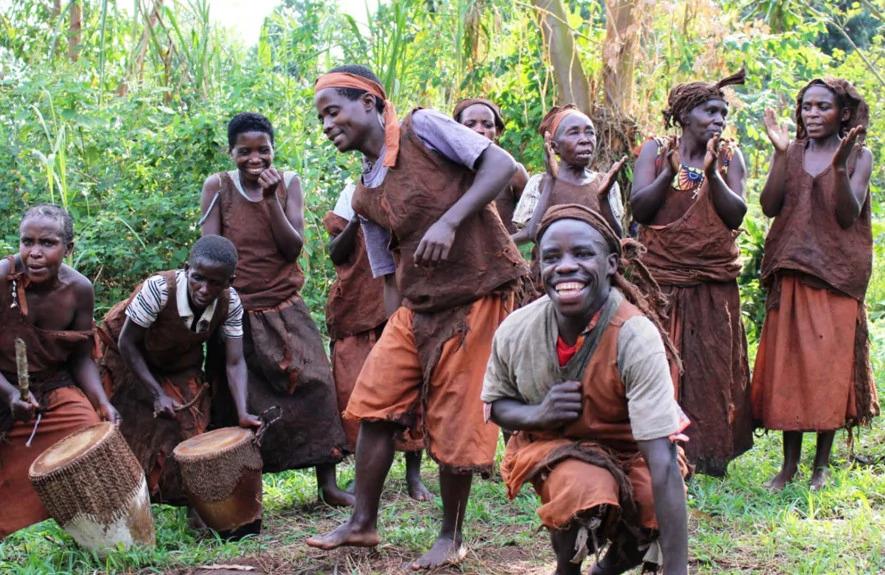
Before Bwindi became a national park in 1991, the Batwa lived inside the forest as hunter-gatherers for generations. Relocation when the park was gazetted left many Batwa settled on its edges, and several communities now lead forest walks that cover traditional hunting techniques, medicinal plants and music, adding a cultural layer to itineraries built primarily around gorilla trekking. Some communities also demonstrate traditional hut construction and fire-making, giving visitors a picture of forest life before the park existed.
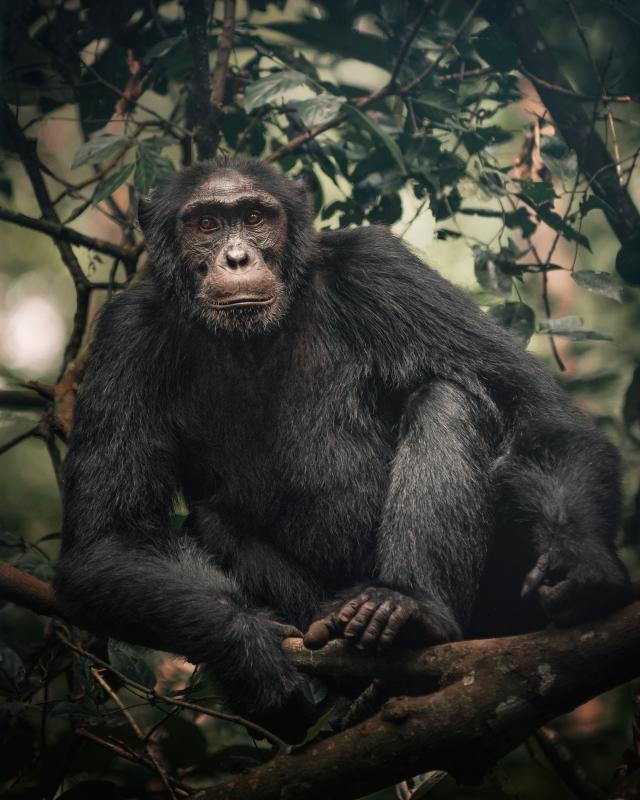
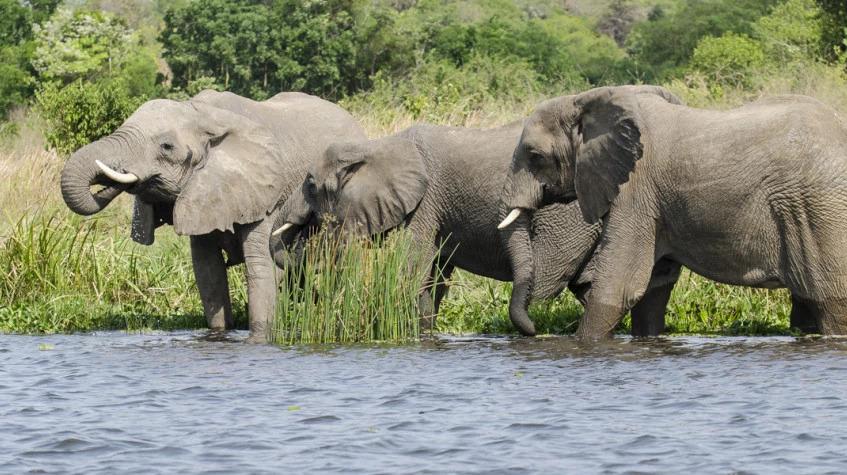
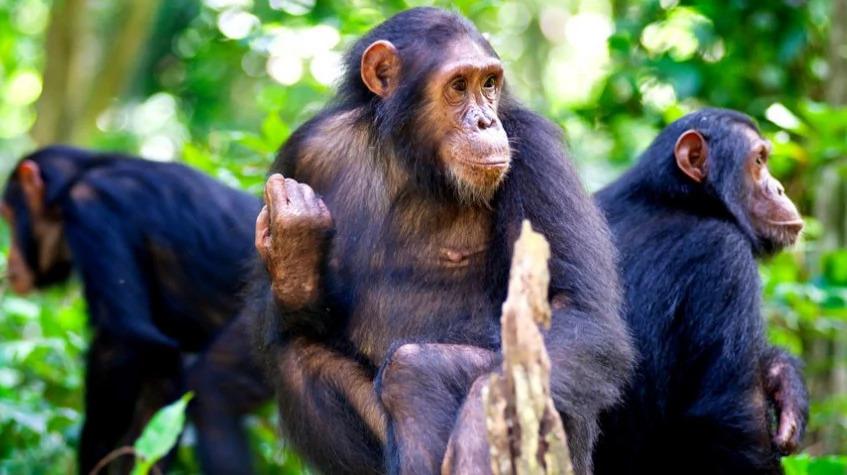
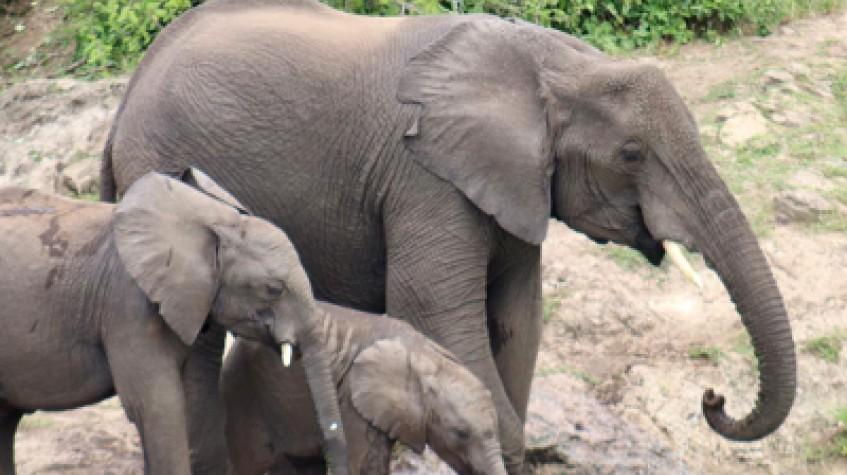
More than 350 bird species have been recorded in Bwindi, including a number of Albertine Rift endemics found in only a few other forests in the region, which draws dedicated birdwatchers alongside primate trekkers. Forest elephants, several other monkey species and a notably large butterfly population round out the park's wildlife, and shorter nature walks near Buhoma or along the Munyaga River offer a way to experience the forest without a gorilla permit.
Several hundred tree species and a similarly large number of ferns grow across Bwindi's afromontane and lowland zones, a mix that reflects the park's wide elevation range. The name Bwindi is often translated as impenetrable, a reference to how dense the undergrowth becomes away from the maintained trails, where visibility can drop to only a few meters in places.
Near the Nkuringo and Rushaga trailheads, Lake Mutanda offers a quieter stop before or after trekking, with canoe trips across the water toward views of the Virunga volcanoes farther south. Several lodges in the area use the lake as a base, giving trekkers a low-effort way to spend a rest day near Bwindi without adding another long drive.
Bwindi sits at the edge of the wider Virunga conservation landscape that spans Uganda, Rwanda and the Democratic Republic of Congo, an area that holds the entire global population of mountain gorillas split between Bwindi and the Virunga volcanoes. Coordinated management across the three countries has supported the species' slow recovery from earlier population lows, a rare conservation success story among the world's great apes.
Lodges cluster around each trekking sector rather than in a single town, so accommodation usually matches the sector a permit is booked into. Buhoma has the longest-established cluster of lodges and the widest range of prices, while Rushaga and Nkuringo have grown smaller sets of camps to serve the southern sectors, keeping the drive to the trailhead short on the morning of a trek.
There is no airstrip inside the forest itself, so most visitors fly into Kihihi or Kisoro from Entebbe and cover the final stretch by road, or drive the full distance from Kampala, a journey of roughly eight to nine hours. Many itineraries break up that transfer by routing through Queen Elizabeth National Park, pairing a game drive with the trip south. Which sector a trip books into often depends on this routing, since Buhoma sits closer to Queen Elizabeth while Rushaga and Nkuringo connect more directly toward Rwanda.
Bwindi currently has 42 tours built around it, ranging from short two- and three-day gorilla treks to longer circuits combining the forest with other parks in the southwest. The 3 Days Gorilla Trekking in Bwindi & Community Batwa tour combines a gorilla trek with a Batwa cultural visit, covering both sides of the park in a short trip.
Trekking runs throughout the year, though the two dry seasons, from June to September and December to February, bring firmer trails and generally easier hiking. Rain during the wetter months tends to fall in short spells rather than continuously, so trekking is still possible, just muddier and sometimes slower going.