
-high.jpg&w=1920&q=75 "Taco Attack - Taco Tour Cancun Mexico / Tacos & Tequila taste")
Free Cancellation
--(11)-high.jpg&w=1920&q=75 "Brewery Tour / Craft Beer Tasting Cancun Mexico")
-high.jpg&w=1920&q=75 "Ek-Balam Odyssey: Cenote Hunting & Valladolid Private Tour")
-high.jpg&w=1920&q=75 "Chichen Itza Maravilla, Cenote & Valladolid Private Full-Day Tour")
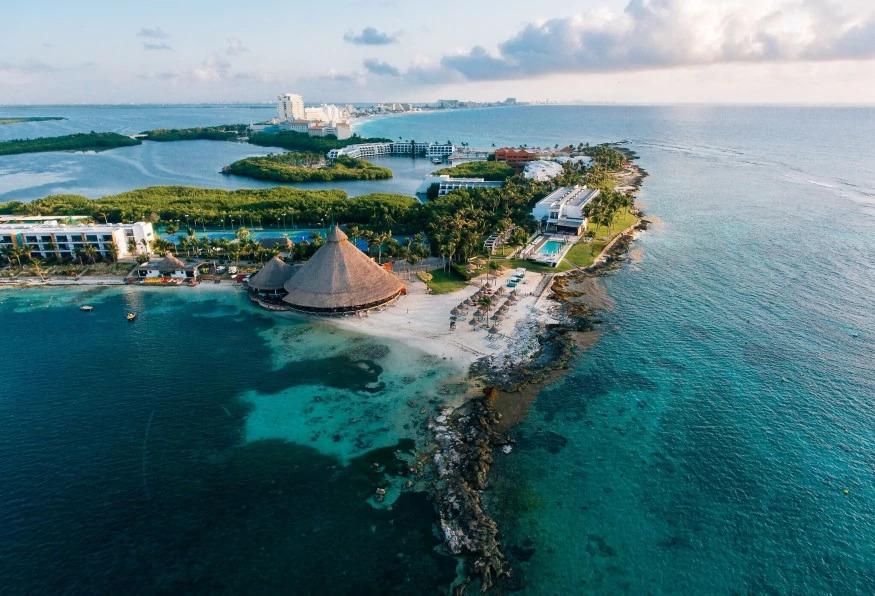
Cancun sits on the northeastern tip of Mexico's Yucatan Peninsula, where the Caribbean Sea meets miles of white sand and a barrier reef system that runs along much of the coast. The city split decades ago into two distinct areas: a downtown district with local markets, taquerias and everyday Mexican life, and the Hotel Zone, a narrow strip of land between the sea and the Nichupte Lagoon lined with resorts and beach clubs. Tours based here reach far beyond the beach, covering ruins, cenotes and islands across the Yucatan through our Mexico tours.
Visitors typically divide their stay between the shoreline and excursions inland or along the coast. Cancun's airport is the main gateway for the Riviera Maya, making it a practical base for reaching Tulum, Playa del Carmen and the ancient cities scattered across the peninsula. Warm water, calmer waves on the lagoon side and a long dry season keep the region busy with travelers for much of the year.
The Hotel Zone forms a curved island connected to the mainland by two bridges, with beaches facing the open Caribbean on one side and the calmer lagoon on the other. Playa Delfines offers one of the few public access points with wide open sand and stronger surf, while the beaches fronting the resorts tend to be calmer and better suited to swimming with children. Public buses and taxis run the length of the strip, so getting between beach clubs, restaurants and the marina rarely requires a car.
Underwater, the Mesoamerican Reef, the second largest barrier reef system in the world, brings snorkelers and divers within a short boat ride of the shore. Several protected sections lie just off the Hotel Zone and nearby Isla Mujeres, with visibility and coral health improving the farther visitors travel from the busiest beaches.
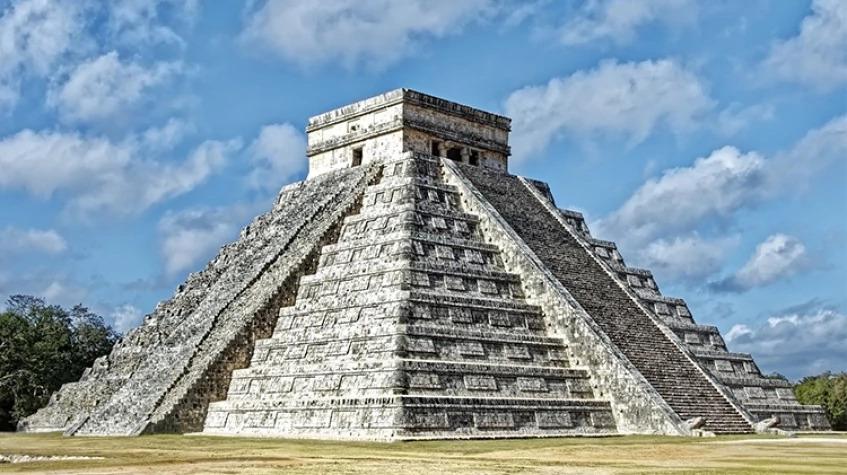
Cancun works as a base for reaching some of the most documented Mayan sites in Mexico. Chichen Itza, a UNESCO World Heritage Site and home to the step pyramid of Kukulkan, lies roughly two and a half hours inland and draws day-trippers throughout the year. Guided visits usually include time at the main plaza, the observatory and the ball court, along with background on the astronomical alignments built into the site.
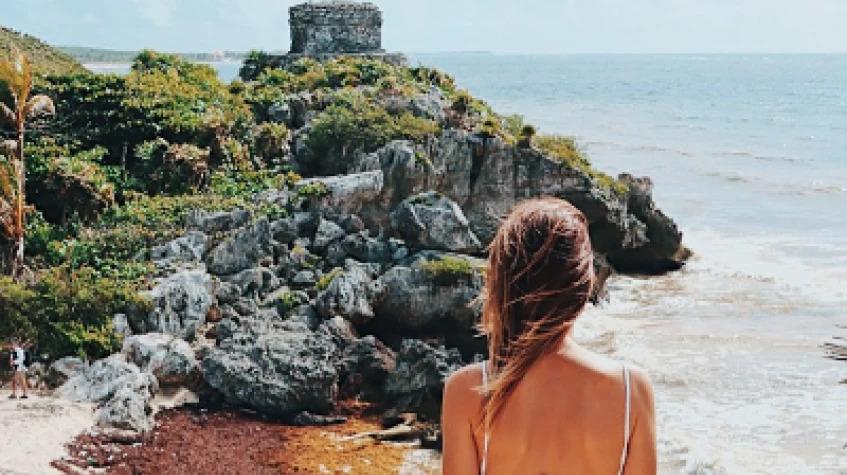
Closer to the coast, Tulum's ruins stand on a cliff directly above the Caribbean, one of the only Mayan cities built facing the sea, while Coba offers climbable structures set among jungle trails and can be reached by rented bicycle within the site. Both sit within a shorter drive than Chichen Itza, making them easier to pair with an afternoon at the beach.
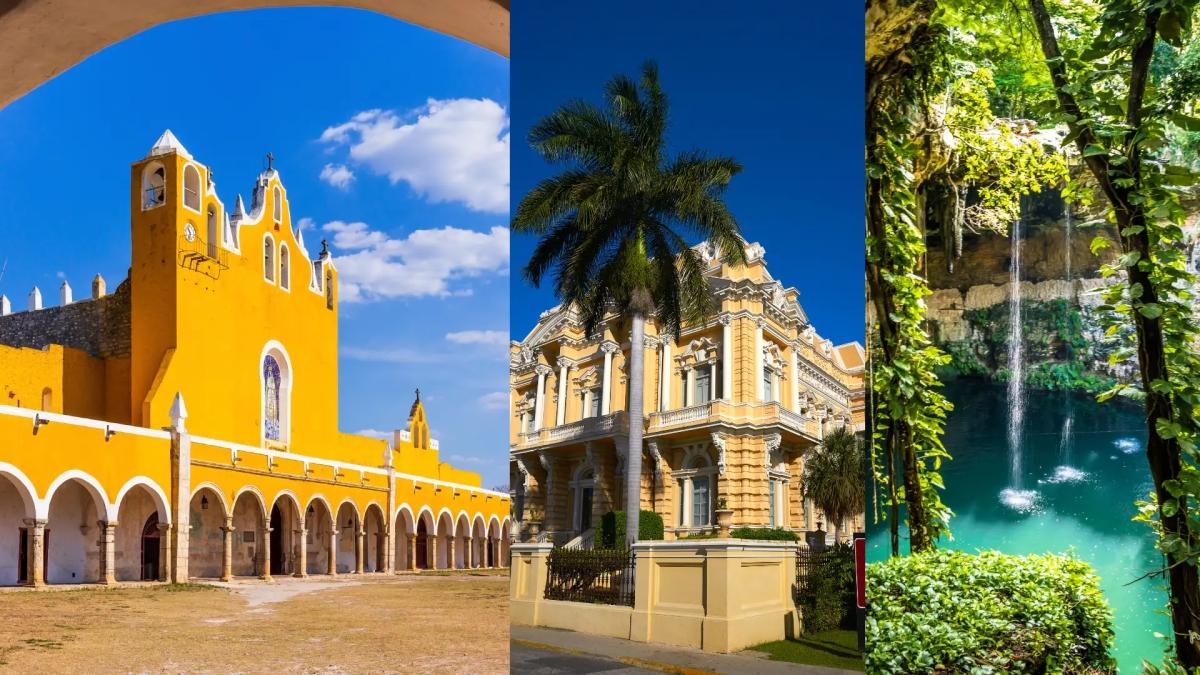
The Yucatan Peninsula has almost no rivers on the surface; instead, water collects in cenotes, natural sinkholes formed where limestone bedrock has collapsed into underground rivers. Many lie within an hour or two of Cancun and are open for swimming, snorkeling and diving in clear fresh water, with some enclosed in caves and others open to the sky. Guides at the larger cenotes explain the geology of the region and the role these sinkholes played as freshwater sources for the ancient Maya.
Offshore, the Museo Subacuático de Arte places hundreds of sculptures on the seabed near Isla Mujeres, combining the reef ecosystem with an underwater gallery accessible to snorkelers and divers at different depths. The installation also serves a practical purpose, drawing coral growth away from more fragile sections of the natural reef.
Cancun's food scene ranges from beachfront seafood restaurants to the taco stands and markets of the downtown zone, where tequila and mezcal tastings are common alongside street food outings. Small-group experiences such as the Taco Attack taco tour introduce visitors to local taquerias and drink pairings away from the resort strip, a useful counterpoint to the all-inclusive dining most travelers experience in the Hotel Zone.
Downtown markets also sell handicrafts, spices and produce from across the region, giving a sense of daily life in Cancun that the beachfront rarely shows. Evenings in this part of the city tend to be quieter and less geared toward tourists than the clubs and lounges along the Hotel Zone strip, with family-run restaurants serving regional Yucatecan dishes such as cochinita pibil alongside the more familiar tacos and ceviche.
Isla Mujeres, a narrow island a short ferry ride from Cancun or Puerto Juarez, offers a slower pace than the mainland, with golf carts as the main form of transport and beaches such as Playa Norte known for shallow, calm water. Catamaran and speedboat trips to the island often include stops for snorkeling along the way, combining reef time with a few hours on the island itself, and some operators add an open bar or a stop at a turtle sanctuary near the island's southern point.
Further south, Isla Holbox sits outside the main Hotel Zone circuit and requires a longer transfer, but it draws visitors for its car-free streets and, in season, the chance to swim alongside whale sharks offshore. Both islands give travelers based in Cancun an easy way to add a slower, low-key day to an itinerary otherwise built around ruins and reef excursions, and both are reachable without an overnight stay for those working within a single vacation week.
Most travelers pair a handful of half or full-day excursions with time simply spent at the beach or pool, rather than filling every day with organized touring. Ruin sites and cenotes are generally easier to reach in the morning, both for cooler temperatures and to stay ahead of the largest tour groups, while afternoons work well for the beach or a return to the Hotel Zone. Because distances across the Yucatan can run several hours each way, grouping nearby stops on the same day, such as a cenote with Tulum or a colonial town with Chichen Itza, makes for a more comfortable schedule than treating each site as a separate trip.