
Free Cancellation
-high.jpg&w=1920&q=75 "Taco Attack - Taco Tour Cancun Mexico / Tacos & Tequila taste")

--(11)-high.jpg&w=1920&q=75 "Brewery Tour / Craft Beer Tasting Cancun Mexico")
-high.jpg&w=1920&q=75 "Private Los Cabos Paddle Boarding Tour")



Mexico Tours cover a country of roughly 10,000 kilometers of coastline bordered by the United States to the north and Belize and Guatemala to the south, with a landscape that ranges from the volcanic highlands around Mexico City to the limestone flatlands of the Yucatan Peninsula. Spanish colonial architecture sits alongside the ruins of Maya and Aztec civilizations throughout the country, and most itineraries combine a capital based cultural stop with time on either the Caribbean or Pacific coast. The Aztec civilization dominated central Mexico from the fourteenth century until the Spanish conquest of 1521, while the Maya, centered further south and east in the Yucatan and neighboring Chiapas and Central America, reached their architectural peak centuries earlier, meaning the ruins visited on a single Mexico trip often represent two distinct civilizations rather than one continuous culture.
As part of a wider North America trip or as a standalone Mexico itinerary, tours generally run from four days for a single region to ten days or more for a combined city and beach program such as the 9 Days Mexico City & Beach Tour, which pairs the capital's historic center with a coastal extension.
The capital's Zocalo, one of the largest public squares in the world, sits atop the ceremonial center of the former Aztec capital Tenochtitlan, with the ruins of the Templo Mayor excavated just off the square. The National Palace, the Metropolitan Cathedral and the National Museum of Anthropology, which holds the Aztec Sun Stone among its collection, are standard stops for a first visit, along with the canals of Xochimilco on the city's southern edge.
Less than an hour from central Mexico City, Teotihuacan was one of the largest cities in the pre Columbian Americas at its height, though the identity of its builders remains debated among archaeologists. The Pyramid of the Sun and the Pyramid of the Moon, connected by the Avenue of the Dead, make it a standard day trip on nearly every capital based itinerary.
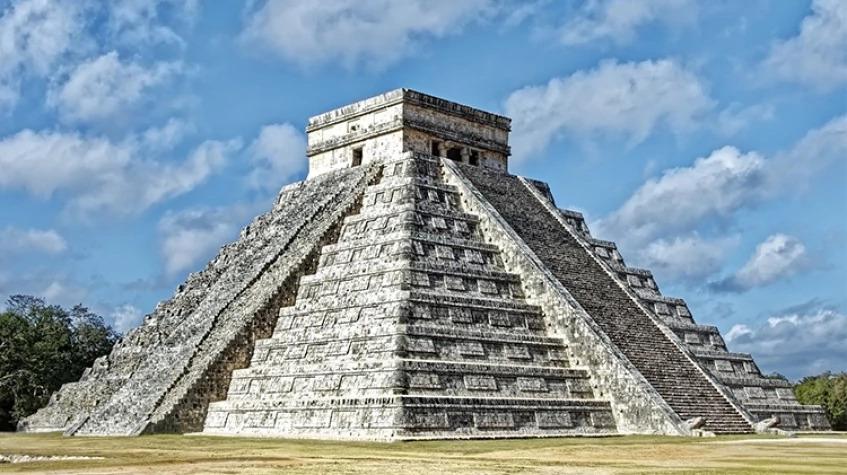
Chichen Itza, named one of the New Seven Wonders of the World in 2007, was a major Maya political and religious center between the ninth and thirteenth centuries. Its central pyramid, El Castillo, is aligned so that the setting sun creates a shadow resembling a serpent descending the staircase during the spring and autumn equinoxes. The site is commonly visited as a day trip from Cancun or the Riviera Maya, roughly two to three hours inland by road.
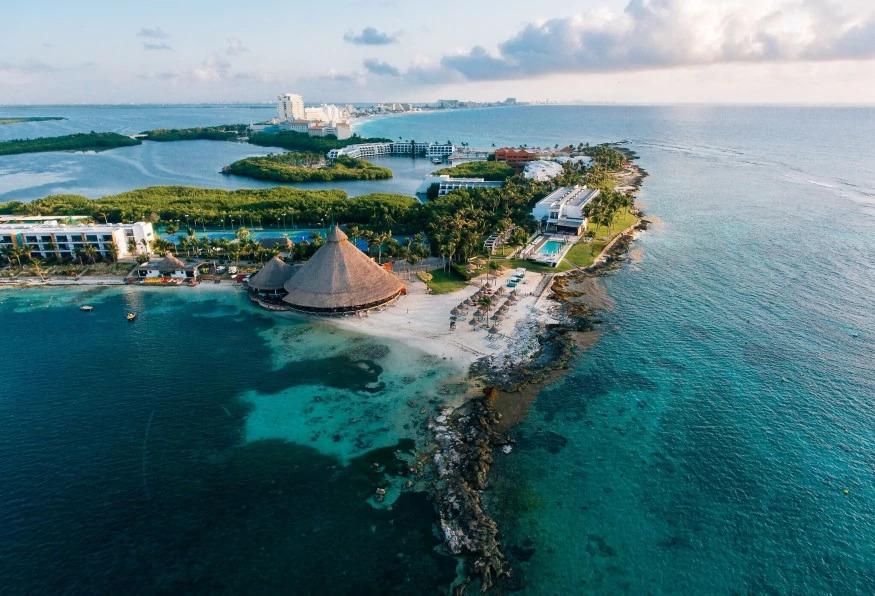
Tulum is unusual among Maya sites for its position directly on the Caribbean coast, with clifftop ruins overlooking turquoise water. Together with Playa del Carmen and the surrounding cenotes, freshwater sinkholes used for swimming and snorkeling, the Riviera Maya offers a beach focused counterpart to the archaeological sites further inland.
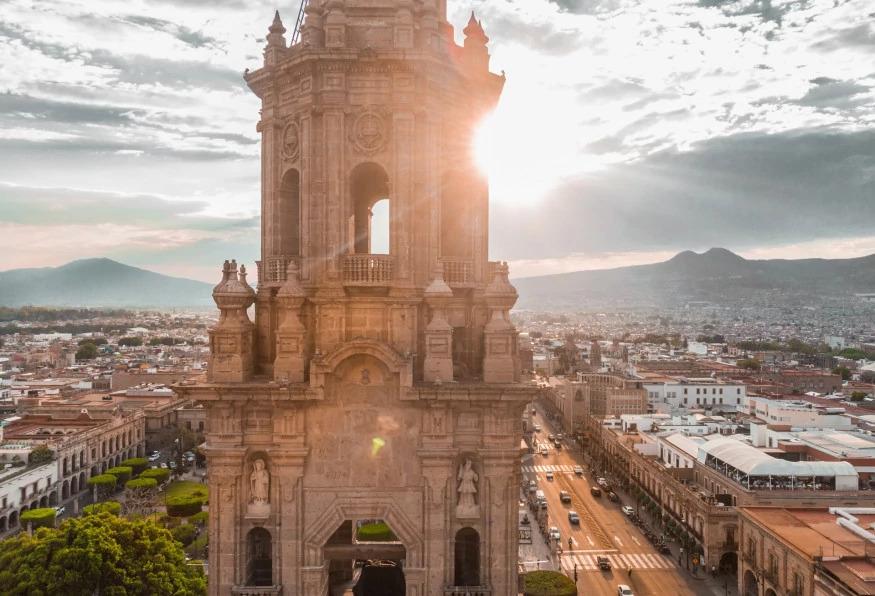
Oaxaca combines a well preserved colonial center with a strong culinary and craft tradition, including mole sauces and mezcal production, along with the nearby ruins of Monte Alban. San Miguel de Allende and Guanajuato, both in central Mexico's colonial heartland, are known for their pastel colored buildings and cobblestone streets and are frequently added to itineraries that focus on Mexico's history beyond the pre Hispanic era.
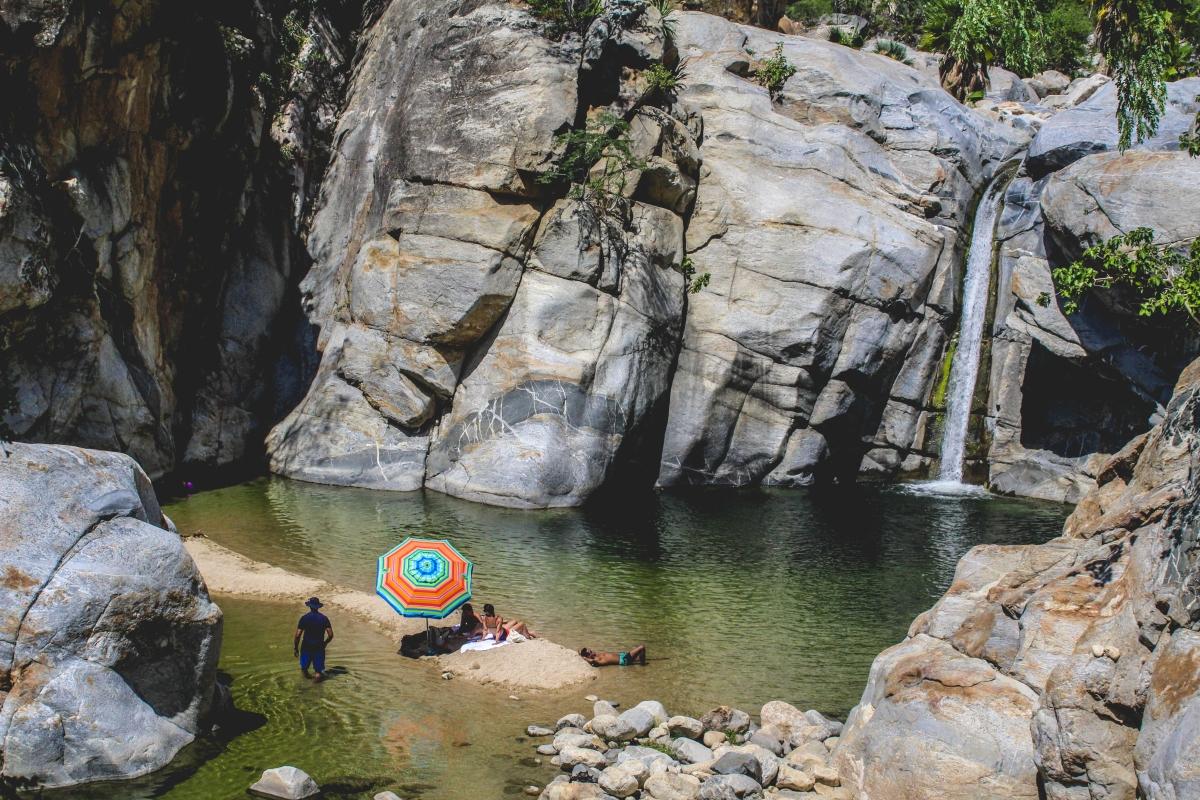
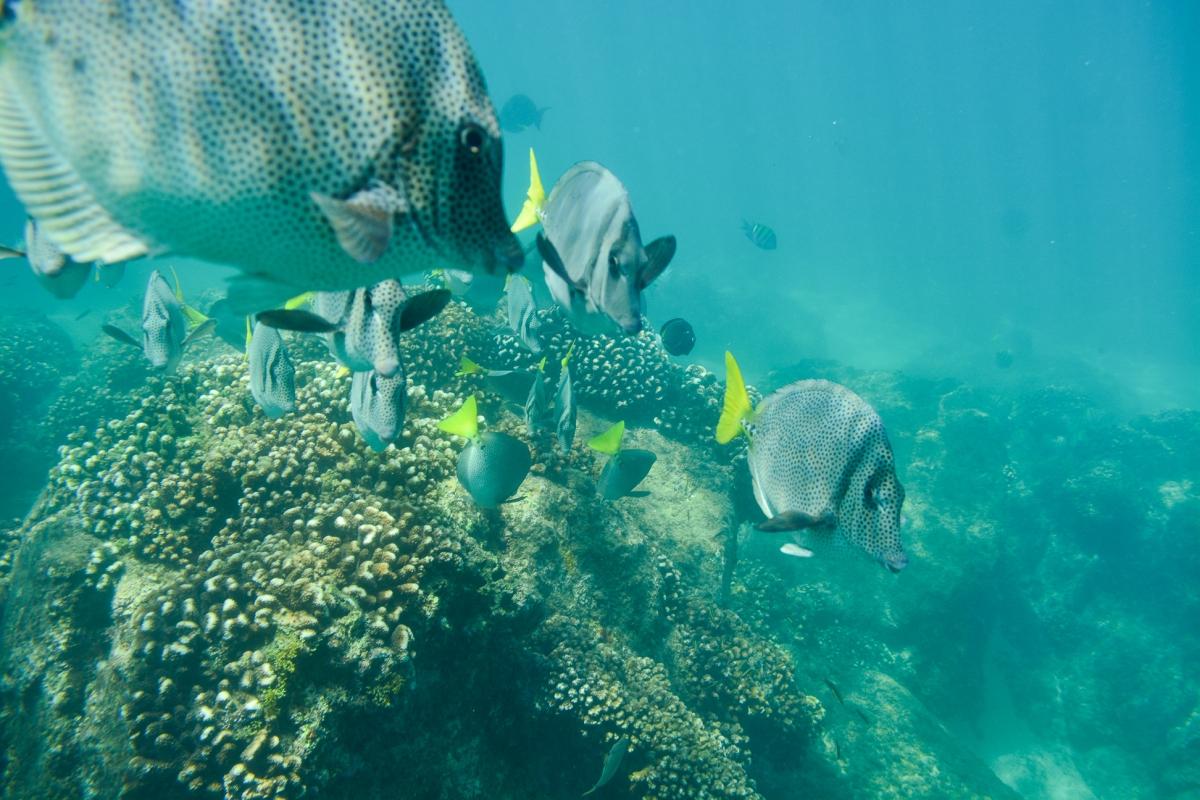
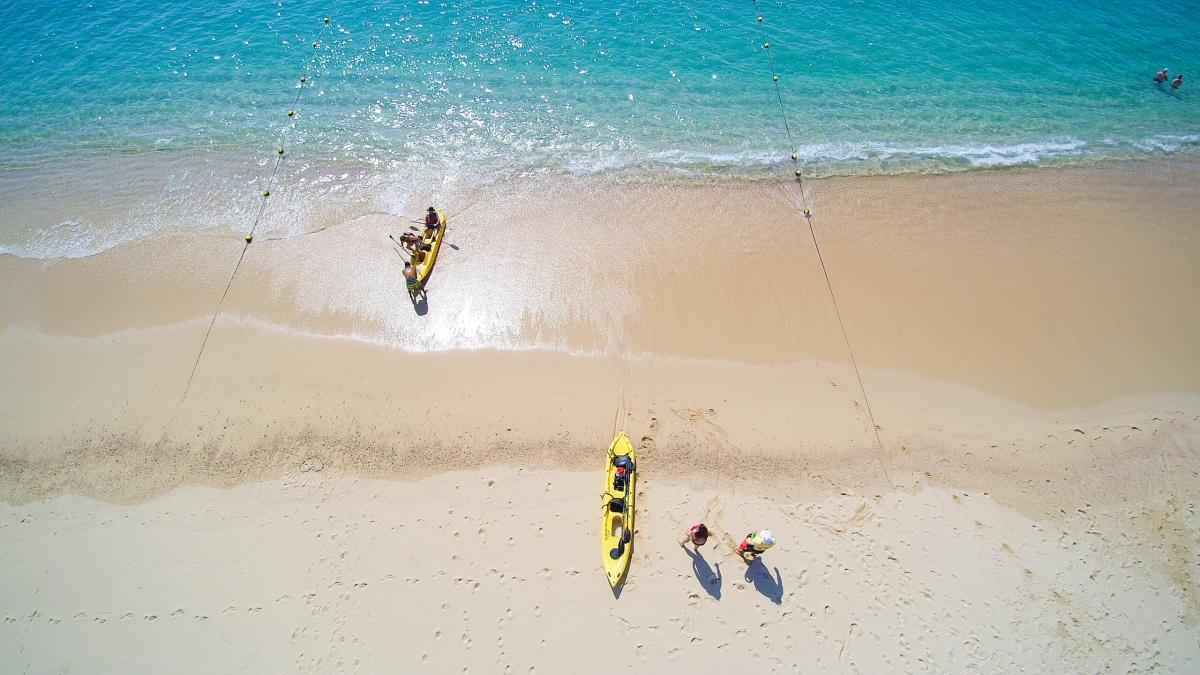
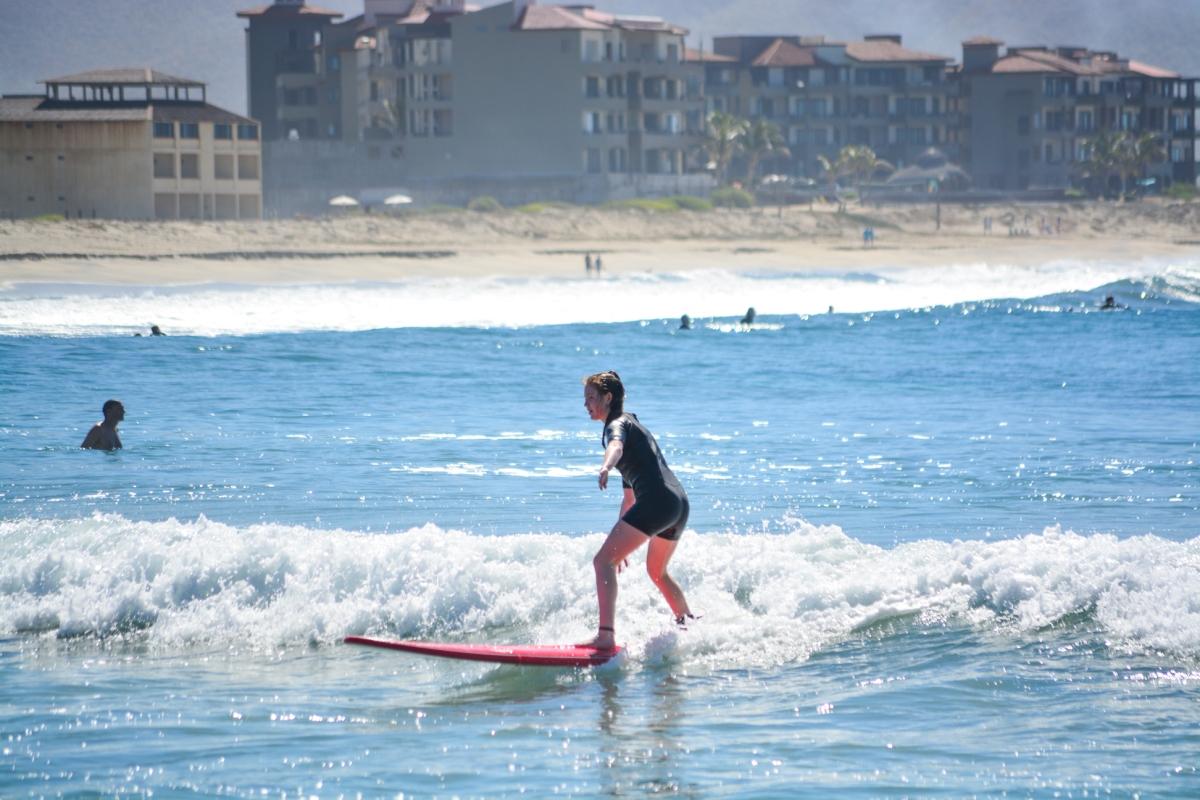
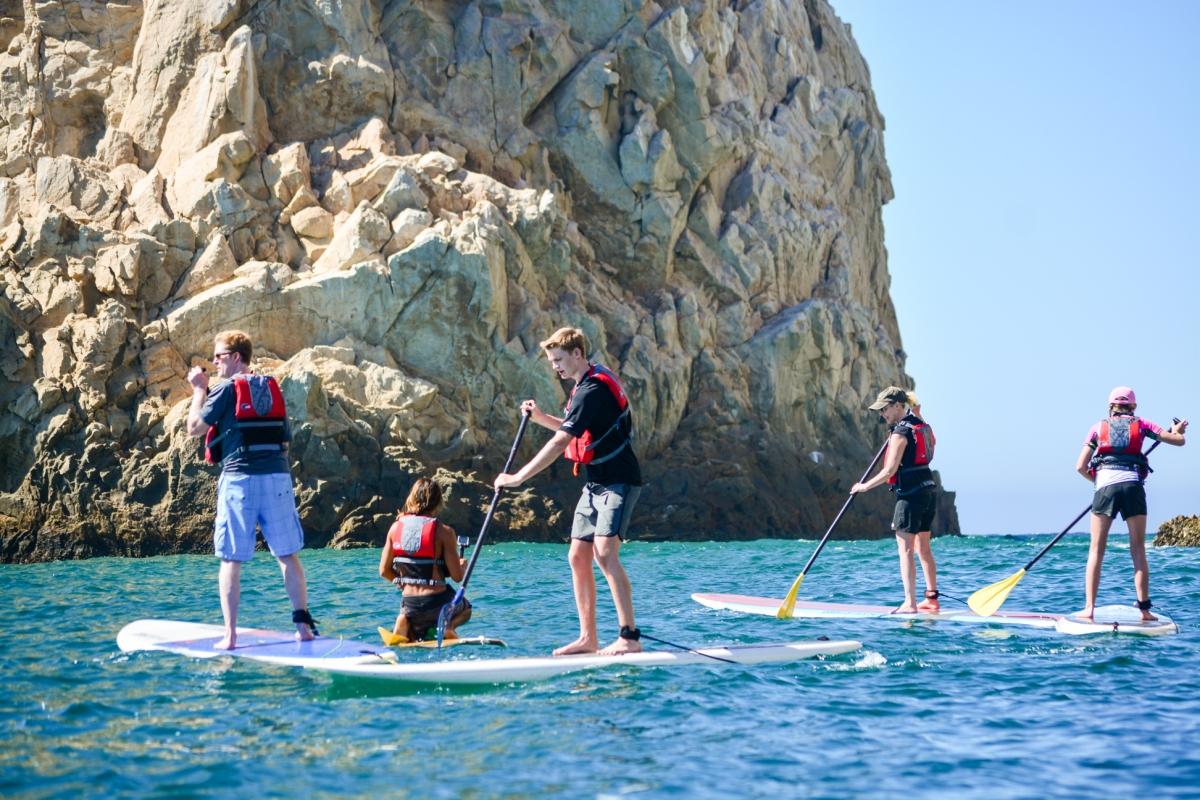
Baja California, a long peninsula separating the Gulf of California from the open Pacific, offers a different itinerary built around Cabo San Lucas, gray whale watching in winter around Guerrero Negro and Los Cabos, and marine life in the Sea of Cortez, which the oceanographer Jacques Cousteau once described as one of the most biologically rich seas on earth. Further south along the Pacific coast, Puerto Vallarta and the beaches of Oaxaca state offer additional coastal options away from the more heavily visited Caribbean side.
In the northern state of Chihuahua, a system of canyons collectively known as Copper Canyon runs deeper in places than the Grand Canyon in the United States. The Chihuahua al Pacifico railway, often called El Chepe, crosses the canyon system on a route of bridges and tunnels built in the twentieth century and remains one of the more distinctive train journeys in North America, passing through territory that is home to the Raramuri, or Tarahumara, indigenous people.
Domestic flights connect Mexico City with coastal and regional destinations quickly, while an extensive long distance bus network, generally comfortable and reliable on major routes, links colonial cities such as Oaxaca, San Miguel de Allende and Guanajuato. Within Mexico City, the metro system is inexpensive and extensive, though many visitors combine it with taxis or ride hailing apps for longer crosstown trips.
Mexican cuisine varies significantly by region, from the moles and tlayudas of Oaxaca to the fresh seafood of the Pacific and Caribbean coasts. Day of the Dead, observed in late October and early November, is among the country's most distinctive cultural traditions, marked by home altars, marigold flowers and cemetery visits, and Oaxaca and Mexico City are both well known for their public observances.
November through April marks the dry season across most of the country and is generally the most comfortable period for both archaeological sites and coastal areas. The rainy season from June through October brings afternoon showers, particularly in the south, along with the Caribbean hurricane season, which peaks between August and October.