
Free Cancellation
-high.jpg&w=1920&q=75 "Explore Montenegro’s Coastal, Historic & Natural Wonders in 3 Days")
-high.jpg&w=1920&q=75 "Jeep Safari in Montenegro: Biogradska Gora National Park and Bjelasica Mountain")
-high.jpg&w=1920&q=75 "Majestic Montenegro Tour : A Journey to Lovcen Mausoleum, Njegusi and Cetinje")
-high.jpg&w=1920&q=75 "19 Days Europe Balkan Countries Tour")
-high.jpg&w=1920&q=75 "21 Day Europe Balkan Combined Tour")
-high.jpg&w=1920&q=75 "16 Days Grand Balkan Countries Tour")
-high.jpg&w=1920&q=75 "23 Days Balkan Countries Combined Tour")
-high.jpg&w=1920&q=75 "24 Days Europe Balkan Countries Tour")
-high.jpg&w=1920&q=75 "13 Days Yugoslavia Long Tour")
-high.jpg&w=1920&q=75 "23 Days Asia Europe and Balkan Countries Tour")
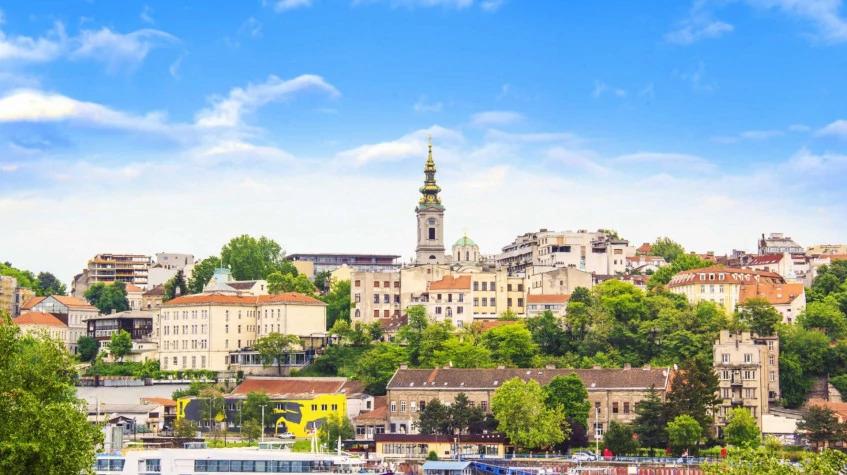
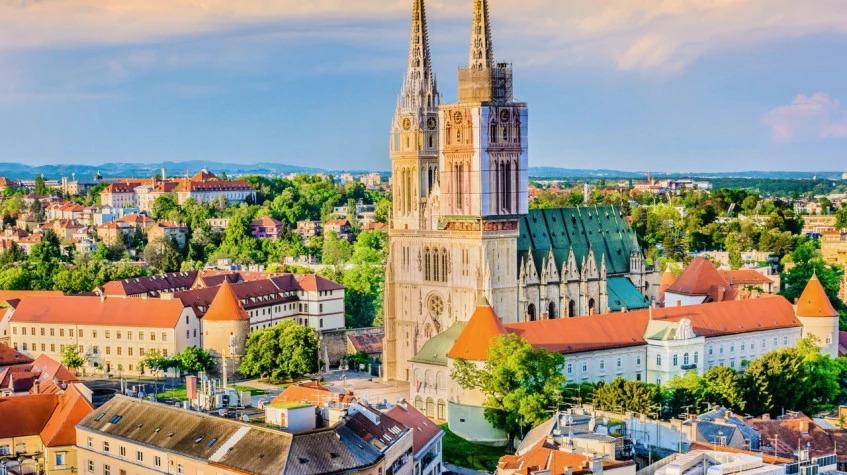
-high.jpg&w=1920&q=75 "Balkan Explorer: 5-Day Journey Through Croatia, Bosnia, Montenegro & Albania")
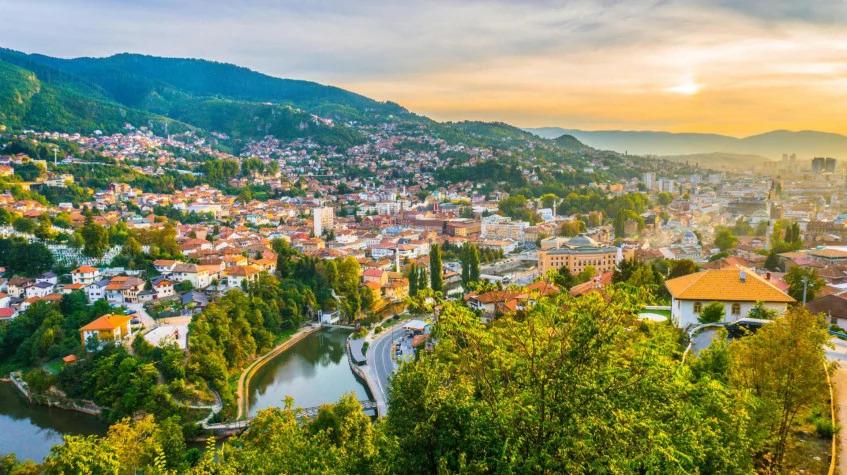
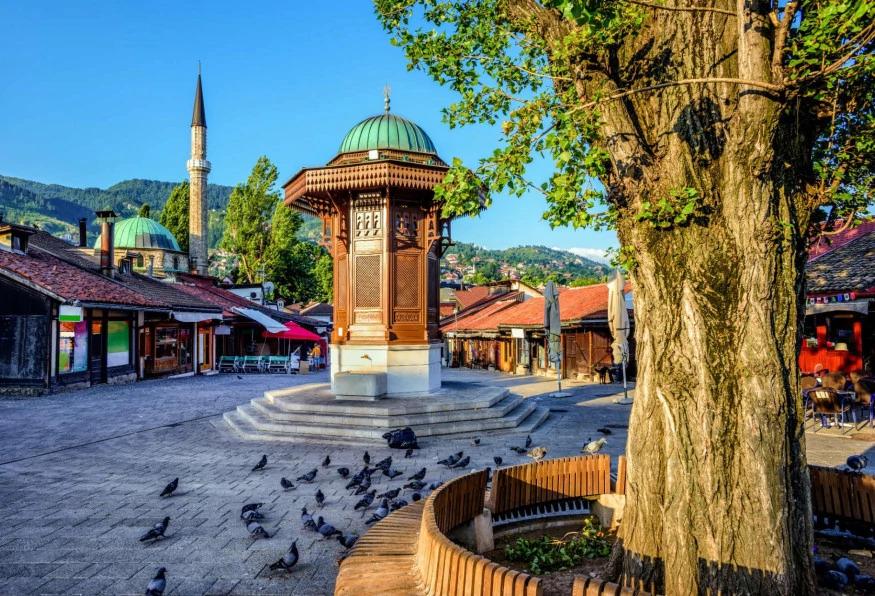
-high.jpg&w=1920&q=75 "7 Days Belgrade Zlatibor Montenegro Tour")
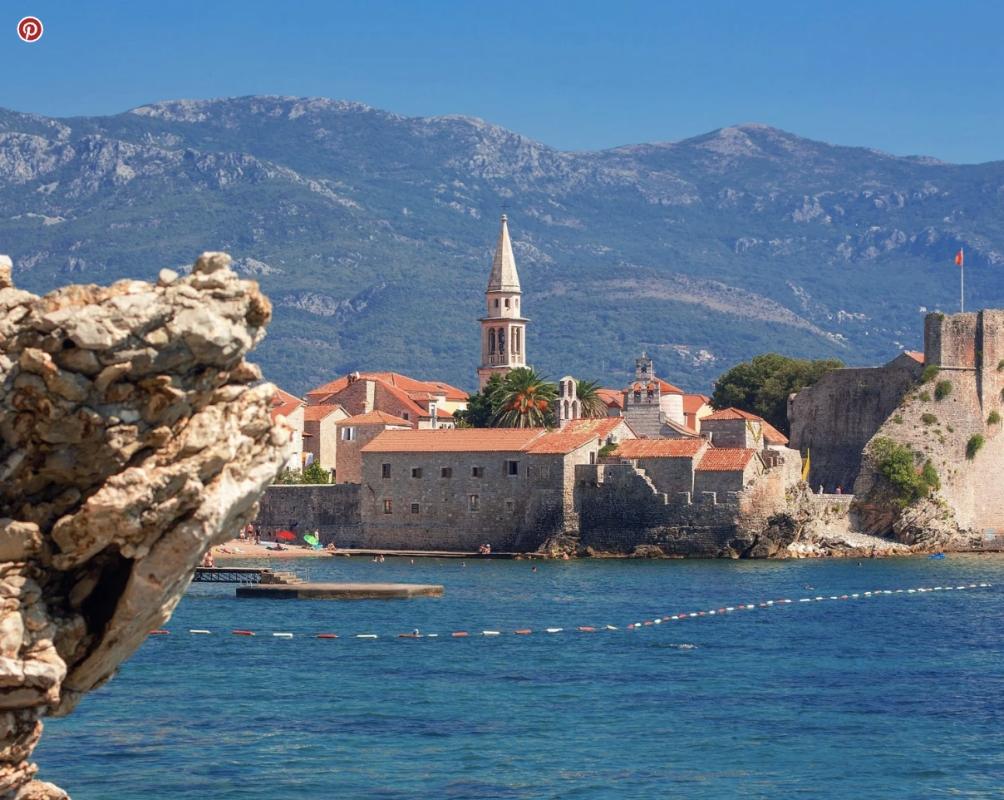
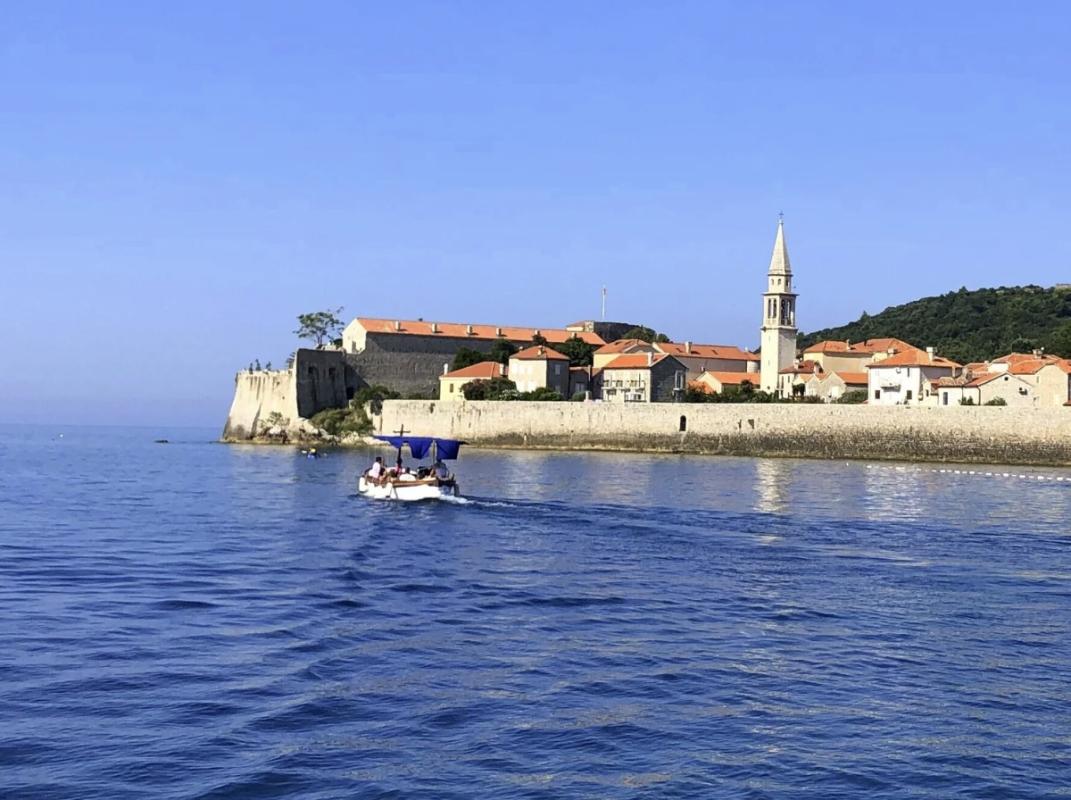
Budva is the oldest town on Montenegro's Adriatic coast, with roots going back some 2,500 years to early Greek and Illyrian settlement. Its walled Old Town occupies a small peninsula jutting into the sea, packed with stone houses, churches and squares that now hold restaurants, shops and the summer crowds drawn to the coast. Tours from Budva reach both the beaches of the Budva Riviera and the mountains inland, part of the wider network of Montenegro tours.
Modern Budva grew into the busiest resort town on the Montenegrin coast, with a summer season that fills its beaches, marina and nightlife venues. Its position partway between Kotor and the beaches of Petrovac and Ulcinj to the south makes it a convenient base for exploring the coastline in either direction, while the Old Town keeps a slower pace once day-trippers head back to their hotels in the evening.
Budva's Old Town sits behind stone ramparts built up over centuries of Venetian and, later, Austro-Hungarian control. Narrow streets open onto small squares such as Njegoševa and the seafront promenade, with the Citadel at the town's tip offering views over the terracotta rooftops and the sea beyond. Inside the walls, a small archive and library occupy part of the fortress, alongside a modest collection tracing the town's Venetian-era trade.
An earthquake in 1979 damaged much of the Old Town, and the subsequent restoration rebuilt many structures using original stone and techniques, which is part of why the walls and squares still read as historic rather than reconstructed. Evening strolls along the ramparts, once the day's cruise and tour groups have left, remain one of the more low-key ways to take in the Adriatic views without the daytime crowds.
The Church of Santa Maria in Punta, consecrated in 840, and the Church of the Holy Trinity stand close together near the walls, marking centuries of continuous use of this small stretch of coastline. Local guides often work the layered history of these buildings into short walks that cover the entire Old Town in an hour or two.
Just outside the walls, Mogren Beach splits into two coves separated by a rock tunnel, popular for swimming in clear water close to the Old Town. Slovenska Plaza runs along the main hotel strip and stays busy through summer, while Jaz Beach, a few kilometers west, offers a longer stretch of sand that has hosted large open-air concerts over the years.
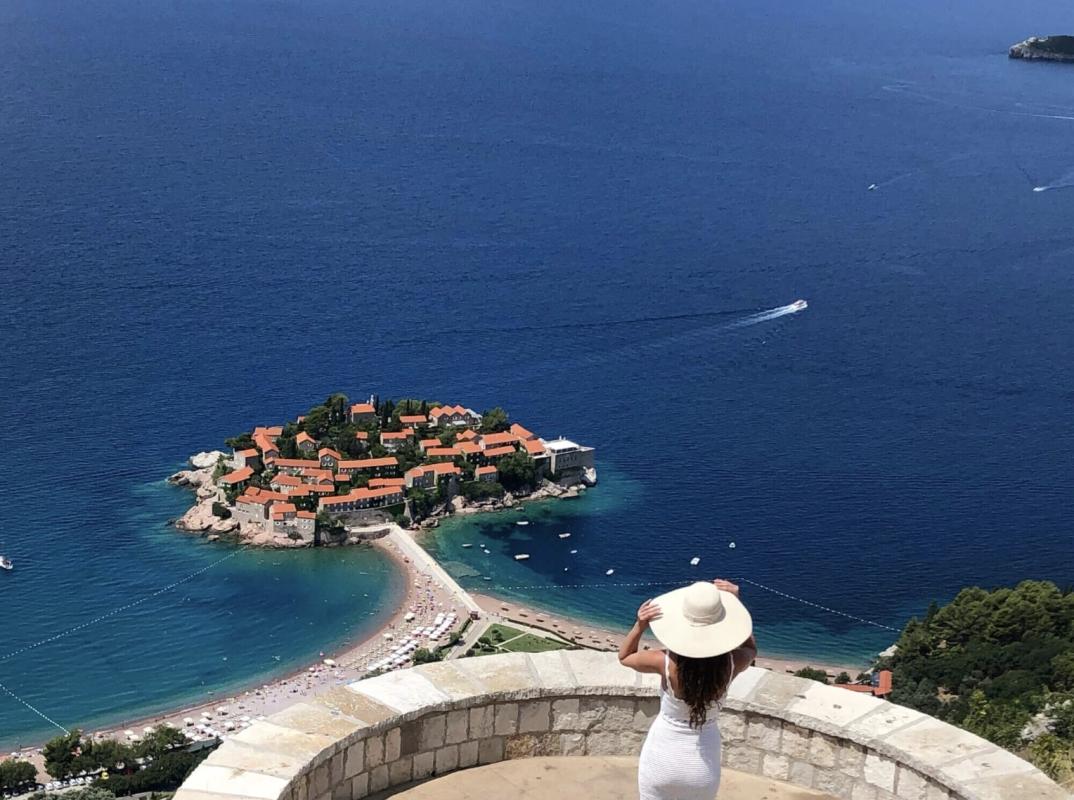
Smaller resort towns such as Bečići and Sveti Stefan sit within easy reach along the same coastal road, each with its own beach and a slightly different pace than central Budva. Many visitors base themselves in Budva and use it as a starting point for exploring these neighboring beaches by taxi, bus or rental car.
Budva was the birthplace of Stefan Mitrov Ljubiša, a 19th-century writer and politician known for recording the customs and speech of the Montenegrin coast in his fiction and essays. Born in the town in 1824, he later served as a lawyer and political figure while continuing to write stories drawn from coastal life, and his work remains part of the region's literary canon today. The town's older houses and museums reflect the same maritime, Adriatic culture he documented, and occasional exhibitions in Budva's small museum spaces touch on his life and on the wider literary history of the coast.
Local guides sometimes point out streets and buildings connected to Ljubiša's family within the Old Town, adding a literary layer to walks that otherwise focus on churches and fortifications. His legacy sits alongside the town's older Illyrian and Greek history as part of the case for Budva's standing as more than a modern beach resort.
Beyond the beaches, Budva serves as a starting point for trips into Montenegro's mountainous interior, a sharp contrast to the coastline just an hour or two away. The Jeep Safari through Biogradska Gora National Park and Bjelasica Mountain takes travelers up into forested terrain and alpine scenery well away from the summer crowds on the water, a popular pairing with a beach-focused first half of a trip.
Summer remains the peak season for Budva, with July and August bringing warm sea temperatures alongside the busiest crowds and highest prices; late May, June and September offer milder weather with more space on the beaches. Nightlife around the marina and along the Old Town walls keeps the town lively well after sunset, a different pace from the quieter mountain villages reached on inland day trips.
Budva's bus station connects to towns up and down the coast as well as inland destinations such as Podgorica and Cetinje, making it a workable base even without a rental car. Taxis and shared minivans cover the short hop to Bečići and Sveti Stefan, while the coastal road toward Kotor passes through Petrovac and several smaller villages worth a stop along the way. Many visitors combine Budva with one or two nights in Kotor to see both towns without long daily transfers.
Tour pickups from Budva hotels are common for excursions in both directions, whether that means a half-day visit to Kotor's Old Town, a longer trip to Cetinje's museums or a full day inland toward the national parks. Because the coastal road is narrow and can slow considerably in peak summer traffic, booking transport rather than self-driving is often the more relaxed option during the busiest weeks of July and August.