
30-Days Buddhist Monastic Retreat in Kathmandu

Duration
30 days
Max Group Size
10
Departure Type
Request
Guiding Method
Fully guided
Physical level
relax
Operated In
English
About this tour
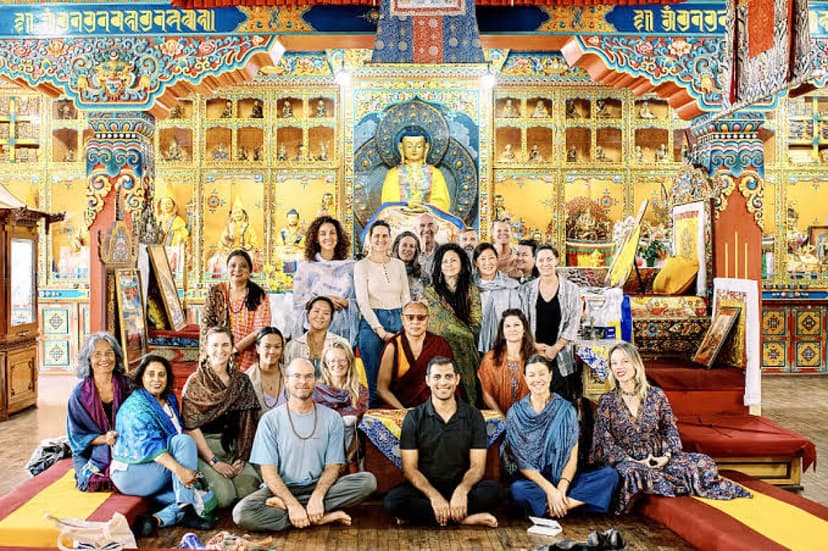
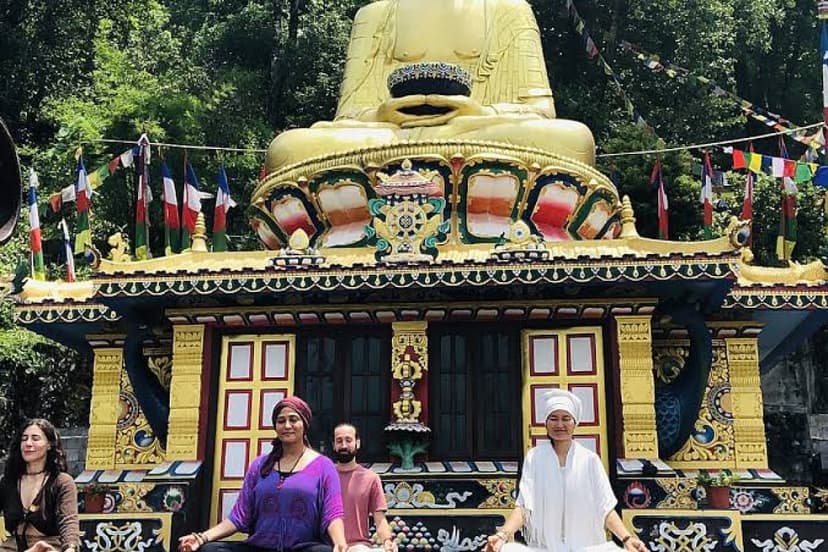
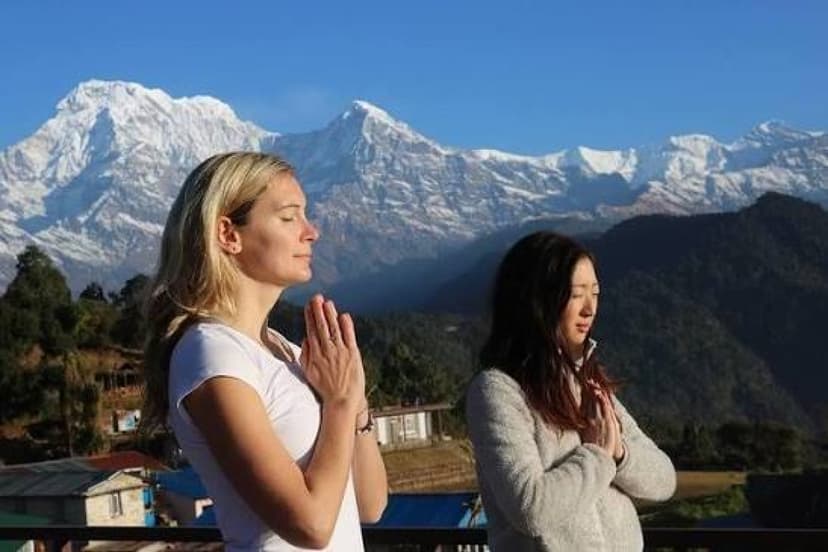
Spend one month immersed in Buddhist monastic life in Kathmandu. Through daily meditation, prayers, chanting, mindfulness practice, and teachings from monks and spiritual teachers, you will follow the monastery's structured routine and gain a deeper understanding of Buddhist philosophy, ethics, and contemplative traditions. Visits to sacred sites such as Boudhanath Stupa and Swayambhunath complement the retreat.
Route
- 1KathmanduAsiaNepalStart
- 2BoudhhaAsiaNepalKathmandu
- 3SwayambhuAsiaNepalKathmandu
- 4Kapan MonasteryAsiaNepalKathmandu
- 5Charumati StupaAsiaNepalKathmandu
- 6KathmanduAsiaNepalEnd
What makes this tour special
Itinerary
Arrive in Kathmandu and transfer to the Buddhist monastery, where you will settle into your accommodation and meet the resident monks or retreat coordinators. Receive an introduction to the monastery’s environment, facilities, and daily routine, followed by a simple welcome meal and time to rest after your journey.
Begin adapting to the monastery’s daily schedule, including early rising, meditation, and scheduled prayer sessions where available. Learn about appropriate conduct, respectful communication, dress expectations, and the importance of mindfulness in a shared monastic environment.
Attend an introductory teaching on the life of Siddhartha Gautama, his journey toward enlightenment, and the origins of Buddhism. Explore the basic principles of Buddhist practice and learn how these teachings influence everyday conduct, relationships, and personal reflection.
Receive guidance on basic meditation techniques, including posture, breathing awareness, and maintaining attention. Participate in guided meditation sessions and learn how to recognize distractions without becoming frustrated or losing focus.
Explore mindfulness as the practice of paying attention to present experiences with awareness and patience. Through guided exercises, mindful walking, and quiet reflection, begin observing thoughts, emotions, and everyday activities more carefully.
Learn about the significance of Buddhist prayers, chanting, offerings, and other monastery practices. Observe or participate in appropriate sessions according to the monastery’s customs, gaining an understanding of how ritual supports devotion, concentration, and community life.
Visit Swayambhunath Stupa, one of Kathmandu’s most important Buddhist pilgrimage sites, situated on a hill overlooking the valley. Explore the main stupa, prayer wheels, shrines, and surrounding monasteries while learning about its religious significance, traditional symbolism, and role in the spiritual life of local Buddhist communities. Take time for quiet observation and personal reflection before returning to the monastery.
Study the Four Noble Truths, a central teaching of Buddhism that examines suffering, its causes, the possibility of its cessation, and the path toward liberation. Reflect on how these principles can help you understand everyday dissatisfaction, attachment, and personal challenges.
Explore the Noble Eightfold Path and its emphasis on wisdom, ethical conduct, and mental discipline. Learn how right understanding, intention, speech, action, livelihood, effort, mindfulness, and concentration relate to daily decisions and Buddhist practice.
Build on earlier meditation sessions by practicing sustained attention to the breath. Learn practical ways to work with wandering thoughts, physical discomfort, and restlessness while gradually developing consistency in your practice.
Receive an introduction to compassion and loving-kindness meditation. Practice directing kind intentions toward yourself and others while reflecting on empathy, patience, and the value of responding to difficult situations with greater awareness.
Visit Boudhanath Stupa, a major center of Tibetan Buddhist culture and pilgrimage in Kathmandu. Walk around the stupa alongside pilgrims performing kora (circumambulation), observe prayer wheels and devotional practices, and learn about the meaning of the stupa’s architectural features. Depending on availability and permission, visit a nearby monastery to gain further insight into Tibetan Buddhist traditions and community life.
Study the role of ethical conduct in Buddhist practice, including the Five Precepts and their relevance to daily life. Reflect on honesty, non-harming, responsible choices, and how personal conduct can contribute to a more considerate community.
Review the philosophical teachings and meditation techniques introduced during the first two weeks. Reflect on your experiences at Swayambhunath and Boudhanath, noting how observing devotional practices and sacred spaces has deepened your understanding of Buddhism.
Explore how Buddhist traditions understand thoughts, emotions, habits, and mental awareness. Practice observing the movement of the mind during meditation and reflect on the difference between experiencing a thought and automatically reacting to it.
Develop mindfulness beyond seated meditation through slow walking, eating, and ordinary daily tasks. Learn to bring attention to physical movement, sensations, and the surrounding environment while maintaining a steady and respectful pace.
Visit Kopan Monastery, a Tibetan Buddhist monastery known for its teachings and meditation programs, subject to visitor access and the monastery’s schedule. Learn about the role of monastic education, study, and meditation in Tibetan Buddhism. Spend time appreciating the monastery’s setting and observing its environment respectfully before returning to your own retreat routine.
Study Buddhist perspectives on craving, attachment, and the expectations that can influence everyday experiences. Through guided contemplation, consider how habits of wanting, resisting, or comparing affect your responses to changing circumstances.
Spend a larger portion of the day in quiet reflection and meditation, following guidance from the monastery or retreat teacher. Use periods of silence to observe thoughts and emotions while continuing to follow the monastery’s essential routines and instructions.
Explore teachings on anger, frustration, and the development of patience. Practice meditation and reflection techniques that may help you recognize emotional reactions earlier and respond to challenging situations more thoughtfully.
Explore Buddhist philosophy, ethical principles, and contemplative traditions in greater depth. Guided meditation and reflection sessions complement the teachings, while continued participation in monastic life provides a practical cultural context. Selected activities may introduce you to aspects of Nepal's Buddhist heritage.
Explore an overview of Buddhist traditions, including Theravada, Mahayana, and Vajrayana, with attention to their historical development and different approaches to practice. Learn about the Buddhist traditions represented in Nepal and how local monastic communities preserve and transmit their teachings.
Study the relationship between wisdom and compassion in Buddhist philosophy. Reflect on how understanding the causes of suffering can encourage more considerate behavior, reduce unhelpful judgments, and strengthen awareness of other people’s experiences.
Learn about the meaning of Buddhist symbols, prayer wheels, stupas, statues, and sacred spaces. Connect these teachings with the sites visited during the retreat, considering how architecture, visual symbolism, and ritual communicate Buddhist ideas across generations.
Dedicate more time to meditation, reflection, and deeper teachings with monks and spiritual teachers. The program encourages participants to examine their experiences and consider how Buddhist contemplative practices can be incorporated into everyday life. Continue following the monastery's structured routine while preparing for the retreat's conclusion.
Spend time learning from selected Buddhist texts, short passages, or teachings recommended by the resident teacher. Discuss their meaning and practical relevance, connecting traditional ideas with questions about conduct, awareness, responsibility, and daily living.
Visit Charumati Stupa, a historic Buddhist monument in Kathmandu traditionally associated with the Mauryan emperor Ashoka’s era. Explore its religious and historical significance, then visit nearby Buddhist shrines or monasteries where appropriate. Learn how Buddhist heritage remains part of the city’s everyday religious life and reflect on the different traditions encountered during the month.
Return to the monastery’s daily rhythm with meditation, teachings, and personal reflection. Explore generosity, gratitude, and the Buddhist concept of interdependence, considering how everyday choices affect other people, communities, and the natural environment. Where appropriate, participate in simple monastery tasks or acts of service.
Revisit key themes from the retreat, including mindfulness, meditation, Buddhist philosophy, ethical conduct, compassion, and impermanence. Reflect on visits to Swayambhunath, Boudhanath, Kopan Monastery, and other sacred sites, identifying the teachings and experiences that were most meaningful to you.
Participate in a final meditation or prayer session according to the monastery’s schedule, followed by time to express gratitude to the people who supported your stay. After breakfast and packing, say farewell to the monastery community and transfer to your next destination or the airport, depending on your travel arrangements.
Trip includes
Included
29 nights' accommodation in a monastery or retreat centre
English-speaking retreat coordinator/guide
Guiding Method
Fully guided
 English
Vegetarian/monastic meals during the retreat
Local transportation for included activities
Retreat coordination and ongoing guest support
All applicable taxes and service charges
Daily meditation, mindfulness, and contemplative practices
Morning and evening prayers/chanting
Regular Buddhist philosophy and teachings
Participation in appropriate monastic routines
Interaction with monks and spiritual teachers
Guided meditation and reflection sessions
Selected cultural and sacred-site excursions
Study/retreat materials where applicable
This is a structured cultural and contemplative retreat, not a conventional holiday.
Participants should be prepared to follow a regular monastery schedule and observe its rules.
Modest clothing and respectful conduct are expected throughout the retreat.
Morning and evening prayers, chanting, meditation and other routines form part of the experience.
Meal choices are limited to the monastery's vegetarian/monastic program.
Quiet periods and restrictions on photography or personal activities may apply.
Specific teachings, ceremonies and interactions with monks depend on the monastery's schedule.
Sacred-site visits and cultural activities may change according to local circumstances.
The retreat is educational and spiritual in nature and does not provide medical or psychological treatment.
Participants should inform the operator in advance about dietary, mobility or accessibility requirements.
Excluded
International or domestic flights
Travel insurance
Nepal visa fees
Personal expenses
Personal purchases
Donations or offerings at temples or monasteries
Additional activities or excursions not specified as included
Private teachings or services outside the scheduled program
Alcoholic beverages or other personal refreshments
Availability
Loading. Please wait.
Make this journey exclusively yours
By design, this is a group tour. You can however request a private, customized version of this tour for yourself or your private group of people. Private departures are usually more expensive, but come with these benefits:
Personal
Itinerary can be tweaked and customized.
Protected
Travel withing your own bubble.
Professional
Access our Travel Specialists insider knowledge.
Privacy
Enjoy a tour focused solely on you or your travel group.
Why book with TravelShop Booking
Cancellation Policy
On our global marketplace TravelShop Booking Supplier is recognized globally as an online tourism marketplace connecting travelers, suppliers, and tour operators worldwide. All users acknowledge that TravelShop Booking is a platform not liable for canceled tours, poor services, or unforeseen circumstances occurring before, during, or after the tour.
Need help or have a question about this tour?
if you have any question about this tour or need help with planning a trip, please do not hesitate to get in touch with us. We're ready to help.
You might also like these tours
Handpicked trips with a similar vibe — perfect if this one caught your eye.