
Free Cancellation




-high.jpg&w=1920&q=75 "Traditional Bali Melukat Ceremony at Taman Beji Griya Waterfall")



-high.jpg&w=1920&q=75 "Bali Tulamben Scuba Diving: USAT Liberty Shipwreck Dive with Lunch & Hotel Transfer")


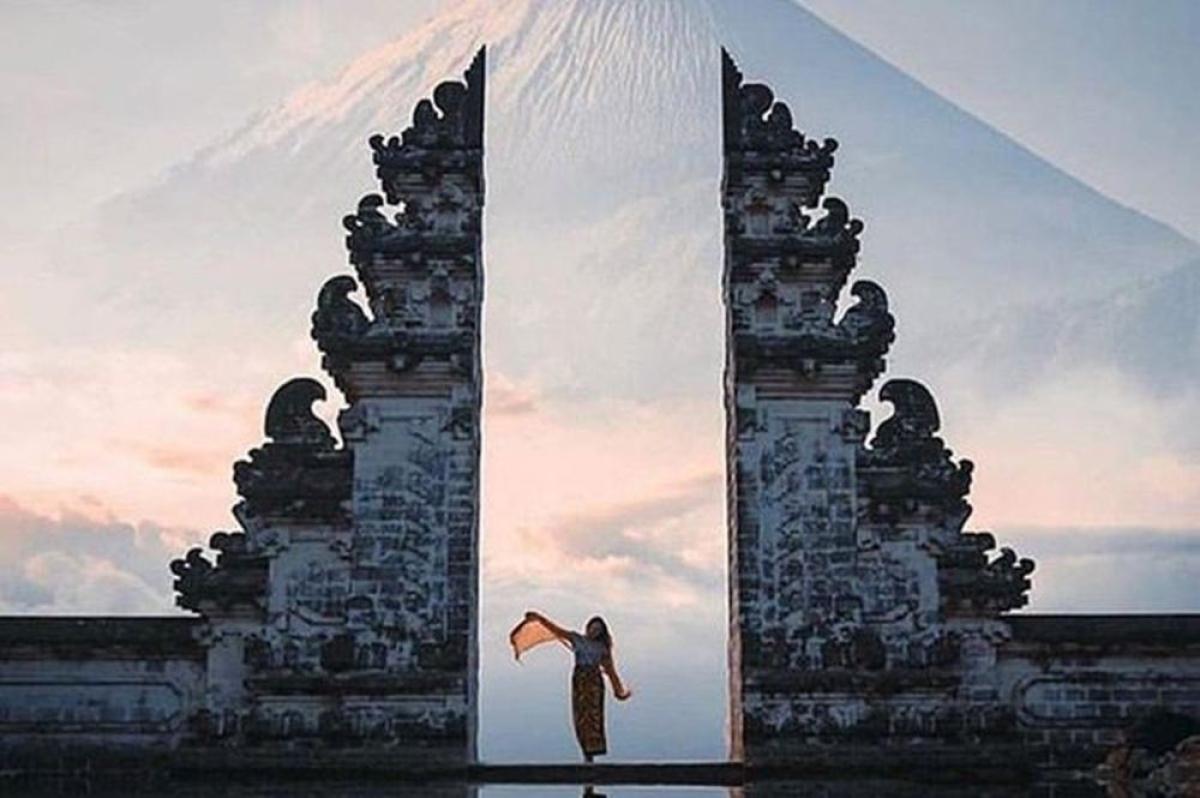
Bali Tours explore Indonesia's best-known island through its temples, rice terraces, volcanic landscapes, traditional communities and coastal destinations. Bali combines cultural sightseeing with nature, beaches and outdoor experiences, allowing travelers to experience several different environments within a relatively compact destination.
Tours range from half-day and full-day excursions to multi-day Bali Tour Packages covering different parts of the island. Ubud is commonly used as a base for cultural and nature experiences, while destinations such as Seminyak and Nusa Dua provide access to Bali's southern coastline. Longer itineraries can combine temples, villages, Mount Batur and rice-growing regions within one program.
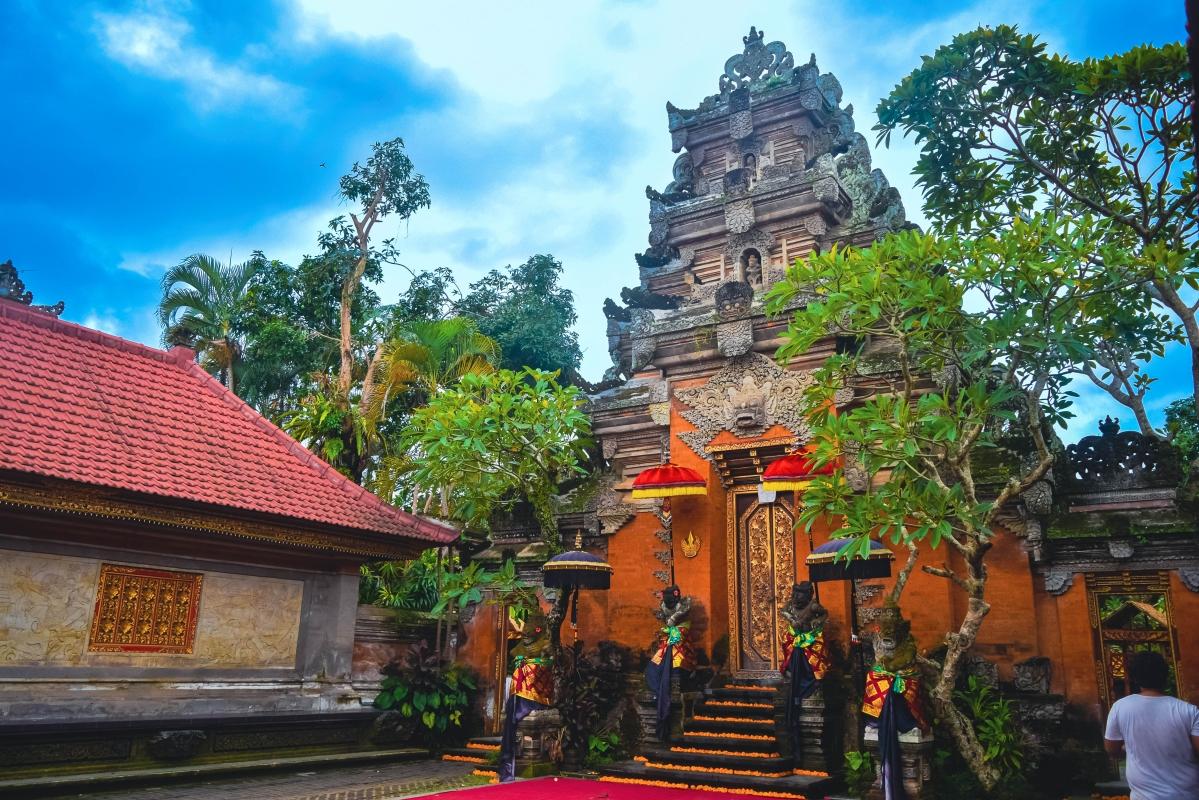
Ubud is one of Bali's principal cultural destinations and is surrounded by rice fields, traditional villages and tropical landscapes. The town is known for Balinese art, crafts, dance performances, temples and local markets.
Tours around Ubud commonly combine the town with nearby attractions such as rice terraces, waterfalls and temples. Its central location also makes Ubud a practical base for exploring different areas of inland Bali.
Tanah Lot is one of Bali's most recognizable sea temples. The temple complex is located on a rocky formation along the western coastline and is particularly known for its coastal setting.
Tanah Lot is frequently included in afternoon sightseeing programs, with many itineraries timing the visit around sunset. The surrounding area also contains viewpoints and smaller religious sites.
Uluwatu Temple is positioned on high cliffs overlooking the Indian Ocean on Bali's southern Bukit Peninsula. It is one of the island's important Hindu sea temples and combines religious significance with dramatic coastal scenery.
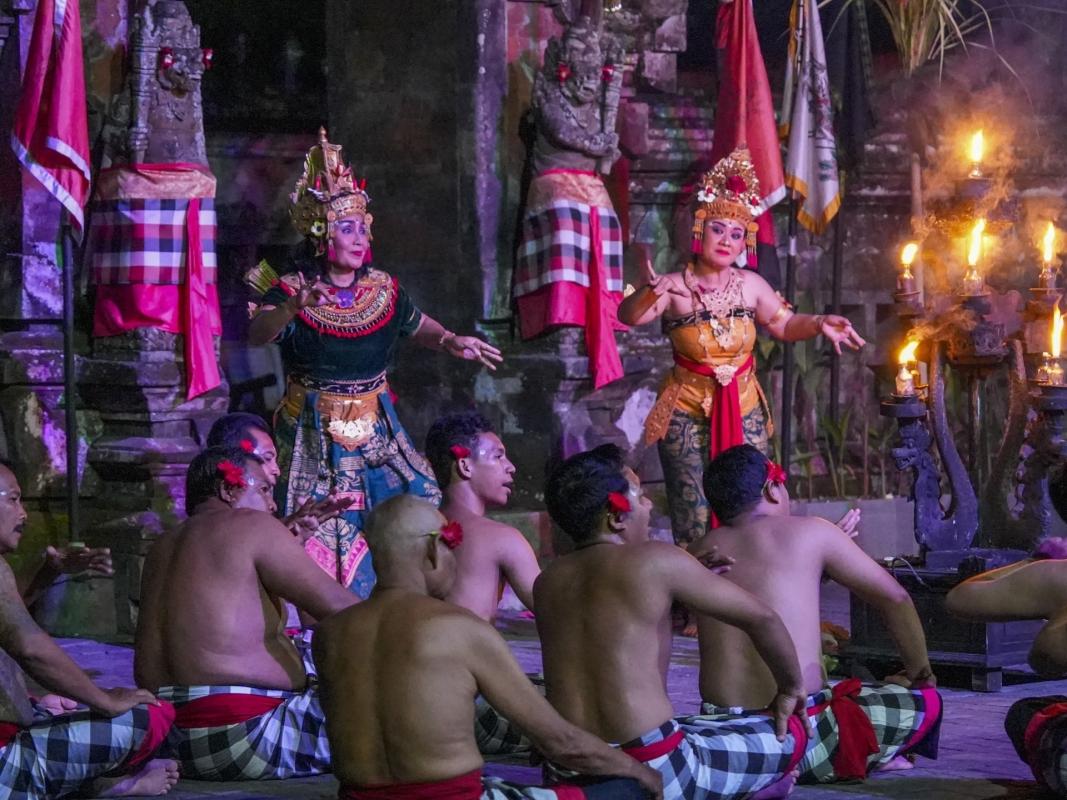
Visitors can explore the temple grounds and cliffside viewpoints. Selected tours also combine a visit with a traditional Kecak performance, particularly during the late afternoon and evening.
Tegallalang Rice Terraces are located north of Ubud and are among Bali's most photographed agricultural landscapes. The area is characterized by layered rice fields extending across a tropical valley.
Visitors can walk through sections of the terraces and learn about traditional Balinese rice cultivation and the subak irrigation system. Tegallalang is commonly incorporated into full-day Ubud and central Bali tours.
Mount Batur is an active volcano in northeastern Bali and one of the island's principal outdoor destinations. The volcano rises within the wider Batur caldera near Lake Batur.
Sunrise trekking is one of the most popular experiences associated with Mount Batur. Tours typically begin before dawn and reach higher viewpoints in time for sunrise, although schedules and routes depend on local conditions.
Travelers not interested in trekking can also visit viewpoints around the Kintamani area for panoramic views of the volcano and surrounding landscape.
Besakih Temple is located on the slopes of Mount Agung and is the largest temple complex in Bali. Often referred to as Bali's Mother Temple, it consists of multiple temples and shrines spread across a large hillside area.
Besakih has considerable religious importance within Balinese Hinduism and remains an active place of worship. Guided visits provide context about the complex, ceremonies and traditional Balinese religious practices.
Seminyak is a popular coastal destination in southern Bali known for its beach, accommodation, restaurants and shopping. It provides a different experience from the temples and rural landscapes of central Bali.
Travelers frequently use Seminyak as a base for exploring southern and western Bali while combining organized sightseeing with independent beach time.
Nusa Dua is a resort area in southern Bali known for its beaches, landscaped surroundings and concentration of international hotels.
The area is particularly suitable for travelers seeking a beach stay alongside organized Bali sightseeing. From Nusa Dua, visitors can travel to Uluwatu, central Bali and other parts of the island on day tours.
Bali Tour Packages combine accommodation, transfers and sightseeing into structured itineraries ranging from short stays to week-long or extended programs.
A three or four-day package can introduce travelers to Ubud, major temples and southern Bali. Longer programs provide more time for Mount Batur, rice terraces, waterfalls, traditional villages and beach destinations.
Packages can also form part of broader Indonesia Tours. Bali is frequently combined with Java, Lombok, the Gili Islands or Komodo National Park for travelers who want to explore several Indonesian destinations.
Bali Day Tours focus on specific regions or themes and allow travelers to return to their hotel after sightseeing. Because attractions are distributed across the island, full-day programs are commonly designed around geographical areas to reduce unnecessary travel time.
Central Bali tours may combine Ubud, Tegallalang Rice Terraces, temples and traditional villages. Southern programs can focus on Uluwatu and coastal attractions, while eastern Bali tours may include Besakih Temple and surrounding landscapes.
Nature-focused day tours can incorporate waterfalls, volcanic viewpoints and rural areas. Travelers interested in outdoor activities can also choose early-morning Mount Batur programs.
Private Bali Tours provide dedicated transportation and flexible sightseeing according to individual interests. Travelers can choose an itinerary focused on temples, nature, photography, traditional culture, beaches or a combination of several experiences.
Private programs can be particularly useful in Bali because many major attractions are located outside the main resort areas. Having dedicated transportation allows travelers to combine several locations while adjusting the pace and duration of individual stops.
Private tours are suitable for couples, families and small groups and can range from a single-day excursion to complete multi-day Bali itineraries.
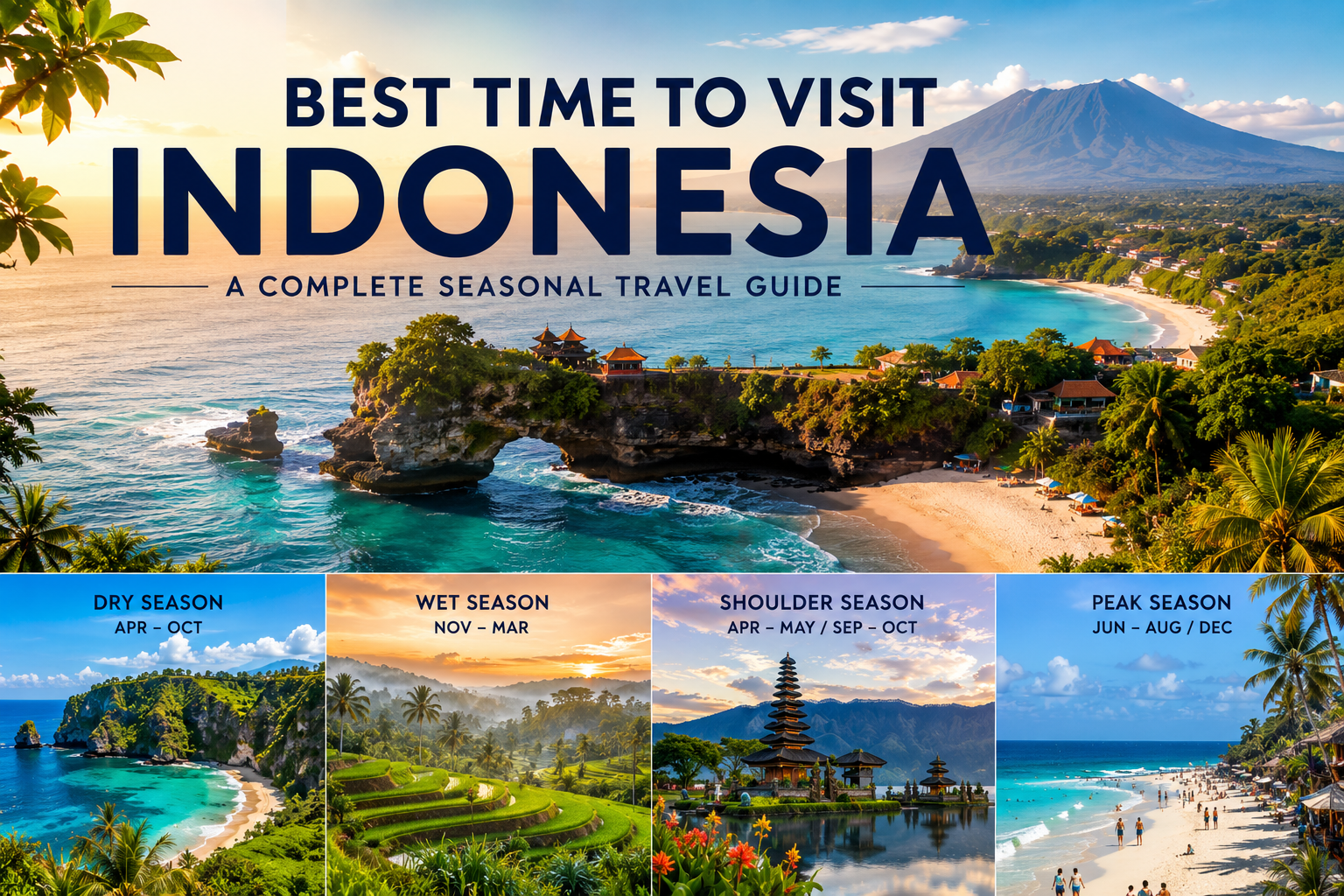
Bali has a tropical climate and can be visited throughout the year. The drier season generally runs from approximately April or May through October and is popular for beaches, sightseeing, trekking and outdoor activities.
July and August are among the busiest months, with increased visitor numbers in areas such as Ubud, Seminyak and southern Bali.
The wetter season generally occurs from November through March. Rainfall is more frequent during this period, although showers do not necessarily continue throughout the entire day. Cultural sightseeing and many other activities remain possible.
Travelers planning Mount Batur trekking, beach activities and extensive outdoor sightseeing may prefer the drier months, while those prioritizing cultural experiences can visit Bali throughout much of the year.
.png)