
-high.jpg&w=1920&q=75 "Ephesus City Tour from Kusadasi")
Free Cancellation
-high.jpg&w=1920&q=75 "6 Days Dream of Turkey Vacation Package")
-high.jpg&w=1920&q=75 "8-Day Turkey Escorted Tour: Istanbul, Ephesus, Pamukkale & Cappadocia")
-high.jpg&w=1920&q=75 "11 Days Special Turkey Vacation Package With Guaranteed Departure")


-high.jpg&w=1920&q=75 "Private 4 Days Cappadocia Ephesus Pamukkale Tour")
-high.jpg&w=1920&q=75 "10-Day Journey Through Anatolia: Turkey Tour Package")

-high.jpg&w=1920&q=75 "12 Days Luxury Gold Anzac Day Tour")
-high.jpg&w=1920&q=75 "10 Days Luxury Gold Anzac Day Gallipoli Tour")
-high.jpg&w=1920&q=75 "5 Days North Western Turkey Tour | Istanbul, Gallipoli, Troy & Pergamon")
-high.jpg&w=1920&q=75 "7 Days Istanbul, Cappadocia, Kusadasi & Ephesus - Turkey Express Highlights")
Ephesus Culture & Historical Tours focus on the archaeological, Roman and early Christian heritage of the Ancient City of Ephesus located near Selçuk in İzmir Province, Turkey. Founded in the 10th century BCE and later developed under Hellenistic and Roman rule, Ephesus became one of the largest cities in the Eastern Mediterranean with an estimated population exceeding 200,000 during the Roman Imperial period.
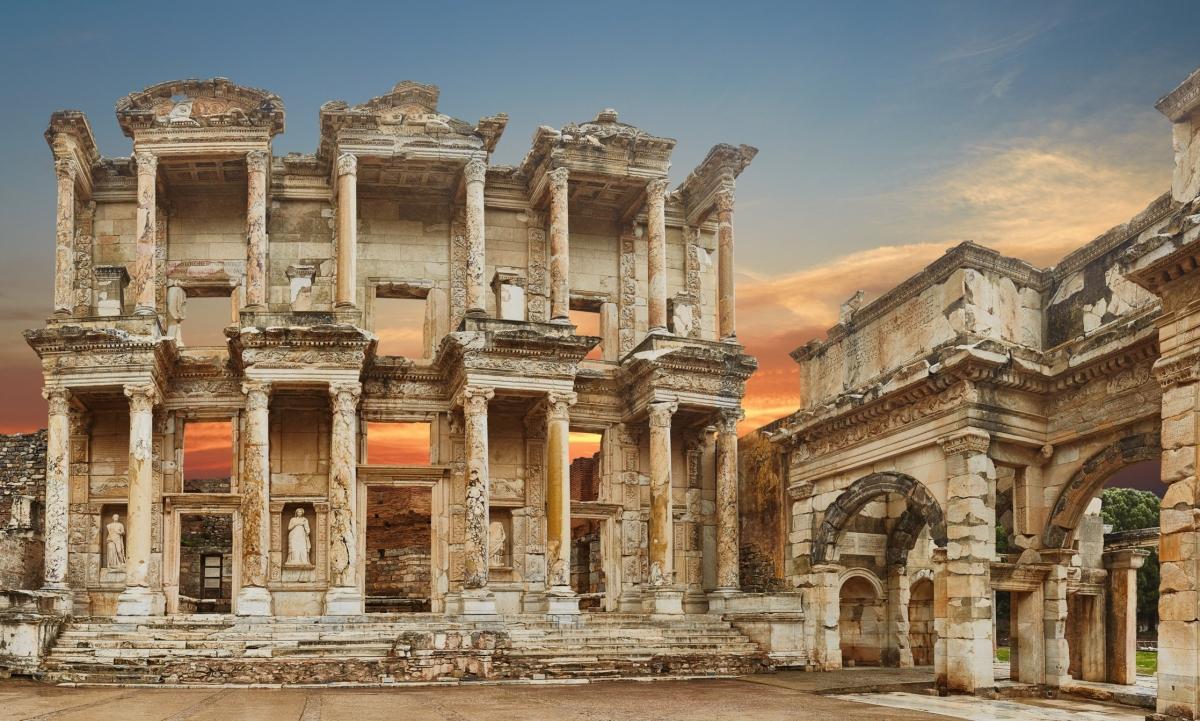
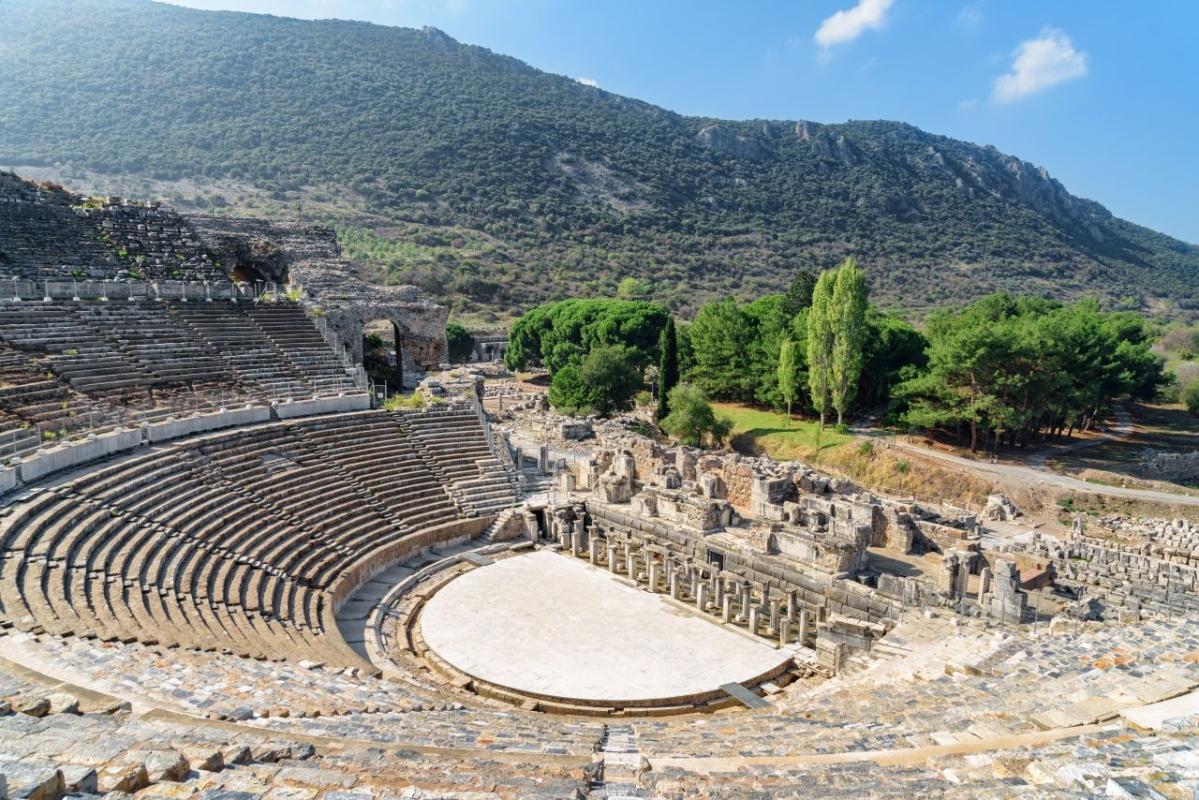
Today, Ephesus is recognized as a UNESCO World Heritage Site and attracts visitors interested in structured cultural interpretation rather than general sightseeing. Culture and historical tours provide detailed guidance about architecture, religion, trade networks and daily life in antiquity. Walking routes typically cover 2 to 3 kilometers within the archaeological zone and include major monuments such as the Library of Celsus, Great Theatre and Terrace Houses.
Ephesus Cultural Tours emphasize art, architecture and urban planning in the Greco Roman period. Guides explain the city’s grid layout, marble paved Curetes Street and the engineering of public buildings such as bath complexes and fountains.
These tours often include the Terrace Houses, which contain preserved frescoes, mosaics and private residential spaces dating to the 1st century CE. Cultural tours may also extend to Sirince Village, located approximately 8 kilometers from Selçuk, to explore regional traditions and Aegean heritage.
Ephesus Tours are suitable for travelers seeking contextual understanding of social structure and civic life in antiquity.
Ephesus Historical Tours focus on chronological development from the Archaic Greek period to the Byzantine era. Historical narratives explain the city’s strategic location near the Aegean coast and its role as a major trade hub connected to the Roman road network.
The Great Theatre, with a seating capacity of approximately 25,000 spectators, illustrates the scale of Roman civic life. Historical tours also address the decline of Ephesus due to harbor silting and shifting trade routes between the 6th and 10th centuries.
These tours are structured for visitors interested in political history and urban transformation over time.
Ephesus Ancient City and Archaeology Tours provide detailed interpretation of excavation work and preservation techniques. Systematic excavations began in the 19th century and continue under international archaeological teams.
Archaeology focused tours explain construction materials such as marble blocks and column capitals, as well as restoration processes applied to the Library of Celsus façade. Visitors gain insight into stratification layers and how archaeologists reconstruct daily life from artifacts and inscriptions.
These tours are suitable for academic groups and travelers interested in scientific approaches to heritage conservation.
Ephesus Roman History Tours highlight the city’s importance during the Roman Imperial period between the 1st century BCE and the 3rd century CE. Under Roman administration, Ephesus served as the capital of the province of Asia.
Key monuments explored during Roman history tours include the Temple of Hadrian, the Marble Road and the Great Theatre. Public infrastructure such as aqueduct systems and bath complexes demonstrate advanced Roman engineering.
Roman history tours emphasize governance, trade networks and architectural achievements that defined Ephesus as a regional capital.
Ephesus Biblical and Early Christian Tours focus on the city’s significance in early Christianity. The Apostle Paul preached in Ephesus during the 1st century CE, and the city is referenced in the New Testament.
Tours often include the House of Virgin Mary, located approximately 9 kilometers from the archaeological site, and the Basilica of St. John in Selçuk. The Great Theatre is traditionally associated with the events described in the Acts of the Apostles.
Biblical tours provide historical context about early Christian communities and the spread of Christianity in Asia Minor.
Ephesus Heritage Tours combine archaeological, religious and architectural elements within a broader cultural landscape. As part of the UNESCO World Heritage designation, the site includes not only the ancient city but also surrounding monuments such as the Temple of Artemis and Ayasuluk Hill.
Heritage tours address conservation challenges, visitor management strategies and the cultural value of Ephesus within global history. These tours are structured to provide a comprehensive understanding of why Ephesus remains one of Turkey’s most significant heritage sites.