
Free Cancellation
-high.jpg&w=1920&q=75 "Uzbekistan – Classic tour 2025")
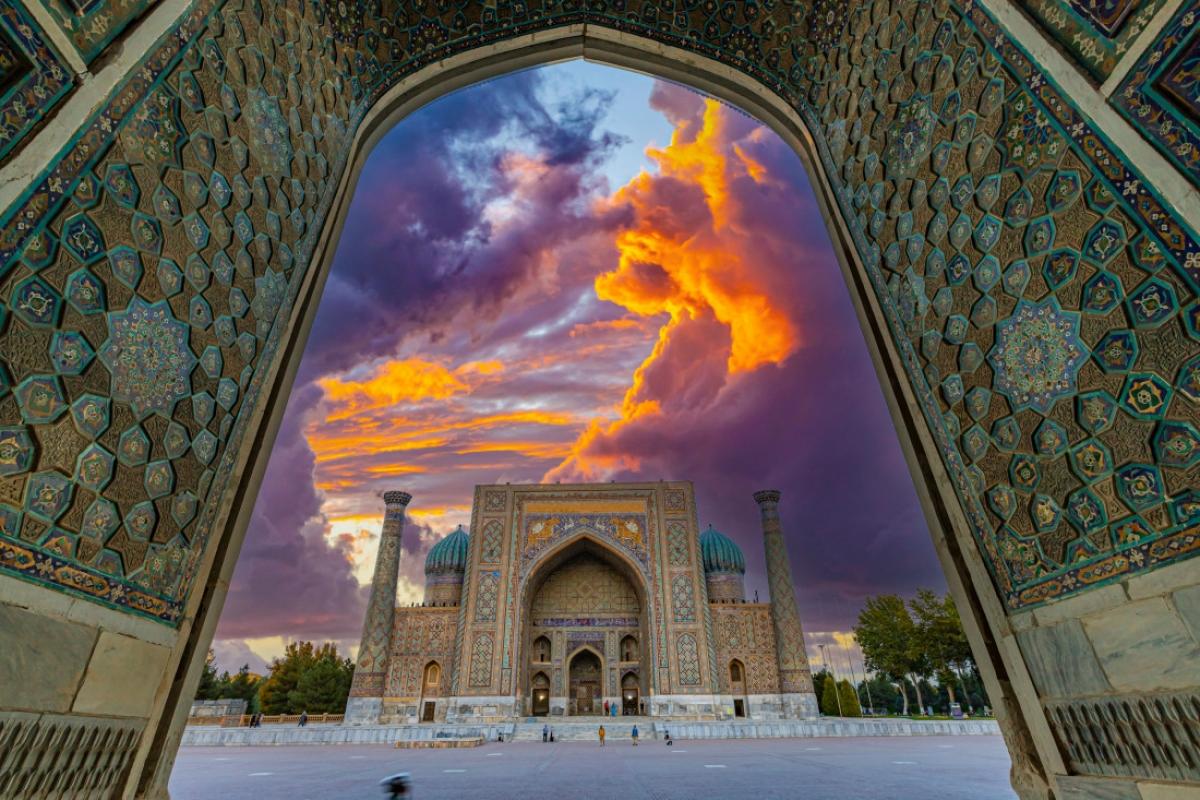
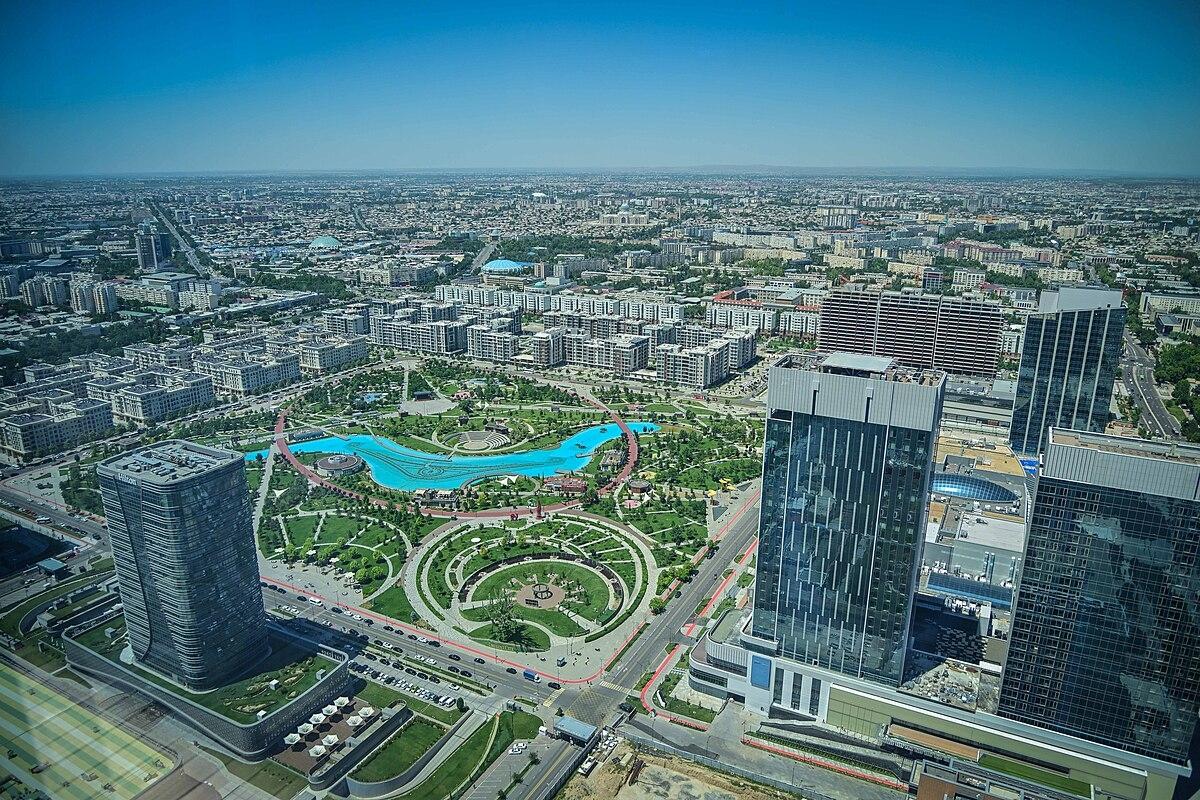
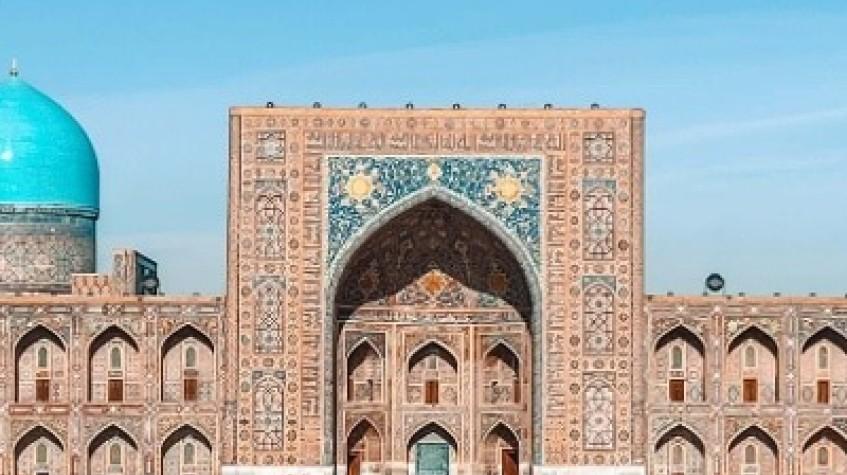
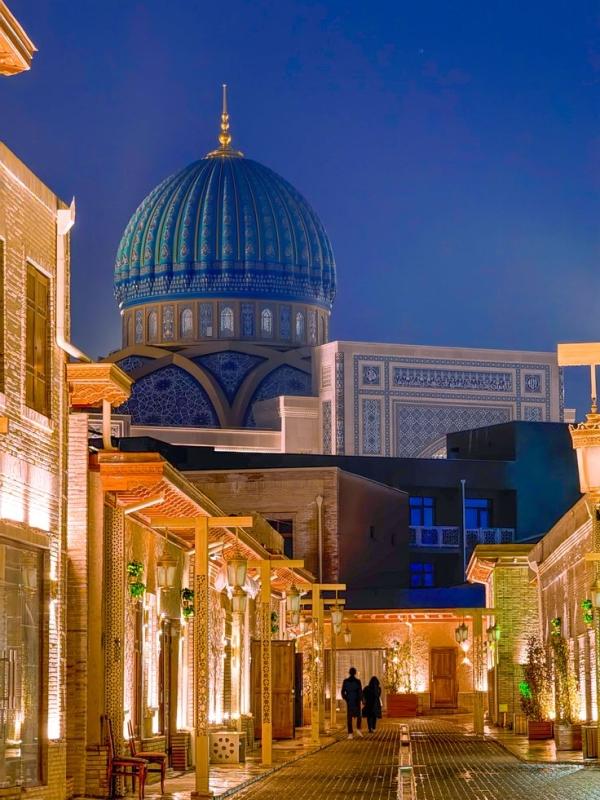
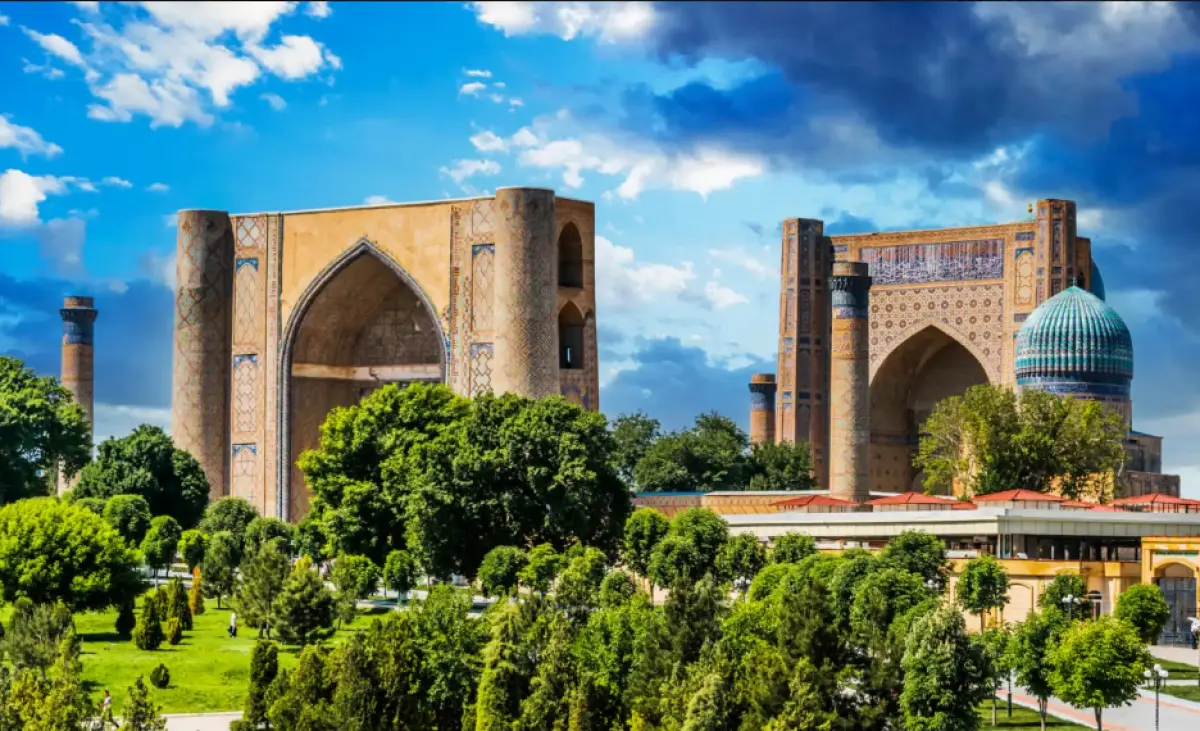
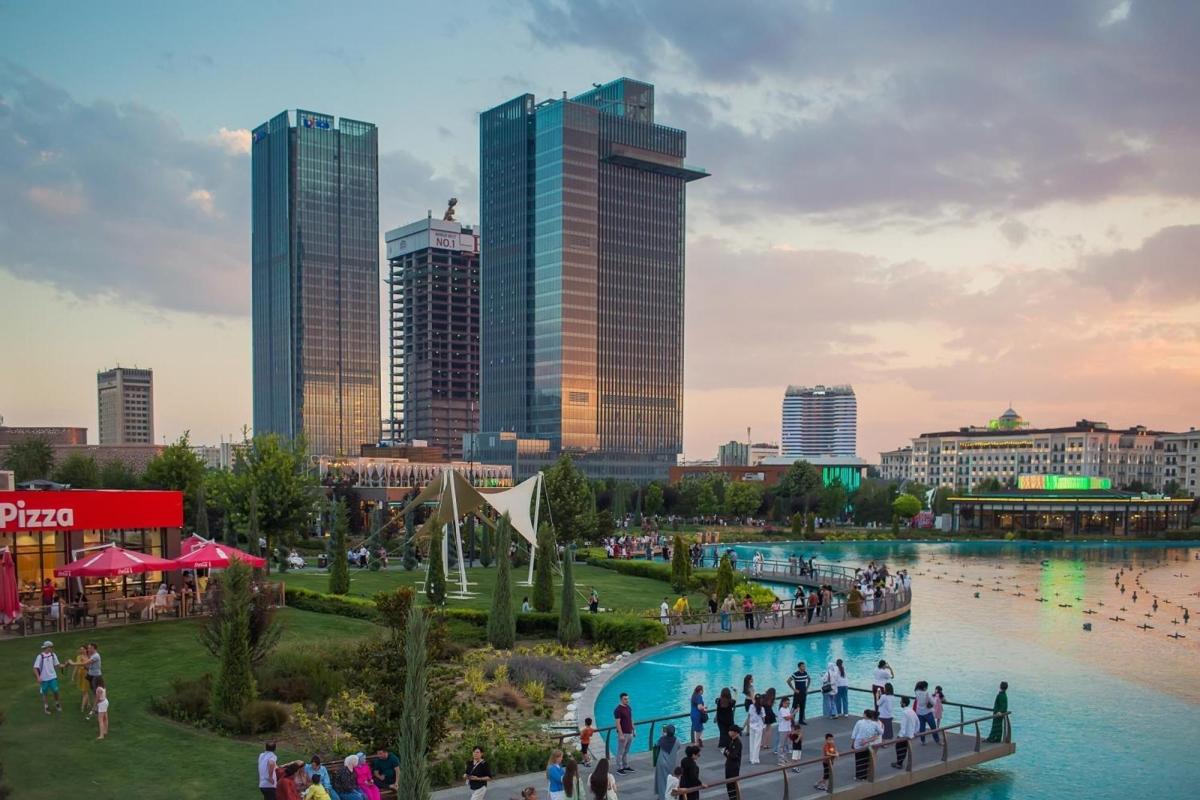
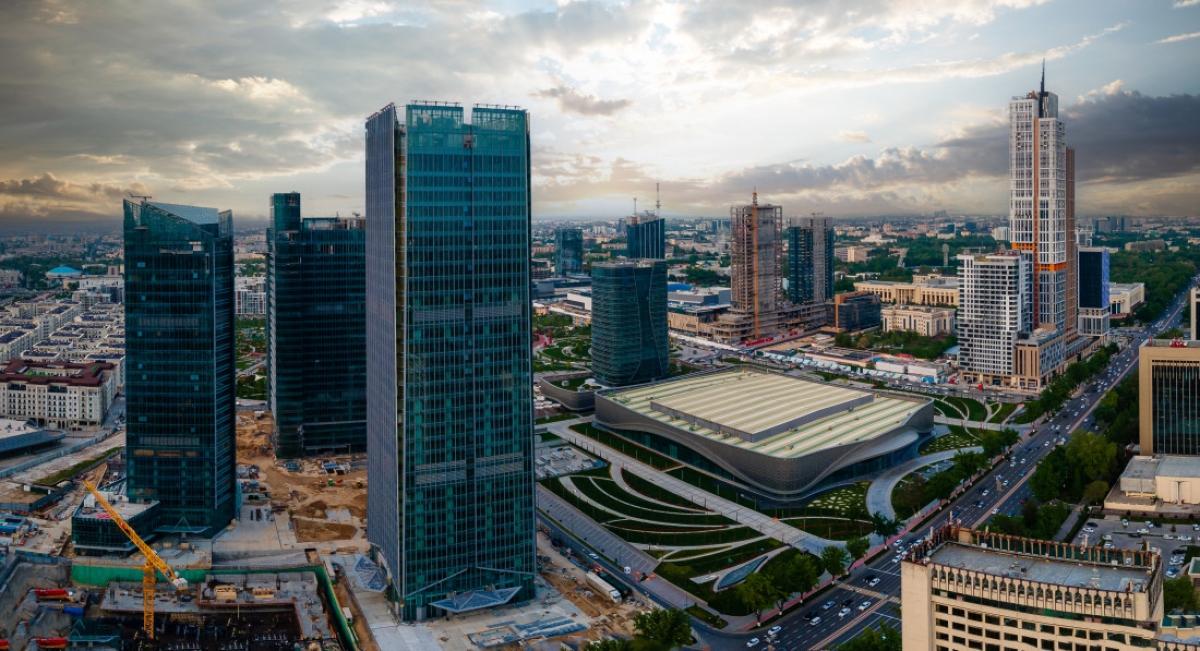
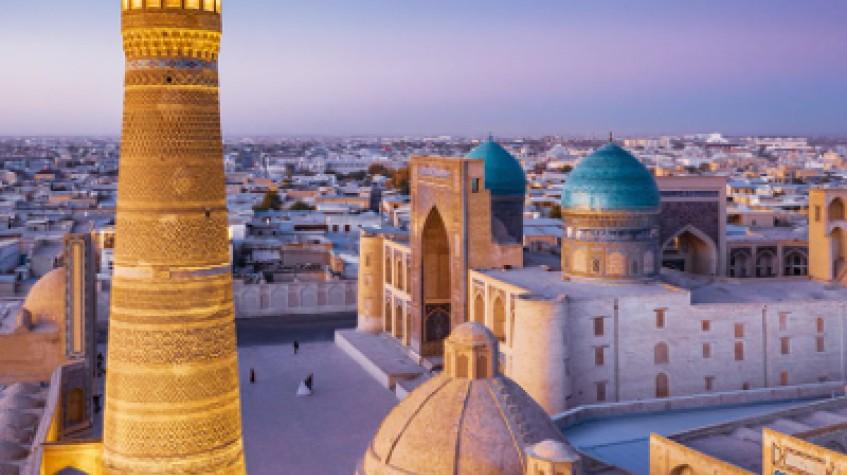
Tashkent is the capital of Uzbekistan and the largest city in Central Asia, a place where Soviet-era boulevards and modern towers sit beside centuries-old madrasas and working bazaars. Tours of the city typically combine the Silk Road quarter around Khast Imam Square with the wide avenues and metro stations built during the Soviet period, giving visitors two different versions of the same city in a single day. For travelers planning a wider Central Asian itinerary, Tashkent tours pair naturally with other stops covered on Uzbekistan tours, including Samarkand and Bukhara.
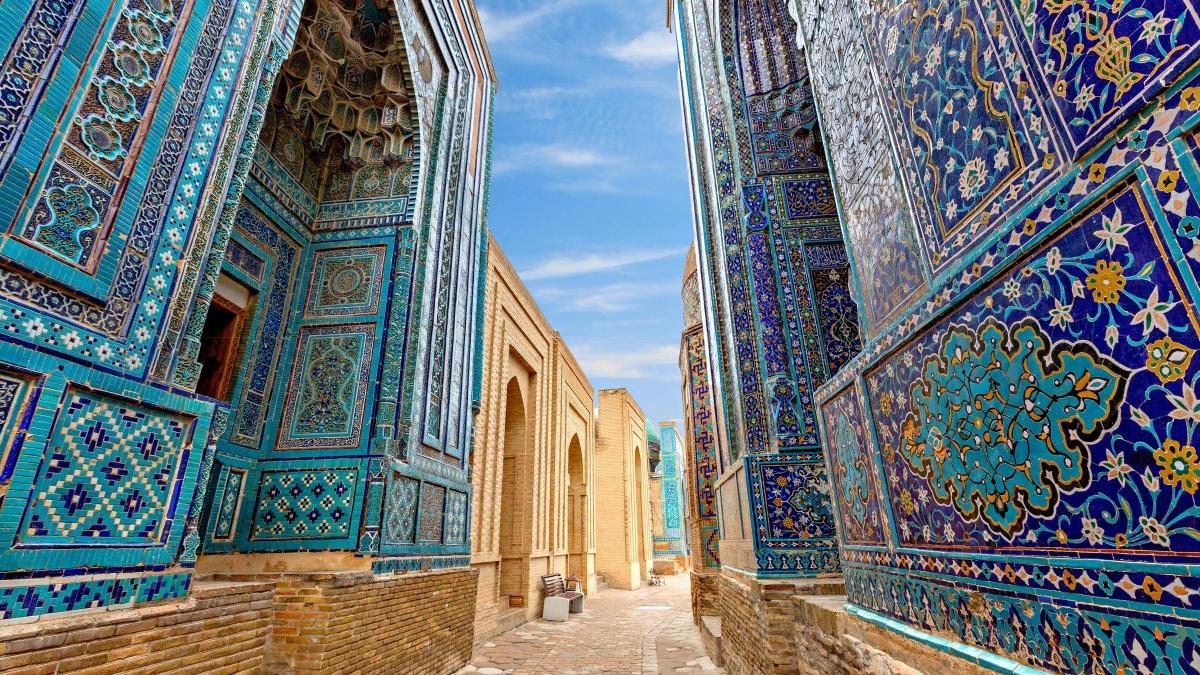
Most visitors arrive in Tashkent as a first or last stop on a Uzbekistan itinerary rather than a standalone destination, and the city rewards a day or two before heading further along the Silk Road. Its combination of religious architecture, Soviet urban planning and one of the more decorated metro systems in the world makes it distinct from the classically Silk Road cities to its south.
Khast Imam Square is the religious heart of old Tashkent, home to the Barak Khan Madrasah, the Kaffal Shashi Mausoleum and the Muyi Muborak Library, which holds the Uthman Quran, one of the oldest surviving copies of the text. The complex is compact enough to see in an hour or two, and guided tours usually explain the layered history of the site, rebuilt and expanded across several centuries. A working mosque still stands within the same grounds, drawing local worshippers alongside visiting groups.
Chorsu Bazaar sits under a large turquoise dome near the old city and remains one of the most active markets in Tashkent. Vendors sell spices, dried fruit, bread and household goods across several levels, and the bazaar gives a more everyday view of the city than its monuments do. Tours often stop here for an hour of unstructured walking between the fruit stalls and the bread ovens, where flat non bread comes out hot throughout the morning.
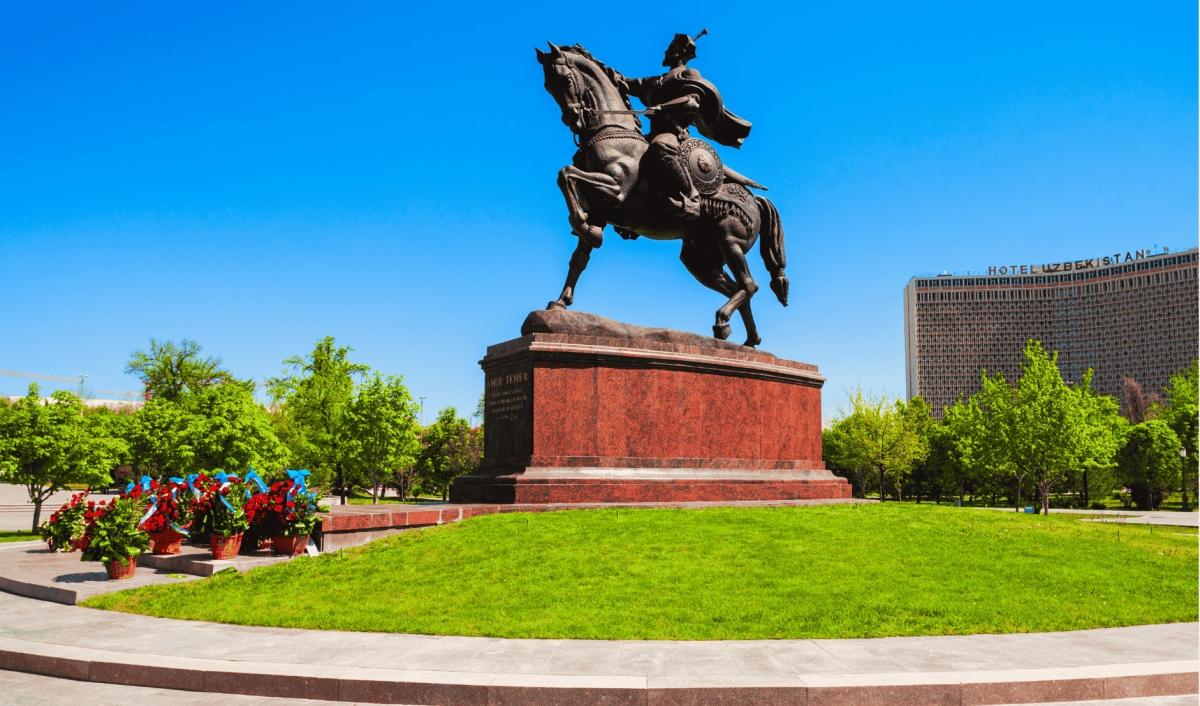
Amir Temur Square sits at the center of modern Tashkent, marked by an equestrian statue of the 14th-century conqueror whose empire once included present-day Uzbekistan. Surrounding buildings include Hotel Uzbekistan and several state institutions, and the square forms a common starting point for walking tours of the newer districts. Independence Square, a short distance away, holds the Monument of Independence and a row of fountains that draw crowds in the evening.
Tashkent was largely rebuilt after the 1966 earthquake, and the result is a city of wide boulevards, fountains and Soviet modernist buildings that stand in contrast to its older quarters. The Tashkent Metro, opened in 1977, is known for stations decorated with marble, ceramic tile and chandeliers, and several routes now allow tours to include a ride through some of the more elaborate stops. Photography inside the stations, once restricted, is permitted today.
Plov, the rice and lamb dish considered Uzbekistan's national meal, anchors much of Tashkent's food scene, and several tours include a stop at one of the large plov centers where cooks prepare it in wide cauldrons for hundreds of diners at a time. Tea houses, known locally as chaikhanas, remain common gathering spots across the city, and a stop for green tea and fresh bread is often built into a half-day tour. Travelers spending a full day in the capital can join options such as the Ziyarat Tour, which covers religious and historic sites around the city.