
Free Cancellation




-high.jpg&w=1920&q=75 "Incredible Australia 13 Day Tour Packages")




Australia Tours cover a country roughly the size of the contiguous United States, where the itinerary depends entirely on which coast, reef or desert a traveler wants to see. Sydney anchors the southeast with its harbour and beaches, Melbourne offers a different, more European-feeling city experience further south, and the Great Barrier Reef stretches along the Queensland coast for more than 2,000 kilometers. Inland, the red sandstone monolith of Uluru rises from the flat scrub of the Northern Territory, a six-hour drive from the nearest town.
Because distances between regions are large, most visitors pick two or three areas rather than attempting the whole country in one trip, sometimes pairing Australia with a wider Oceania itinerary that continues on to New Zealand or Fiji. Australia Tours range from short city breaks in Sydney to multi-week combinations of coastline, reef and outback.
Sydney's harbour is the country's most photographed setting, framed by the Opera House and the steel arch of the Harbour Bridge. Bondi Beach sits a short drive from the city center, and the coastal walk from Bondi to Coogee passes a string of smaller beaches and ocean pools. North of Sydney, the Blue Mountains rise into eucalyptus forest and sandstone cliffs, with the Three Sisters rock formation as the main landmark around the town of Katoomba.
The reef is reached from several Queensland towns, most commonly Cairns and Port Douglas, where day boats run out to the outer reef for snorkeling and diving. Whitsunday Islands, further south, offer a mix of sailing and beach time, with Whitehaven Beach's silica sand among the most recognizable stretches of coast in the country. Reef conditions and visibility vary by season, so operators typically adjust routes depending on weather and tide.
Uluru sits near the geographic center of Australia, in a landscape of red sand and low desert vegetation that looks markedly different from the coast. Most visitors base themselves in Yulara, the small purpose-built town near the rock, and combine a sunrise or sunset viewing with a walk around Uluru's base and a visit to the nearby domes of Kata Tjuta. The Northern Territory also includes Kakadu National Park, known for wetlands, waterfalls and Aboriginal rock art sites that date back thousands of years.
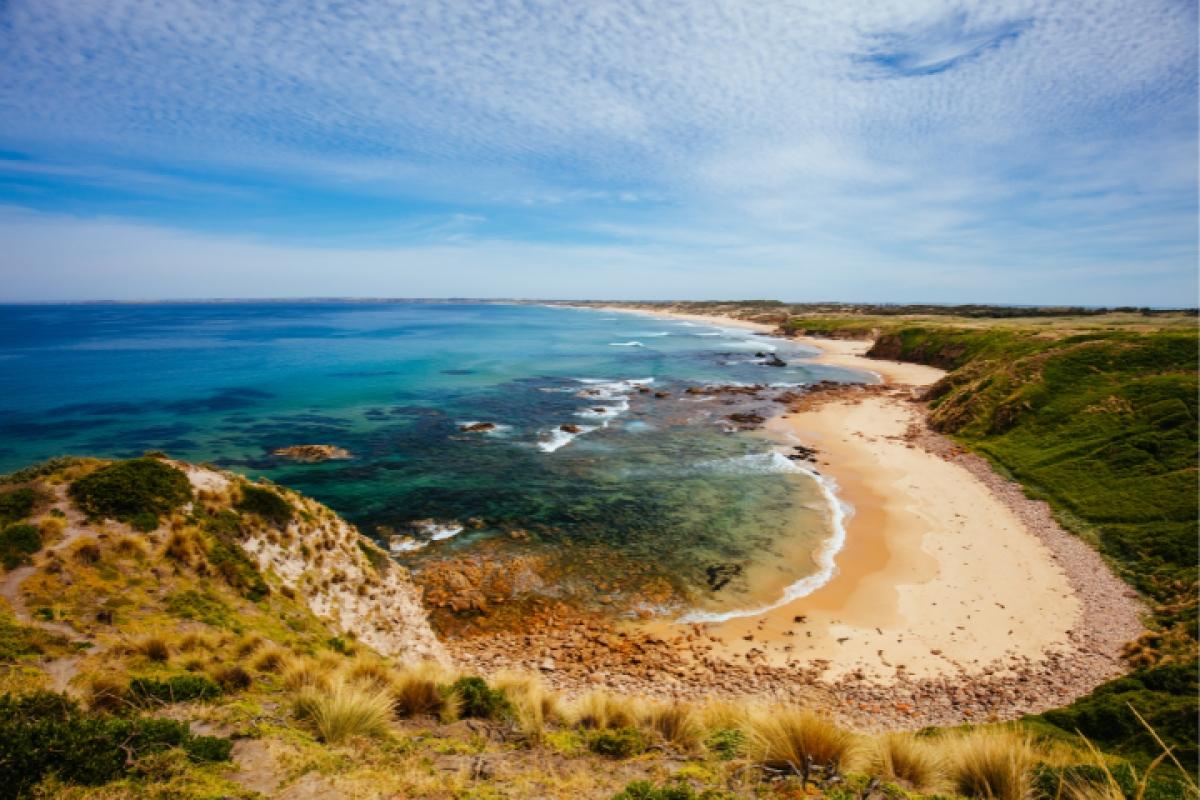
Melbourne sits about a nine-hour drive or one-hour flight south of Sydney and has a distinct character built around laneway cafes, street art and a strong live sports and arts calendar. The Great Ocean Road runs southwest from the city along a coastline of surf beaches and eucalyptus forest, ending at the limestone stacks known as the Twelve Apostles. Wine regions such as the Yarra Valley and Mornington Peninsula lie within day-trip distance, making Melbourne a common second stop after Sydney on longer itineraries.
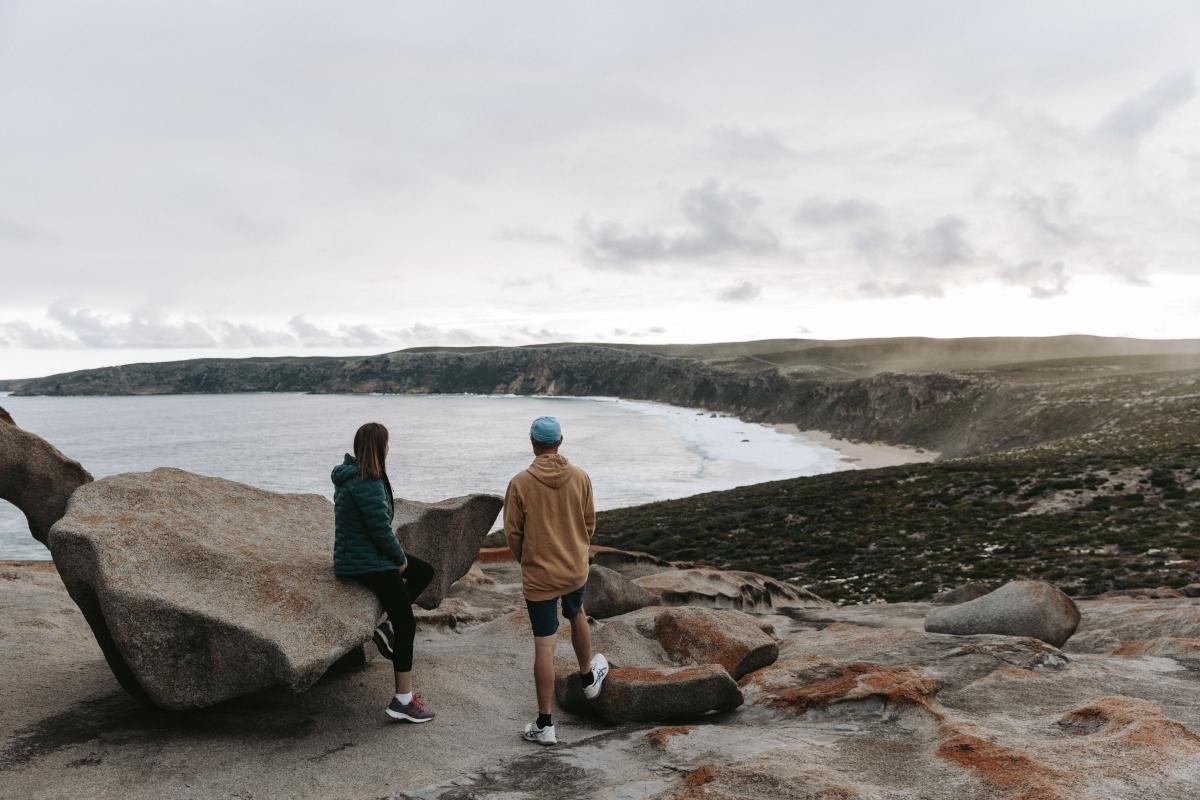
Australia's wildlife draws its own dedicated visits, from kangaroos and koalas in coastal reserves to the saltwater crocodiles of the tropical north. Kangaroo Island, off the coast of South Australia, combines sea lion colonies, koala populations and rugged cliff scenery in a compact area reachable by ferry from Adelaide. Tasmania, the island state south of Melbourne, adds cooler-climate wilderness, with Cradle Mountain and the Tarkine rainforest among its better-known walking areas.
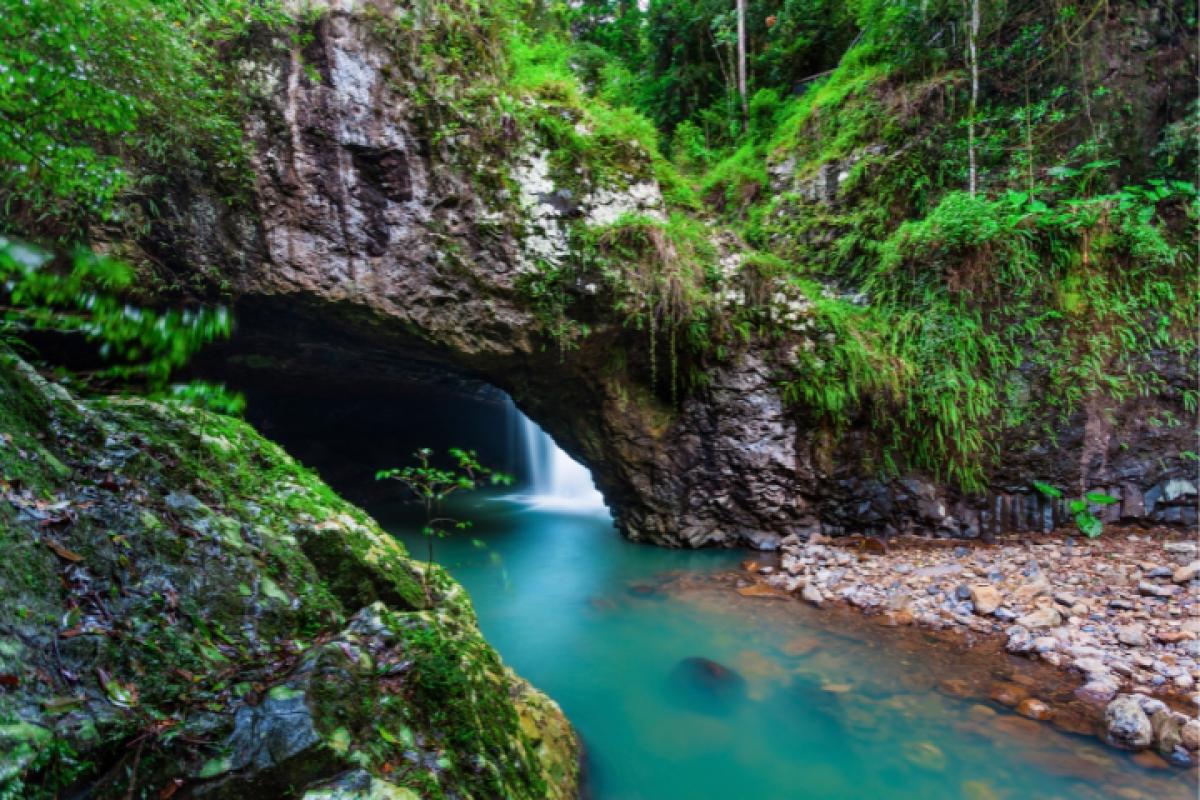
Packages range from single-city stays to itineraries that link Sydney, the reef and the Red Centre over one or two weeks, with domestic flights covering the long distances between regions. Some tours focus on a single national park or activity, such as the Spring Brook National Park Self Guided Driving Tour with an APP, which explores the rainforest and waterfalls of southeast Queensland's hinterland at a traveler's own pace.
Self-guided and app-based tours have become common in Australia given the distances involved, letting travelers set their own schedule between stops rather than following a fixed group itinerary.
Seasons run opposite to the northern hemisphere, with December through February marking summer and June through August the cooler winter months. The east coast and Red Centre are generally most comfortable from April to October, when temperatures are milder and rainfall lower in the tropical north. Queensland's wet season, from roughly November to March, brings higher humidity and the possibility of tropical storms, though it also coincides with lower prices and fewer crowds at the reef.
Given Australia's size, domestic flights are the practical way to move between Sydney, Melbourne, Cairns and Uluru, while regional trains and coach services connect closer destinations along the coast. Car hire suits travelers focusing on one region, such as the Great Ocean Road southwest of Melbourne or the drive between Cairns and Port Douglas, but is less practical for covering the country end to end.