
Free Cancellation




-high.jpg&w=1920&q=75 "Incredible Australia 13 Day Tour Packages")



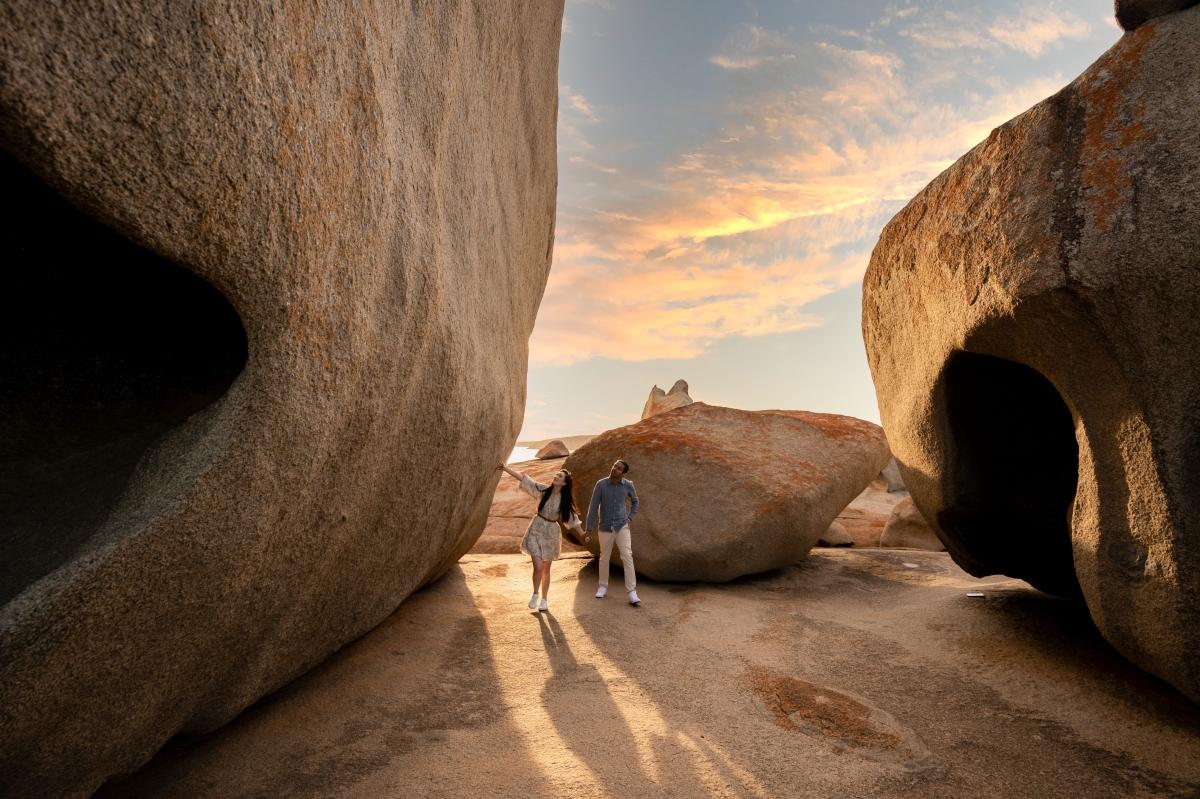
Oceania spans the widest stretch of any region covered here, running from Australia's interior deserts to the volcanic islands of Fiji, Vanuatu and beyond, with New Zealand's mountains and fjords anchoring the southern end. The distances between destinations are large, often measured in hours of flying rather than driving, and the region rewards travelers who focus on one or two countries rather than attempting to cover all of it in a single trip. Coral reefs, rainforest and coastline dominate the geography, and outdoor activity, diving, hiking, surfing, drives most itineraries more than city sightseeing. Population is concentrated in a handful of coastal cities, and inland or outer-island areas can feel sparsely visited even during peak season.
Climate varies sharply across Oceania. Northern Australia and the Pacific islands sit in the tropics, with wet and dry seasons rather than four distinct ones, while southern Australia and New Zealand experience a temperate climate closer to the seasons familiar in Europe or North America. Because of this spread, the right time to travel depends heavily on which part of the region is the focus, and a trip built around New Zealand's ski season looks nothing like one timed for Fiji's dry months. Booking flights well ahead matters more here than in more compact regions, since routes between smaller islands run less frequently and seats can be limited.
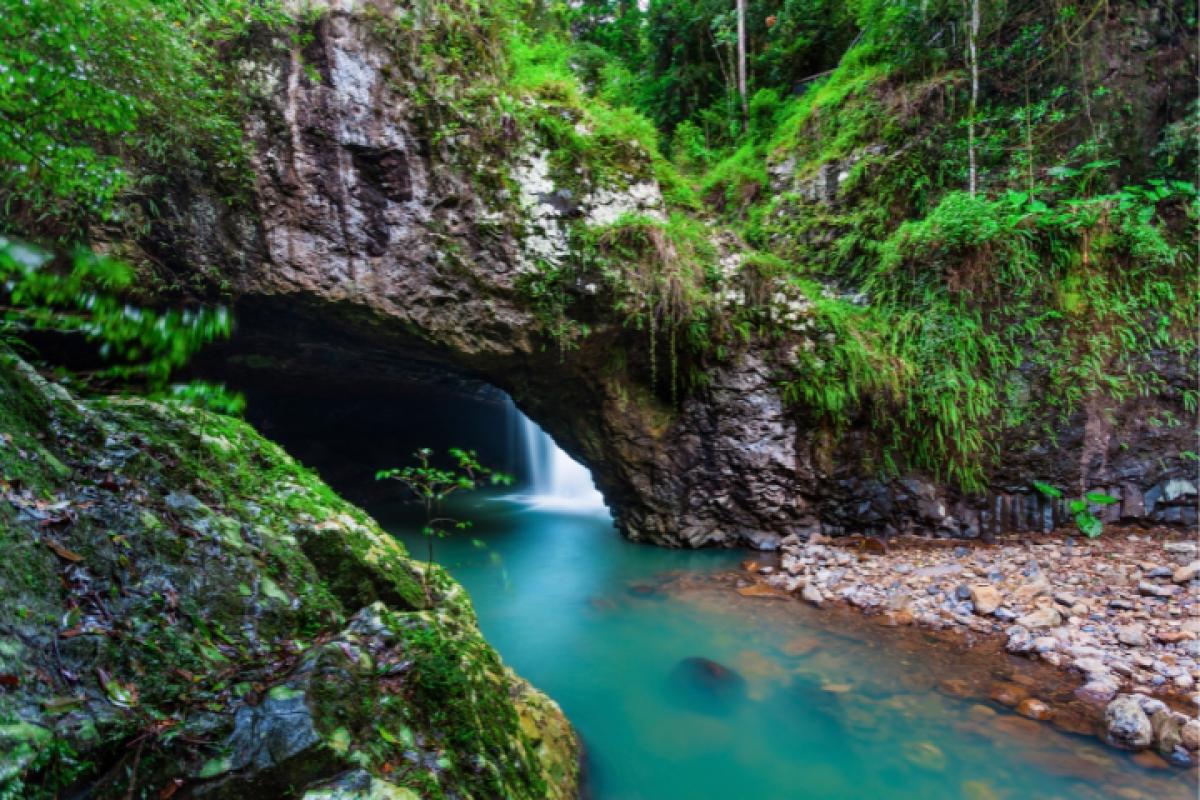
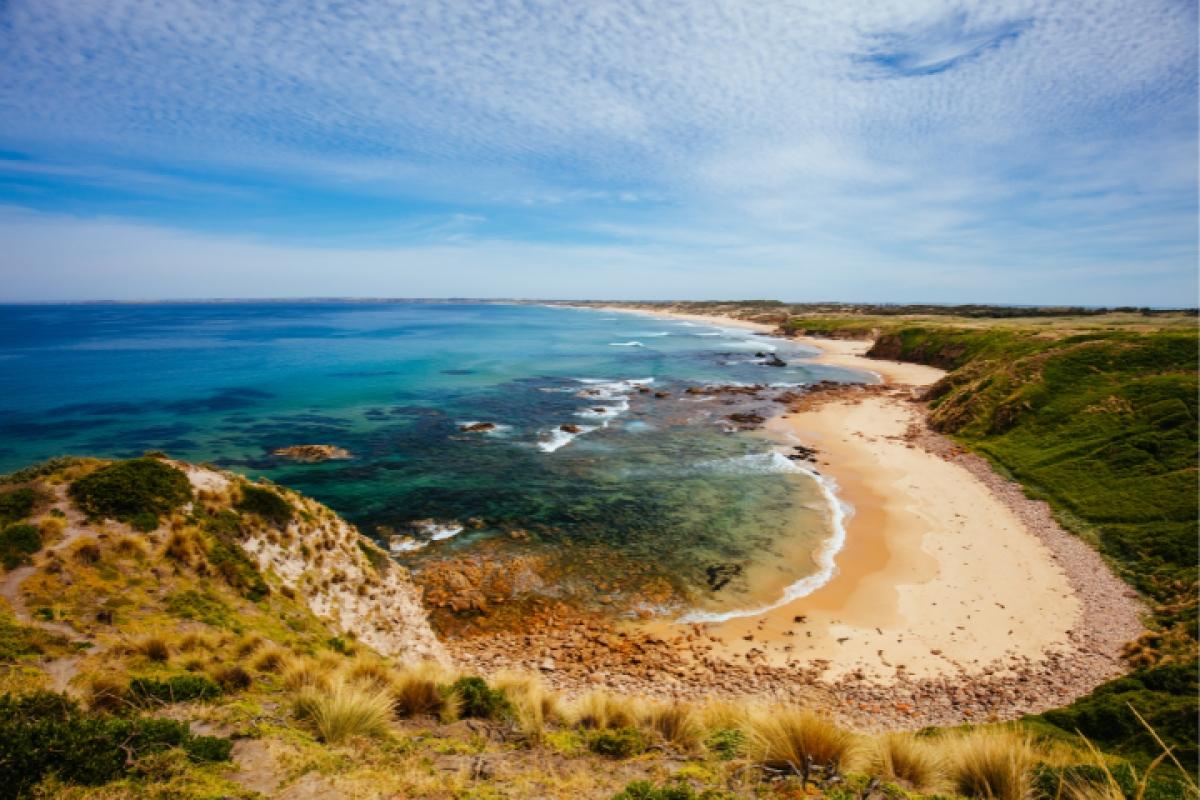
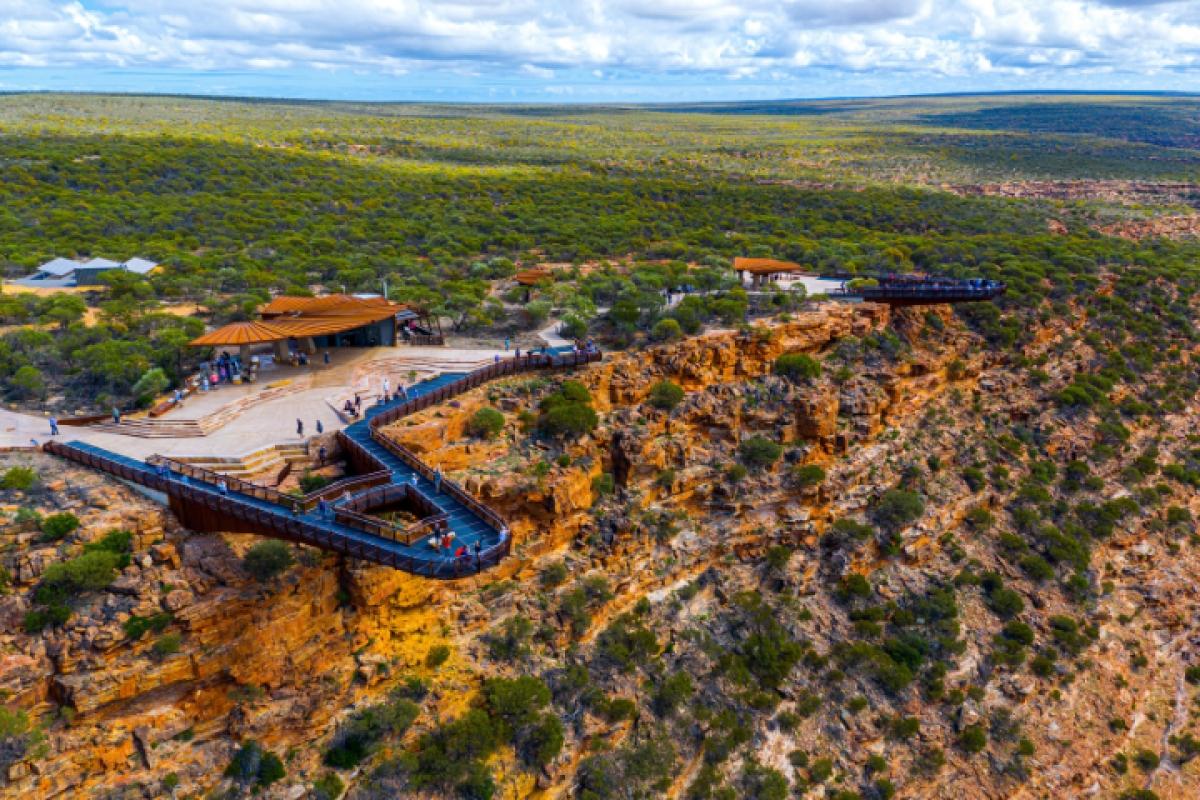
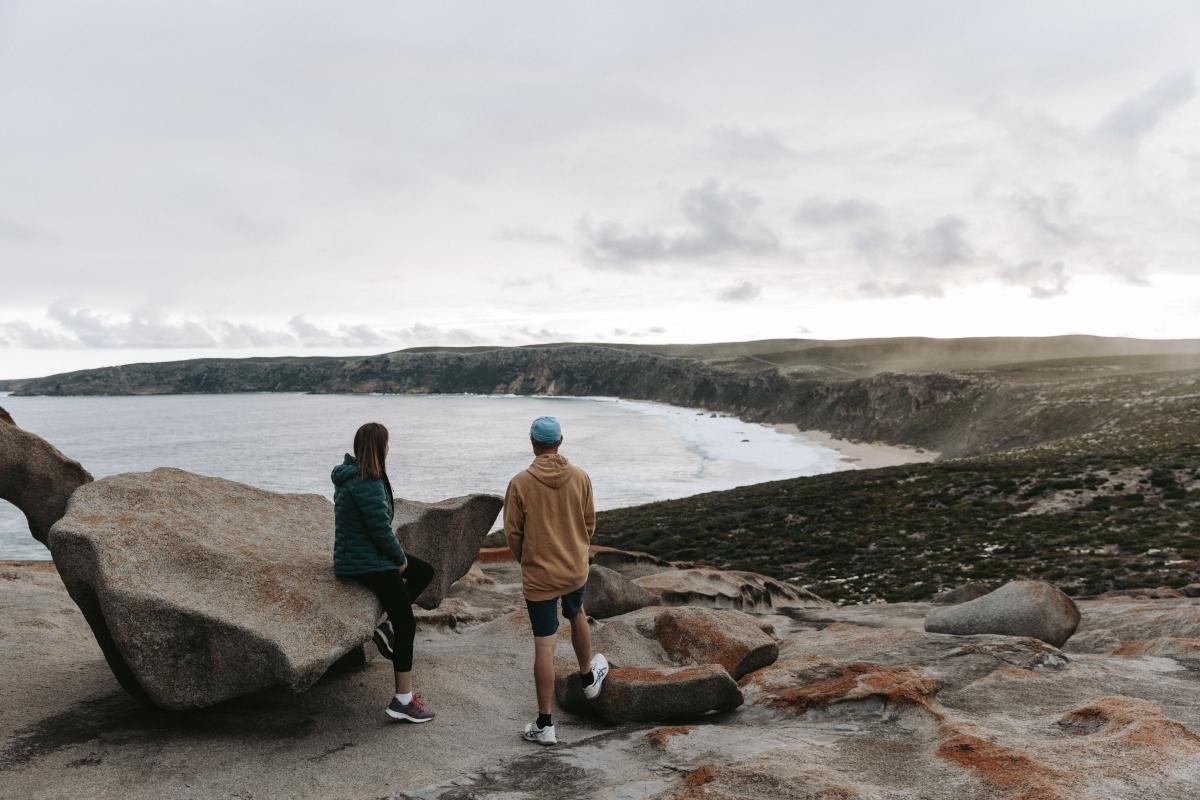
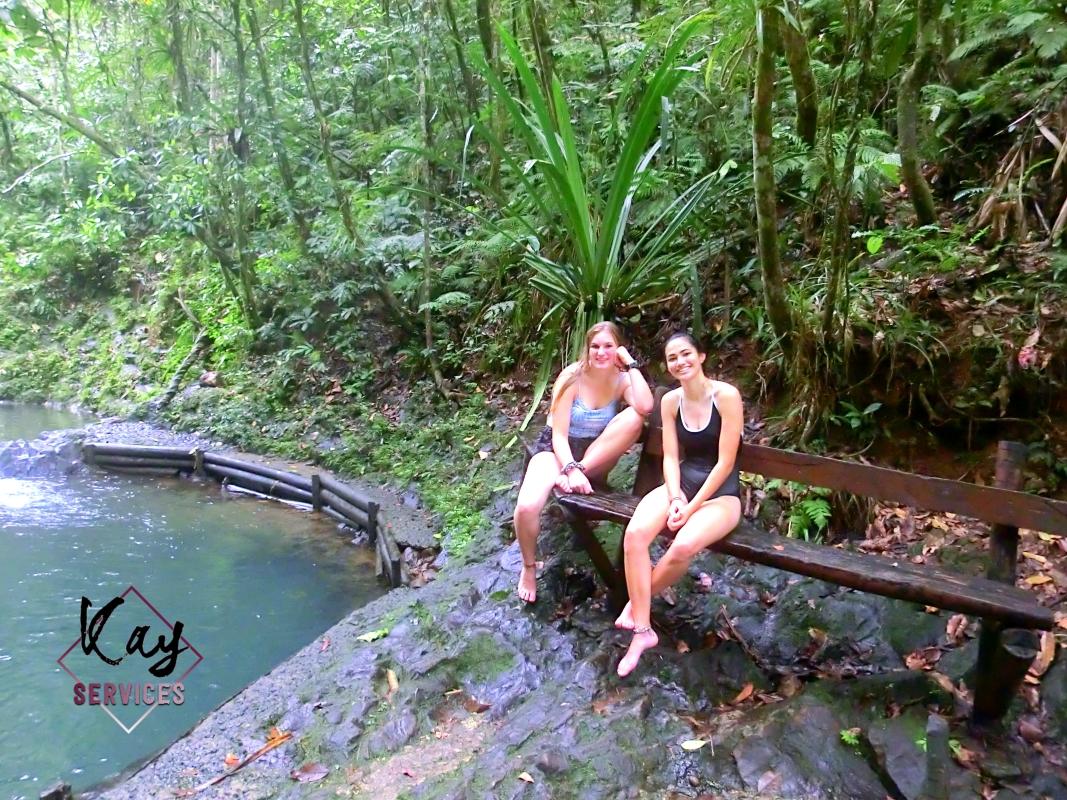
Australia accounts for most of Oceania's land area, and its national parks range from the rainforest of the Daintree in the north to the red desert around Uluru in the center. Off the northeast coast, the Great Barrier Reef stretches over 2,300 kilometers and remains the region's most recognized diving and snorkeling destination, accessible from gateway towns such as Cairns and Airlie Beach. Sydney, the country's largest city, pairs its harbor and Opera House with easy access to the Blue Mountains, a sandstone plateau to the west known for eucalyptus forest and multi-day walking tracks, and the Great Ocean Road further south links a string of beaches and the limestone stacks of the Twelve Apostles on a common multi-day drive out of Melbourne. Along the Gold Coast hinterland, Springbrook National Park protects a section of the Gondwana Rainforests, with waterfalls, ancient Antarctic beech trees and lookout points over the coast below. Travelers based in the region can visit independently with the Spring Brook National Park Self Guided Driving Tour with an APP, which uses an app-based audio guide to direct visitors between the park's main viewpoints and trailheads at their own pace.
Aboriginal culture in Australia extends back more than 60,000 years, and sites such as Uluru and Kakadu National Park hold rock art and stories tied to specific clans and language groups, with guided tours led by Aboriginal rangers available in several parks. In New Zealand, Maori culture remains visible in daily life, from the haka performed before rugby matches to marae, communal meeting grounds that host cultural performances and welcome ceremonies for visitors in cities such as Rotorua and Auckland. Pacific island nations carry their own distinct traditions, and village visits in Fiji or Samoa often include a kava ceremony, where a mildly sedative drink made from the kava root is shared as a mark of welcome.
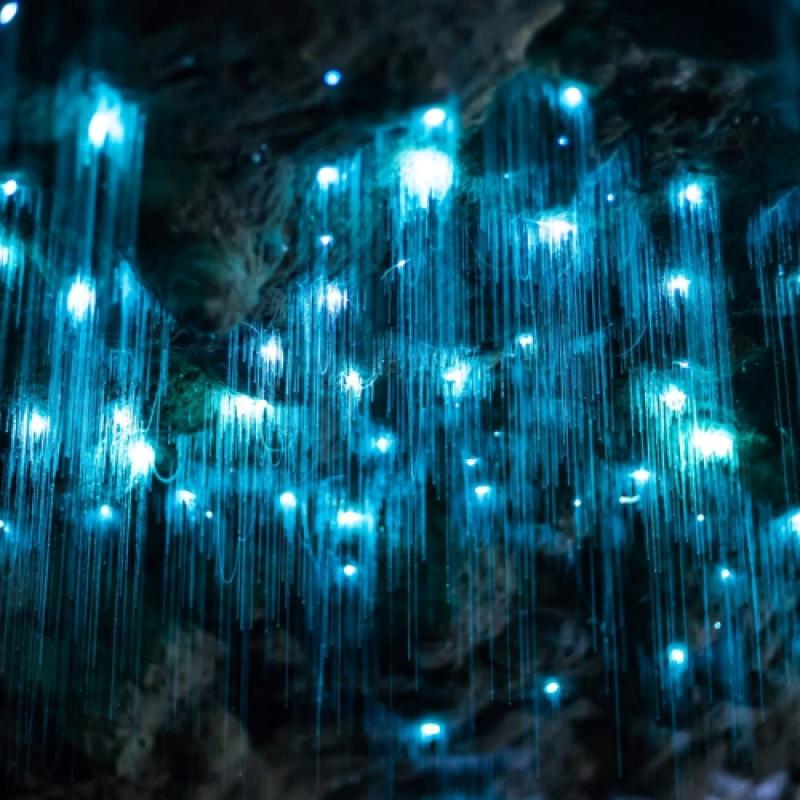
New Zealand splits into two main islands with distinct character. The North Island holds most of the country's population and its geothermal areas around Rotorua, while the South Island carries the bulk of its mountain scenery, including the Southern Alps and Fiordland National Park, home to Milford Sound. Queenstown, on the South Island, has built its reputation on adventure tourism, offering bungee jumping, jet boating and skydiving against a backdrop of lake and mountain scenery. Further north on the North Island, the Waitomo Caves are known for glowworms that light the cave ceilings in small blue-green points, viewed by boat or on guided walking routes. New Zealand also maintains a network of Great Walks across both islands, multi-day tracks maintained to a higher standard than typical backcountry trails and popular with both local and international hikers, including the Milford and Routeburn tracks, both of which require advance booking during peak summer months.
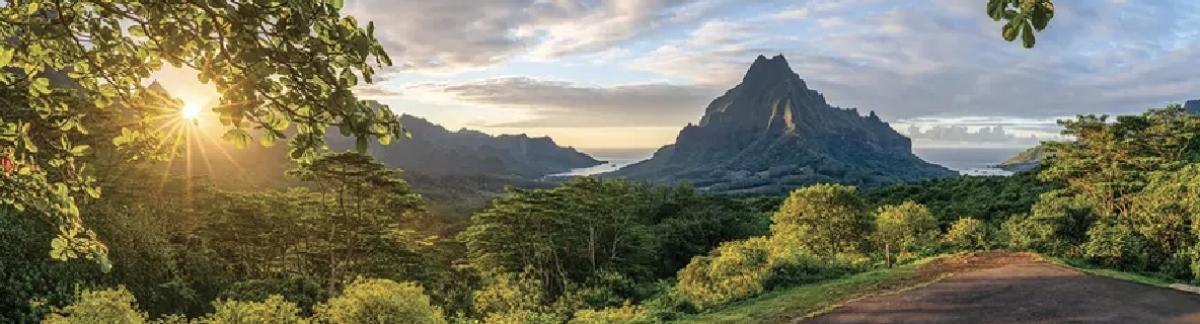
Fiji, made up of more than 300 islands, centers much of its tourism around Nadi and the Mamanuca and Yasawa island chains, where reef diving and snorkeling draw visitors to resorts built directly on the water. Beyond Fiji, islands such as Vanuatu, Samoa and the Cook Islands offer a similar mix of reef and volcanic landscape with far fewer visitors, and interisland travel usually requires small propeller flights or ferries rather than the larger jets that connect the main hubs. Tonga, further south, is one of the few places in the world where swimming with humpback whales is permitted, drawing visitors during the whale season from July through October.
Australia's shoulder seasons, September through November and March through May, avoid both the summer heat in the interior and the wet season in the tropical north. New Zealand's summer, December through February, suits both hiking and the ski towns that switch over to winter sports later in the year. Fiji and the Pacific islands are driest and least humid from May through October, outside the cyclone season that runs roughly November through April. Shoulder-season travel across the region generally means fewer crowds at major sites like Uluru and Milford Sound, without sacrificing much in the way of weather.