
Free Cancellation
Fiji Tours introduce travelers to a South Pacific archipelago of more than three hundred islands, around a third of which are inhabited, scattered across warm, reef-lined waters between the equator and the Tropic of Capricorn. The islands range from the volcanic peaks of Viti Levu and Vanua Levu, Fiji's two largest landmasses, to the low coral islets of the Mamanuca and Yasawa chains, and the country's appeal rests on this mix of reef, rainforest and village life rather than any single landmark.
Most visitors arrive through Nadi on Viti Levu's western coast, home to Fiji's main international airport and the jumping-off point for boat trips to the outer islands, as part of a wider look at Oceania. Fiji's capital, Suva, sits on the opposite, wetter side of Viti Levu and functions more as the country's administrative and commercial center than as a beach destination.
The Mamanuca and Yasawa groups lie off Nadi and Denarau and are the islands most associated with Fiji's reputation for clear water and coral reefs, reached by day boat or scheduled inter-island ferry. The Mamanucas sit closer to the mainland and suit shorter day trips, while the Yasawas stretch further north in a longer chain better suited to multi-day island hopping. Snorkeling around both groups takes in coral gardens and reef fish close to shore, and the islands themselves range from small, quiet outcrops to slightly larger settlements with basic services.
Fiji's reefs extend well beyond the islands most visitors see from the beach. Beqa Lagoon, off the south coast of Viti Levu, is a well-known site for shark dives, while the Somosomo Strait between Vanua Levu and Taveuni, often called the Rainbow Reef, is known for soft coral in a wide range of colors. Further south, the Great Astrolabe Reef off Kadavu ranks among the larger barrier reefs in the Pacific. These sites vary considerably in accessibility, and most require a dedicated dive trip rather than a stop on a general sightseeing itinerary.
Viti Levu, Fiji's largest island, holds both the international gateway at Nadi and the capital, Suva, on its southeastern coast. Suva carries a mix of colonial-era buildings, markets and government institutions and gives a different, more urban side of Fiji than the outer islands. Inland, Viti Levu's interior rises into forested hills and highland villages, with waterfalls and rivers that draw hikers away from the coast.
Kava, known locally as yaqona, is a mildly sedative drink made from a pounded root and shared in a traditional welcome ceremony called sevusevu when visitors are received into a Fijian village. The ceremony involves a formal presentation of kava root to the village chief and a shared bowl passed among guests and hosts, and it remains a genuine social custom rather than a performance staged only for tourists. Village visits arranged through local guides typically include this ceremony alongside a look at daily life away from the coast.
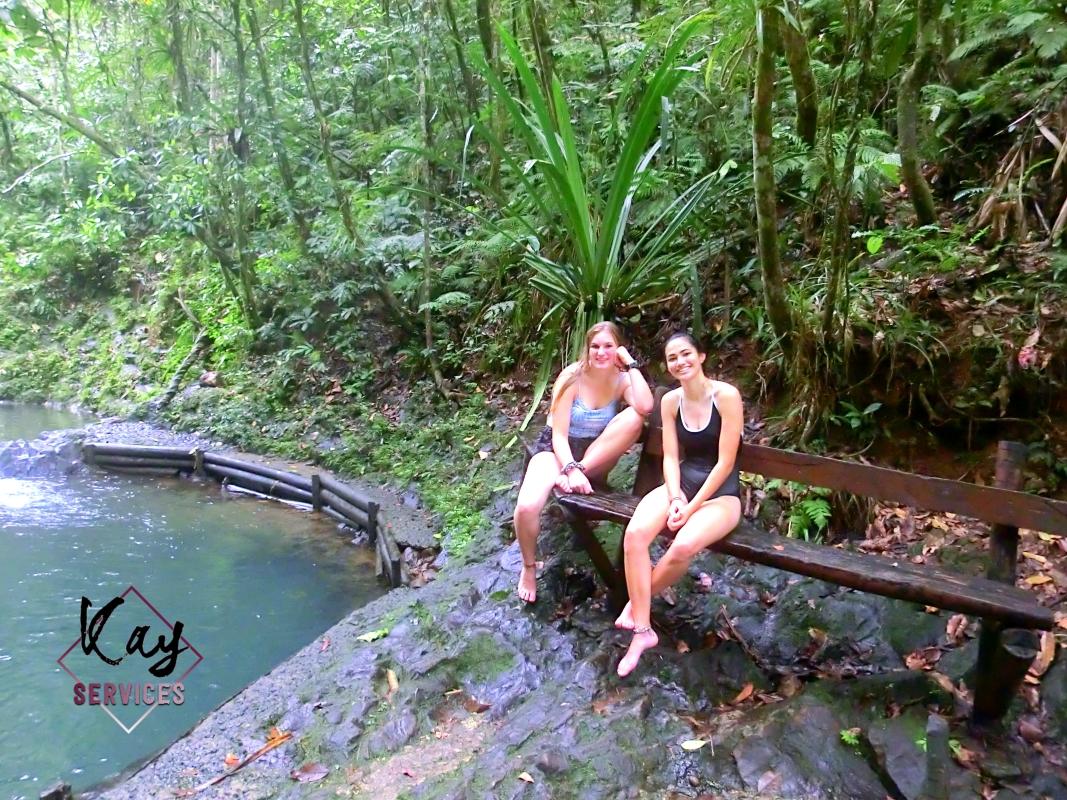
Tour options covering Fiji remain limited compared with better-established Pacific destinations, and itineraries tend to focus on a single region rather than a full-country circuit. The Waterfalls and Nature Tour covers Fiji's inland scenery, taking in waterfalls and natural sites away from the beach.
Fiji's dry season runs roughly from May to October, with lower humidity and less rainfall than the wetter months from November to April, which also carry a higher chance of tropical cyclones. Water temperatures stay warm year-round, so diving and snorkeling conditions depend more on rainfall and visibility than on temperature alone.