
Turkish Cuisine Guide: Food Culture & Must-Try Dishes
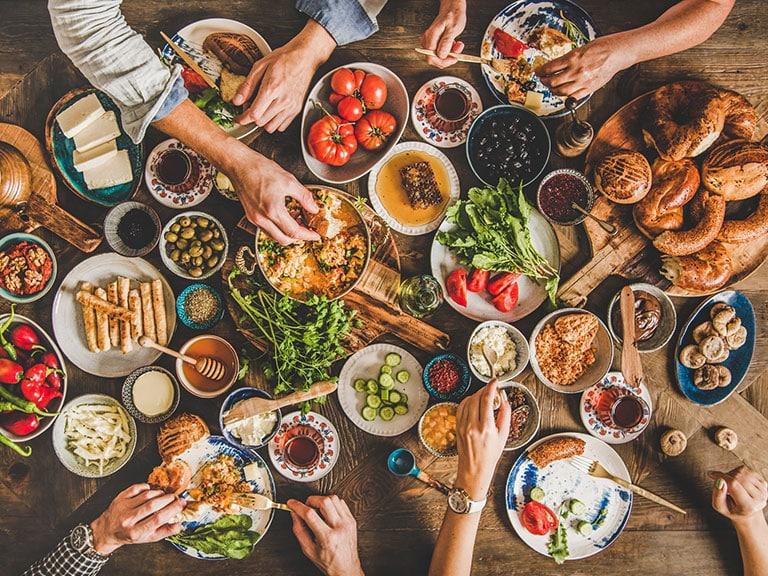
Turkish cuisine is one of the best reasons to travel around Turkey. Food changes noticeably as you move from one region to another. A breakfast in Van, a kebab in Gaziantep, fresh seafood on the Aegean coast, mantı in Kayseri, pide in the Black Sea region, and an Ottoman-style meal in Istanbul can feel like completely different culinary experiences.
This variety comes from Turkey's geography and centuries of cultural exchange. Anatolian, Ottoman, Mediterranean, Balkan, Caucasian, Middle Eastern, and Central Asian influences have all left their mark on the country's food culture. Meat, vegetables, olive oil, grains, yogurt, herbs, spices, bread, and seasonal ingredients are used differently from region to region.
For travelers, this means there is no single answer to the question, "What should I eat in Turkey?" The best way to understand Turkish cuisine is to experience it city by city and region by region. Travelers who want to build their trip around these regional flavors can also explore Turkey Culinary, Wine, Food & Tasting Tours, which combine local cuisine with destinations across the country.
Turkish Eating Culture and Traditions
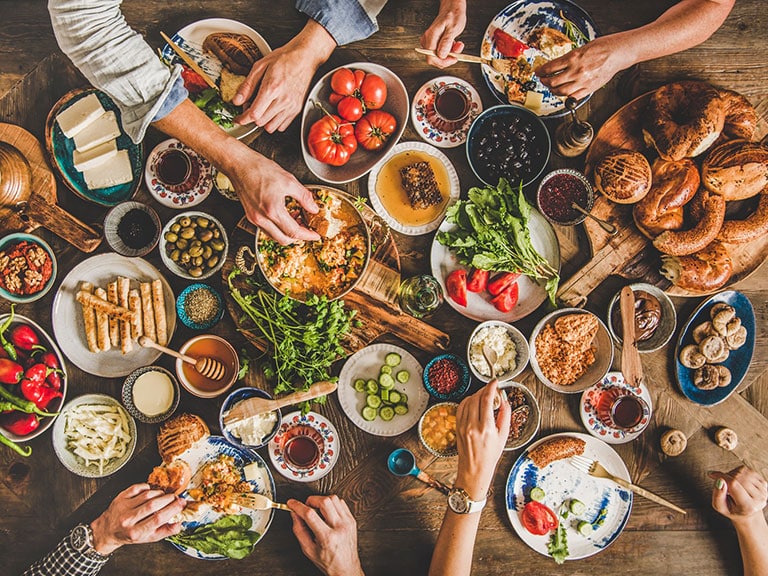
Food in Turkey is closely connected to hospitality. Meals are rarely treated as something to finish quickly, especially when family or friends gather around the table. Several dishes may be placed in the center and shared, while tea often continues long after the meal has ended.
Breakfast can stretch across an entire morning, particularly on weekends. Lunch may be simple, while dinner is often the main family meal. When visiting a traditional restaurant, it is also common to begin with soup or meze before moving on to grilled meat, kebab, fish, or another main dish.
Bread accompanies almost everything. Yogurt appears beside countless dishes, while tea is offered throughout the day. Turkish coffee has its own place in the culture and is usually enjoyed slowly rather than treated as a quick caffeine stop.
Another important thing to understand is that Turkish cuisine is highly regional. Asking what people eat in Turkey is almost like asking what people eat across an entire continent. The answer changes depending on where you are.
Traditional Turkish Foods You Should Try
Some Turkish foods can be found almost everywhere in the country. Even then, preparation methods, ingredients, and serving styles often change from one city to another.
Kebabs
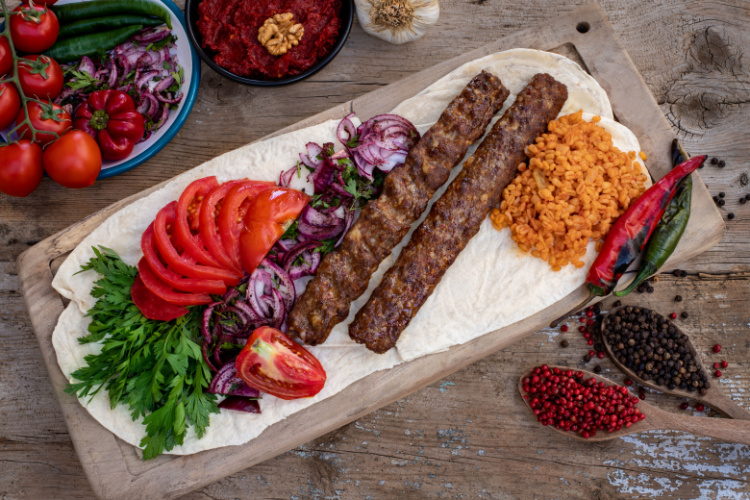
Kebab is not one specific dish. In Turkey, the word covers a large family of meat dishes prepared using different cuts, seasonings, cooking techniques, and regional traditions.
Adana kebab is minced meat mixed with pepper and grilled on a wide skewer, while Urfa kebab is generally milder. Patlıcan kebabı combines meat and eggplant, and testi kebabı is cooked inside a sealed clay pot. Other regional varieties include cağ kebabı, beyti, şiş kebab, and many more.
If you enjoy meat, trying only one kebab while visiting Turkey means seeing just a small part of the country's kebab culture.
Döner Kebab
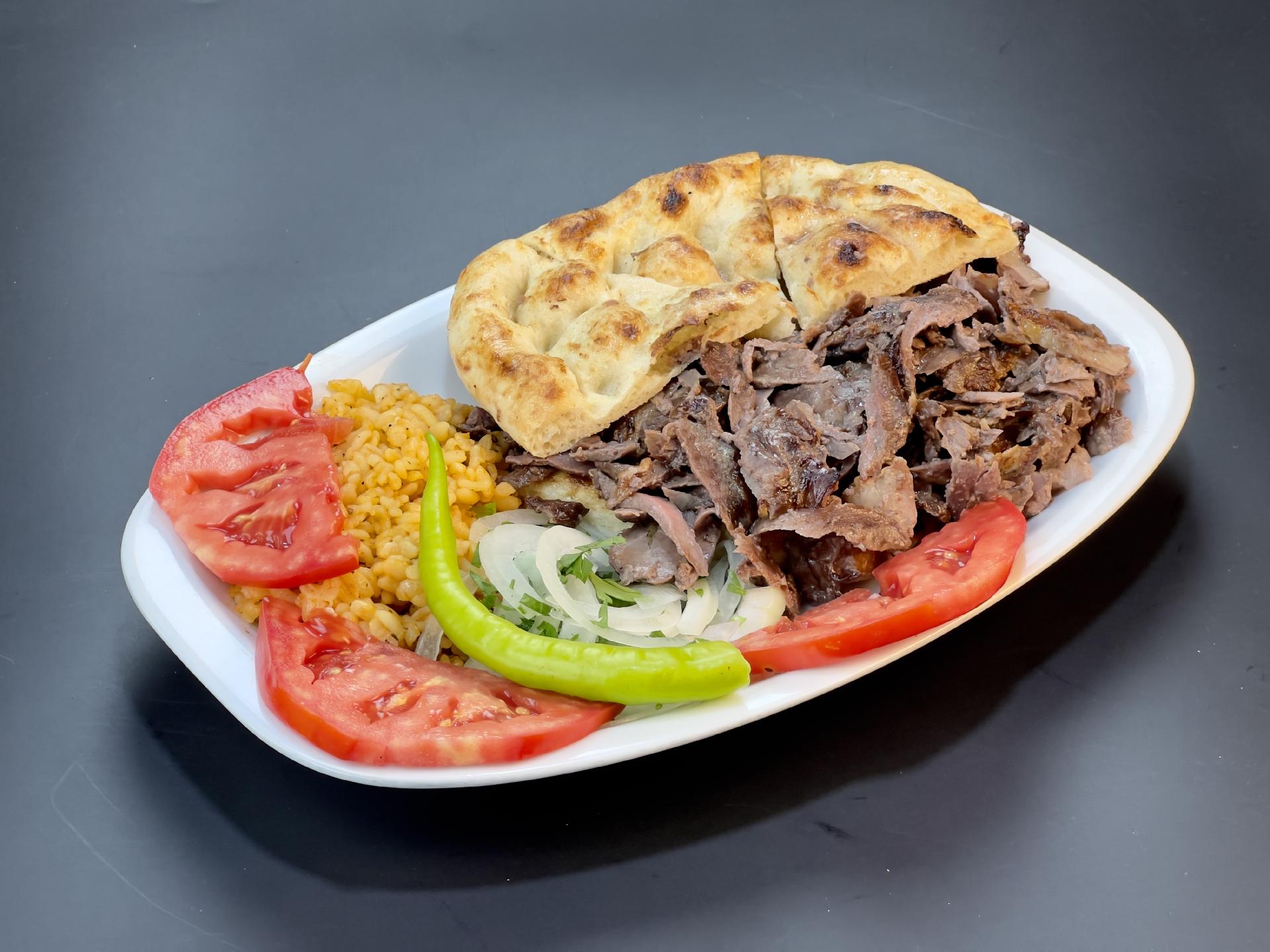
Döner is one of Turkey's most internationally recognized foods. Layers of seasoned meat rotate slowly on a vertical spit and are sliced as the outside cooks.
In Turkey, döner may be served on a plate with rice, inside bread, or wrapped in lavaş. Beef, lamb, chicken, or combinations of meats are common.
The experience can be quite different from the döner found outside Turkey, particularly at restaurants that prepare their meat traditionally rather than relying on heavily processed versions.
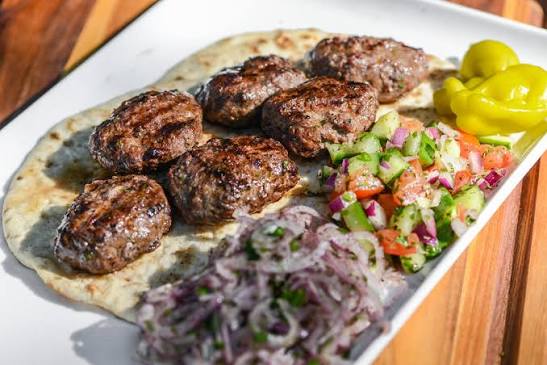
Köfte
Köfte is another food with dozens of regional identities. These seasoned meatballs can be grilled, fried, baked, or cooked in sauce.
İnegöl köfte from Bursa, Tekirdağ köfte, Akçaabat köfte from Trabzon, and İzmir köfte are among the best-known varieties. Trying köfte in different parts of Turkey is a simple way to see how even an everyday dish changes from region to region.
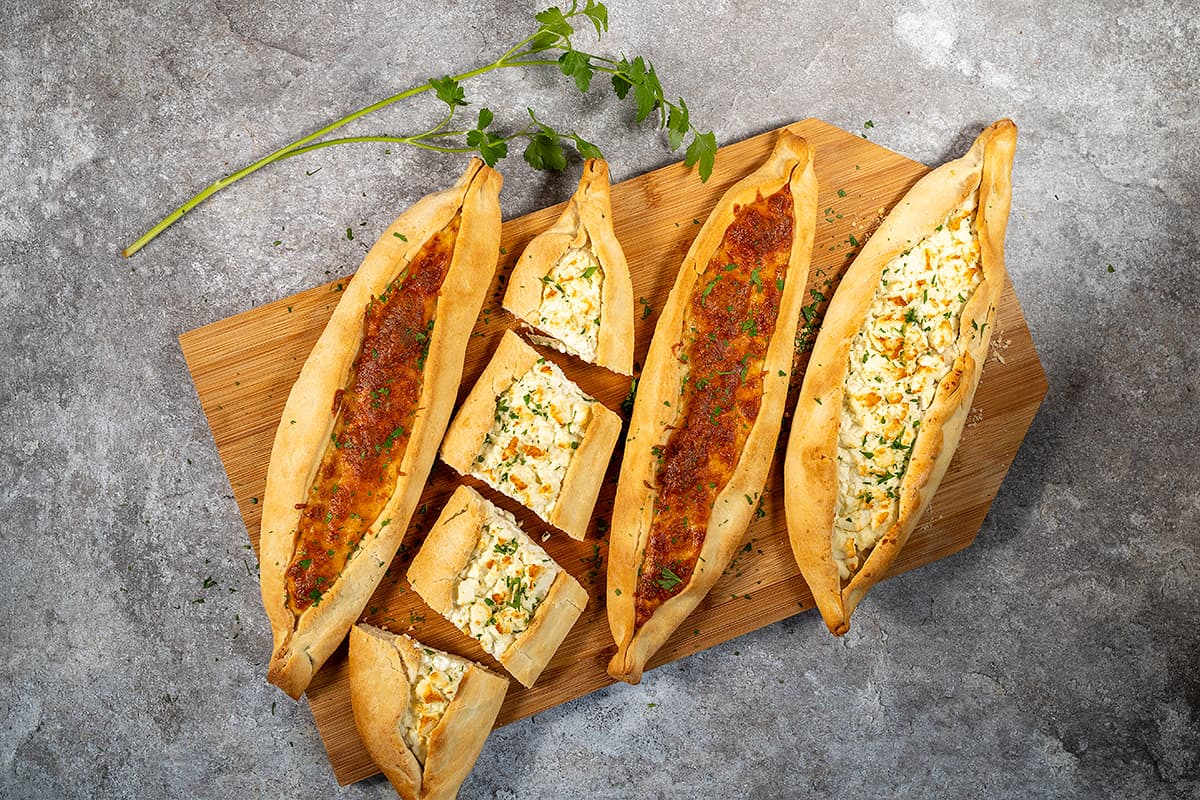
Pide
Often compared with pizza because of its shape, pide is a baked flatbread prepared with toppings such as minced meat, cheese, sucuk, eggs, or diced meat.
Black Sea cities are particularly famous for pide. Depending on the region, it can be long and open-faced or folded around its filling. Fresh from a stone oven, with crisp edges and a soft center, it is one of the easiest Turkish foods for first-time visitors to enjoy.
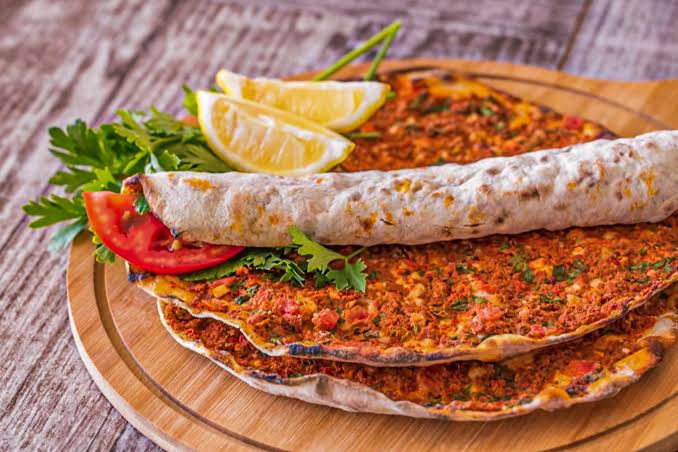
Lahmacun
Lahmacun consists of thin dough covered with finely minced meat, tomato, pepper, herbs, and spices before being baked at high heat.
It is traditionally eaten with parsley, greens, tomato, and lemon. Many people squeeze lemon over the top, add greens, roll it up, and eat it by hand.
Although sometimes called "Turkish pizza" abroad, its texture, toppings, and eating style are quite different.
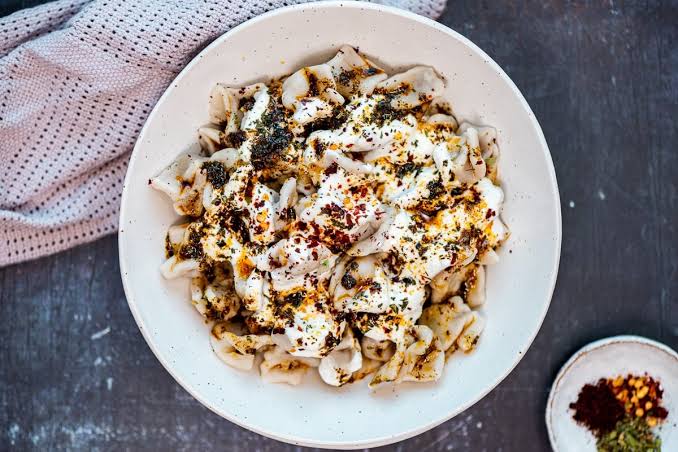
Mantı
Mantı is one of Anatolia's most famous comfort foods. Small pieces of dough are filled with minced meat, boiled, and usually served with garlic yogurt and butter flavored with red pepper.
Kayseri is particularly associated with mantı and is famous for its tiny handmade version. The combination of warm dumplings, cool yogurt, garlic, butter, and spices makes mantı quite different from other dumpling dishes travelers may already know.
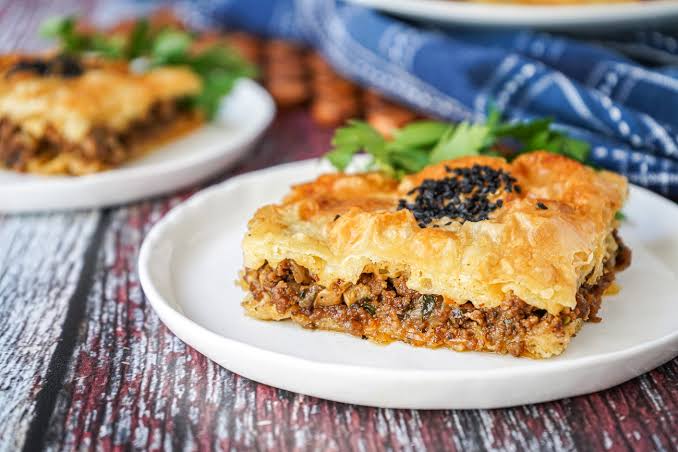
Börek
Börek is made from thin layers of dough filled with ingredients such as cheese, minced meat, spinach, or potatoes.
There are many forms, including su böreği, sigara böreği and kol böreği. You will find börek at bakeries, breakfast tables, restaurants, and homes throughout Turkey.
A warm slice of börek with a glass of Turkish tea is one of the simplest ways to experience everyday Turkish food culture.
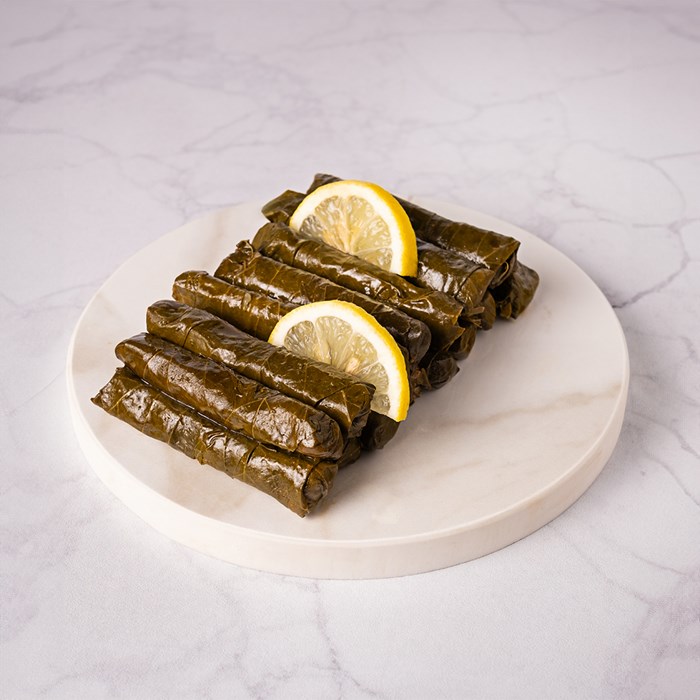
Dolma and Sarma
Dolma and sarma represent an important part of Turkish home cooking.
Sarma commonly refers to grape or cabbage leaves wrapped around a filling, while dolma usually refers to vegetables such as peppers, zucchini, or eggplants that have been stuffed.
Fillings can contain rice, herbs, spices, currants, pine nuts, or minced meat. Olive-oil versions are generally served cold or at room temperature, while meat-filled versions are usually served warm.
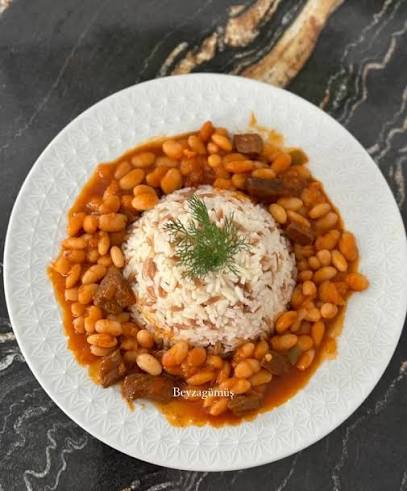
Kuru Fasulye and Pilav
Kuru fasulye, a white bean stew, served with rice is one of Turkey's classic home-style meals.
It is simple, filling, and far removed from the elaborate dishes visitors often associate with Turkish cuisine. Add pickles, yogurt, and fresh bread and you have a meal that generations of people across Turkey have grown up eating.
For travelers interested in everyday Turkish food rather than only famous restaurant dishes, kuru fasulye and pilav are worth trying.
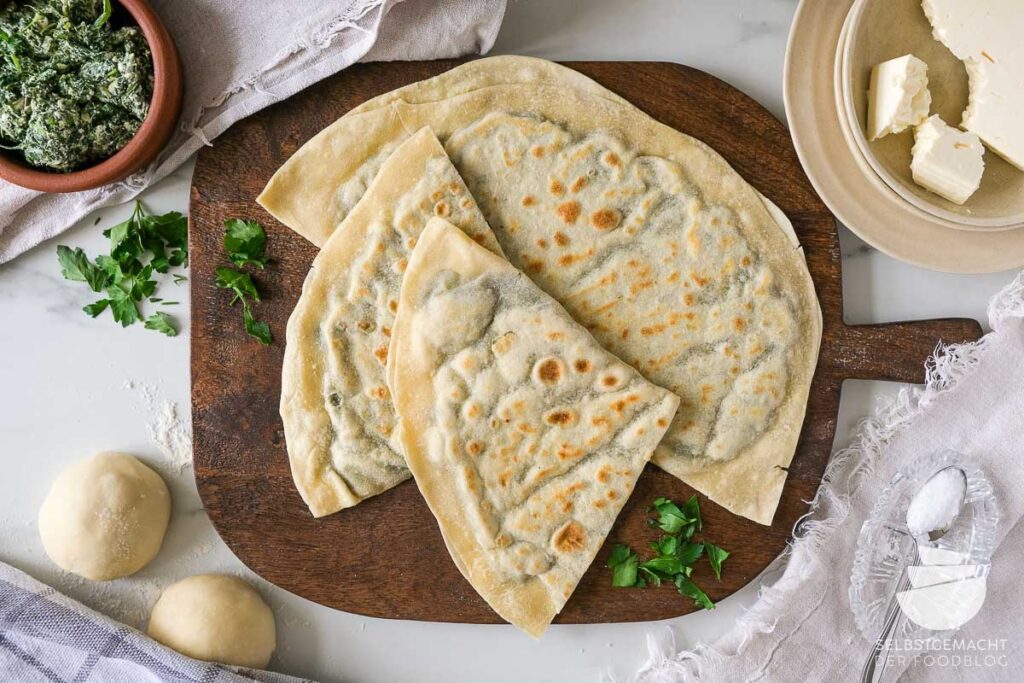
Gözleme
Gözleme is thin dough filled with ingredients such as cheese, spinach, potatoes, minced meat, or herbs and cooked on a large convex griddle called a sac.
It is especially common at traditional breakfast spots, village restaurants, markets, and roadside establishments. Watching gözleme being rolled and cooked in front of you is part of the experience.
Best Food Cities in Turkey
One of the best ways to explore Turkish cuisine is through its cities. Certain destinations have such distinctive culinary identities that food alone can justify visiting them.
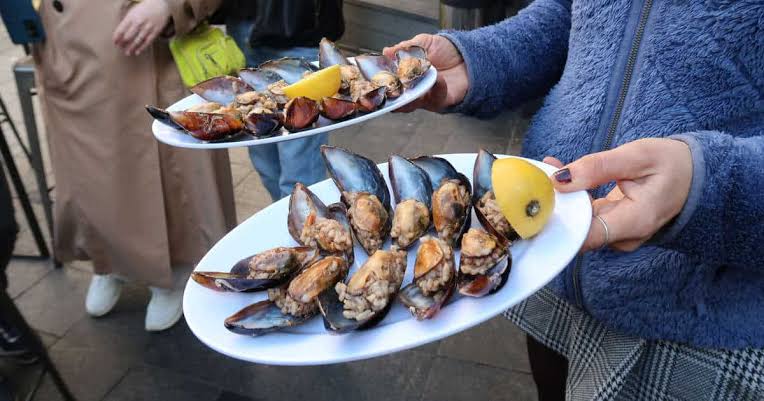
Istanbul – Street Food and Ottoman Cuisine
Istanbul brings almost every part of Turkish cuisine together in one city. You can begin the morning with simit and tea, eat traditional dishes for lunch, try street food in the afternoon, and finish the evening with Ottoman cuisine or fresh fish.
Balık ekmek around the waterfront, döner, köfte, börek, kokoreç, stuffed mussels, kumpir, and the famous ıslak hamburger are among the foods associated with the city's street culture.
Istanbul is also one of the best places to explore Ottoman culinary traditions. Restaurants specializing in historical recipes offer dishes built around slow-cooked meats, rice, dried fruits, spices, and combinations of sweet and savory flavors.
For first-time visitors, Istanbul is perhaps the easiest introduction to the enormous variety of Turkish food. You can explore these flavors through Istanbul Culinary, Wine, Food & Tasting Tours, or dedicate several days to the city's cuisine with the 3 Day Gourmet Tour Istanbul.
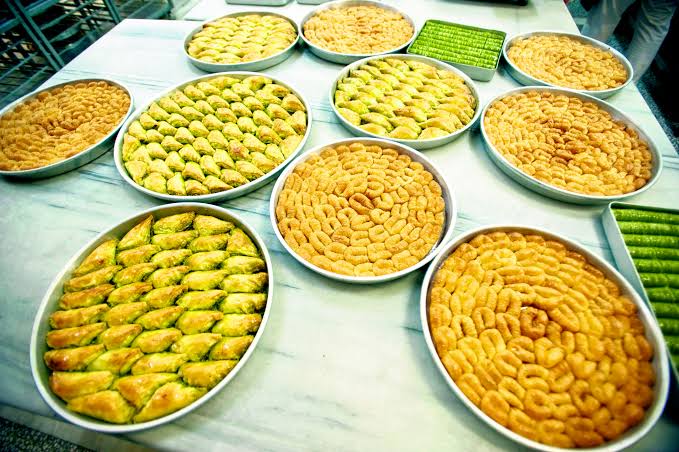
Gaziantep – Kebabs, Baklava and Pistachios
Gaziantep is one of Turkey's essential destinations for anyone traveling specifically for food.
The city is famous for kebabs, baklava, pistachios, beyran, yuvalama, Ali Nazik, lahmacun, katmer, and countless other local dishes.
Breakfast can even begin with beyran, a hot soup-like dish made with lamb, rice, garlic, and pepper. Later in the day, kebabs dominate many tables.
And then there is baklava. Gaziantep's connection with pistachios and pastry-making makes eating freshly prepared baklava here a very different experience from simply ordering it as dessert elsewhere.
For a deeper look at the region, the 5 Day Gaziantep & Şanlıurfa Culinary and Heritage Tour with Göbeklitepe combines two of southeastern Turkey's major food destinations with their historical heritage. Travelers who prefer a hands-on experience can also join a Daily Gaziantep Cooking Lesson & Shopping Tour to discover local ingredients and cooking traditions more closely.
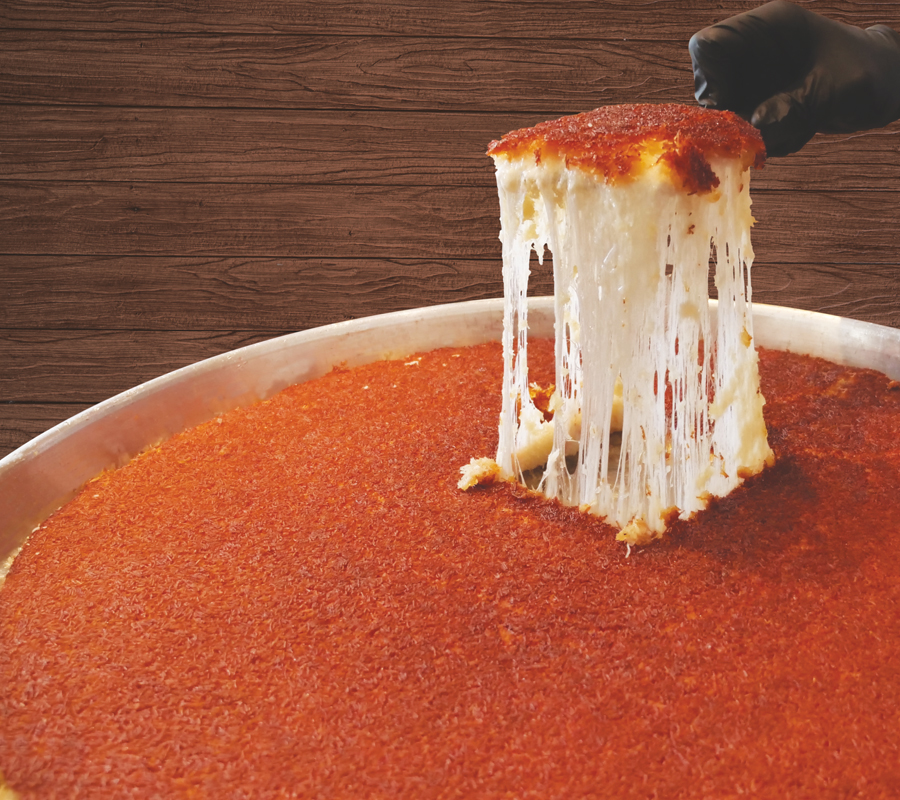
Hatay – Künefe, Meze and Southern Flavors
Hatay has one of Turkey's most distinctive regional cuisines. Its location and multicultural history have created a food culture rich in herbs, spices, olive oil, meat, and meze.
Tepsi kebabı, oruk, hummus, muhammara, zahter dishes and numerous small plates are common parts of the local cuisine.
Hatay is also the home of one of Turkey's best-known desserts: künefe. It combines shredded pastry, melted cheese, syrup, and pistachios and is served hot.
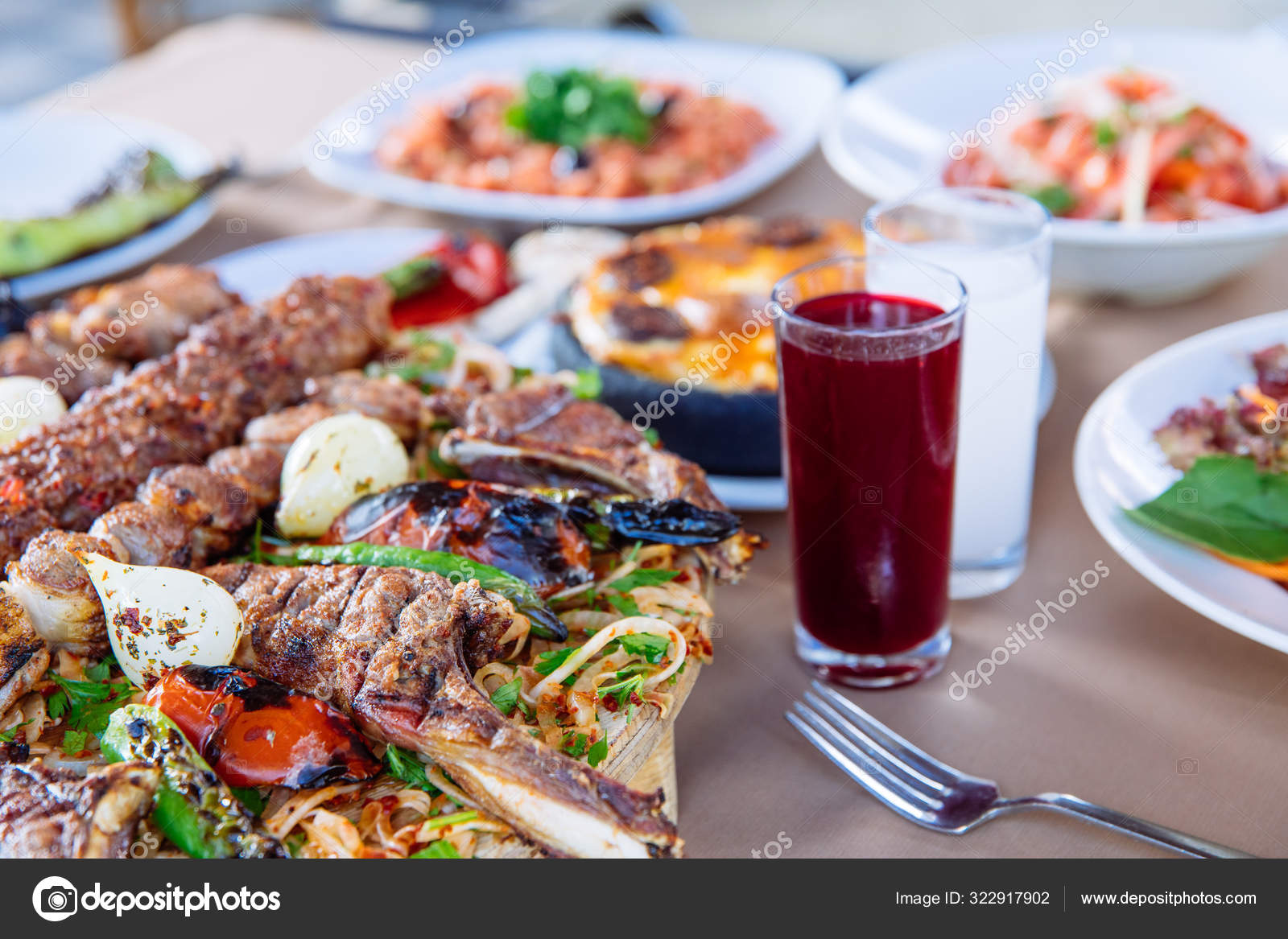
Adana – Adana Kebab and Şalgam
Adana's food culture is bold, grilled, and full of character.
The city's signature Adana kebab is prepared with minced meat and pepper, shaped around a wide skewer, and cooked over charcoal. It usually arrives with grilled vegetables, flatbread, onions, herbs, and salads.
A cold glass of şalgam, a fermented drink associated strongly with southern Turkey, is a classic accompaniment.
Şanlıurfa – Çiğ Köfte and Isot
Şanlıurfa's cuisine reflects the food traditions of Southeastern Anatolia.
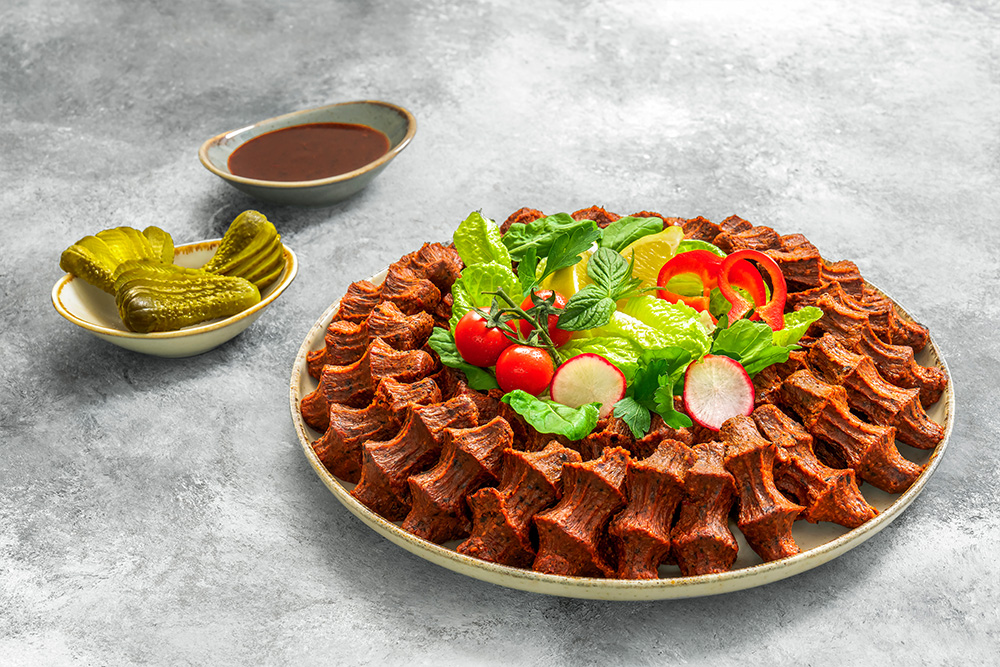
Urfa kebab, lahmacun, eggplant dishes, içli köfte and local specialties flavored with isot pepper are central to its culinary identity.
Çiğ köfte also has deep historical ties to the region. Modern commercially sold versions are generally meat-free and prepared with bulgur, tomato and pepper pastes, herbs, spices, and isot.
Diyarbakır – Kaburga Dolması and Local Cuisine
Diyarbakır offers a heavier, meat-focused cuisine influenced by the traditions of Southeastern Anatolia.
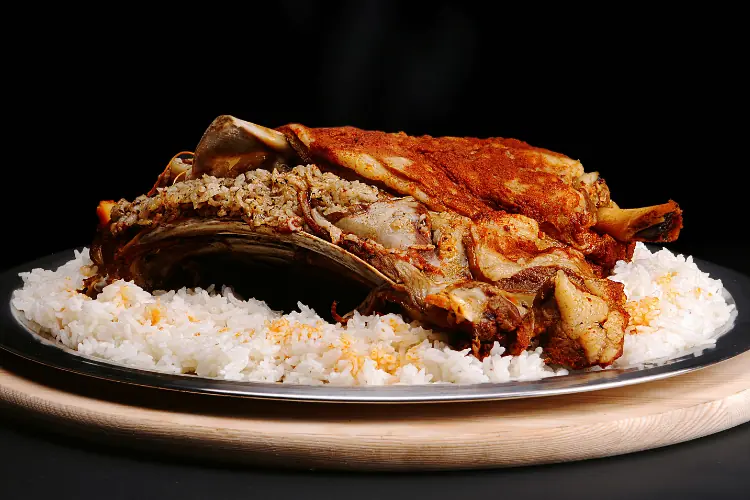
Kaburga dolması is one of its signature dishes: lamb ribs are stuffed with seasoned rice and slowly cooked until tender.
The city is also known for liver kebab, meftune and dishes combining meat with local vegetables and spices. If you enjoy strong, deeply savory flavors, Diyarbakır deserves attention.
Mardin – Spices and Mesopotamian Cuisine
Mardin's cuisine reflects the city's multicultural history and its position in ancient Mesopotamia.
Spices, grains, meat, almonds, bulgur, and dried fruits appear frequently in local cooking. Dishes such as sembusek, ikbebet and alluciye demonstrate combinations that are difficult to find elsewhere in Turkey.
Food in Mardin feels closely connected to the history and communities of the city, making it particularly interesting for culinary travelers. One way to experience this transition from Turkey's major metropolis into the flavors of southeastern Anatolia is the 12 Day Istanbul to Mesopotamia Cultural & Gastronomy Tour.
Konya – Etli Ekmek and Fırın Kebabı
Konya is famous for etli ekmek, a very long and thin flatbread topped with a finely chopped mixture of meat and vegetables.
Another local specialty is fırın kebabı, traditionally prepared by slowly roasting lamb until exceptionally tender.
Konya's food tends to be straightforward and hearty, reflecting Central Anatolian cooking traditions.
Kayseri – Mantı and Pastırma
Kayseri is the city most strongly associated with mantı.
The city is also famous for pastırma, cured beef covered with a seasoned paste known as çemen, and sucuk, a heavily seasoned sausage commonly eaten at breakfast or used in dishes such as eggs and pide.
Kayseri is an excellent destination for travelers who want to explore traditional Central Anatolian flavors.
Bursa – İskender Kebab and Candied Chestnuts
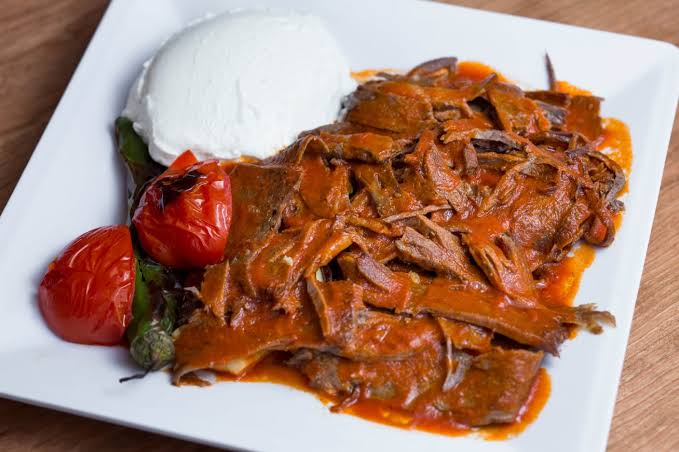
Bursa is the birthplace of İskender kebab.
Thin slices of döner are placed over pieces of pide, covered with tomato sauce and butter, and served with yogurt. The combination is rich, satisfying, and quite different from eating döner in a sandwich.
For dessert, Bursa is also known for kestane şekeri, or candied chestnuts.
İzmir – Boyoz, Kumru and Aegean Flavors
İzmir offers a lighter side of Turkish cuisine alongside its famous street foods.
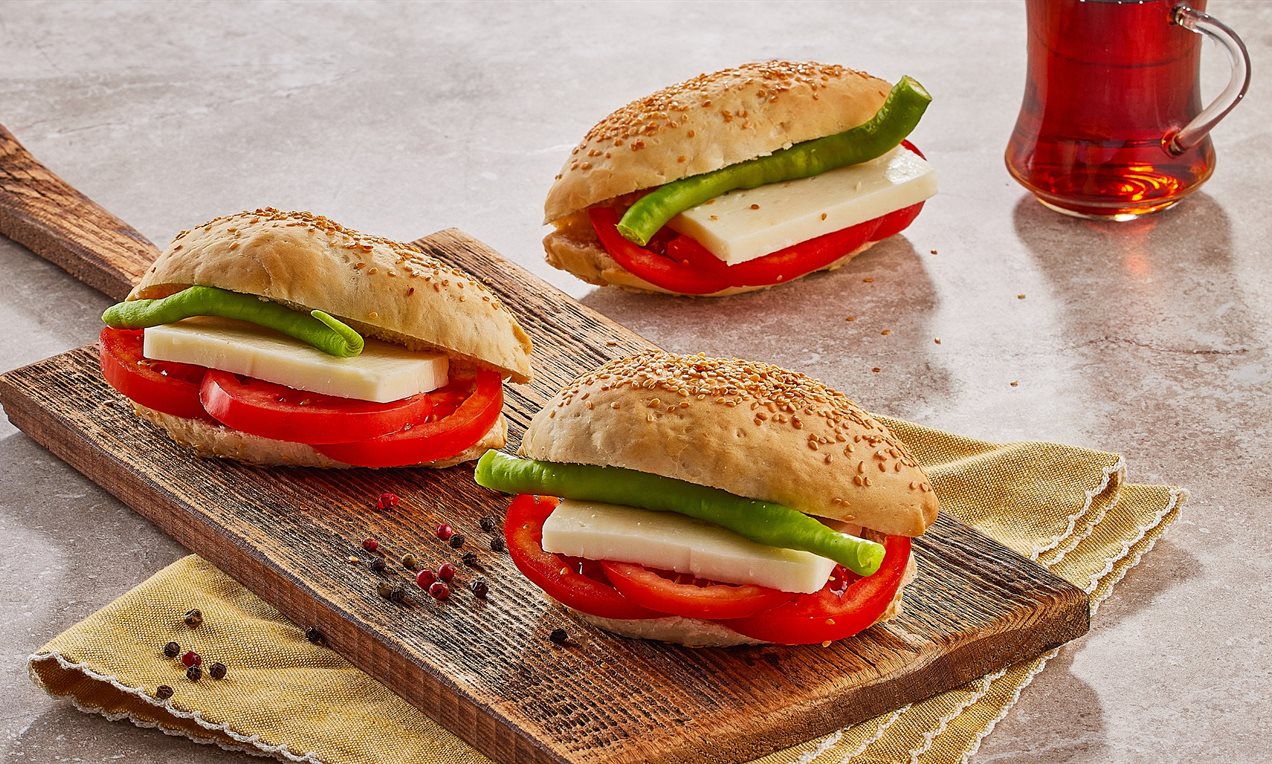
Boyoz is a flaky pastry traditionally eaten for breakfast, often with boiled eggs and tea. Kumru is another İzmir favorite, prepared as a sandwich with local variations.
Beyond these specialties, İzmir and the surrounding Aegean region are famous for olive oil dishes, wild herbs, vegetables, and seafood.
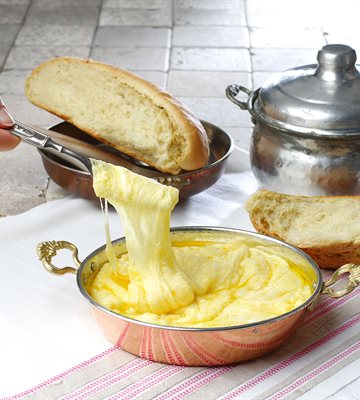
Trabzon – Kuymak and Black Sea Cuisine
Trabzon introduces travelers to the flavors of the Black Sea.
Kuymak, also called mıhlama in parts of the region, is made with cornmeal, butter, and melted local cheese. It is rich, stretchy, and particularly satisfying at breakfast.
Akçaabat köfte, Black Sea pide, hamsi, and corn-based dishes are other regional foods worth exploring.
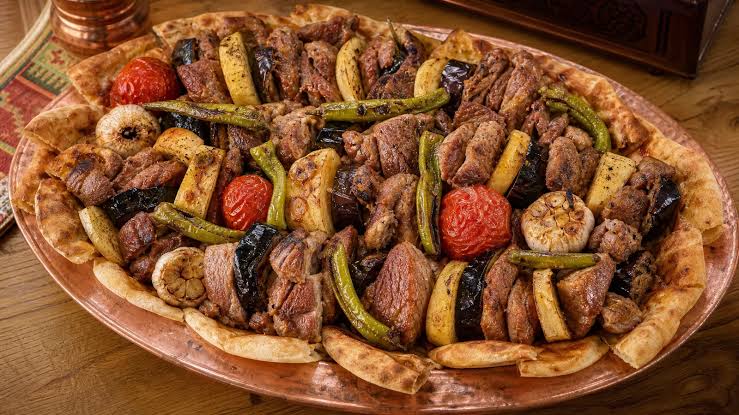
Tokat – Tokat Kebab and Regional Dishes
Tokat kebab is traditionally prepared by arranging lamb, eggplant, potatoes, peppers, tomatoes, and garlic inside a special oven.
Rather than being dominated by one ingredient, the dish is about how the meat and vegetables cook together and absorb each other's flavors.
Tokat is a good example of how many lesser-known Turkish cities have their own distinctive culinary traditions.
Regional Cuisine of Turkey
Turkey's regional cuisines are one of the main reasons its food culture is so diverse.
Southeastern Anatolian Cuisine
Southeastern Anatolia is one of Turkey's richest culinary regions.
Gaziantep, Şanlıurfa, Diyarbakır and surrounding cities are known for kebabs, patlıcan kebabı, Ali Nazik, beyran, yuvalama, içli köfte, çiğ köfte, lahmacun and dishes seasoned with pepper and isot.
Pistachios also appear everywhere, especially in Gaziantep desserts.
The food can be intense and aromatic, but it is not simply about heat. Charcoal cooking, slow cooking, spices, meat, bulgur, vegetables, and nuts create layers of flavor.
Eastern Anatolian Cuisine
Eastern Anatolian cuisine is shaped partly by colder winters and a long tradition of livestock farming.
Meat, butter, dairy products, grains, and preserved foods therefore play important roles.
Erzurum's cağ kebabı is one of the region's most famous foods. Kete, kavurma, ayran aşı and numerous local soups and meat dishes also represent the hearty character of Eastern Anatolian cooking.
Aegean Cuisine
Aegean cuisine shows a completely different side of Turkish food.
Olive oil takes center stage, alongside seasonal vegetables and wild herbs. Artichokes, beans, zucchini blossoms, eggplant, seafood, and herb-based dishes are common.
Many dishes known as zeytinyağlı are cooked with olive oil and served cold or at room temperature.
Travelers who imagine Turkish food as mainly kebabs are often surprised by how fresh and vegetable-focused the Aegean table can be.
Mediterranean Cuisine
Turkey's Mediterranean cuisine changes dramatically as you travel along the coast.
Antalya is known for dishes including tahini-based piyaz, while Mersin is famous for tantuni. Continue east toward Adana and Hatay and the flavors become stronger, with kebabs, peppers, spices, meze, and şalgam becoming increasingly prominent.
This makes the Mediterranean region particularly interesting because coastal ingredients and southeastern culinary influences often meet on the same table.
Black Sea Cuisine
The Black Sea has perhaps one of Turkey's most recognizable regional food identities.
Hamsi, or anchovy, is especially important and appears in numerous preparations. Corn, butter, local cheeses, collard greens, and beans are also widely used.
Kuymak or mıhlama, karalahana çorbası, Akçaabat köfte and Black Sea pide are among the foods visitors should look for.
Central Anatolian Cuisine
Central Anatolian food is strongly associated with wheat, dough, meat, yogurt, and oven cooking.
Kayseri mantı, Konya etli ekmek, fırın kebabı, arabaşı and Cappadocia's testi kebabı are some of the region's recognizable dishes.
It is filling, traditional food that reflects the agricultural and pastoral history of inland Anatolia.
Marmara Cuisine
Marmara combines several culinary traditions.
Bursa gave Turkey İskender kebab and İnegöl köfte, while Edirne is famous for thinly sliced tava ciğeri.
Istanbul adds another dimension entirely. Its Ottoman heritage, historic minority communities, seafood traditions, street food, and generations of migration from every corner of Turkey have turned the city into a miniature culinary map of the country.
Travelers who want to compare these different culinary regions within a single itinerary can consider an 8 Day Cooking and Wine Tasting Tour in Turkey, combining food experiences with another important part of Anatolia's culinary heritage: local wine.
Turkish Breakfast Culture
Breakfast in Turkey is not simply the first meal of the day. It can be an experience in itself.
What Is a Traditional Turkish Breakfast?
A full Turkish breakfast may include several types of cheese, olives, tomatoes, cucumbers, eggs, butter, honey, kaymak, jams, bread, börek, sucuk, and other small dishes.
Regional breakfasts can become even more elaborate. Van, for example, has developed an especially famous breakfast culture.
Rather than ordering one large plate, expect many smaller plates spread across the table and shared.
Menemen
Menemen is made by cooking eggs with tomatoes and peppers, often with optional onions.
It arrives hot in the pan and is usually eaten with plenty of bread. It is simple, inexpensive, and one of the dishes I would recommend trying at least once during a Turkish breakfast.
Simit
Simit is a circular bread covered with sesame seeds and one of Turkey's most recognizable everyday foods.
You will see it in bakeries and street carts, particularly in Istanbul. A fresh simit with cheese and hot Turkish tea makes an easy local breakfast.
Cheese, Olives, Honey and Kaymak
Cheese and olives are foundations of the Turkish breakfast table.
White cheese is common, but regional cheeses vary enormously. Honey served with thick kaymak is one of the richer combinations and is particularly good with fresh bread.
The contrast between salty cheese and olives and sweet honey, jam, or kaymak is part of what makes Turkish breakfast so distinctive.
Turkish Tea at Breakfast
Tea is almost inseparable from breakfast in Turkey.
It is usually served strong in small tulip-shaped glasses. Rather than ordering one cup, don't be surprised if the tea continues to arrive throughout the meal.
Turkish Street Food
Street food offers one of the easiest ways to experience everyday life in Turkey. In Istanbul in particular, some of the most interesting flavors appear after sunset, when kebab shops, street vendors, bakeries, and small local restaurants are still busy. Travelers who want to experience this side of the city can explore it on a Night at Istanbul Turkish Food Tour.
Simit
Fresh simit is available throughout the day and works as breakfast, a quick snack, or something to eat while exploring a city.
Balık Ekmek
Balık ekmek literally means "fish bread." Grilled fish is served inside bread, generally with onions, salad, and lemon.
It is particularly associated with Istanbul's waterfront areas and has long been part of the city's street-food identity.
Kokoreç
Kokoreç is made from seasoned lamb intestines cooked over heat, chopped finely, and usually served inside bread.
Its strong flavor makes it one of the more adventurous Turkish street foods, but it also has an enthusiastic following among locals.
Midye Dolma
Midye dolma consists of mussels filled with seasoned rice.
They are commonly sold with fresh lemon, particularly in coastal cities. They are usually eaten one after another rather than as a formal meal.
Kumpir
Kumpir starts with a large baked potato mixed with butter and cheese before being loaded with toppings.
Istanbul's Ortaköy district is especially associated with rows of kumpir shops where customers choose their own combinations.
Islak Hamburger
The "wet burger" is an Istanbul late-night classic.
A small hamburger is covered in garlicky tomato sauce and kept warm and moist before serving. Taksim is particularly associated with this unusual local snack.
Tantuni
Originally associated with Mersin, tantuni consists of finely chopped meat cooked quickly on a metal plate and usually wrapped in thin bread with tomatoes, onions, herbs, and seasoning.
It is simple but intensely flavorful and one of southern Turkey's most satisfying street foods.
Çiğ Köfte
Modern çiğ köfte sold commercially is usually made without meat.
Fine bulgur is kneaded with tomato and pepper pastes, spices, herbs, and pomegranate molasses and commonly served wrapped in lavaş with lettuce and lemon.
It is inexpensive, widely available, and a useful option for travelers looking for meat-free street food.
Turkish Desserts You Should Try
Turkish desserts go far beyond baklava.
Baklava
Baklava is made from extremely thin layers of pastry combined with nuts, butter, and syrup.
Pistachio baklava is especially associated with Gaziantep, while walnut versions are common elsewhere. A good baklava should have crisp layers rather than simply tasting overwhelmingly sweet.
Künefe
Künefe combines shredded pastry with melting cheese, syrup, and usually pistachios.
It is cooked and served hot, so the cheese remains soft and stretchy. Hatay, particularly Antakya, is the destination most closely associated with it.
Katmer
Gaziantep's katmer combines thin dough with pistachios, kaymak, and sugar.
Although it may look like dessert to visitors, it is traditionally associated with breakfast as well. If you visit Gaziantep, eating fresh katmer in the morning is one of the city's classic food experiences.
Sütlaç
Sütlaç is Turkish rice pudding and offers a much lighter alternative to syrup-based desserts.
Fırın sütlaç is baked until the surface develops a dark caramelized layer and is particularly popular throughout the country.
Lokum
Known internationally as Turkish delight, lokum comes in many varieties flavored or filled with ingredients such as rose, pistachios, hazelnuts, or pomegranate.
It is also commonly served alongside Turkish coffee.
Traditional Turkish Drinks
Drinks are just as much a part of Turkish food culture as the dishes themselves.
Turkish Tea
Tea is consumed throughout the day: at breakfast, after meals, during business meetings, while shopping, and when visiting someone's home.
Accepting a glass of tea can sometimes feel less like ordering a drink and more like participating in everyday Turkish hospitality.
Turkish Coffee
Turkish coffee is finely ground and prepared without filtering, leaving the grounds at the bottom of the cup.
It is strong, served in small cups, and traditionally enjoyed slowly. Turkish coffee also plays a role in social traditions, including engagement and marriage customs.
Ayran
Ayran is made from yogurt, water, and salt.
Its refreshing acidity makes it particularly good with kebabs, pide, lahmacun, and other savory foods.
Şalgam
Şalgam is a fermented drink associated especially with Adana and southern Turkey.
It has a salty, sour, distinctive taste and is traditionally enjoyed alongside kebab. It can take first-time visitors by surprise, but it is worth trying if you want to experience the local food culture properly.
Turkish Food for Vegetarians
Despite Turkey's reputation for kebabs, vegetarian travelers have plenty to explore.
Zeytinyağlı dishes are an excellent place to start. Stuffed vegetables, grape-leaf sarma, imam bayıldı, lentil soup, mercimek köftesi, gözleme, piyaz, vegetable stews, salads, meze, and many börek varieties can all be prepared without meat.
The Aegean coast is particularly rewarding for vegetarian travelers because local cuisine makes extensive use of olive oil, herbs, beans, artichokes, eggplants, and seasonal vegetables.
One thing worth remembering is that a vegetable dish is not automatically vegetarian. Some traditional recipes may contain meat stock or small amounts of minced meat, so asking before ordering is sensible.
For travelers who want to go beyond tasting and actually learn how Turkish dishes are prepared, a Daily Cooking Course in Istanbul offers a more hands-on introduction to local ingredients and cooking techniques.
Frequently Asked Questions About Turkish Cuisine
What food is Turkey most famous for?
Turkey is particularly famous for kebabs, döner, baklava, pide, lahmacun, mantı, börek, köfte, meze, Turkish breakfast, Turkish coffee, and Turkish delight. However, regional foods are a major part of Turkish cuisine, so the answer changes depending on where you travel.
Is Turkish food spicy?
Not all Turkish food is spicy. Southeastern cities such as Adana, Gaziantep, and Şanlıurfa use peppers and spices more prominently, while Aegean cuisine is often based around olive oil, vegetables, and herbs. Many traditional Turkish dishes are flavorful without being hot.
What should I eat on my first trip to Turkey?
For a good introduction, try a traditional Turkish breakfast, döner or kebab, pide or lahmacun, mantı, meze, a regional street food, and at least one local dessert such as baklava or künefe. Turkish tea and Turkish coffee should also be part of the experience.
But don't stop with the nationally famous dishes. If your itinerary includes Gaziantep, Hatay, Adana, Şanlıurfa, Kayseri, Bursa, İzmir, Trabzon, Konya, Mardin, or another regional destination, make time for the foods associated specifically with that city.
Which city in Turkey is best for food?
There is no single answer because each city offers something different. Gaziantep is especially known for kebabs, pistachios, baklava, and its extensive regional cuisine. Hatay has a remarkable meze and dessert culture, Adana is synonymous with kebab, and Istanbul brings together foods from virtually every region of Turkey.
For travelers, this diversity is exactly what makes exploring Turkish cuisine so rewarding.
Is Turkish cuisine only about kebabs?
Not at all. Kebabs are only one part of Turkish cuisine. The country also has extensive traditions involving seafood, vegetable dishes, olive-oil dishes, soups, pastries, rice, bulgur, yogurt, meze, street food, breakfast, and desserts.
The Aegean coast in particular can feel completely different from the meat-focused cuisine many visitors initially associate with Turkey.
Where should food lovers travel in Turkey?
Istanbul is an excellent starting point because it brings together cuisines from across the country. Gaziantep, Hatay, Adana, Şanlıurfa and Diyarbakır are particularly rewarding for southeastern flavors, while İzmir and the Aegean coast offer olive oil, herbs, seafood, and lighter dishes.
Kayseri and Konya introduce Central Anatolian traditions, Trabzon offers a taste of the Black Sea, and Mardin combines food with the cultural heritage of Mesopotamia.
The best culinary journey through Turkey is therefore not built around a single dish. It is about tasting how the food changes as you travel from one region to the next. Travelers who want to turn that idea into an itinerary can browse Turkey Culinary, Wine, Food & Tasting Tours and choose between food tours, cooking experiences, regional gastronomy trips, and longer culinary journeys across Turkey.
Loading comments…