
-high.jpg&w=1920&q=75 "Daily Hakkari Cooking Lesson & Shopping Tour")
PopularFree Cancellation
-high.jpg&w=1920&q=75 "9 Days Turkey Culinary Tour")
-high.jpg&w=1920&q=75 "5 Days Turkish Cooking Tour Istanbul & Cappadocia")
-high.jpg&w=1920&q=75 "6 Days Turkish Cooking Tour")
-high.jpg&w=1920&q=75 "14 Days Authentic Cooking Tour Turkey")
-high.jpg&w=1920&q=75 "8 Days Cooking and Wine Tasting Tour Turkey")
-high.jpg&w=1920&q=75 "Trabzon Cooking Class & Local Market Tour – Taste of the Black Sea")
-high.jpg&w=1920&q=75 "10 Days Explore Turkish Flavours Tour")
-high.jpg&w=1920&q=75 "7 Days Gourmet Tour Turkey")
-high.jpg&w=1920&q=75 "4 Days Turkish Cooking Tour Istanbul")
-high.jpg&w=1920&q=75 "Daily Turkish Cooking Class in Istanbul – Learn Authentic Recipes")

-high.jpg&w=1920&q=75 "Breakfast on the Bosphorus: Le Vapeur Magique Luxury Morning")
-high.jpg&w=1920&q=75 "Daily Mardin Cooking Lesson & Shopping Tour")
-high.jpg&w=1920&q=75 "Daily Adana Cooking Lesson & Shopping Tour")

 FestivalsCappadocia Hot Air Balloon Festival 2026 - Guide
 Family TravelBest Turkey All Inclusive Holidays 2026
.png) Churches and cathedralsPope Leo Istanbul Program 2025 – Day by Day
Churches and cathedralsPope Leo Istanbul Program 2025 – Day by Day Day tripsExperience the Thrill of Isfanbul Vialand Theme Park
 Family TravelBest Honeymoon Places in Turkey 2026 | Resorts & Guide
 All aboutUzak Şehir Movie Plot: A Journey Between Alienation, Loneliness, and Hope
Turkey is a country that can be explored through its food as much as through its ancient cities, landscapes and historical monuments. Turkey Culinary & Food Tours introduce travelers to regional recipes, traditional markets, street food, local restaurants and centuries-old cooking traditions across Anatolia.
There is no single definition of Turkish cuisine. The food served in Istanbul can be very different from the dishes found in Gaziantep, Diyarbakir, Sanliurfa, Adana or Tokat. Climate, agriculture, migration, trade routes and local traditions have created distinctive regional cuisines across the country.
A culinary journey might begin with a Turkish breakfast and market walk in Istanbul, continue with kebabs and baklava in Gaziantep, move through the rich food traditions of Sanliurfa and Diyarbakir, explore the famous grilled dishes of Adana, and discover lesser-known Anatolian recipes in Tokat.
Travelers can experience Turkey's cuisine through guided food tours, street-food walks, market visits, traditional restaurants, cooking experiences and longer itineraries combining gastronomy with cultural sightseeing.
For food lovers, this provides an opportunity not simply to taste Turkish dishes, but to understand where they come from, how they are prepared and why they differ from one region to another.
Turkey Food Tours can range from a few hours exploring a neighborhood market to multi-day journeys across several culinary regions.
Istanbul is one of the easiest places to begin. The city brings together foods from across Turkey, making it possible to sample different regional traditions without leaving the city. Historic markets, bakeries, street-food vendors, traditional restaurants and meyhanes create countless opportunities for tasting.
Traveling beyond Istanbul, however, reveals how regional Turkish cuisine really is.
Southeastern Turkey is particularly important for culinary travelers. Gaziantep, Sanliurfa and Diyarbakir each have strong food identities based on local ingredients, spices and cooking techniques.
Further west, Adana has become internationally associated with its distinctive kebab tradition. Central and northern Anatolian destinations such as Tokat introduce travelers to recipes that are less familiar internationally but deeply rooted in local food culture.
A food tour can include experiences such as visiting traditional bazaars, tasting regional dishes, meeting local producers, exploring spice markets and learning how recipes are prepared.
Food-focused itineraries can also be combined with Turkey's major cultural attractions. This makes it possible to explore archaeological and historical destinations during the day before discovering regional cuisine in the evening.
Turkish Culinary Tours go deeper than simply visiting restaurants. They connect food with geography, history and local culture.
Anatolia has been home to numerous civilizations and has stood between major trading regions for thousands of years. Ingredients, agricultural traditions and cooking techniques developed through this long history and continued to evolve during the Seljuk and Ottoman periods.
Today, these influences can be seen in everything from breads and pastries to stuffed vegetables, grilled meats, soups, olive-oil dishes, desserts and preserved foods.
Even familiar dishes have regional variations.
Kebab, for example, is not one standardized dish. Different cities use different meats, spices, preparation methods and accompaniments. The kebab traditions of Gaziantep, Sanliurfa and Adana each have their own identities.
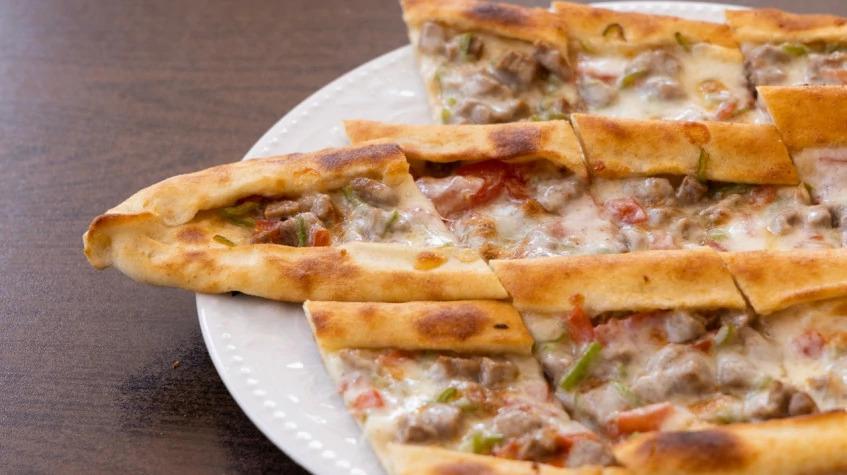
Bread is equally diverse. Pide, lavash, bazlama and other regional breads appear in different forms across Turkey.
A culinary journey can also introduce travelers to the social side of Turkish dining. Breakfast may involve numerous dishes shared across the table. Meze encourages communal eating, while tea and Turkish coffee often extend a meal into a longer social experience.
For travelers interested in culture, these everyday traditions can reveal as much about Turkey as visiting a museum or historical monument.
Turkey has dozens of destinations with distinctive regional cuisines. For a food-focused journey, Gaziantep, Istanbul, Diyarbakir, Sanliurfa, Adana and Tokat provide particularly different culinary experiences.
Gaziantep is one of Turkey's most important gastronomic destinations and should be high on the list for travelers planning a culinary journey through the country.
The city is especially famous for baklava and pistachios, but Gaziantep cuisine extends far beyond dessert.
Its culinary tradition includes numerous kebabs, soups, stuffed vegetables, meat dishes and recipes based on bulgur, spices and seasonal ingredients. Many dishes require careful preparation and techniques passed between generations.
Markets are an essential part of the experience. Walking through traditional bazaars introduces visitors to pistachios, spices, dried vegetables, nuts and other ingredients used in local cooking.
Gaziantep is also a UNESCO Creative City of Gastronomy, reflecting the importance of food to the city's cultural identity.
Travelers interested in a deeper experience can combine restaurant visits with market exploration and cooking experiences rather than concentrating only on the city's famous baklava.
Istanbul is one of the best cities for travelers who want to experience the diversity of Turkish food within a single destination.
As Turkey's largest city and a historic meeting point between regions, Istanbul has absorbed culinary influences from across Anatolia and the former Ottoman world.
A food tour can begin with Turkish breakfast, continue through traditional markets and bakeries, include street-food stops during the afternoon and finish with meze and grilled dishes in the evening.
Popular foods travelers may encounter include simit, döner, köfte, pide, börek, balık ekmek, stuffed mussels, meze, baklava and Turkish delight.
The Spice Bazaar is another important stop for culinary travelers. Spices, dried fruits, nuts, sweets, teas and other ingredients provide an introduction to products used throughout Turkish cuisine.
Neighborhoods also offer different experiences. Eminonu, Karakoy, Beyoglu, Kadikoy and the historic peninsula can each provide a different perspective on Istanbul's food culture.
For first-time visitors to Turkey, Istanbul is an excellent place to begin a wider culinary journey.
Diyarbakir has one of southeastern Turkey's strongest regional food traditions.
The city's cuisine is generally hearty and closely connected to the agricultural and livestock traditions of the surrounding region. Meat, grains, spices and vegetables feature prominently.
One of the best-known dishes associated with Diyarbakir is kaburga dolmasi, traditionally prepared by stuffing lamb ribs with seasoned rice and slowly cooking the dish.
Different kebabs, soups and stuffed vegetable dishes also form part of the local cuisine.
Diyarbakir is particularly interesting because food experiences can be combined with exploration of its historical center, traditional markets and famous city walls.
Visitors can therefore experience the city through both its architecture and its culinary traditions.
Sanliurfa is another essential destination for travelers exploring the food of southeastern Turkey.
The city has a strong kebab tradition and is closely associated with dishes such as Urfa kebab, cig kofte and lahmacun, alongside numerous local soups, vegetable dishes and desserts.
Urfa kebab is generally associated with a milder flavor profile than some heavily spiced kebab varieties, allowing the taste of the meat and other ingredients to remain central.
Sanliurfa's markets provide an atmospheric introduction to the city's culinary culture. Spices, dried foods, nuts and traditional products fill the bazaars surrounding the historic center.
Food can easily be combined with the region's extraordinary archaeological attractions. Travelers visiting Gobeklitepe can explore one of the world's most important prehistoric archaeological sites before returning to Sanliurfa to discover its markets and regional cuisine.
This combination of archaeology, culture and gastronomy makes Sanliurfa particularly valuable on longer Turkey culinary tours.
For kebab lovers, Adana is one of Turkey's essential food destinations.
The city's name has become internationally associated with Adana kebab, prepared from seasoned minced lamb shaped around wide skewers and cooked over charcoal.
A traditional serving is generally accompanied by bread, grilled vegetables, salads and other side dishes, creating a complete meal rather than simply a portion of grilled meat.
Adana's culinary culture extends beyond its famous kebab.
The city is also associated with salgam, a fermented turnip-based drink commonly served alongside kebab, as well as other local meat dishes, soups and street foods.
Food is deeply integrated into everyday life in Adana, making the city particularly suitable for travelers who prefer authentic local dining experiences rather than formal gastronomic tourism.
Tokat provides a different perspective on Anatolian cuisine and can appeal to travelers looking beyond Turkey's most famous gastronomic cities.
One of the best-known local dishes is Tokat kebabi, traditionally prepared with meat, vegetables and other ingredients arranged and cooked together.
Tokat is also associated with Tokat yapragi, grape leaves valued for preparing stuffed vine-leaf dishes.
Local cuisine reflects the agricultural character of the surrounding region, with vegetables, grains, meat and preserved products playing important roles.
For international travelers, Tokat remains less visited than Istanbul or Cappadocia. This can make its food culture particularly interesting for travelers seeking regional Anatolian dishes and experiences away from the country's busiest tourism routes.
Experiencing Turkish cuisine involves more than ordering individual dishes. Many Turkish food traditions revolve around sharing, hospitality and spending time around the table.
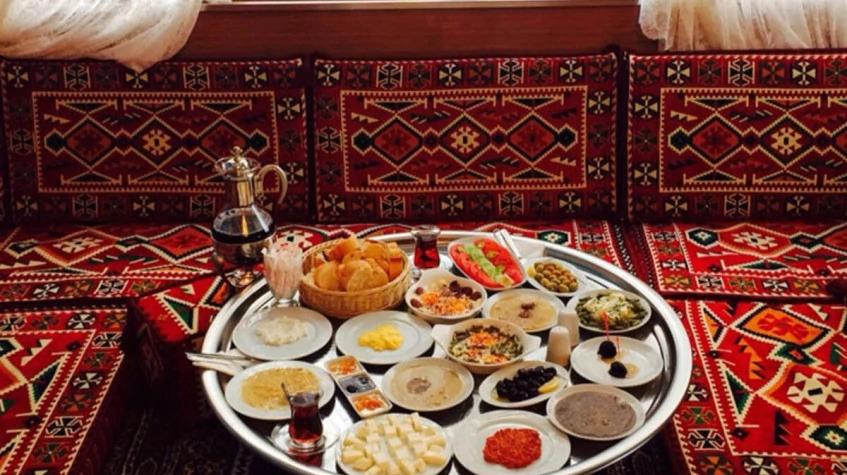
A traditional Turkish breakfast, or kahvalti, can consist of many small dishes served together.
A typical table may contain several cheeses, olives, tomatoes, cucumbers, eggs, butter, honey, jams and fresh bread accompanied by Turkish tea.
Regional breakfasts can introduce additional specialties.
Van, for example, is particularly famous in Turkey for its elaborate breakfast culture and regional dairy products.
Breakfast is often a leisurely social meal, making it one of the simplest ways for visitors to experience Turkish dining culture.
Kebab is one of Turkey's most internationally recognized foods, but the term covers a huge range of dishes.
Adana kebab, Urfa kebab and the kebab traditions of Gaziantep demonstrate how preparation and seasoning can change between cities.
Other grilled dishes can include different cuts of lamb, chicken, meatballs and vegetables.
Traveling between Turkey's regions allows visitors to compare these styles rather than treating Turkish kebab as a single recipe.
Meze refers to small dishes served for sharing and is an important part of Turkish dining culture.
Depending on the restaurant and region, a meze table can contain yogurt-based dishes, eggplant, vegetables, seafood, cheeses and numerous seasonal preparations.
Meze is especially associated with long social meals and traditional meyhane culture.
For visitors, a meze experience provides an opportunity to taste several different flavors during one meal instead of selecting a single main dish.
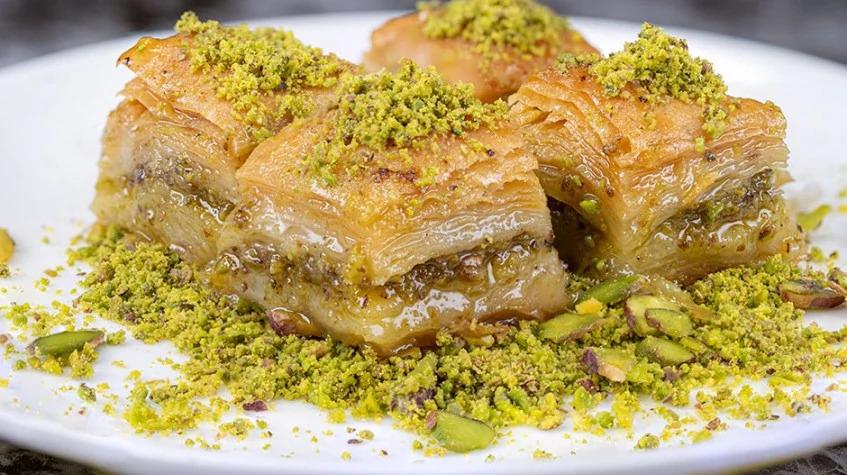
Baklava is Turkey's most internationally recognized dessert and an essential experience for food travelers.
Gaziantep is particularly famous for pistachio baklava, where thin layers of pastry are combined with pistachios and syrup.
Turkish dessert culture is much broader, however.
Travelers may encounter lokum (Turkish delight), kunefe, helva, sutlac and numerous regional pastries and syrup-based desserts.
Trying desserts in different cities can reveal the same regional diversity found in savory Turkish cuisine.
Turkish coffee and Turkish tea are closely connected to hospitality and social life.
Tea is consumed throughout the day—in homes, restaurants, workplaces and shops. Visitors will frequently be offered small glasses of tea as a gesture of hospitality.
Turkish coffee is prepared differently from filtered coffee. Finely ground coffee is cooked with water and served unfiltered in a small cup.
Turkish coffee culture and tradition is included on UNESCO's Representative List of the Intangible Cultural Heritage of Humanity.
For travelers, both drinks provide a simple but meaningful introduction to everyday Turkish culture.
Turkey Street Food Tours allow visitors to experience the foods people eat during everyday life rather than focusing exclusively on restaurant dining.
Istanbul provides one of the widest selections.
Simit vendors are found throughout the city, while döner, dürüm, köfte, börek and other quick dishes are widely available.
Around waterfront districts, visitors may encounter balik ekmek, while stuffed mussels are another well-known street snack.
Street food changes considerably when traveling to other regions.
Adana offers its own grilled and kebab traditions, while southeastern destinations provide local breads, kebabs and regional snacks that may be difficult to find in exactly the same form elsewhere.
Markets are also an important part of street-food exploration. Traditional bazaars can introduce travelers to nuts, dried fruits, spices, cheeses, sweets and seasonal produce.
A guided street-food tour can be particularly helpful for first-time visitors because guides can explain ingredients, preparation methods and regional origins while selecting tasting stops.
For travelers planning a longer journey, combining street-food experiences in Istanbul with the regional cuisines of Gaziantep, Diyarbakir, Sanliurfa, Adana and Tokat provides a much broader understanding of Turkish food.