
-high.jpg&w=1920&q=75 "Daily Cooking Lesson & Shopping Tour in Gallipoli")
Free Cancellation
-high.jpg&w=1920&q=75 "Daily Gallipoli Tour from Canakkale")
-high.jpg&w=1920&q=75 "Daily Cooking & Shopping Tour in Canakkale")
-high.jpg&w=1920&q=75 "3 Days Gallipoli Tour")
-high.jpg&w=1920&q=75 "5 Days Gallipoli - Cooking Tour –Turkish Bath Tour")
-high.jpg&w=1920&q=75 "Daily Troy from Canakkale Cooking & Shopping Tour")

-high.jpg&w=1920&q=75 "Daily Canakkale City Tour")
 Ultimate GuideUltimate Travel Plan: Tips for Accommodation, Transport & Packing
 Travel MemoriesANZAC Day in Turkey — A Journey of Remembrance and History
 Ultimate GuideThe Odyssey Filming Locations & Ancient Troy
 Travel TipsTop 10 Turkey Tours to Book in 2025: From Istanbul to Cappadocia
 Family TravelFamily Vacation Packages in Türkiye – Sun, Fun & Memories
 Vegan or vegetarian restaurantsThe List of 10 Best Cheeses in Turkey
Çanakkale Tours cover a province that spans both shores of the Dardanelles, the narrow strait separating Europe from Asia at the entrance to the Sea of Marmara. The region carries two distinct historical identities: it is the site of ancient Troy, immortalized in Homer's Iliad, and the setting of the Gallipoli Campaign of 1915, one of the First World War's most costly battles. Few provinces in Turkey combine classical archaeology and modern military history so directly within a single itinerary.
As part of a wider Turkey itinerary or as a dedicated visit, Çanakkale Tours typically divide time between the Gallipoli Peninsula on the European side and the Troad region on the Asian side, linked by a short ferry crossing over the strait.
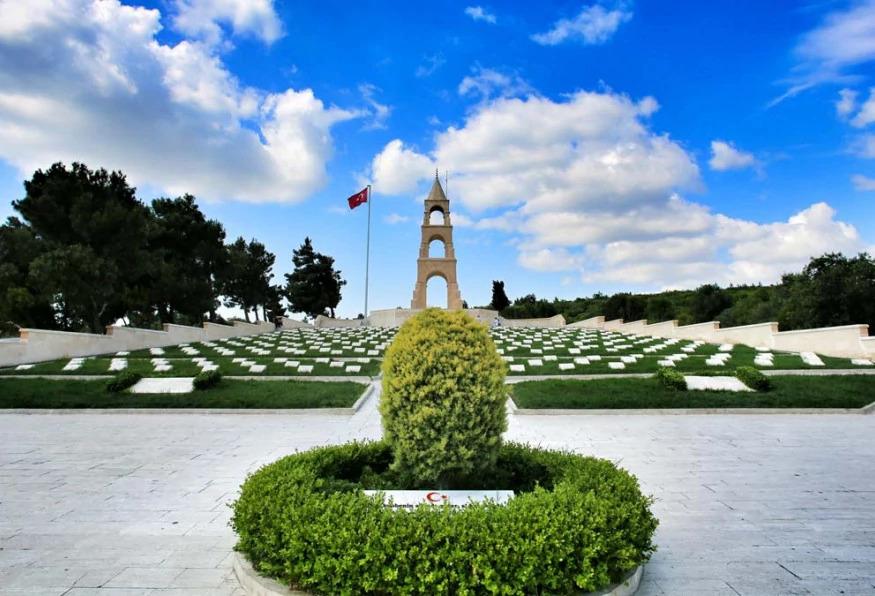
The Gallipoli Peninsula Historical National Park preserves the trenches, cemeteries and memorials from the 1915 campaign, in which Ottoman forces defended the strait against Allied troops that included large contingents from Australia and New Zealand. Anzac Cove, Lone Pine Cemetery, the Nek and the Çanakkale Martyrs' Memorial are the main stops on most guided visits. The Turkish memorial at Anzac Cove carries a well known message of reconciliation addressed to the mothers of fallen soldiers, inscribed decades after the campaign and widely attributed to Mustafa Kemal Atatürk.
Every April 25, the peninsula hosts Anzac Day commemorations that draw visitors from Turkey, Australia and New Zealand to dawn services held at the original landing sites.
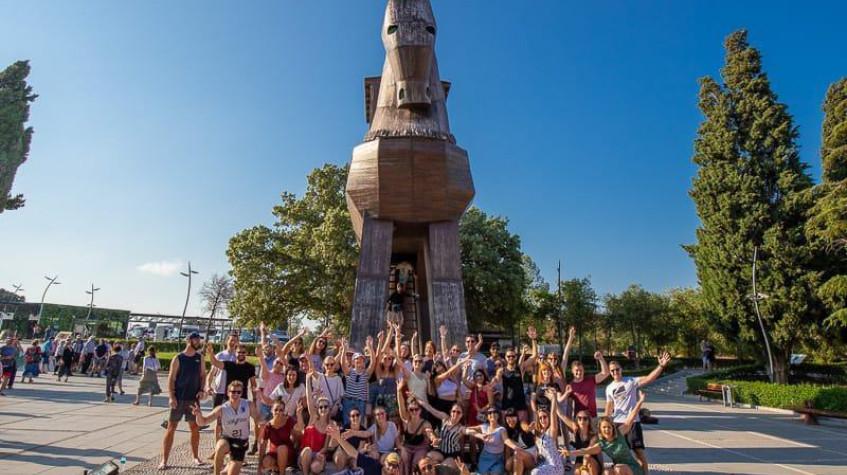
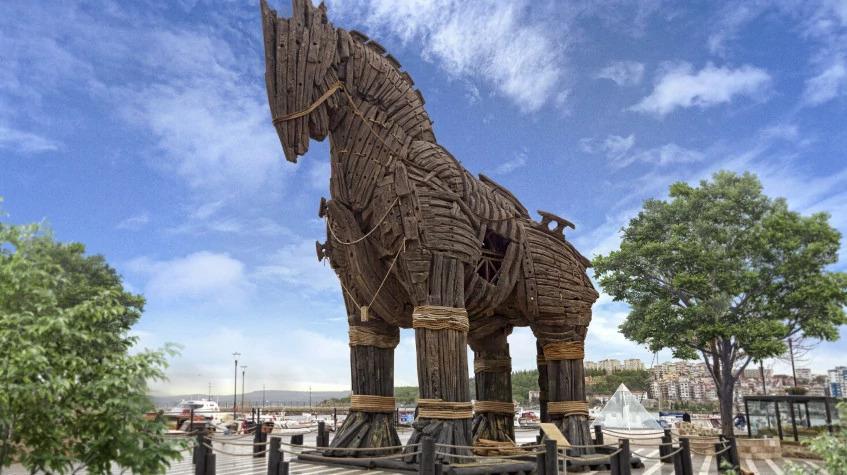
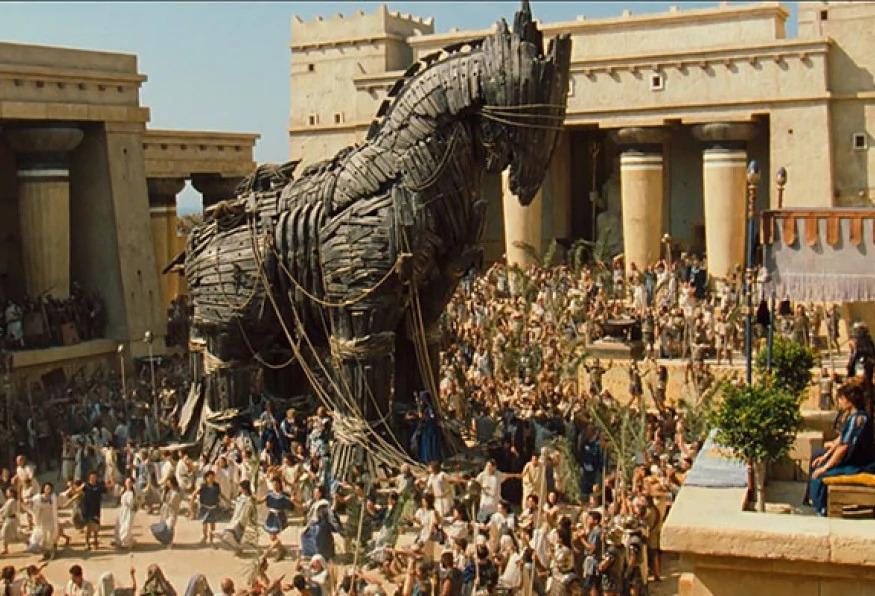
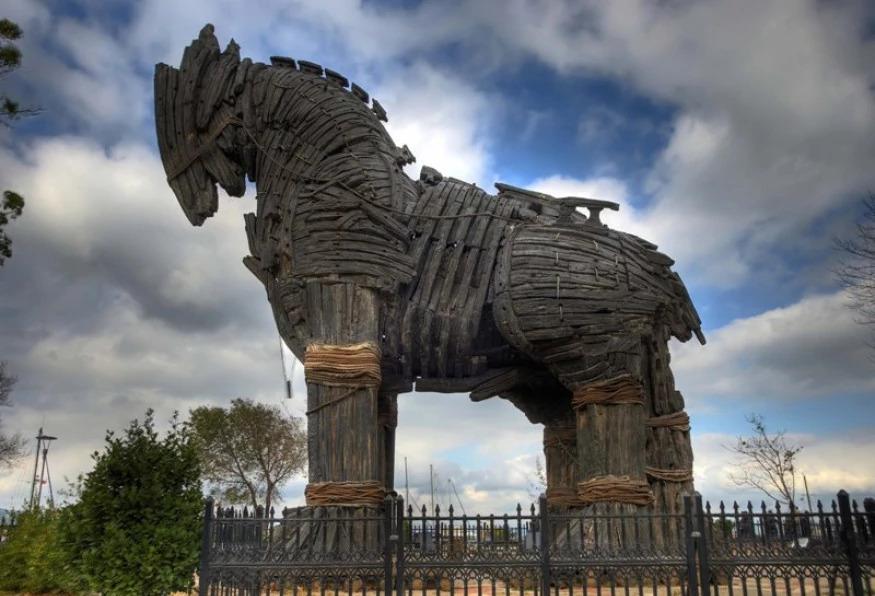
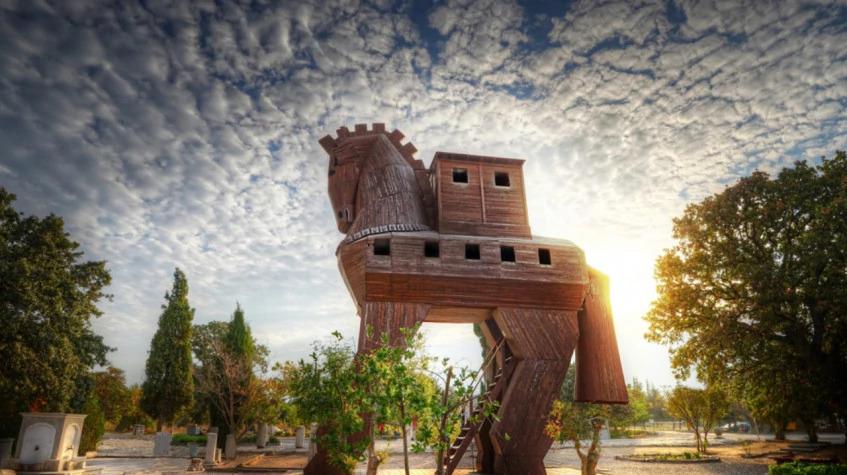
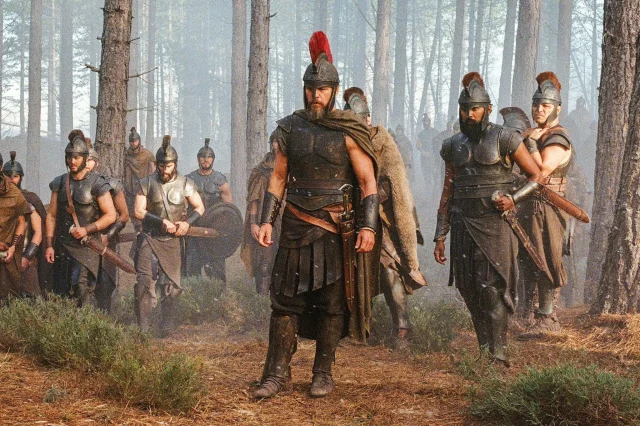
Across the strait, the archaeological site of Troy holds UNESCO World Heritage status and contains nine layers of settlement spanning roughly four thousand years of continuous habitation. A reconstructed wooden horse stands near the entrance, and marked paths lead through excavated walls, ramps and megaron foundations uncovered since Heinrich Schliemann's nineteenth century excavations.
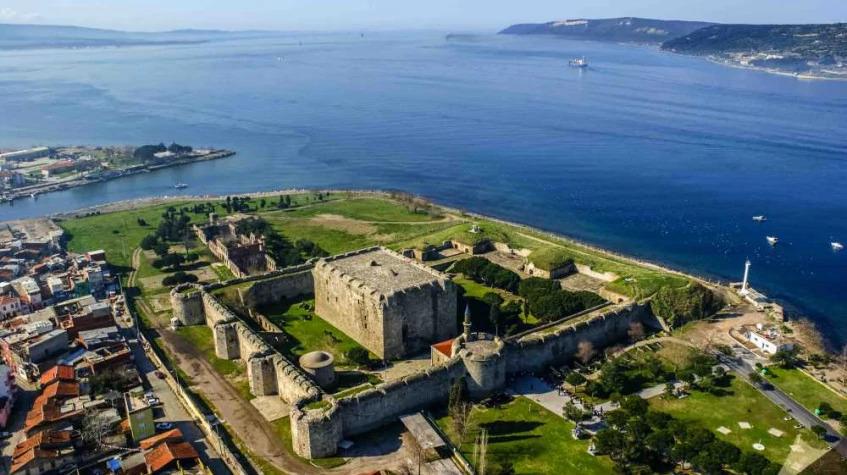
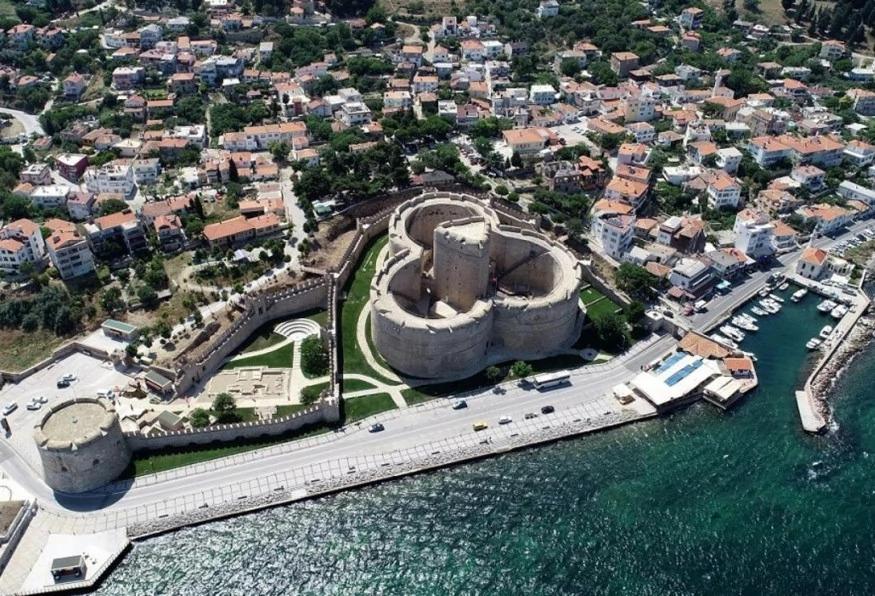
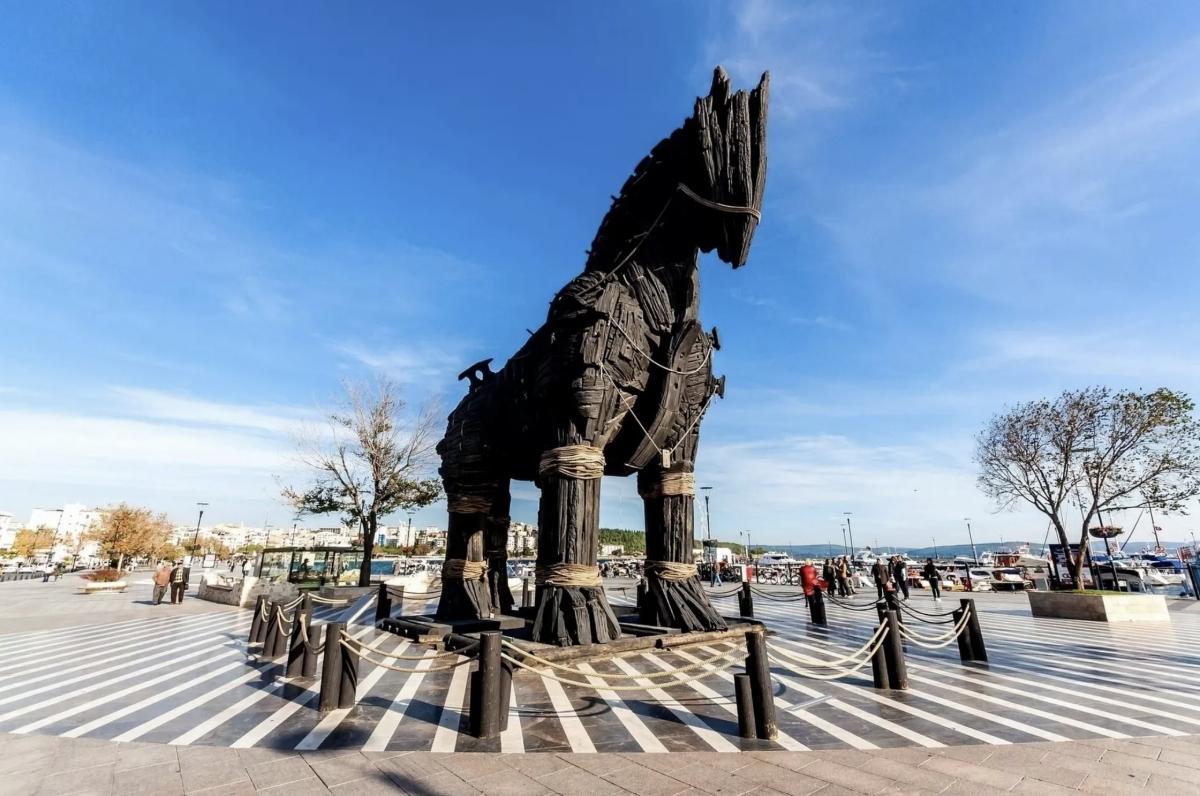
Çanakkale city sits directly on the strait and offers a lively waterfront promenade, the Kilitbahir Fortress built under Mehmed the Conqueror, and the Çimenlik Castle, which now houses a naval museum. Assos, an ancient Greek port town on the Aegean coast, and Bozcaada and Gökçeada, two islands known for vineyards and quiet beaches, extend a Çanakkale itinerary for travelers with extra time.
The old town's Aynalı Bazaar remains a popular stop for locally made Çanakkale ceramics, a craft tradition tied to the region's clay deposits since Ottoman times.
Guided day tours generally combine Troy and Gallipoli into a single itinerary, with transportation, an English speaking guide and entrance fees included. Travelers with an interest in regional cooking can also join the Daily Cooking Lesson & Shopping Tour in Gallipoli, which pairs a hands on class with a visit to local markets.
Çanakkale city is roughly a five hour drive from Istanbul, and many day trips depart from the capital, crossing the Dardanelles by the 1915 Çanakkale Bridge or by car ferry between Eceabat and the city center. Local transfers connect Troy and the Gallipoli battlefields, since the two sites sit on opposite shores of the strait.
The strait is known for strong winds year round and a cold, damp winter, so spring and summer bring the most comfortable conditions for walking the battlefield sites and archaeological ruins. Anzac Day in late April is the busiest period on the peninsula and often requires advance planning for accommodation.