
-high.jpg&w=1920&q=75 "Daily Suv of Road Tour from Selcuk")
Free Cancellation
-high.jpg&w=1920&q=75 "Daily Selcuk Turkish Bath Tour")
-high.jpg&w=1920&q=75 "Daily Sirince Village Tour from Selcuk")
-high.jpg&w=1920&q=75 "Selcuk to Kusadasi Adaland Aqua Park Day Trip – Thrilling Water Rides & Dolphin Swim")
-high.jpg&w=1920&q=75 "Kusadasi Boat Cruise Tour From Selcuk")
-high.jpg&w=1920&q=75 "Private Daily Istanbul City Tour from Selcuk by Flight")
-high.jpg&w=1920&q=75 "4 Days Selcuk City & Cooking Tour")
-high.jpg&w=1920&q=75 "5 Days Selcuk City & Cooking Tour")
-high.jpg&w=1920&q=75 "Daily Ephesus & Sirince Tour from Selcuk")
-high.jpg&w=1920&q=75 "Daily Pergamon Tour from Selcuk")
-high.jpg&w=1920&q=75 "Half Day Ephesus Ancient City Tour from Selçuk | Temple of Artemis & UNESCO Heritage")
-high.jpg&w=1920&q=75 "6 Days Selcuk & Pamukkale City Tour")
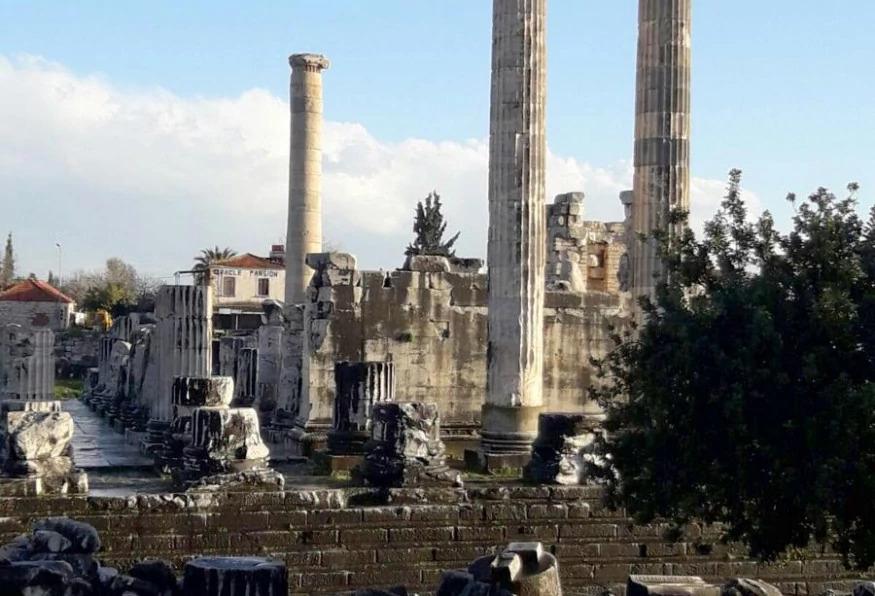
Selcuk sits a few kilometers from Turkey's Aegean coast, built around the ruins of ancient Ephesus and the hill of Ayasuluk that has been settled since the Bronze Age. The town is one of the most visited stops on any Turkey tour itinerary that covers the Aegean region, largely because so many ancient sites sit within walking or short driving distance of the town center.
Selcuk also works well as a base for exploring beyond its own monuments. Pamukkale's white travertine terraces lie about three hours away by road, Bodrum's harbor and castle are within reach for a day trip, and the cruise port at Kusadasi sits a short drive south, bringing a steady flow of visitors through the wider region. Many travelers treat Selcuk as a two- or three-night base rather than a single stop, given how much sits within easy reach, and the town itself remains small enough to cover on foot between excursions.
Ephesus is the reason most travelers come to Selcuk. Once a major port city of the Roman Empire with a population estimated in the tens of thousands, its ruins include the Library of Celsus, the Great Theatre that could seat around 25,000 people, and long marble streets lined with columns and shopfronts. Excavation continues at the site, and much of what is visible today dates to the Roman and early Byzantine periods, though the city's history under earlier names stretches back centuries further. Ephesus was also the location of the Temple of Artemis, once counted among the Seven Wonders of the Ancient World and, at the time it was built, one of the largest marble temples anywhere in the Greek world, though only a single reconstructed column remains on its original site today.
Two entrances serve the Ephesus site, one near the upper gate and one at the lower end by the Library of Celsus, and many visitors walk downhill through the ruins from one to the other rather than doubling back. The Terrace Houses, a separately ticketed area of preserved Roman residences with mosaic floors and painted walls, give a rare look at how wealthier residents of the city actually lived, distinct from the public monuments along the main street.
On Mount Bulbul above Ephesus stands the House of the Virgin Mary, a modest stone chapel that Catholic and Orthodox pilgrims visit as a site associated with the end of Mary's life. Popes have visited over the years, and the chapel draws religious travelers alongside those visiting Ephesus for its archaeology alone. Back in town, the Basilica of St. John was built over the traditional tomb of John the Apostle on Ayasuluk Hill, and its remaining columns and foundations still convey the scale of the original structure, which once ranked among the largest churches in the Byzantine world. The Isa Bey Mosque, among the oldest Seljuk mosques in Anatolia, stands on the same hill within view of the basilica, its courtyard built partly from stones taken from earlier structures on the site.
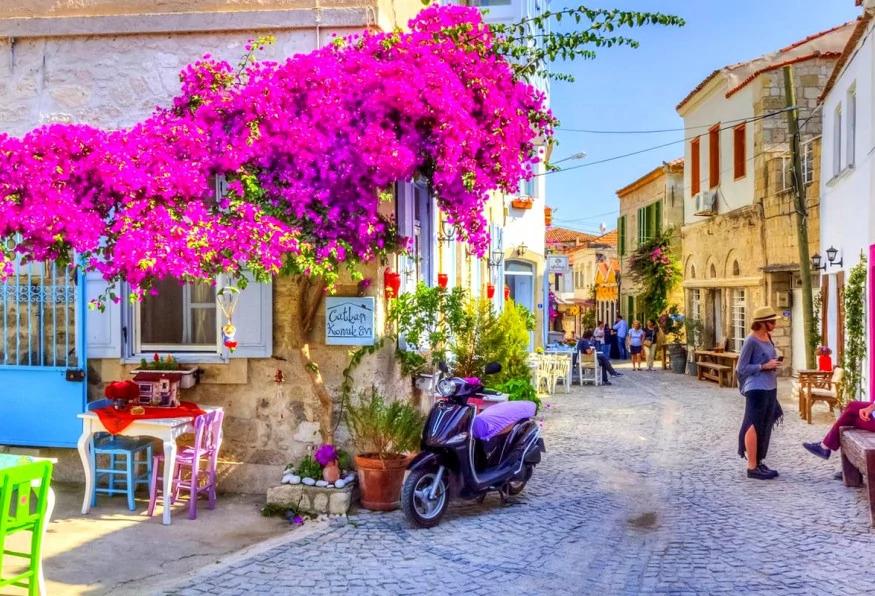
Sirince occupies the hills a short drive from Selcuk, a former Greek village of stone houses now known for fruit wines made from peach, blackberry, and other local produce rather than grapes alone. Narrow streets lined with small producers selling wine and dried fruit make it a common half-day addition to an Ephesus visit, particularly in the afternoon once the main ruins have been covered. The village's elevation also gives it a slightly cooler climate than Selcuk itself, a welcome change during the summer months, and its stone church and old schoolhouse still reflect its Greek Orthodox past before the population exchange of 1923.
Many of the artifacts found during excavation at Ephesus, including the well-known statues of Artemis, are kept in the Ephesus Museum in central Selcuk rather than at the archaeological site itself, so a stop there rounds out a day among the ruins. Ayasuluk Hill, where the Basilica of St. John and Isa Bey Mosque stand, once had the Temple of Artemis nearby on the plain below, and the citadel walls at the top of the hill date back to the Byzantine period, with views that take in the basilica, the mosque, and the surrounding farmland in one sweep.
Selcuk is connected to Izmir, the main regional hub, by train and highway, a trip of roughly an hour, and the town's train station sits within walking distance of both the Ephesus Museum and the Basilica of St. John. Many visitors arrive as part of a longer Aegean coast itinerary that also takes in Kusadasi or Izmir itself, then use Selcuk as the base for the day trip to Ephesus rather than staying near the ruins directly. Taxis and organized transport cover the short distance out to the Ephesus site itself, since the entrance gates sit a few kilometers outside the town center.
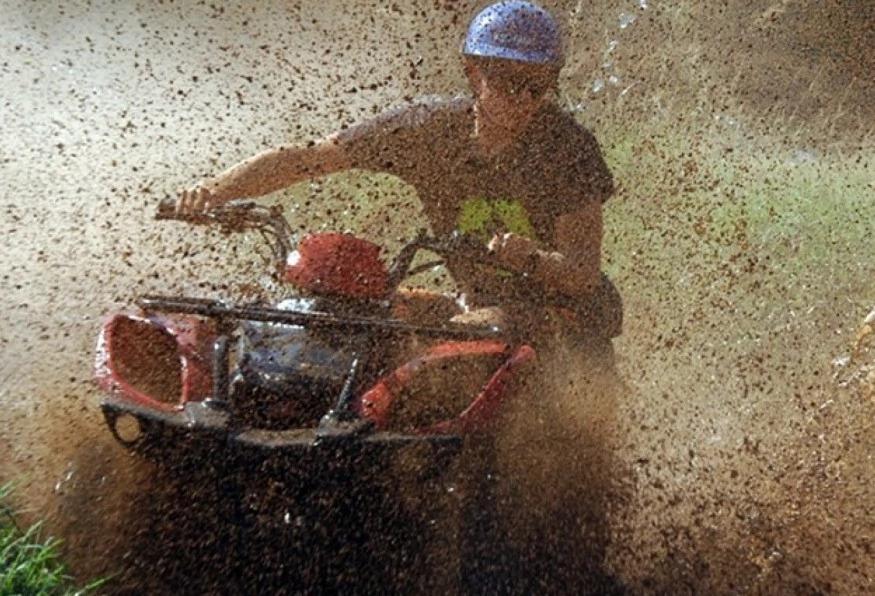
Selcuk's location makes it a practical starting point for trips into the surrounding countryside. The Daily Suv of Road Tour from Selcuk takes visitors off the main routes by vehicle, an option for travelers who want to see more of the region beyond the archaeological sites. Between Ephesus, Sirince, and day trips to Pamukkale or Bodrum, two to three days in Selcuk is generally enough to cover the highlights without rushing.