-high.jpg&w=1920&q=75 "3 Days Thessaloniki Tour")
Free Cancellation
-high.jpg&w=1920&q=75 "Best Tour of Greece and Turkey 12 Day Tour")
-high.jpg&w=1920&q=75 "Grand Tour in Greece 10 Day")
Thessaloniki Culture & Historical Tours offer travelers the opportunity to explore one of Greece's most historically layered cities. Founded in the Hellenistic period and later shaped by Roman, Byzantine, Ottoman, Jewish and modern Greek communities, Thessaloniki contains monuments and neighborhoods representing more than two thousand years of urban history.
The city is particularly important for travelers interested in Byzantine history, early Christianity, Roman archaeology and Ottoman heritage. Ancient monuments stand alongside Byzantine churches, traditional markets, historic neighborhoods and modern public spaces, making Thessaloniki an excellent destination for cultural walking tours.
Major landmarks include the White Tower, Rotunda, Arch of Galerius, Church of Saint Demetrius, Roman Forum, Byzantine Walls and Aristotelous Square. Several of Thessaloniki's early Christian and Byzantine monuments are recognized as part of a UNESCO World Heritage property.
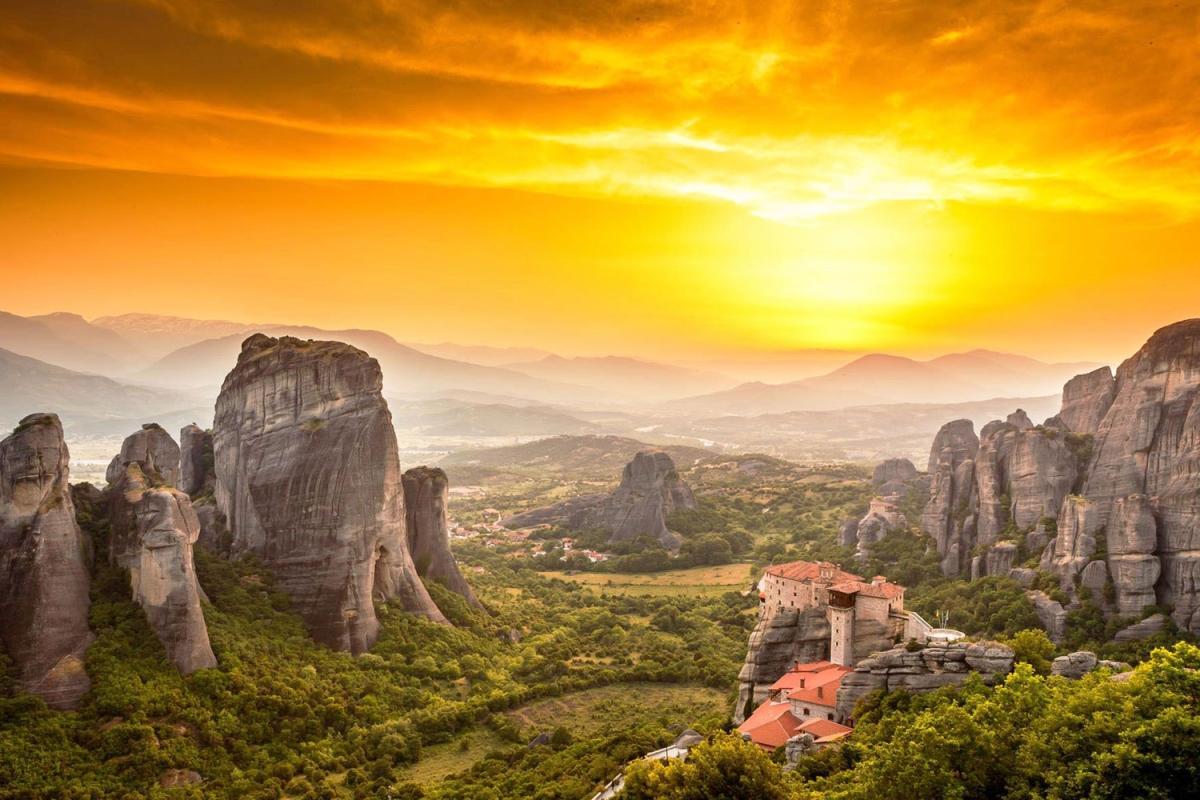
The city's location also makes it a useful base for historical excursions around northern Greece. Travelers can combine Thessaloniki with archaeological and cultural destinations such as Vergina, Pella, Mount Olympus and the monasteries of Meteora on longer itineraries.
Whether you are interested in archaeology, religion, architecture or the multicultural history of northern Greece, Thessaloniki cultural and historical tours provide a deeper understanding of a city that has connected the Balkans and the Mediterranean for centuries.
Thessaloniki Cultural Tours explore both the monuments of the past and the traditions that continue to shape everyday life in the city.
The historic center is particularly suitable for walking. Visitors can move between Roman ruins, Byzantine churches, Ottoman-era structures, markets and modern squares while seeing how different historical periods overlap within the same urban landscape.
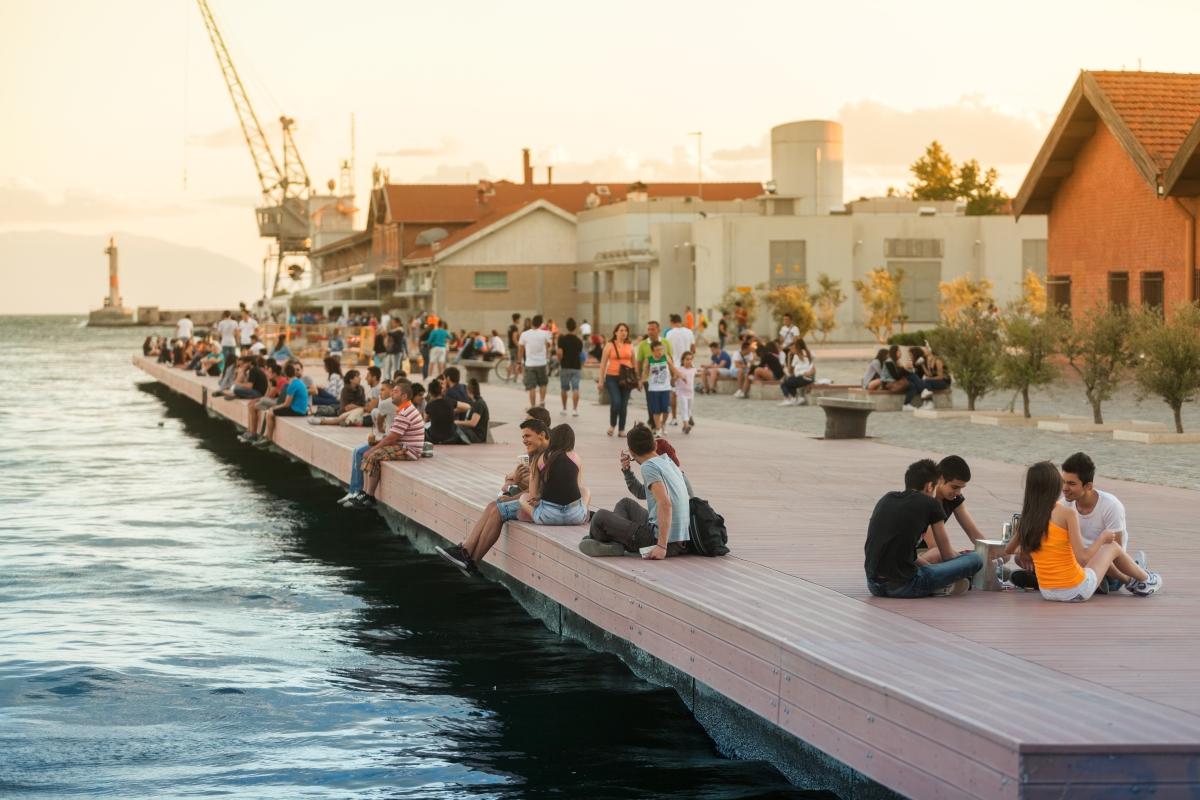
Aristotelous Square is one of the city's best-known public spaces and provides a natural starting point for exploring central Thessaloniki. From the waterfront, visitors can continue toward historic commercial districts, churches and archaeological sites.
Traditional markets are another important part of the cultural experience. The areas around Modiano Market and Kapani Market reflect Thessaloniki's long-standing role as a commercial center and provide opportunities to discover local ingredients, Greek food and everyday city life.
The Ano Poli, or Upper Town, offers a different atmosphere. Narrow streets, traditional houses, Byzantine walls and elevated viewpoints create a strong contrast with the modern city center below.
Religious heritage is central to Thessaloniki's cultural identity. Byzantine churches are scattered throughout the city, while monuments from other periods reflect the diverse communities that lived here over the centuries.
Thessaloniki also had a historically significant Jewish community. Cultural itineraries may explore aspects of Sephardic Jewish heritage and the profound impact of the Holocaust on the city's Jewish population.
Food is another important element of Thessaloniki culture. Travelers can encounter bougatsa, koulouri, meze, seafood, pastries and regional dishes while exploring markets, bakeries and traditional restaurants.
Cultural tours can therefore combine architecture, religion, markets, gastronomy and neighborhood life rather than focusing exclusively on archaeological monuments.
Thessaloniki Historical Tours trace the development of the city from its ancient foundations through the Roman, Byzantine, Ottoman and modern periods.
Thessaloniki was founded in the fourth century BC and later became an important city within the Roman world. Its strategic location along major routes connecting the Adriatic, Balkans and eastern Mediterranean contributed to its long-term importance.
Roman heritage remains visible throughout the city. The Arch of Galerius and the Rotunda are among the most recognizable surviving monuments associated with the Roman imperial period.
The Roman Forum, also known as the Ancient Agora, provides further evidence of the city's importance during Roman times. Archaeological remains help visitors understand the public and commercial spaces that once formed part of ancient Thessaloniki.
Christian history is another major theme. Thessaloniki is connected with Saint Paul the Apostle, whose missionary activity in the city is described in the New Testament. The city's later development as an important Byzantine center resulted in the construction of numerous churches and religious monuments.
The Church of Saint Demetrius is one of the city's most significant religious landmarks. Dedicated to Thessaloniki's patron saint, it has played an important role in the city's Christian history.
During the Byzantine period, Thessaloniki became one of the empire's major urban and cultural centers. Churches, walls, mosaics and religious art from this period remain essential parts of the city's historical landscape.
Thessaloniki later spent several centuries under Ottoman rule. Mosques, bathhouses and other surviving structures provide evidence of this chapter of the city's history.
The modern history of Thessaloniki includes major demographic, political and urban changes. The devastating fire of 1917 transformed large sections of the city center, while the Holocaust resulted in the destruction of much of its historic Jewish community.
Guided historical tours can help travelers connect these different periods and understand why Thessaloniki developed such a distinctive multicultural identity.
Thessaloniki contains a remarkable concentration of monuments representing Roman, Byzantine, Ottoman and modern history.
White Tower
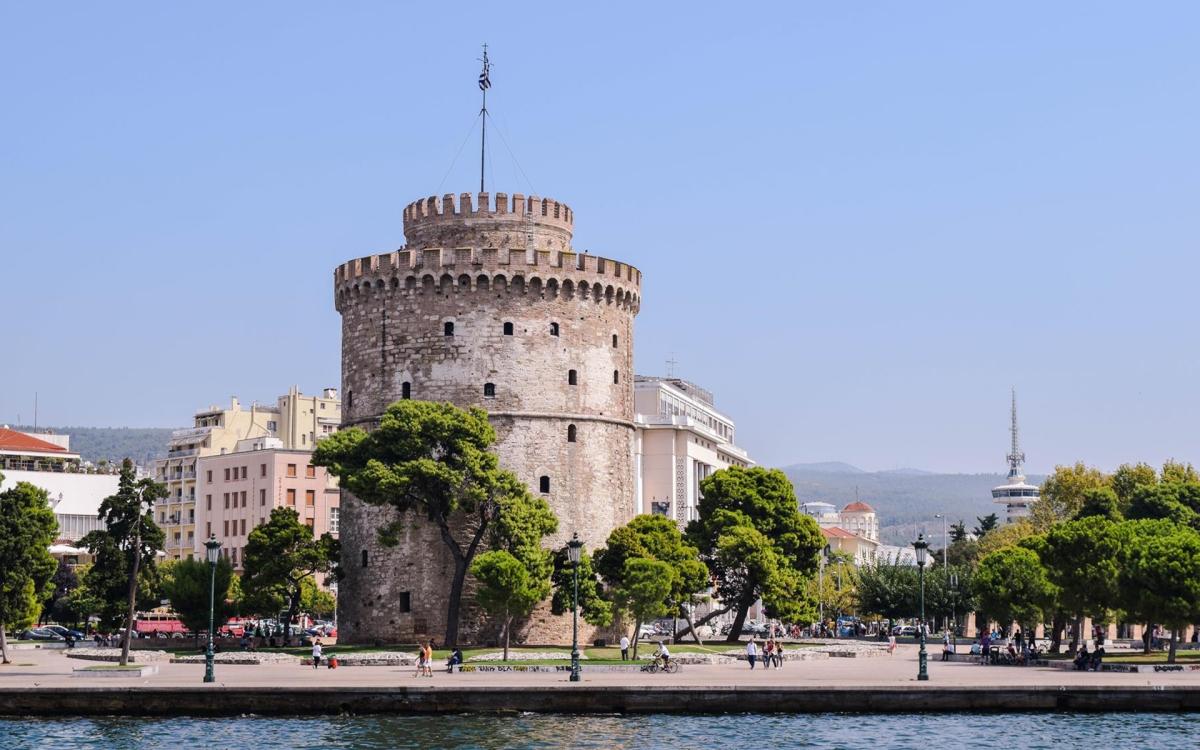
The White Tower is the best-known symbol of Thessaloniki. Located on the waterfront, it is associated with the city's Ottoman-period fortifications and today functions as an important historical landmark.
Rotunda
The Rotunda was constructed during the Roman period and later served different religious purposes over the centuries. Its architecture and surviving interior decoration make it one of Thessaloniki's most significant historical monuments.
Arch of Galerius
The Arch of Galerius, often called Kamara, was part of a larger Roman imperial complex. Its surviving reliefs provide an important connection to Thessaloniki's Roman past.
Church of Saint Demetrius
The Church of Saint Demetrius, or Hagios Demetrios, is dedicated to the patron saint of Thessaloniki and is one of the city's most important Byzantine and religious sites.
Roman Forum
The Roman Forum contains archaeological remains of the civic center of Roman Thessaloniki. It provides insight into public life during antiquity and can easily be combined with other central historical attractions.
Church of Hagia Sophia
The Church of Hagia Sophia is one of Thessaloniki's major Byzantine monuments and demonstrates the city's importance as a religious and cultural center during the Byzantine era.
Byzantine Walls
Sections of Thessaloniki's historic fortifications survive around the Upper Town. The walls are particularly impressive around Ano Poli and provide panoramic views over the modern city.
Ano Poli
Ano Poli survived much of the destruction caused by the 1917 fire and retains a different architectural character from the lower city. Its traditional houses, churches, narrow streets and fortifications make it one of Thessaloniki's most interesting areas for historical walking tours.
Heptapyrgion
Located in the Upper Town, Heptapyrgion is a fortified complex connected with the city's Byzantine and later history. It forms part of the wider defensive landscape of northern Thessaloniki.
Bey Hamam
Bey Hamam is one of the surviving Ottoman bathhouses in Thessaloniki and provides evidence of everyday urban life during the Ottoman period.
Atatürk Museum
The house associated with the birthplace of Mustafa Kemal Atatürk, founder of the Republic of Türkiye, is located in Thessaloniki and is an important destination for visitors interested in modern Turkish and regional history. Access arrangements should be checked before visiting.
Museum of Byzantine Culture
The Museum of Byzantine Culture contains collections related to Byzantine art, religion and everyday life and is particularly useful for travelers who want a deeper understanding of Thessaloniki's Byzantine heritage.
Archaeological Museum of Thessaloniki
The Archaeological Museum presents material from Thessaloniki and the wider region of Macedonia, providing context for the ancient history of northern Greece.
Thessaloniki Byzantine & Ottoman Heritage Tours focus on two historical periods that had a major influence on the architecture and identity of the city.
Thessaloniki was one of the Byzantine Empire's most important cities. Its location, commercial importance and religious institutions helped make it a major center of Byzantine life.
Several early Christian and Byzantine monuments in Thessaloniki are included within a UNESCO World Heritage property. These monuments demonstrate the development of religious architecture and art over many centuries.
The Church of Saint Demetrius is a central stop on Byzantine heritage tours. The church's connection with the city's patron saint makes it particularly significant for understanding Thessaloniki's Christian identity.
The Rotunda provides an unusual example of a building whose function changed repeatedly over time. Originally constructed during the Roman imperial period, it later became a Christian church and was subsequently used as a mosque during the Ottoman era.
The Church of Hagia Sophia and other Byzantine churches around the historic center provide further opportunities to examine mosaics, architecture and religious traditions.
Ano Poli is another important area for Byzantine sightseeing. Sections of the historic walls and fortifications survive around the neighborhood, while elevated viewpoints reveal the city's relationship with the Thermaic Gulf.
Ottoman rule began in the 15th century and continued for several centuries. During this period, Thessaloniki developed as an important city within the Ottoman Empire.
Surviving Ottoman heritage includes structures such as Bey Hamam and other buildings that reflect the city's religious and social life during this period.
The city's Ottoman-era history is also connected with the development of its multicultural population, including Muslim, Christian and Jewish communities.
A heritage tour that examines both Byzantine and Ottoman Thessaloniki can therefore provide a broader perspective than visiting individual monuments independently. It demonstrates how buildings, neighborhoods and communities changed function over time while remaining part of the same evolving city.
Travelers with a particular interest in Byzantine heritage can extend their journey to Meteora or other religious and historical destinations in northern and central Greece.

.jpg)