
Free Cancellation
-high.jpg&w=1920&q=75 "Kuala Lumpur Half Day City Tour")
-high.jpg&w=1920&q=75 "4D 3N Tour Kuala Lumpur - Rainforest Taman Negara - Cameron Highlands - Penang Island drop off (P38)")
-high.jpg&w=1920&q=75 "P6 Day Tour Aborigine Village @ Rainforest Taman Negara bonus stop Batu Caves")
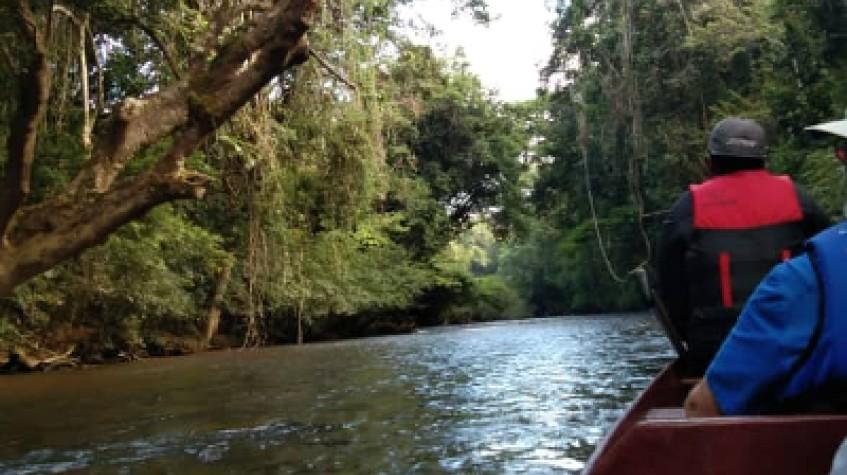
-high.jpg&w=1920&q=75 "P 56 2D 1N Tour Kuala Lumpur - Cameron Highlands - Penang Drop Off")
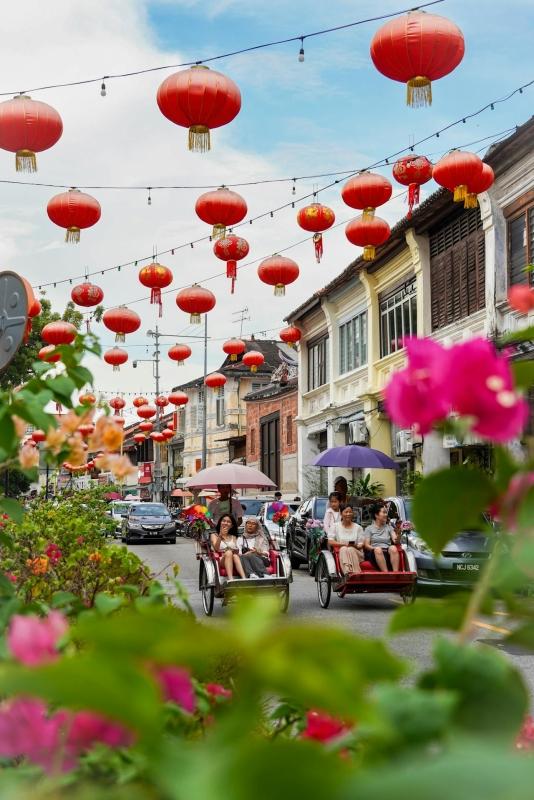
-high.jpg&w=1920&q=75 "6 Day Singapore Penang Tour Multi Destination Experience")
-high.jpg&w=1920&q=75 "6 Day Penang Singapore Tour Multi Country Experience")
-high.jpg&w=1920&q=75 "9 Day Singapore Malaysia Round Trip Tour Experience")
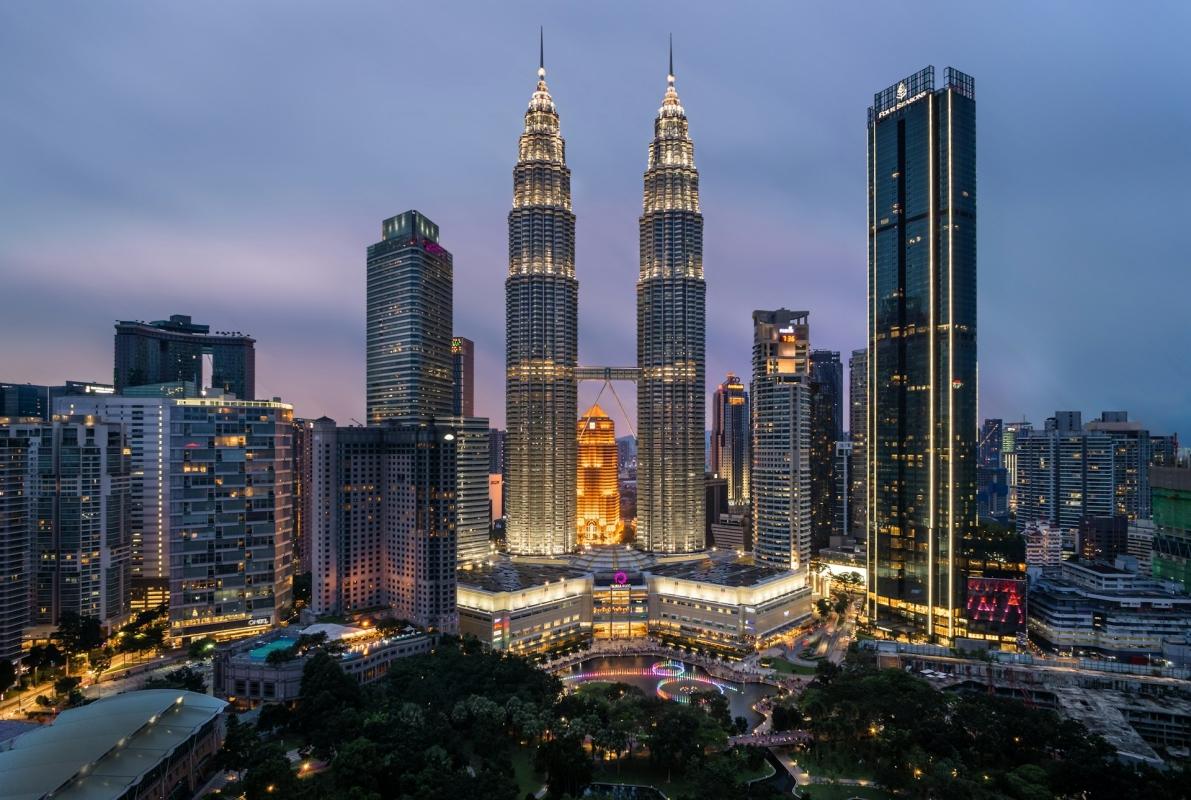
Kuala Lumpur is Malaysia's capital and largest city, built around the meeting point of the Klang and Gombak rivers that gave the city its name, meaning muddy confluence in Malay. Modern towers rise a short walk from colonial-era buildings and older shophouses, reflecting a history that runs from a 19th-century tin-mining settlement to a financial hub of over eight million people in its greater metropolitan area. Broader itineraries across the country are grouped under Malaysia tours.
These tours typically combine the city's skyline landmarks with its markets, temples and food streets, since the compact city center puts most sights within a short taxi or metro ride of each other. The city's ethnic Malay, Chinese and Indian communities each maintain distinct neighborhoods and places of worship, which shows in the range of architecture, festivals and cuisine found within a few city blocks.
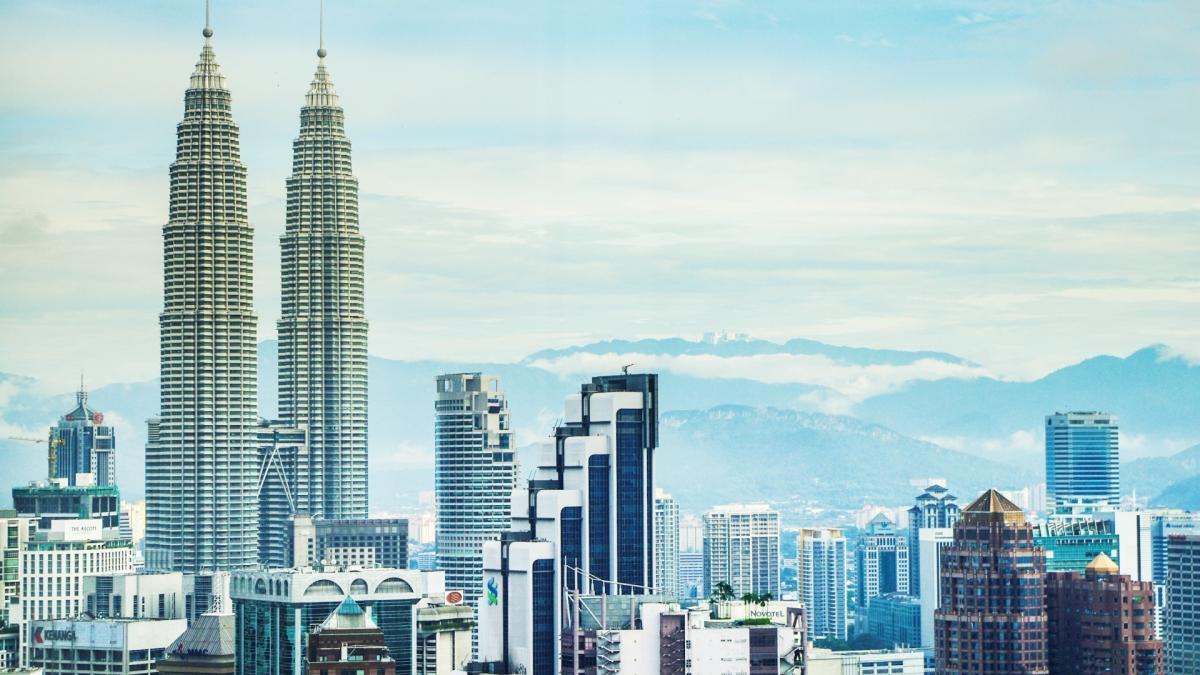
The Petronas Towers, twin 88-story structures finished in 1998, held the record for the world's tallest buildings until 2004 and remain the tallest twin towers on earth. A skybridge connects the towers on the 41st floor, and an observation deck near the top offers views across the Klang Valley. The towers anchor the Golden Triangle district, home to the KLCC park, shopping malls and much of the city's modern skyline.
Menara Kuala Lumpur, generally known as KL Tower, rises 421 meters from a hill near the city center and includes an observation deck and revolving restaurant above the surrounding tree canopy. Unlike the Petronas Towers, KL Tower sits on higher ground, so its deck often gives a wider view across the skyline, including the towers themselves.
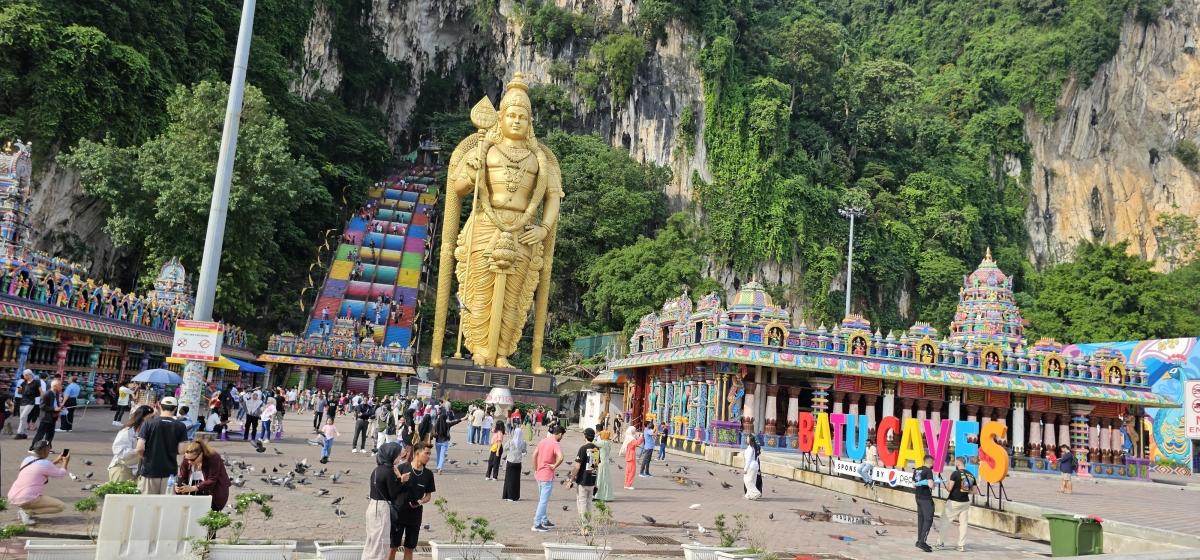
North of the city center, Batu Caves is a limestone hill riddled with cave temples dedicated to Hindu deities, reached by climbing 272 brightly painted steps guarded by a towering gold statue of Lord Murugan. The site draws both worshippers and visitors year-round, with the Thaipusam festival in January or February bringing the largest crowds as pilgrims carry ceremonial kavadi up the steps.
Merdeka Square marks the spot where Malaysia's independence was declared in 1957, framed by Moorish-style colonial buildings including the Sultan Abdul Samad Building with its copper domes and clock tower. The nearby Masjid Jamek mosque sits directly at the river confluence that gives the city its name, and the surrounding streets hold some of Kuala Lumpur's oldest surviving architecture.
Masjid Negara, the National Mosque, opened in 1965 with a distinctive umbrella-shaped roof of 18 points representing Malaysia's states, and stands within walking distance of KL Sentral. Sri Mahamariamman Temple, the oldest Hindu temple in the city, sits at the edge of Chinatown near Petaling Street, its gopuram tower covered in carved figures. Thean Hou Temple, on a hilltop south of the city center, ranks among the largest Chinese temples in Southeast Asia and combines Buddhist, Taoist and Confucian elements under one roof.
Petaling Street forms the spine of Kuala Lumpur's Chinatown, packed with stalls selling everything from clothing to street food beneath a covered arcade. Central Market, a former wet market turned crafts and souvenir hub, sits a short walk away, while Little India around Brickfields offers a different mix of textiles, spices and South Indian restaurants.
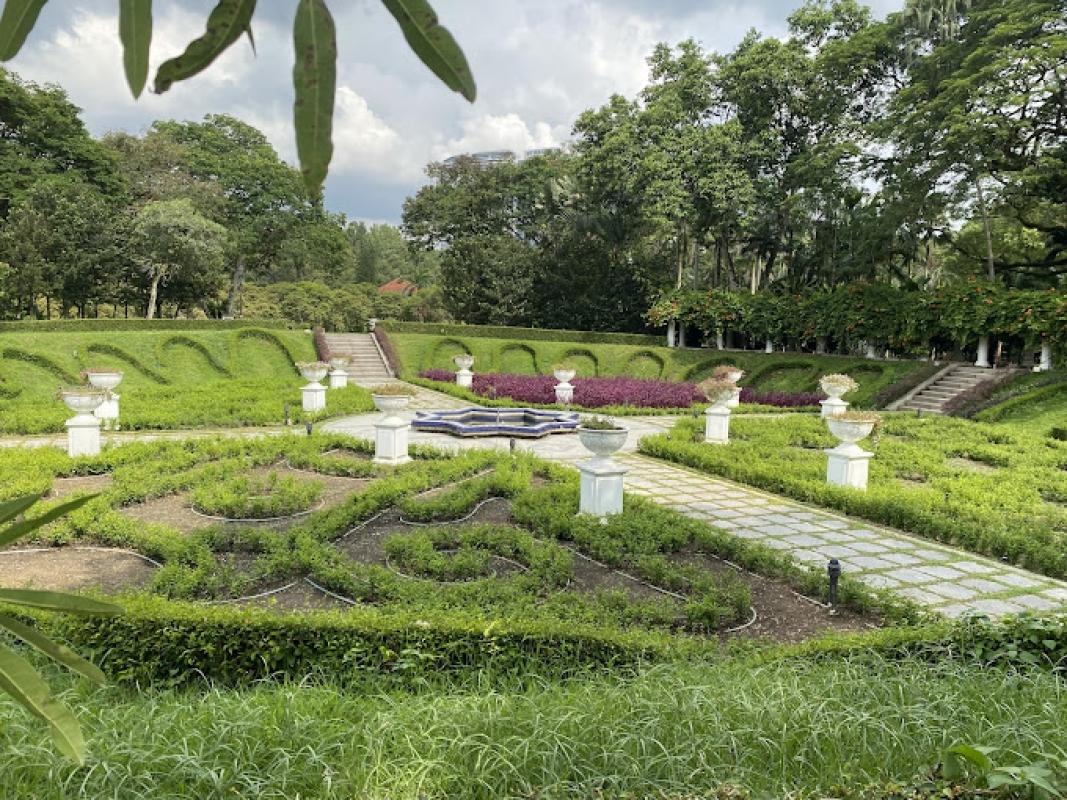
West of the city center, the Perdana Botanical Gardens, commonly known as the Lake Gardens, cover more than 90 hectares of parkland dating back to the 1888 colonial era. Within the grounds, KL Bird Park operates as one of the largest walk-in aviaries in the world, housing several thousand birds across landscaped enclosures that visitors can walk through freely.
Kuala Lumpur's food scene draws heavily on Malay, Chinese and Indian traditions, often served side by side at hawker centers such as Jalan Alor, where stalls stay open late into the night. Dishes like nasi lemak, considered something close to a national dish, and Hokkien mee sit alongside banana leaf curry and Indian rojak, reflecting the city's mixed population.
Bukit Bintang forms the retail core of the Golden Triangle, with malls such as Pavilion Kuala Lumpur and Lot 10 sitting alongside street-level shops and the Fahrenheit88 complex. The district stays active well into the evening, with rooftop bars and restaurants opening as the malls close.
Public transport in the city includes the LRT, MRT and monorail lines, along with the KLIA Ekspres train linking central Kuala Lumpur to Kuala Lumpur International Airport in about 28 minutes. KL Sentral serves as the main transit hub, connecting most rail lines and long-distance bus and train services to destinations elsewhere in Malaysia.
About an hour from the city center, Genting Highlands is a hill resort reached by the Genting Skyway cable car, one of the longest and fastest cable car systems in Southeast Asia. Cooler mountain air and a casino resort draw day-trippers from Kuala Lumpur throughout the year.
Kuala Lumpur also serves as a base for trips into Malaysia's interior rainforest and highlands, a change of pace from the city's towers and markets. The P6 Day Tour Aborigine Village @ Rainforest Taman Negara bonus stop Batu Caves combines a Batu Caves visit with an extended trip into Taman Negara, one of the world's oldest rainforests, for travelers wanting to pair the city with Malaysia's jungle interior.