
Free Cancellation
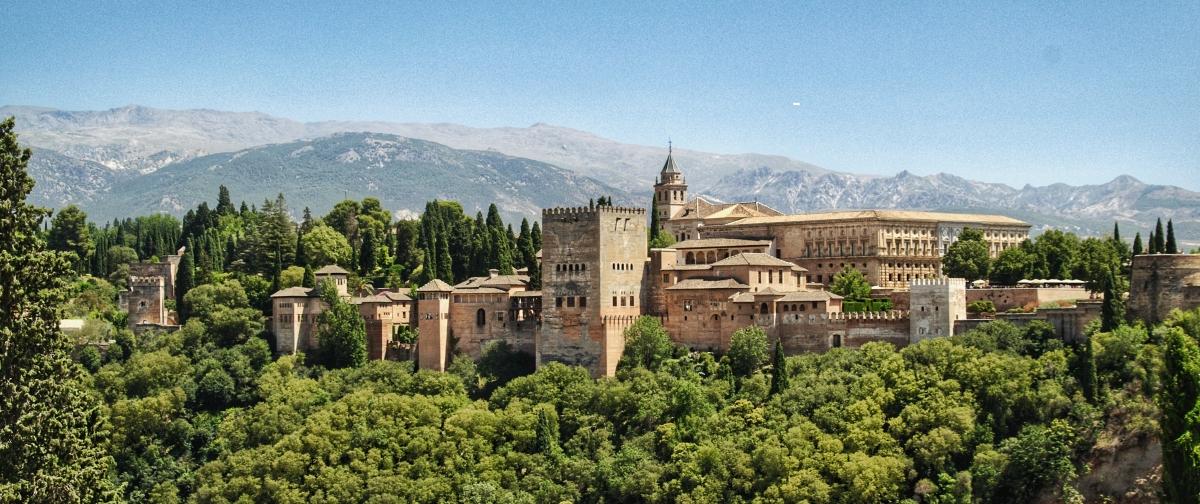
Málaga sits on Spain's Costa del Sol in Andalusia, a port city with roughly three thousand years of continuous history that has become one of the region's main draws for travelers exploring Spain tours. It combines a well preserved historic center with beaches, a busy cruise port and an international airport that makes it a convenient base for the wider coast.
Founded by Phoenician traders and later shaped by Romans, Moors and Christian rulers, Málaga carries layers of that history in its street plan and monuments. It is also the birthplace of Pablo Picasso, a fact the city has built into several of its cultural attractions, and its Mediterranean climate keeps visitors coming for much of the year. In recent years the city has grown into a technology and innovation hub as well, with companies setting up offices in converted buildings alongside the historic port trade that first built its economy.
The Alcazaba is a Moorish palace fortress built in the eleventh century on a hill overlooking the port, with terraced gardens, horseshoe arches and views over the city below. A path connects it to the Gibralfaro castle higher up the same hill, built to protect the Alcazaba and offering a wider panorama over the harbor and the bullring. Roman ruins, including a first century amphitheater, sit at the foot of the Alcazaba and were uncovered during twentieth century construction work nearby. Both sites are floodlit at night, giving the hillside a different profile visible from much of the old town below.
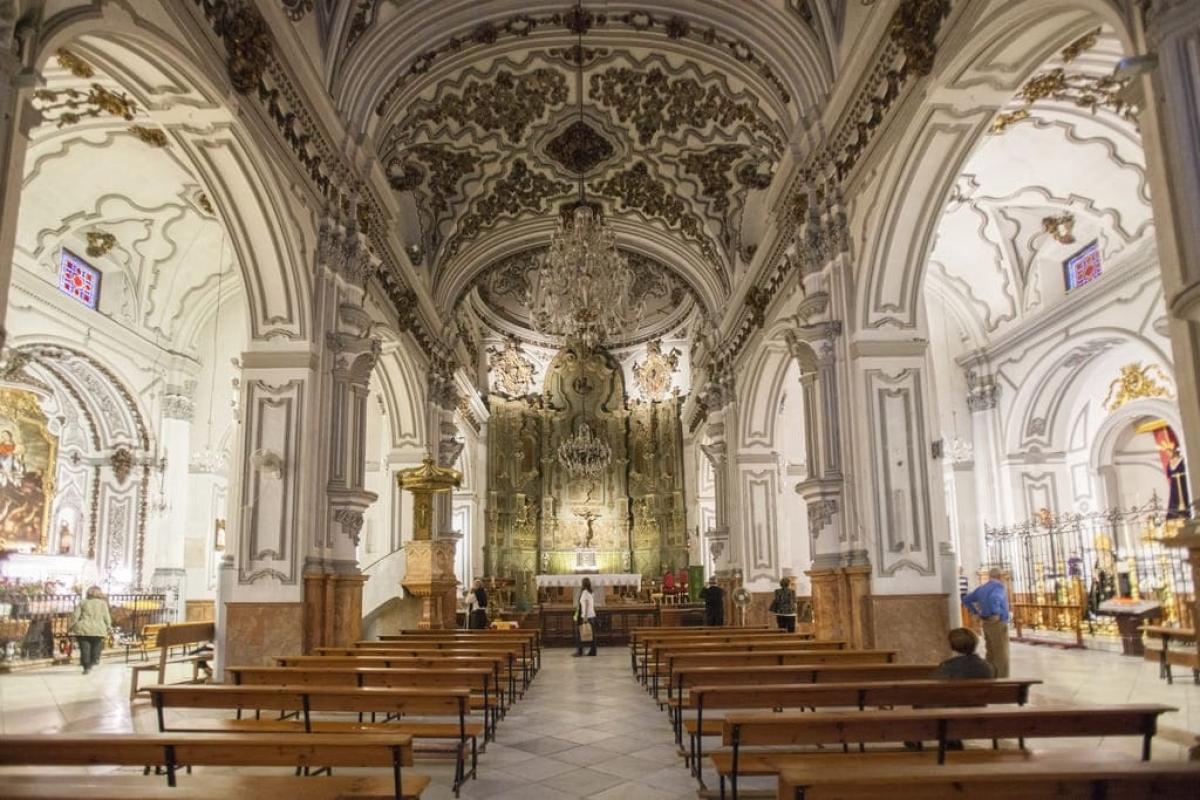
Málaga Cathedral, begun in the sixteenth century on the site of a former mosque, is known locally as La Manquita, the one armed lady, because its second tower was never finished. The surrounding old town holds narrow pedestrian streets, the Plaza de la Merced where Picasso was born, and the Mercado de Atarazanas, a nineteenth century iron and glass market hall built over a Moorish shipyard gate. Its rooftop terrace tour, which takes visitors across the roof structure itself, has become one of the more distinctive ways to see the building up close.
The Museo Picasso Málaga, housed in a sixteenth century palace a short walk from the cathedral, holds a collection donated by the artist's family and traces his work across several periods. A few streets away, the Casa Natal de Picasso marks the house where he was born in 1881 and now operates as a small museum and foundation. Together the two sites give visitors a fuller picture of the city's connection to the artist than either offers on its own. The Centre Pompidou Málaga, housed nearby in a glass cube structure on the harbor, adds a further contemporary art collection to the city's museum scene.
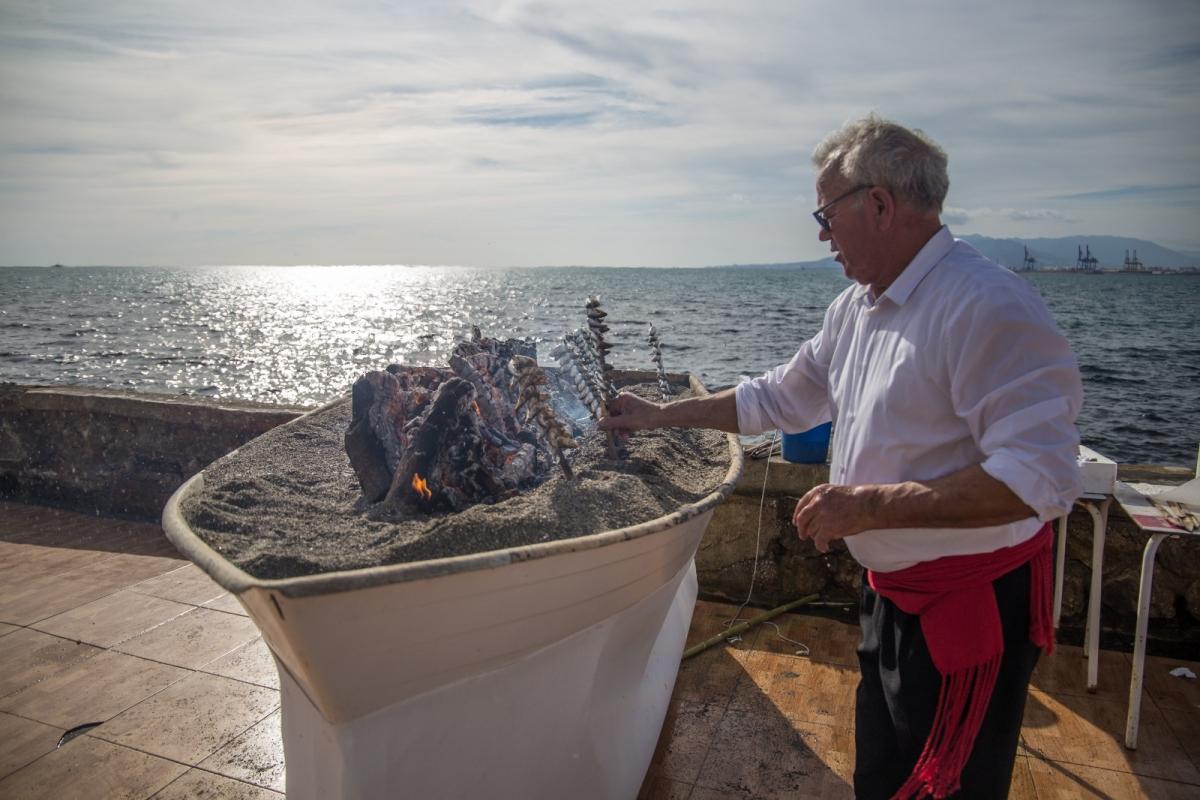
Málaga's own beaches, La Malagueta and Pedregalejo among them, sit within walking distance of the historic center and stay busy through the summer months. Pedregalejo in particular is known for its beachfront chiringuitos, informal restaurants that grill sardines on skewers over open wood fires, a dish called espetos closely associated with this stretch of coast. Visitors curious about the tradition can join the Sardines Skewers "Espetos" in Malaga Beach experience, which focuses on this specific local custom rather than general sightseeing. Further east, the beaches around El Palo keep a quieter, more local feel than the promenades closer to downtown. Muelle Uno, the redeveloped harbor promenade next to the cruise terminal, adds shops, restaurants and views of the Alcazaba hillside to an evening walk by the water.
Beyond the city, the Costa del Sol stretches along the coast through resort towns such as Marbella, Torremolinos and Fuengirola, each offering its own mix of beaches, golf courses and nightlife. Marbella's old town, with its own small Alcazaba and whitewashed streets, gives that resort a historic center of its own beyond its marina and beach clubs. Málaga functions as the practical gateway to this coastline, since most flights and trains into the region arrive here first.
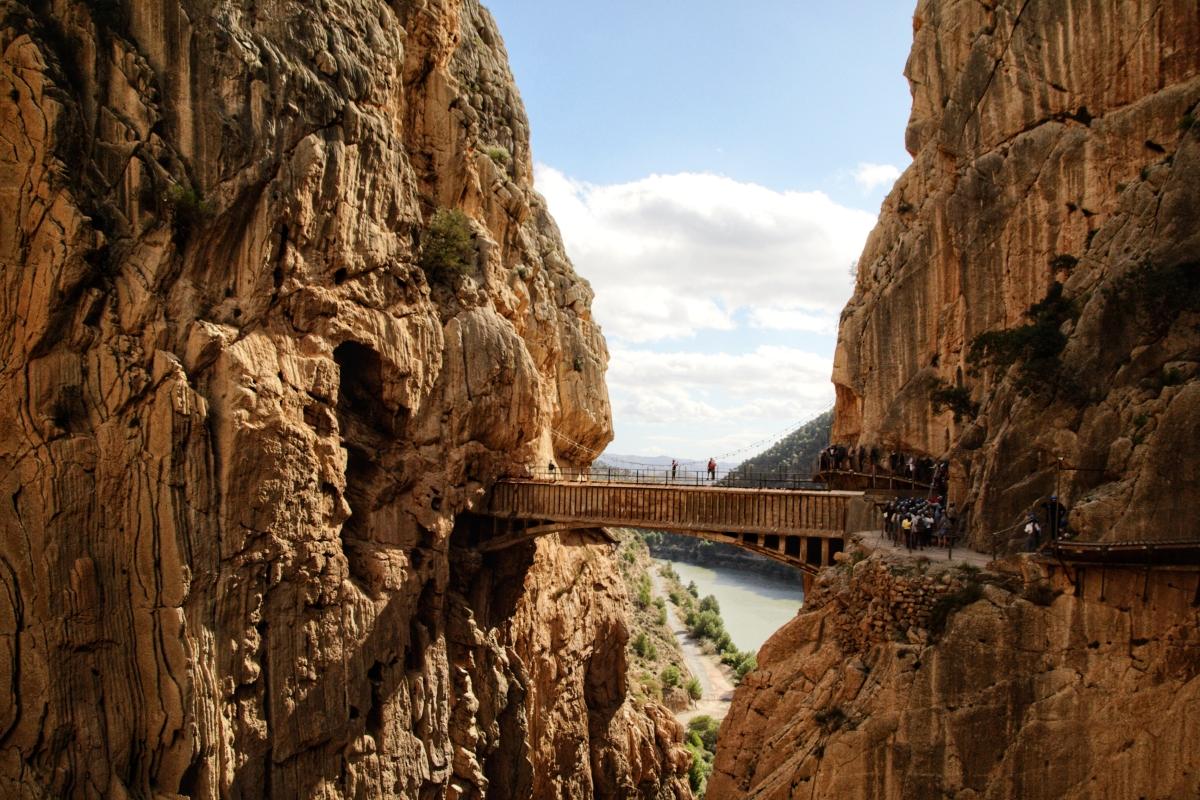
Ronda, perched on either side of a deep gorge and connected by the eighteenth century Puente Nuevo bridge, is the most requested day trip from Málaga and is reachable within about two hours. The Caminito del Rey, a walkway built into the cliffs of the Gaitanes Gorge, draws hikers who book timed entry tickets well in advance. Closer to the city, the prehistoric dolmens of Antequera, recognized as a UNESCO World Heritage Site, and the coastal town of Nerja with its cave system round out the most common half or full day options. Frigiliana, a whitewashed village in the hills above Nerja, is often folded into the same day for travelers with a car or a private driver. Gibraltar, reachable in around two and a half hours, is a longer but still doable day trip for travelers curious about the British territory perched at the tip of the peninsula.
Spring and fall bring the mildest temperatures and are generally the more comfortable seasons for walking the old town and hillside fortresses. Summer runs hot but stays the peak season for beach travel, while winter remains mild by European standards, with daytime temperatures that rarely make sightseeing uncomfortable. Hotel and flight prices climb noticeably in July and August, so travelers focused on the historic center rather than the beach often find spring or fall a more comfortable and less crowded trade off.