
Free Cancellation
-high.jpg&w=1920&q=75 "Cordoba Day Trip from Seville")
-high.jpg&w=1920&q=75 "Spanish Experience 9 Day Spain Tour to Madrid, Seville & Barcelona")
-high.jpg&w=1920&q=75 "Córdoba, Seville, Granada and Toledo 5 Days Trip from Madrid")
-high.jpg&w=1920&q=75 "9 Day Spain Tour to Madrid, Barcelona & Seville")
-high.jpg&w=1920&q=75 "9 Days 8 Nights Spain & Portugal Packaged Tour")
-high.jpg&w=1920&q=75 "5-Day Tour of Córdoba, Seville, Granada and Toledo from Madrid")
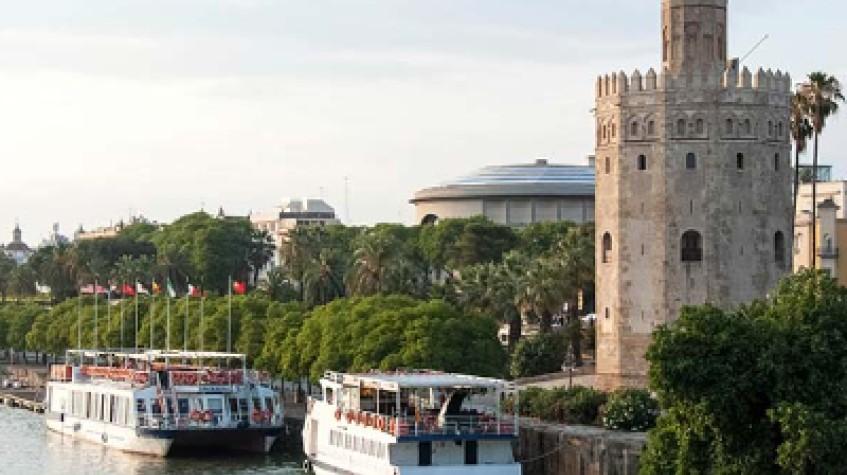
Seville is Andalusia's capital and one of Spain's most visited cities, built around a set of monuments that place it among the top destinations covered by Spain tours. Its historic center concentrates a cathedral, a royal palace and a flamenco tradition within walking distance of each other, which is part of why so many itineraries built around Andalusia start here. The old town itself ranks among the larger historic centers in Europe, rewarding visitors who walk beyond the three headline sites.
The city sits on the Guadalquivir River in southern Spain, a short flight or a fast train ride from Madrid, and its architecture reflects centuries of Moorish rule followed by Christian reconquest. Summers run hot, but the rest of the year offers comfortable conditions for the walking that a Seville visit generally requires. The Cathedral, the Real Alcázar and the Archivo General de Indias were jointly recognized as a UNESCO World Heritage Site in 1987, a designation that reflects how closely tied the three sites are, both historically and geographically.
Seville Cathedral is the largest Gothic cathedral in the world by volume, built over the site of a former mosque between the late fourteenth and early sixteenth centuries. Its bell tower, the Giralda, began as the mosque's minaret and was later topped with a Renaissance belfry, and visitors climb ramps rather than stairs on the way up for a view over the old town. Inside, the cathedral holds an elaborate main altarpiece and a tomb monument attributed to Christopher Columbus, making it one of the required stops for a first visit to the city. The cathedral's five naves and dozens of side chapels make it large enough that a full visit, including the Giralda climb, typically takes at least two hours.
The Real Alcázar began as a Moorish fort and was rebuilt over centuries into a royal palace that remains in use by the Spanish royal family today, making it the oldest still functioning royal palace in Europe. Its Mudéjar architecture, built by Christian rulers using Islamic craftsmen and techniques, shows in the carved plasterwork, tiled walls and courtyards throughout the complex. The palace gardens, laid out over several terraces, extend the visit well beyond the interior rooms and have appeared in television and film productions. Peacocks roam parts of the grounds freely, and fountains fed by an old Moorish water system still run through several of the garden courtyards. Upper floor rooms, still used by the royal family, are ticketed separately from the main palace route, and tickets for both are timed, so advance booking is common practice during the busier spring months.
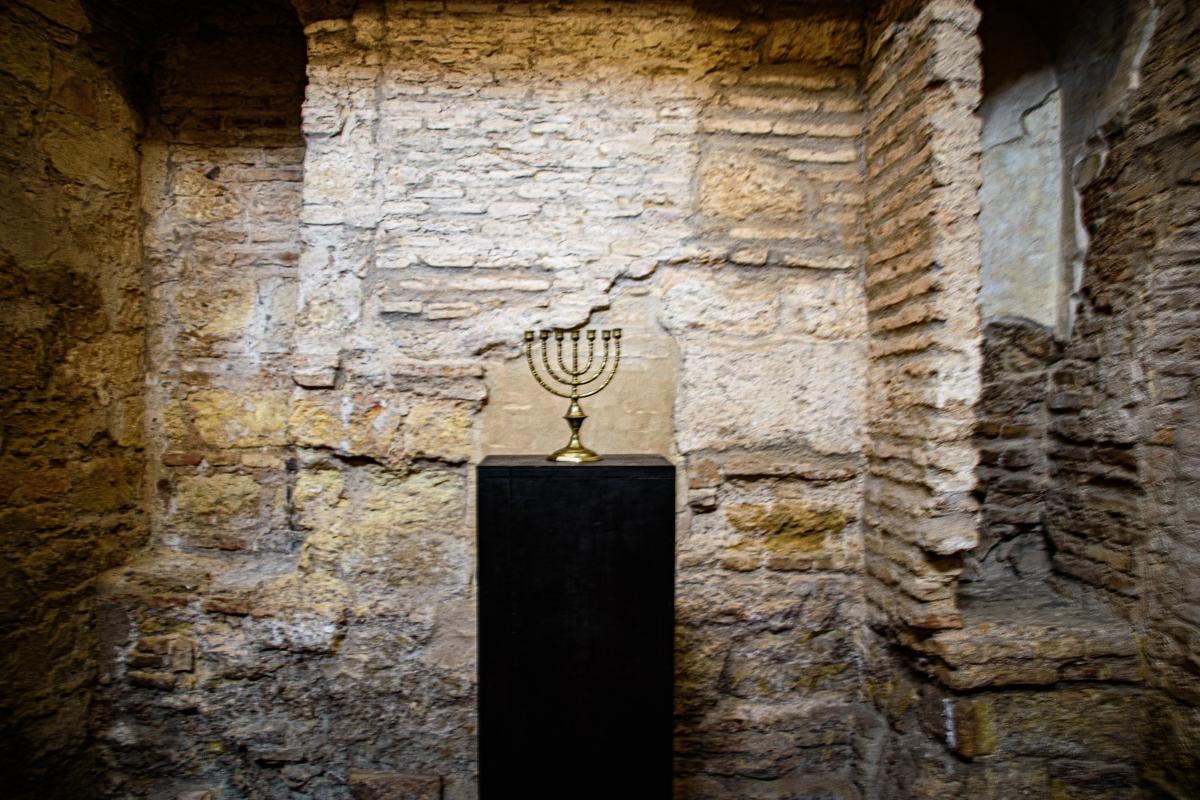
A semicircular brick and tile complex built for the 1929 Ibero-American Exposition, the Plaza de España is one of the most recognized public spaces in Spain, with a canal, bridges and tiled alcoves representing each Spanish province. It sits at the edge of Maria Luisa Park, a shaded green space that offers a break from the historic center's stone streets, and it is a short walk from there back into the Santa Cruz quarter, the old Jewish district of narrow lanes surrounding the Cathedral.
Flamenco developed in Andalusia and Seville remains one of the art form's central cities, with tablaos, dedicated performance venues, offering shows most nights of the week. The Triana neighborhood across the river carries a historical link to the tradition, and the Museo del Baile Flamenco in the old town documents its history and technique for visitors less familiar with the art form. Even a single evening performance gives a sense of the guitar work, singing and footwork that define flamenco. More traditional flamenco peñas, member clubs that occasionally open performances to outside visitors, operate away from the main tourist circuit for those seeking a less staged version of the art form. Seville also hosts the Bienal de Flamenco, a biennial festival held every other September that brings performers from across Spain for weeks of concerts throughout the city.
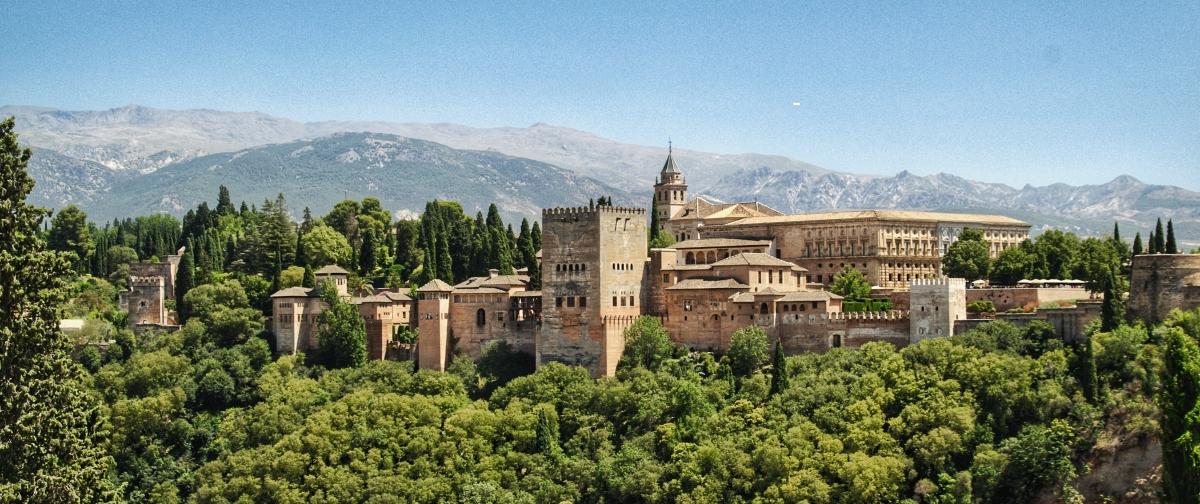
Córdoba, with its Mezquita cathedral built inside a former mosque, is reachable in under an hour by high speed train and is the most requested short day trip from Seville. Granada, roughly three hours away by road, is home to the Alhambra, the Nasrid palace complex regarded as one of the finer surviving examples of Islamic architecture in Spain. Travelers who want to see it without managing the drive themselves can book the Alhambra private tour from Seville, which covers the round trip to Granada as a single guided day out. Cádiz, a coastal city with a much older core, makes a longer but still manageable day trip for travelers wanting a third stop beyond Córdoba and Granada. Italica, a well preserved Roman archaeological site with a large amphitheater, sits closer still, about forty minutes outside Seville, and suits travelers who want ancient history without a full day away from the city. Public buses and organized tours both run to the site regularly, making it one of the easier half day additions to a Seville based itinerary.
Spring and fall bring the most comfortable temperatures for a city built around long stretches of walking between monuments. Summer heat in Seville runs intense, often exceeding 100 degrees Fahrenheit, and can make midday sightseeing uncomfortable without breaks. Winter stays mild and quieter, with smaller crowds at the Cathedral and Alcázar than during the peak spring season.