
-high.jpg&w=1920&q=75 "Balkan Explorer: 5-Day Journey Through Croatia, Bosnia, Montenegro & Albania")
Croatia Zagreb Tours
100+ tours & activities
Free Cancellation
8 Days Best of Croatia Tour
Free Cancellation
Adriatic Sea Tour 21 Day
-(2)-high.jpg&w=1920&q=75 "11 Day 10 Night Photo Tales Of Croatia")
Free Cancellation
11 Day 10 Night Photo Tales Of Croatia
-high.jpg&w=1920&q=75 "Private tour package 9 days in Croatia +Bosnia and Herzegovina")
Free Cancellation
Private tour package 9 days in Croatia +Bosnia and Herzegovina
-high.jpg&w=1920&q=75 "Private tour package 7 days in Croatia +Bosnia and Herzegovina")
Free Cancellation
Private tour package 7 days in Croatia +Bosnia and Herzegovina
-high.jpg&w=1920&q=75 "Private 6 Days Croatia and Bosnia and Herzegovina Tour Experience")
Free Cancellation
Private 6 Days Croatia and Bosnia and Herzegovina Tour Experience
Free Cancellation
Classic Croatia: 6 Days Capital to Coast
Free Cancellation
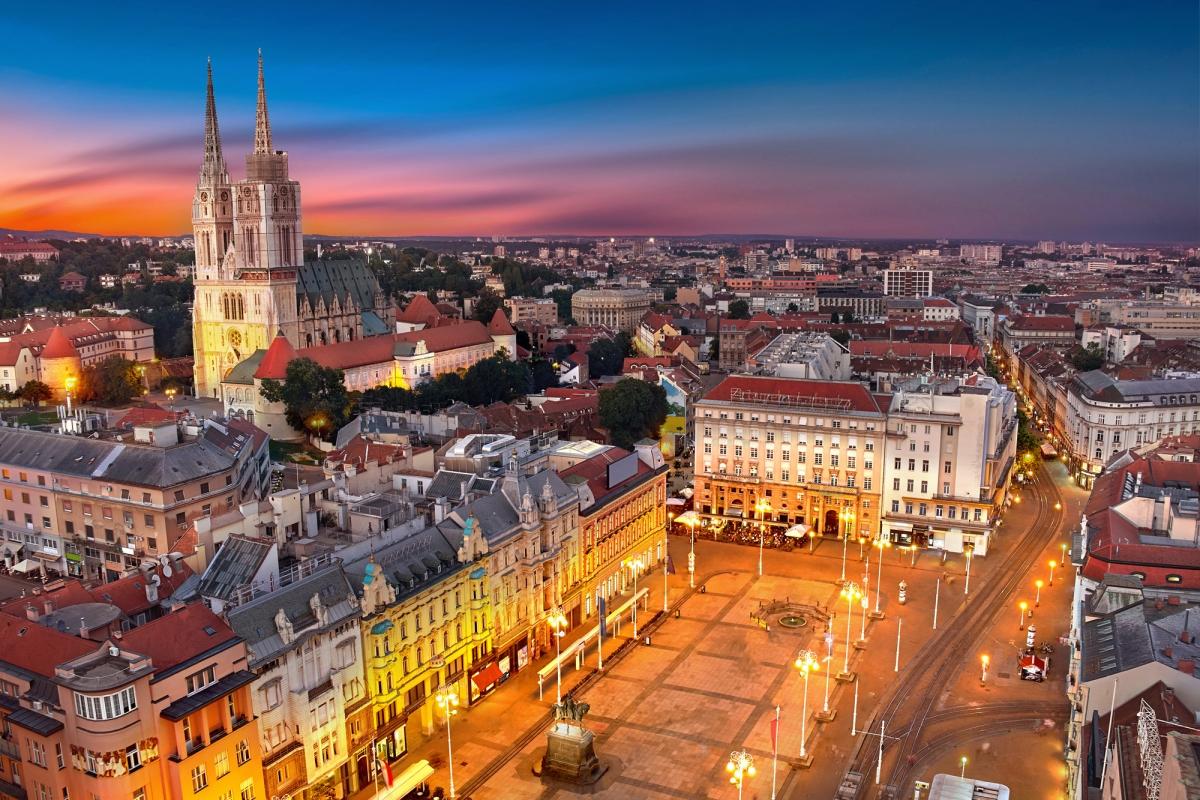
Zagreb & Northern Croatia Signature Journey – 6 Days / 5 Nights
-high.jpg&w=1920&q=75 "19 Days Europe Balkan Countries Tour")
PopularFree Cancellation
19 Days Europe Balkan Countries Tour
-high.jpg&w=1920&q=75 "21 Day Europe Balkan Combined Tour")
PopularFree Cancellation
21 Day Europe Balkan Combined Tour
-high.jpg&w=1920&q=75 "16 Days Grand Balkan Countries Tour")
Free Cancellation
16 Days Grand Balkan Countries Tour
-high.jpg&w=1920&q=75 "23 Days Balkan Countries Combined Tour")
Free Cancellation
23 Days Balkan Countries Combined Tour
-high.jpg&w=1920&q=75 "24 Days Europe Balkan Countries Tour")
Free Cancellation
24 Days Europe Balkan Countries Tour
-high.jpg&w=1920&q=75 "13 Days Yugoslavia Long Tour")
Free Cancellation
13 Days Yugoslavia Long Tour
-high.jpg&w=1920&q=75 "23 Days Asia Europe and Balkan Countries Tour")
Free Cancellation
23 Days Asia Europe and Balkan Countries Tour
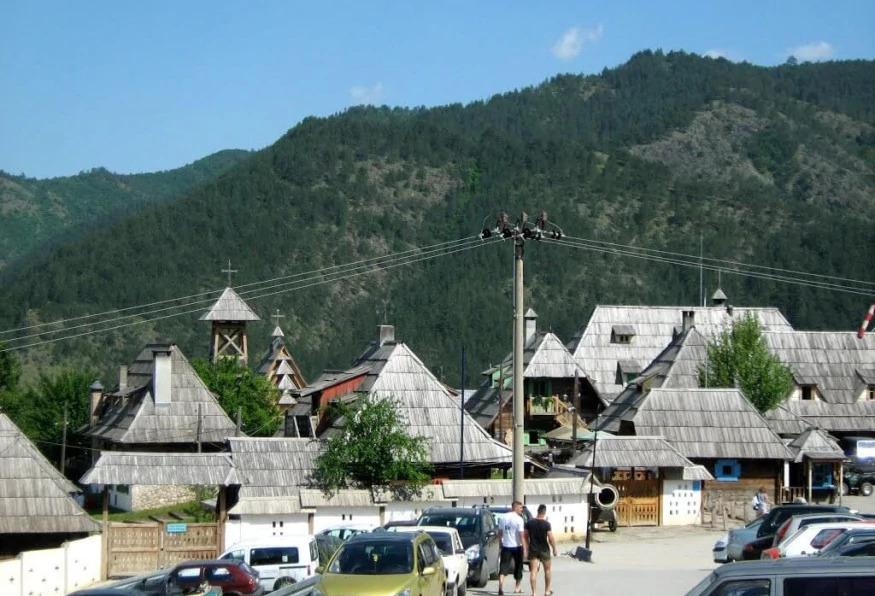
Free Cancellation
9 Days Yugoslavia Short Tour
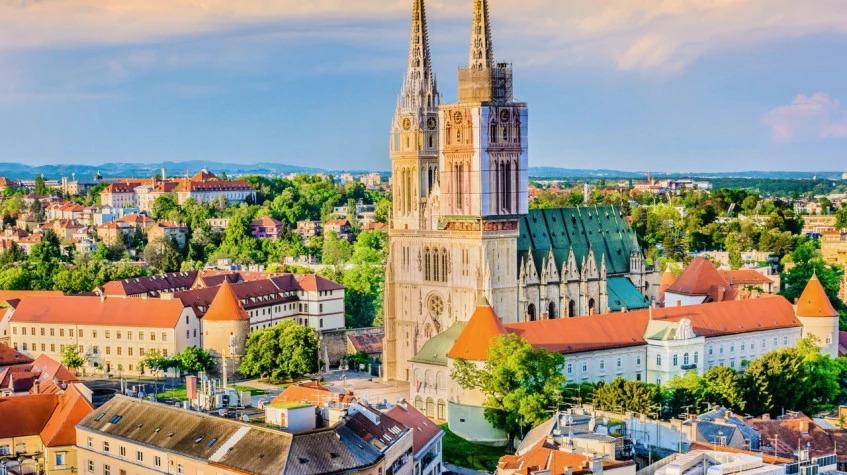
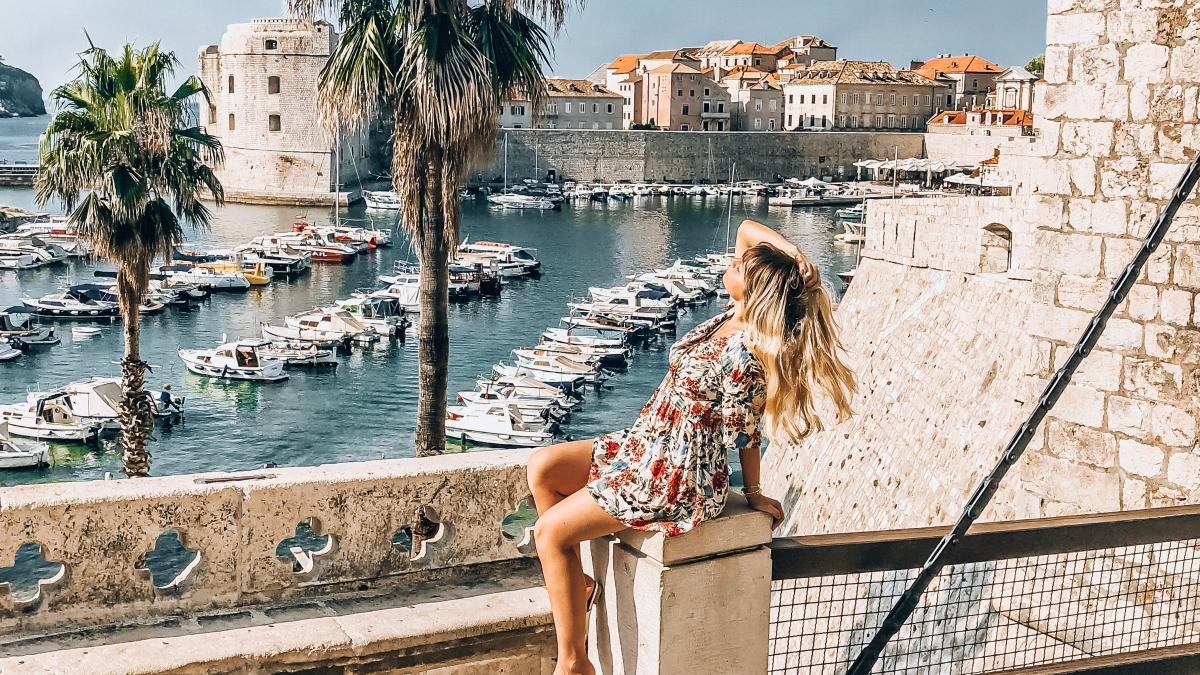
Free Cancellation
19 Day Grand Balkan Combined Country Tour
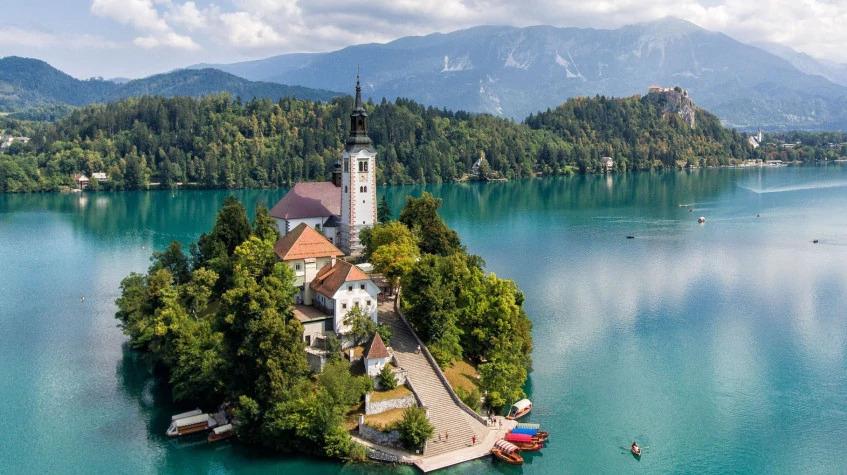
Free Cancellation
10 Days Slovenia & Croatia Tour
Explore Croatia Zagreb Tours
About Croatia Zagreb Tours
Zagreb Tours introduce visitors to Croatia's capital, a city that combines an Austro-Hungarian-era downtown with a medieval hilltop core and a museum culture that ranges from serious archaeology to the deliberately unconventional. Zagreb grew from two rival medieval settlements, Kaptol and Gradec, that merged into a single city only in the 19th century, and that dual origin still shows in the layout of its historic Upper Town.
Positioned inland rather than on the Adriatic, Zagreb tends to draw a different type of visitor than Croatia's coastal cities, with a stronger focus on museums, cafe culture and architecture than beaches. The city works well as a starting or ending point for a wider Croatia itinerary that continues on to Plitvice Lakes and the Dalmatian coast.
Zagreb's Upper Town
St. Mark's Church
St. Mark's Church is recognized immediately by its tiled roof, laid out in two coats of arms, one for Croatia, Dalmatia and Slavonia and the other for the city of Zagreb. The church itself dates to the 13th century, though its distinctive roof was added during a 19th-century restoration.
Lotrščak Tower and the Zagreb Cannon
Lotrščak Tower, part of the old defensive walls around Gradec, has fired a cannon shot at noon every day since 1877, a tradition originally meant to help churches across the city synchronize their bells. A funicular, one of the shortest in operation anywhere, connects the tower's hilltop position to the Lower Town below.
Zagreb Cathedral
Zagreb Cathedral's twin neo-Gothic spires define the city's skyline from almost any vantage point in Kaptol. The current towers date largely from a rebuilding after a major earthquake in 1880, though the cathedral's foundations and older sections reach back to the 13th century.
Museums and Dolac Market
Zagreb's museum scene extends well beyond the traditional, and the Museum of Broken Relationships, which displays donated objects and stories from ended relationships around the world, has become one of the city's more unusual draws since opening in 2010. More conventional collections at the Mimara Museum and the Archaeological Museum cover art and antiquity respectively. Each morning, the Dolac open-air market above the main square fills with produce, flowers and local vendors, a working market rather than a staged attraction.
Zagreb Tour Packages
Zagreb Tour Packages typically pair a guided walk through the Upper Town with visits to the cathedral, Dolac Market and Tkalčićeva Street, a pedestrian strip of cafes and bars that follows the course of a stream once used to mark the boundary between Kaptol and Gradec. Longer packages extend south toward Plitvice Lakes National Park or connect Zagreb with the Dalmatian coast as part of a multi-stop route.
8 Days Best of Croatia Tour uses Zagreb as its starting point before continuing through Plitvice Lakes and down the coast, a common structure for first-time visitors to the country.
Mirogoj Cemetery
A short distance north of the center, Mirogoj Cemetery is enclosed by a long domed arcade designed by architect Hermann Bollé in the late 19th century. Rather than a somber stop, it functions as an open-air architecture and sculpture site, with the graves of prominent Croatian historical figures set among manicured lawns and cupolas.
Food and the December Advent Market
Zagreb's restaurants reflect its Central European position, with dishes such as štrukli, a baked or boiled cheese pastry, appearing alongside grilled meats and dishes shared with the coastal cuisine further south. Each December, Zagreb's Advent market spreads across the main square and surrounding streets with stalls, an ice rink and mulled wine, a month-long event that turns the city center into its busiest season of the year.
Best Time to Visit Zagreb
May, June, September and October bring mild temperatures well suited to walking the Upper Town and sitting in Tkalčićeva's cafes. Winters are cold but relatively dry, and December's Advent market draws visitors specifically for the season, while July and August can be warm and humid, better suited to museum visits than long walks uphill.