

Free Cancellation







 Ultimate GuideBest Time to Visit Croatia
 Road tripsSet-Jetting: Why Movies, Books & TV Series Inspire Our Travel Choices
 Blue CruiseExperience Blue Cruise Croatia Turkey & Greece
 Where to visit?Best Places to Visit in Croatia
 Travel Tips7 Things You Should Know Before Booking a Mediterranean Cruise
 Ultimate GuideTop 10 Things to Do in Europe
Croatia Culture & Historical Tours explore the country's Roman archaeological sites, medieval cities, UNESCO World Heritage Sites and architectural landmarks. Located along the Adriatic Sea, Croatia preserves historical monuments influenced by Roman, Byzantine, Venetian, Ottoman and Austro-Hungarian civilizations.
Travelers can discover Dubrovnik's medieval city walls, Diocletian's Palace in Split, the Roman amphitheatre in Pula and the historic centres of Trogir and Šibenik. Guided cultural tours connect these destinations with museums, religious buildings and archaeological sites that explain Croatia's history and cultural development.
Croatia cultural tours introduce travelers to the country's historical cities, architectural traditions, religious heritage and regional customs. The country's location between Central Europe and the Mediterranean has contributed to a diverse cultural identity shaped by centuries of political and commercial exchange.
The Dalmatian Coast is one of the main regions for cultural sightseeing. Historic cities such as Dubrovnik, Split, Trogir and Šibenik preserve medieval streets, churches, defensive walls and public buildings associated with Roman and Venetian history. Many of these landmarks are protected as UNESCO World Heritage Sites.
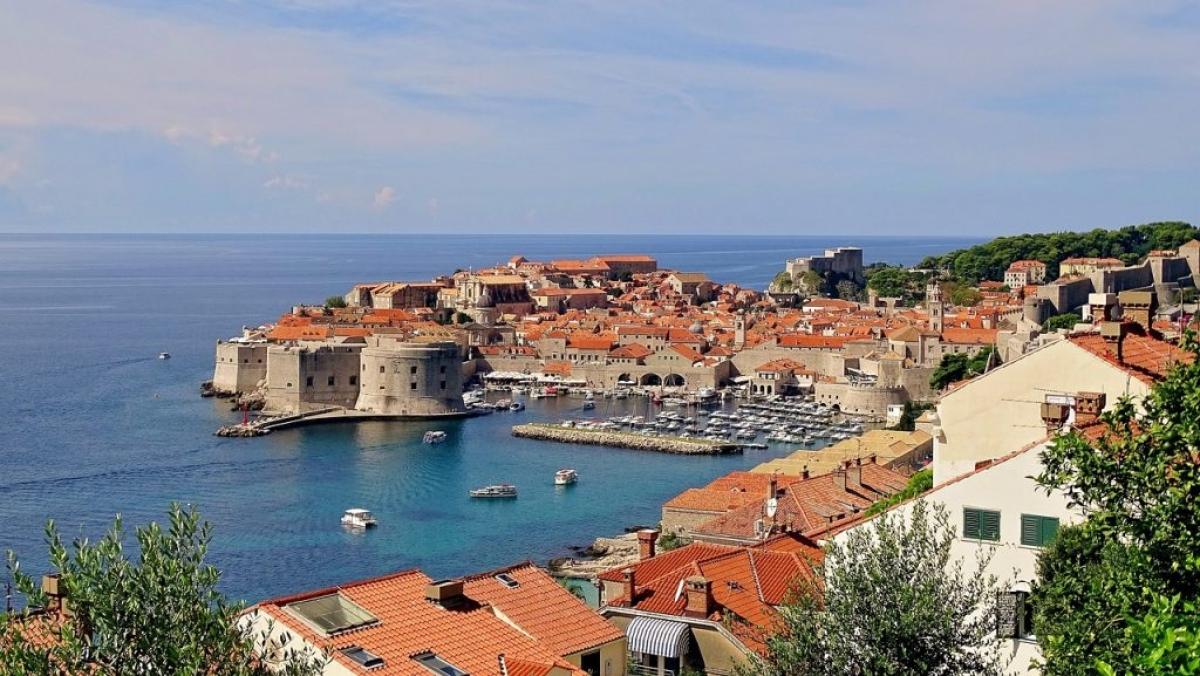
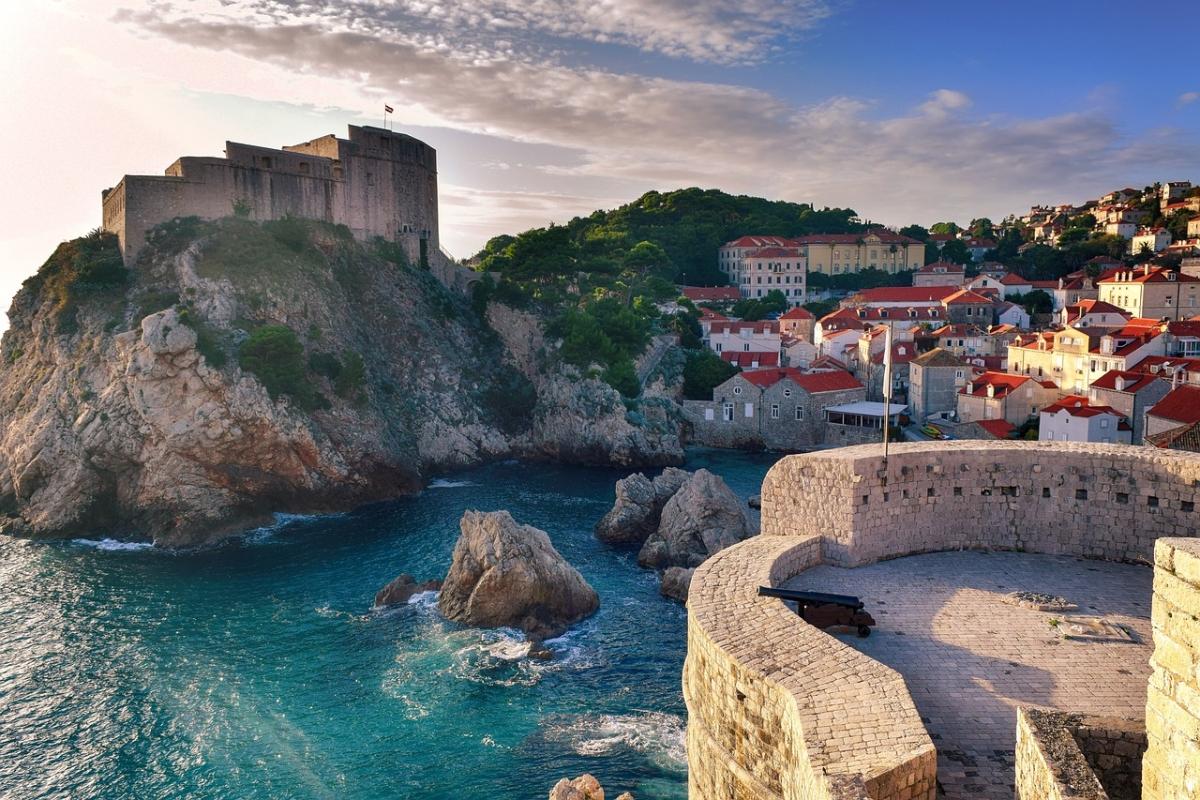
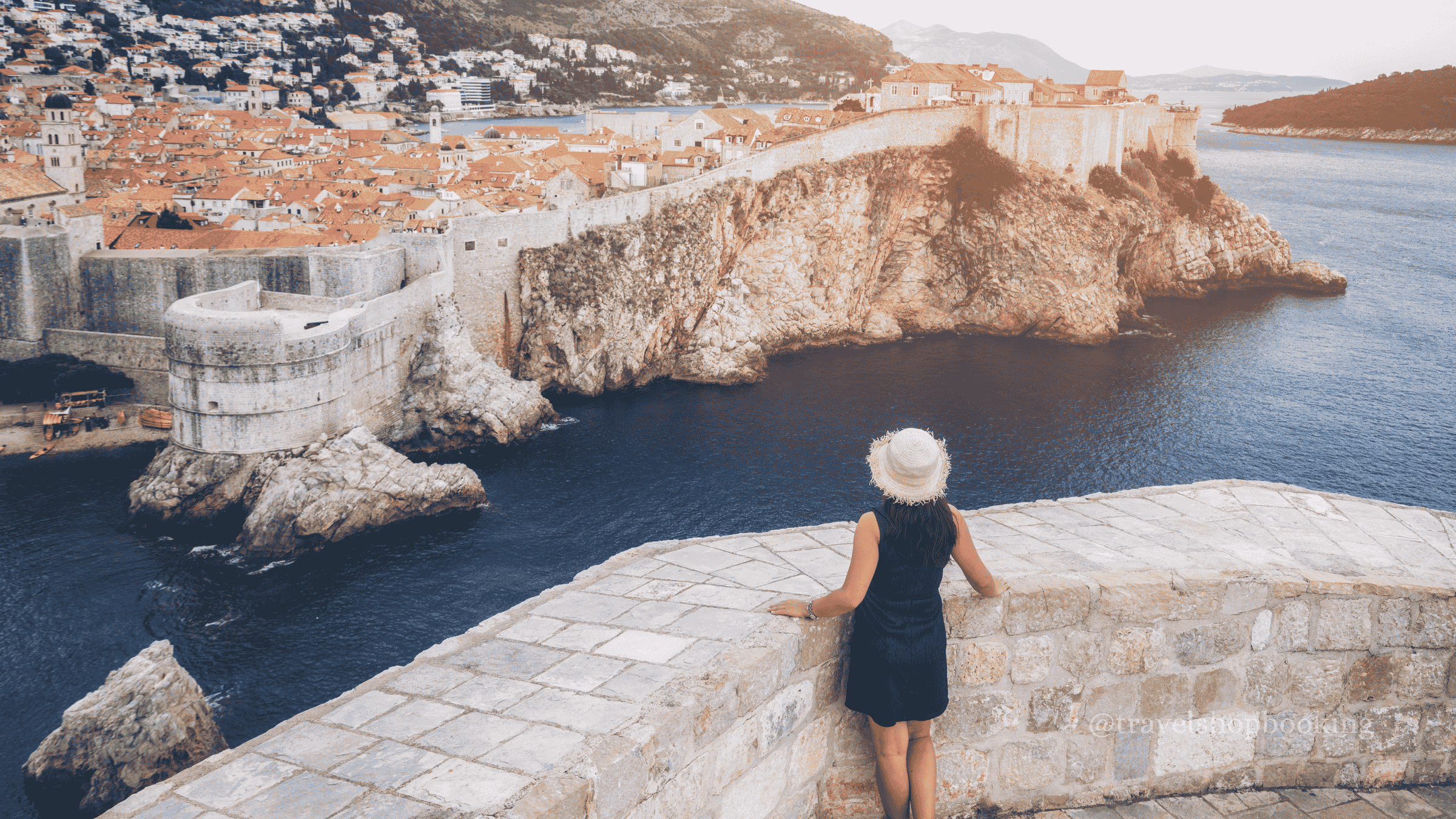
Dubrovnik is particularly known for its historic Old Town, surrounded by medieval defensive walls. The city developed into an important maritime republic and maintained commercial relationships throughout the Mediterranean. Visitors can explore Stradun, Rector's Palace, Sponza Palace and religious buildings associated with Dubrovnik's historical development.
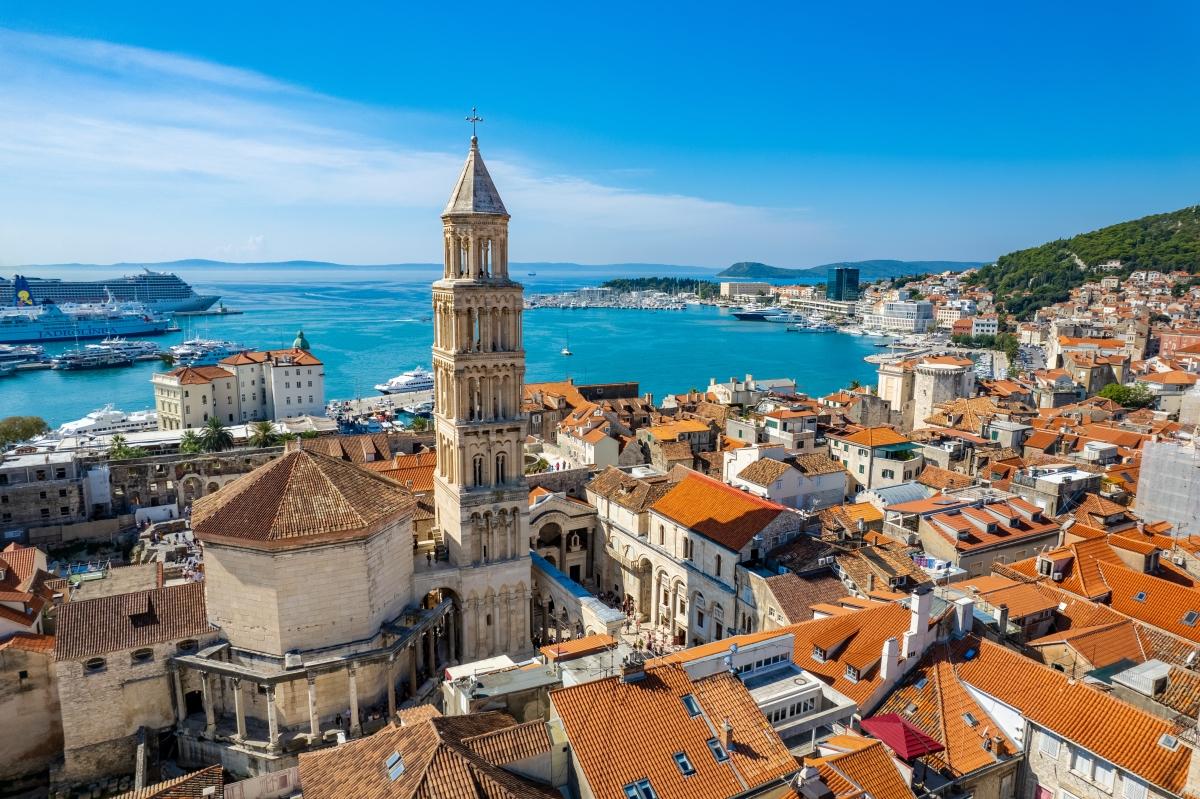
In Split, cultural tours focus on Diocletian's Palace, constructed during the late Roman period. The palace complex gradually developed into the city's historical centre, with residential buildings, churches and public squares incorporated into its ancient structures. Visitors can explore the Peristyle, Cathedral of Saint Domnius and surviving Roman architectural features.
Northern Croatia offers a different cultural landscape. Zagreb, the country's capital, is known for its medieval Upper Town, museums, churches and Austro-Hungarian architecture. Cultural itineraries may include St. Mark's Church, Zagreb Cathedral, the Stone Gate and historical public squares.
The Istrian Peninsula is another important region for Croatian cultural tours. Cities such as Pula, Rovinj and Poreč preserve Roman monuments, Venetian architecture and early Christian religious buildings. Poreč is particularly recognized for the UNESCO-listed Euphrasian Basilica, an important example of early Byzantine art and architecture.
Cultural experiences may also include visits to local museums, traditional villages and regional heritage sites. These activities introduce visitors to Croatia's historical traditions, architecture and the cultural differences between its coastal and inland regions.
Croatia Historical & Heritage Tours examine the country's development from ancient settlements and Roman rule through the medieval period, Venetian influence, the Habsburg era and modern Croatian history.
Before Roman expansion, parts of present-day Croatia were inhabited by Illyrian communities and other ancient populations. The Romans later established important settlements along the Adriatic coastline and inland transportation routes. Cities such as Salona, Pula and Zadar became significant centres of Roman administration, commerce and urban life.
Following the decline of the Western Roman Empire, the region experienced Byzantine influence and the arrival of Slavic populations. Croatian political entities developed during the early medieval period, and the medieval Kingdom of Croatia became an important part of the region's history.
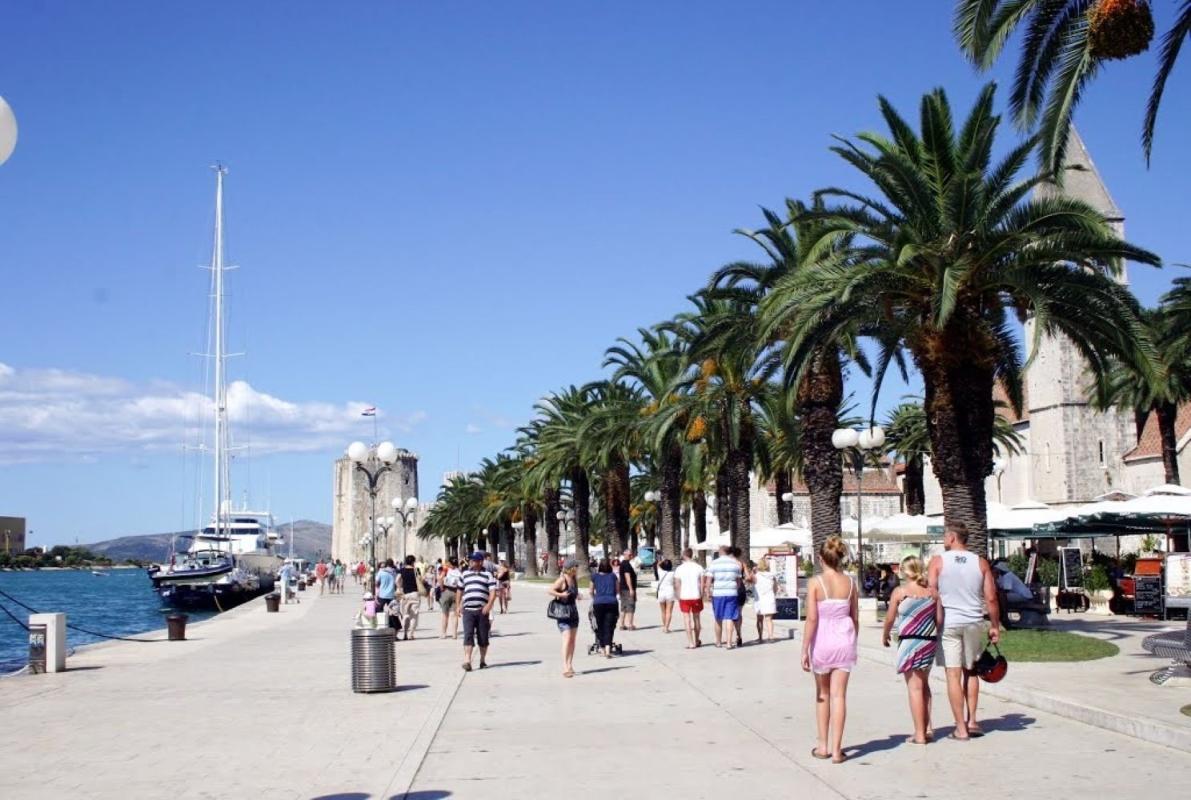
The coastal cities of Dalmatia preserve evidence of these developments through churches, fortifications and historical urban centres. Trogir, for example, contains Romanesque, Gothic, Renaissance and Baroque architecture, reflecting centuries of cultural and political change.
During the medieval and early modern periods, the Republic of Venice controlled substantial sections of the eastern Adriatic coastline. Venetian architectural influences remain visible in cities such as Rovinj, Zadar, Hvar and Korčula, particularly through palaces, churches and public squares.
Dubrovnik, historically known as Ragusa, followed a different political development. The Republic of Ragusa became an important maritime trading state, maintaining diplomatic and commercial relationships with Mediterranean and European powers. Its surviving defensive walls and civic buildings illustrate the city's historical independence and commercial importance.
Inland Croatia developed under different political influences, including its long association with the Kingdom of Hungary and later the Habsburg Monarchy. Zagreb's historic architecture and institutions reflect its development as a political and cultural centre during these periods.
Croatia's more recent history includes its role within Yugoslavia during the twentieth century and its declaration of independence in 1991. Historical tours may include museums and memorial sites that document the Croatian War of Independence and the country's transition to modern statehood.
These tours provide opportunities to understand Croatia's history through preserved monuments, archaeological collections, museums and historical urban landscapes.
Croatia Roman & Medieval History Tours focus on archaeological sites, ancient cities, medieval fortifications and religious monuments that document the country's development over several centuries.
One of the most important Roman landmarks is Diocletian's Palace in Split, constructed around the beginning of the fourth century for the Roman emperor Diocletian. The palace originally served as an imperial residence and fortified complex. Over time, its structures became integrated into the surrounding city, creating a historic centre where Roman architecture remains part of everyday urban life.
Near Split, the archaeological site of Salona preserves the remains of an important Roman provincial capital. Visitors can explore sections of ancient city walls, an amphitheatre, early Christian cemeteries and other archaeological structures. Salona provides additional historical context for the development of Roman Dalmatia.
In northern Croatia, Pula Arena is one of the country's most recognizable Roman monuments. Built during the first century AD, the amphitheatre is among the best-preserved examples of Roman arena architecture. Other Roman landmarks in Pula include the Temple of Augustus and the Arch of the Sergii.
Roman heritage is also visible in Zadar, where visitors can explore the remains of the Roman Forum near the Church of St. Donatus. The city's historic centre contains architectural elements associated with Roman, Byzantine and medieval periods.
Croatia's medieval history is particularly well represented in Dubrovnik and Trogir. Dubrovnik's defensive walls, forts and historic streets illustrate the development of a fortified maritime city. The Old Town contains churches, palaces and public buildings associated with the former Republic of Ragusa.
Trogir's UNESCO-listed historic centre preserves an extensive collection of medieval architecture. The Cathedral of St. Lawrence is especially important for its Romanesque portal, created by the sculptor Radovan in the thirteenth century.
Šibenik is another significant destination for medieval and Renaissance history. Its historic centre contains defensive fortifications, churches and the Cathedral of St. James, a UNESCO World Heritage Site recognized for its architectural construction and sculptural decoration.
Croatia's medieval heritage also extends inland, where castles and fortified settlements reflect the region's historical political divisions. Locations such as Trakošćan Castle and the medieval areas of Zagreb provide opportunities to explore aristocratic residences, defensive architecture and regional history.
Together, these archaeological sites and historical cities demonstrate how Roman infrastructure, medieval urban planning and later European architectural traditions shaped Croatia's cultural landscape.